



Georgian Blue Transferware Plate
When you handle a georgian blue transferware plate, you hold a piece of early industrial ceramic artistry designed for practical dining and scenic display.
Georgian Blue Transferware Plate
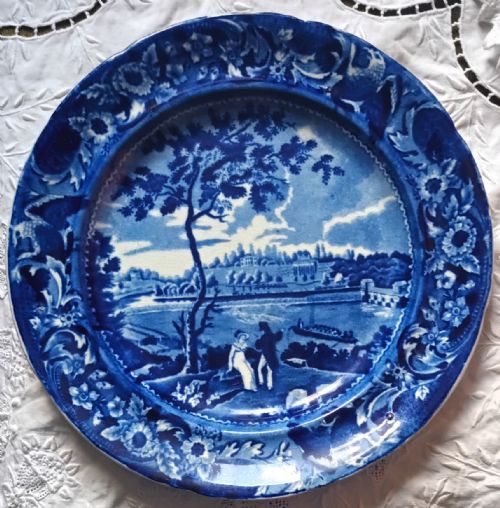
A georgian blue transferware plate represents a ceramic vessel decorated by applying a copperplate engraving design via tissue paper onto the biscuit body before firing. These items span periods from the late eighteenth century through the early nineteenth century, encompassing Georgian, Regency, and early Victorian aesthetics.
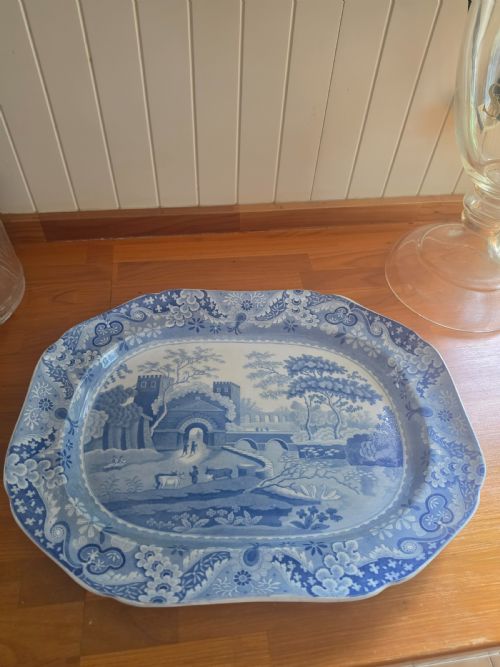
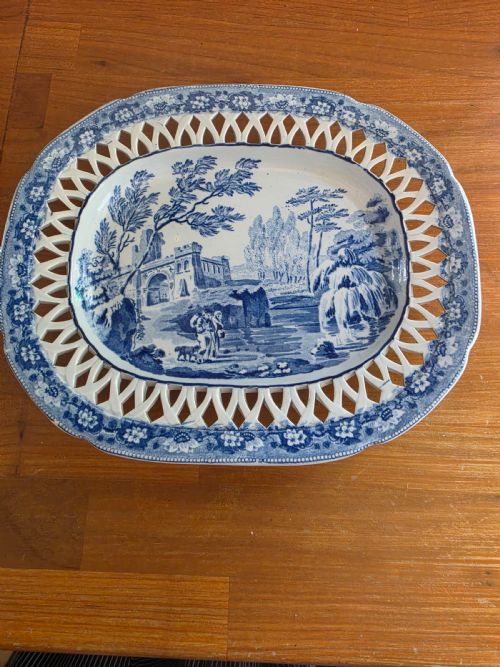
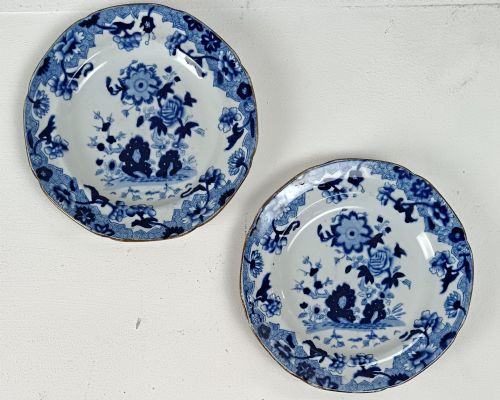
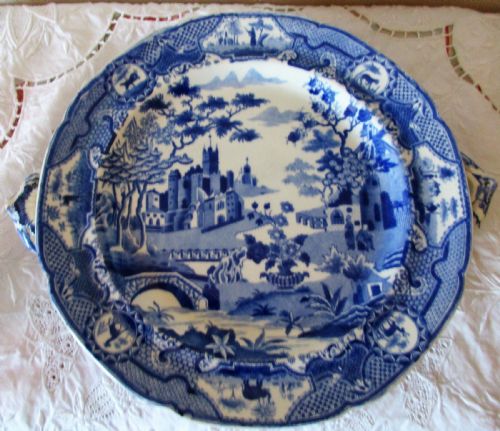
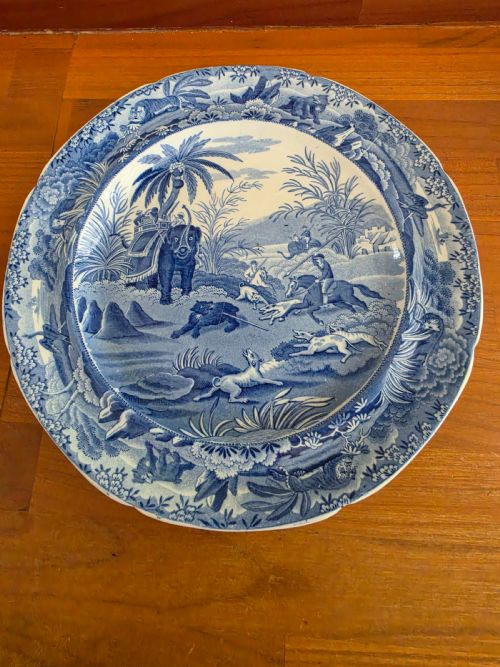
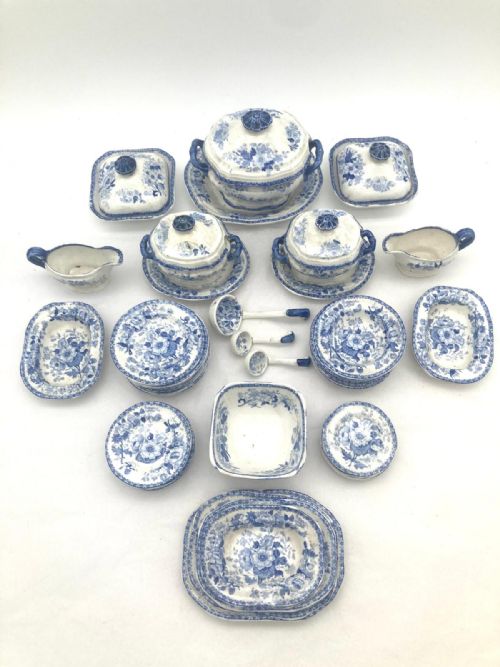
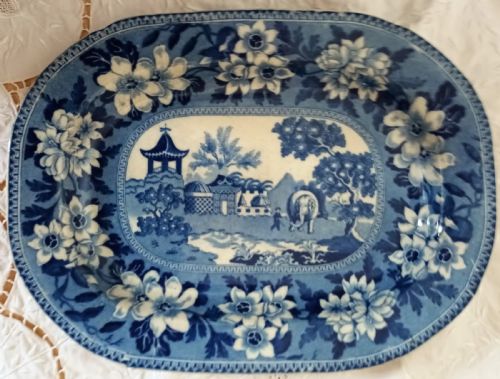
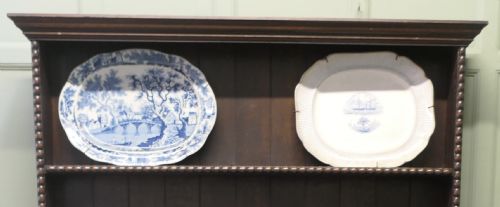
Buyers will encounter varied forms on this page, ranging from standard tea plates and dinner services to large meat platters, chargers, and specialised drainers. The pictorial subjects printed on these ceramics draw heavily from British landscapes, topographical views, classical ruins, and Chinoiserie motifs.
Makers working across Staffordshire and other English potteries produced these tablewares in large quantities, yet individual patterns retain distinct artistic merit. Common patterns include Italian landscapes, animal scenes, and architectural subjects transferred in deep cobalt blue hues onto earthenware bodies.
How They Were Made
Potters utilised earthenware, pearlware, and ironstone as the primary ceramic bodies for these tablewares, applying a fluid glaze to seal the surface. The cobalt blue pigment was printed from an engraved copper plate onto thin paper, then transferred by hand onto the porous fired clay.
Following the transfer of the design, the pieces underwent a high-temperature kiln firing to fuse the metallic oxide pigment permanently beneath the glossy ceramic glaze. Gilt highlights were occasionally added over the glaze on select high-status vessels to enhance the visual depth of the printed scenes.
Listings feature earthenware, pearlware, and ironstone bodies decorated with nineteenth-century transfer printed scenes ranging from architectural ruins to pastoral landscapes.
What Varies in Quality
The clarity and registration of the printed transfer determine the visual success of the piece, separating crisp impressions from smudged or blurred outlines. Engravings executed with finer detail yield sharper architectural lines and more subtle tonal gradations in the blue pigment.
The choice of ceramic body also influences the overall refinement, with early pearlware and specialised stone china bodies offering a smoother, whiter ground than standard utilitarian earthenware. Potteries known for superior kiln management produced glazes with fewer bubbles and a more even, lustrous finish.
Spode·Davenport·John Rogers and Son·Minton·William Adams·Thomas Lakin·Brameld and Co·Wedgwood·Stubbs
The Georgian Blue Transferware Plate Glossary
- Transferware
- Ceramic pottery decorated by printing a design from an engraved copper plate onto paper and pressing it onto the unglazed clay body. This mechanical process allowed for intricate, repeatable pictorial scenes.
- Pearlware
- A refined earthenware body developed in the late eighteenth century, featuring a slight bluish tint in the glaze to mimic Chinese porcelain. It forms the base for many early blue and printed ceramics.
- Ironstone
- A durable, heavy ceramic body patented in the early nineteenth century to provide a tougher alternative to standard earthenware. It resists chipping and accommodates detailed blue transfer printing effectively.
- Charger
- A large ornamental or serving plate used traditionally for display or central table service rather than individual dining. These expansive surfaces often showcase elaborate topographical transfer prints.
- Chinoiserie
- A Western decorative style reflecting European interpretations of Chinese artistic motifs and landscapes. It appears frequently on early serving dishes and plates within this category.
- Drainer
- A perforated ceramic insert designed to sit within a meat platter to catch juices beneath joints of meat. These specialised pieces often feature matching blue transfer patterns.
Georgian Blue Transferware Plate: Frequently Asked Questions
How do I date a blue transferware plate?
Dating relies on identifying the pottery mark stamped or printed on the reverse, the style of the ceramic body such as pearlware versus ironstone, and the specific copperplate pattern utilised. Stylistic clues in the clothing and architecture depicted within the transfer scene also help narrow the production decade.
Changes in glaze chemistry and manufacturing techniques across the Georgian and Regency periods provide further chronological markers for collectors.
Can I use these antique plates for dining?
While these ceramics were originally created for daily meals, most collectors prefer to display them rather than subject them to modern cutlery and dishwashers. The underlying earthenware and lead-glazed surfaces can be fragile after centuries of existence.
Gentle hand washing is recommended if they are utilised, avoiding soaking or abrasive cleaners that might harm the historic glaze.
What is the difference between pearlware and ironstone?
Pearlware is a lighter, refined earthenware characterised by a thin glaze containing small amounts of cobalt that pool slightly blue in crevices. It was widely used during the late eighteenth and early nineteenth centuries.
Ironstone is a much denser, heavier, and opaque ceramic composition developed to withstand harder daily wear, frequently appearing in robust nineteenth-century services.
How should I display my transferware plates?
Wall mounting requires sturdy plate hangers with protective coated tips to prevent chipping the delicate rims of these historic ceramics. Alternatively, stable wire stands allow them to be showcased safely on sideboards, mantels, or within enclosed cabinets.
Keeping them away from direct, harsh sunlight prevents potential fading of the underlying ceramic body over extended periods.