




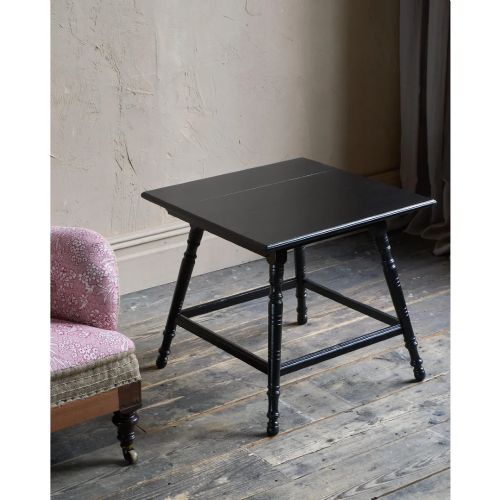
Victorian Black Side Table
A victorian black side table brings dark elegance and striking form to a room, drawing the eye with rich ebonised wood or lacquer.
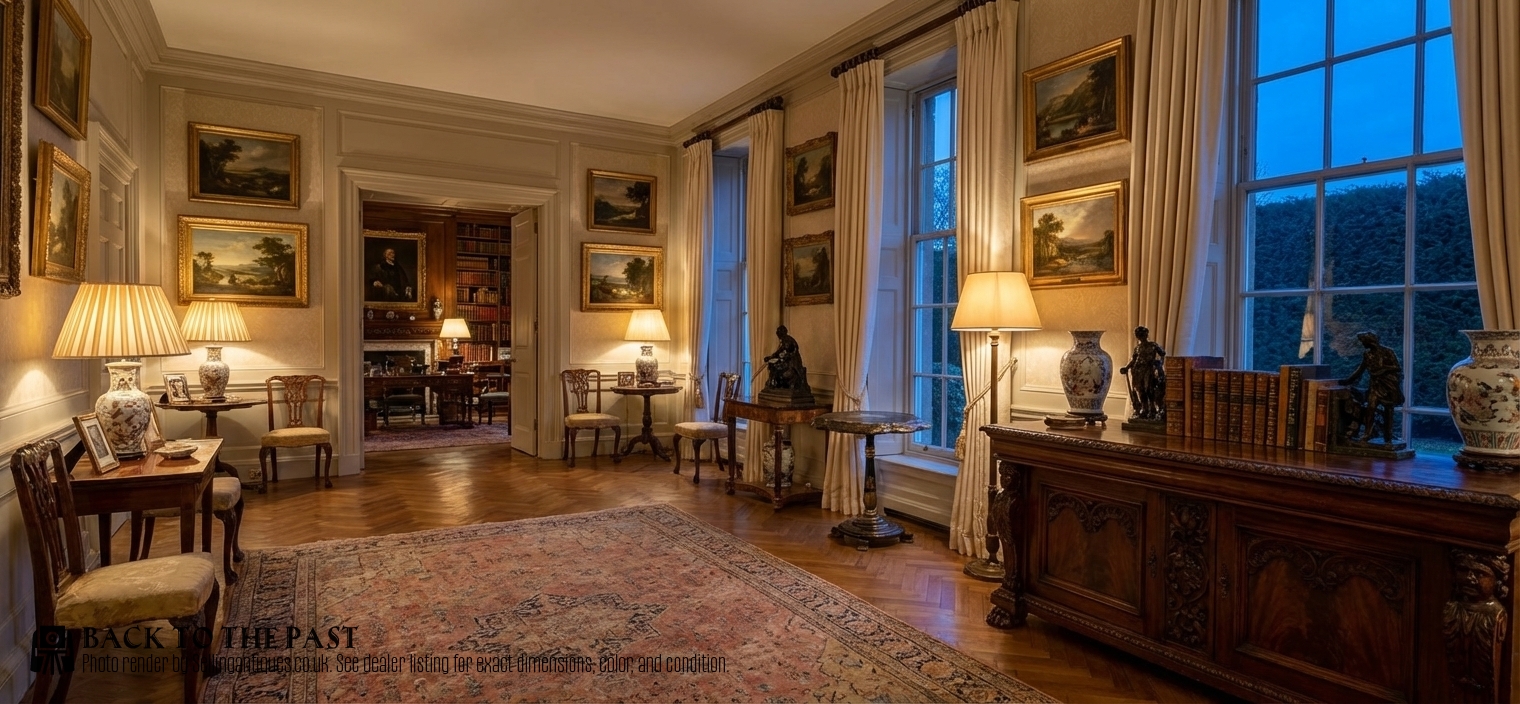
Victorian Black Side Table
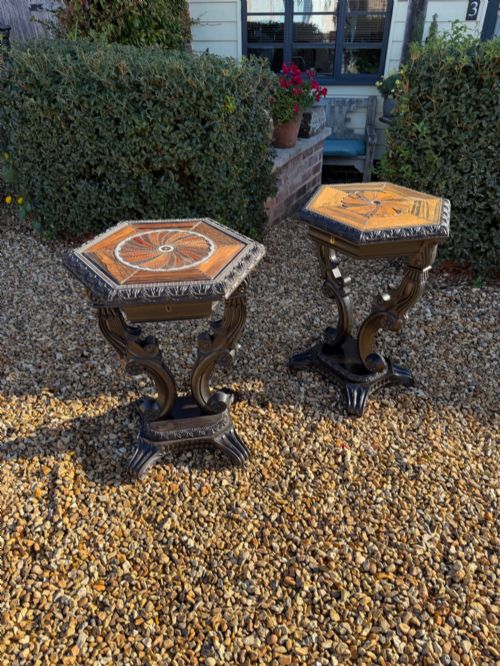
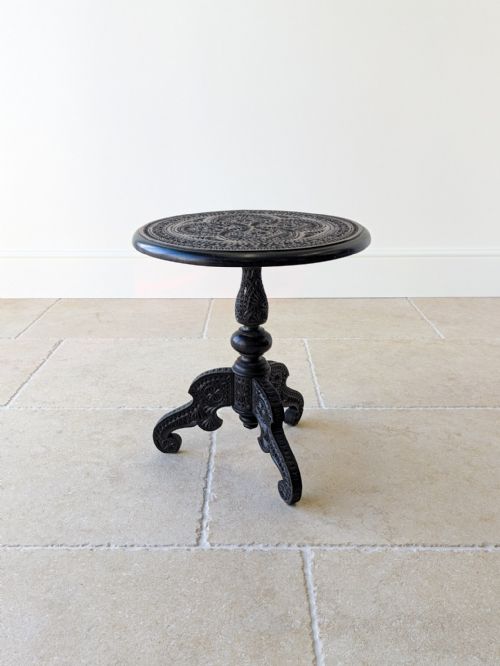
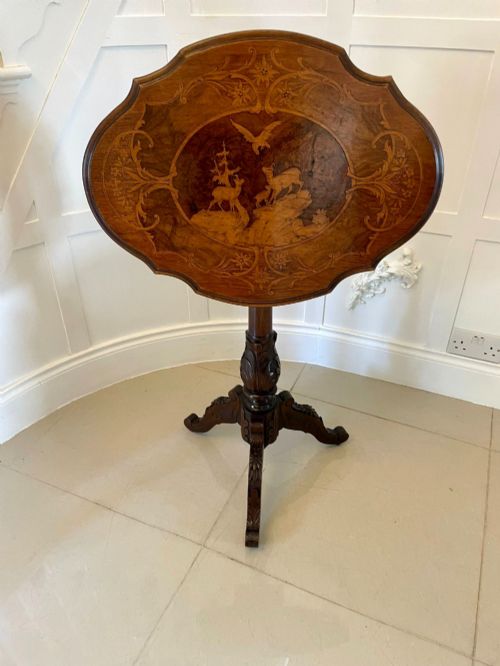
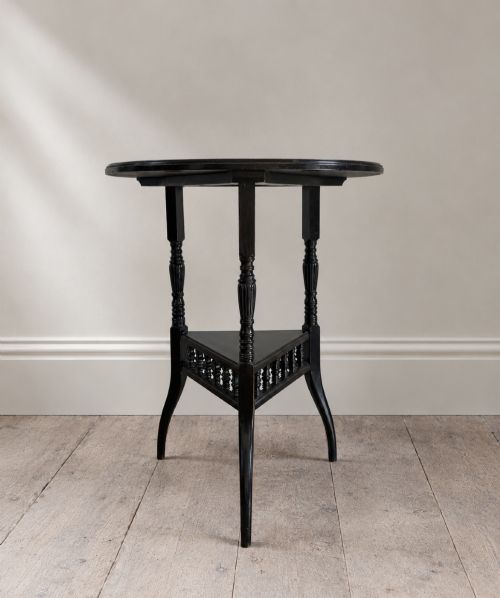
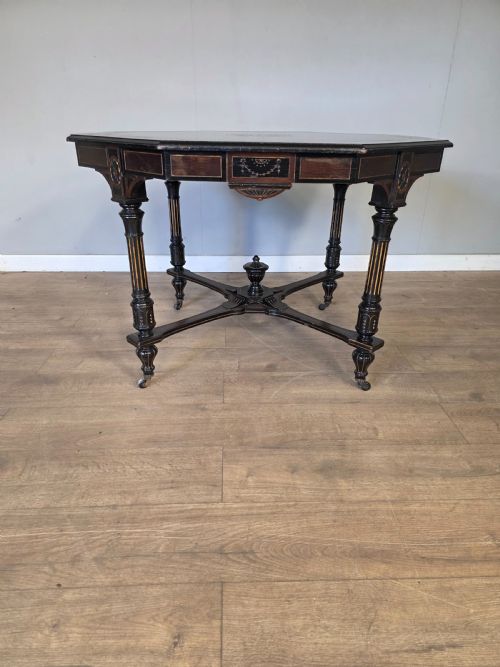
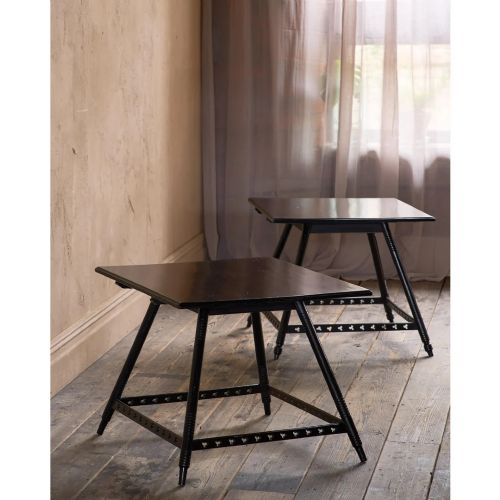
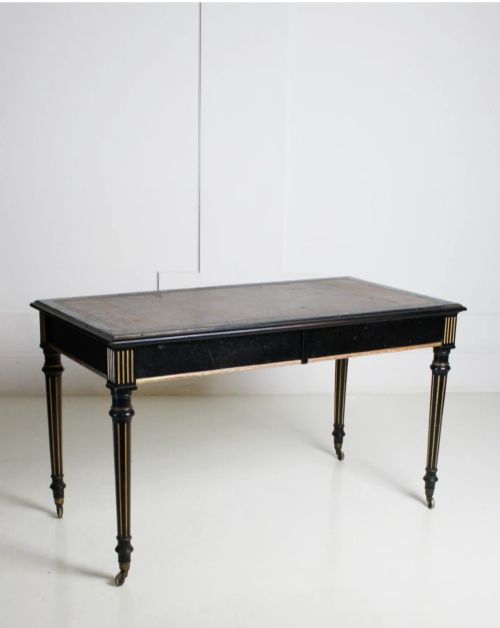
A victorian black side table encompasses a variety of occasional, centre, and console tables produced during the nineteenth century. These pieces often arrive with ebonised finishes, lacquer work, or painted surfaces that capture the aesthetic preferences of the era.
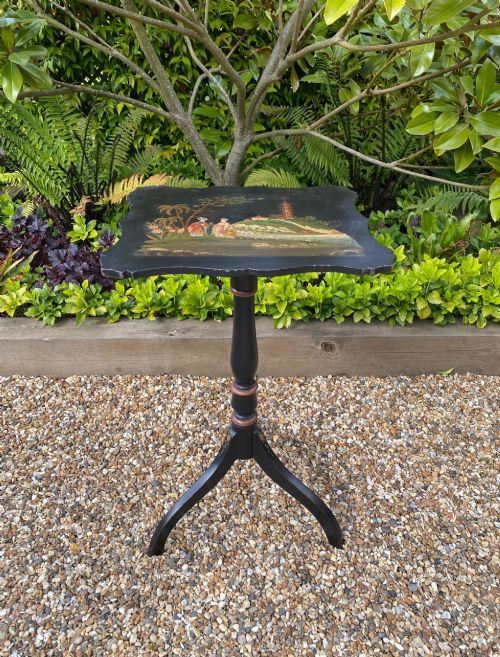
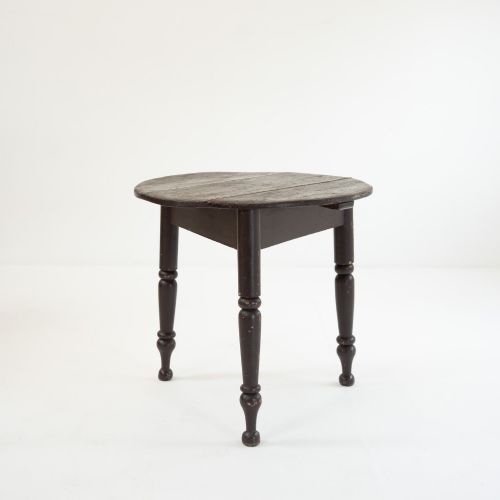
The selections span simple vernacular pieces to elaborate Aesthetic Movement and Chinoiserie designs. Buyers frequently encounter tripod bases, two-tier structures, and tray tables alongside robust architectural forms.
Origins stretch across British workshops as well as continental centres, reflecting international tastes in dark woods and decorative arts. Each piece serves a practical function while delivering a strong visual statement in a modern interior.
Materials and Technique
Cabinet makers utilised hardwoods such as beech or birch, applying a dense black ebonised finish to mimic costly exotic materials like ebony. This process involved staining and polishing the timber to achieve a deep, light-absorbing sheen.
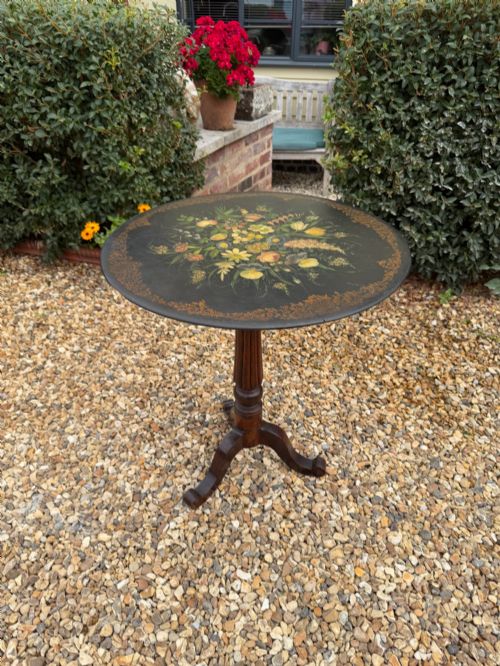
Surface decoration frequently relied on lacquer, paint, or japanning, sometimes accented with gilt motifs or marquetry inlay. Artisans also incorporated brass hardware, leather tops, and occasionally marble inserts to elevate the utility and appearance of the furniture.
Victorian Black Side Table Retail Price Guide 2026
Typical asking prices for victorian black side table among the pieces listed under this phrase on Sellingantiques today, from the lower quarter to the upper quarter. They describe what is for sale here now, not the wider market.
Listings feature ebonised wood, brass, lacquer, and leather across nineteenth-century forms.
Standard and Craftsmanship
The calibre of a victorian black side table rests upon the precision of its joinery and the integrity of its surface finish. Pieces by recognised makers display sharper carving, tighter joints, and more meticulously executed ebonisation.
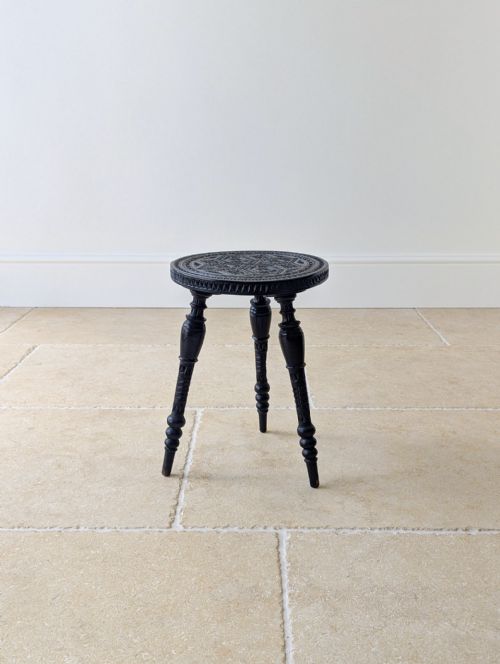
Decorative elements such as hand-painted Chinoiserie scenes, bone inlay, or chip-carving dictate the upper tier of the range. Simpler vernacular pieces rely on honest construction and utilitarian charm rather than elaborate ornamentation.
Maple and Co·Hindley and Sons
The Victorian Black Side Table Glossary
- Ebonised
- Timber treated with stain or paint to imitate ebony. This finish became immensely popular during the nineteenth century for its sleek appearance.
- Aesthetic Movement
- A late nineteenth-century design style that emphasised visual beauty over narrative content. Pieces in this idiom often show Japanese influence and clean ebonised lines.
- Japanning
- A European imitation of East Asian lacquerwork. It involves layered varnishes cured by heat to produce a glossy, dark surface.
- Occasional Table
- A small, movable table designed for a specific, temporary use in a reception room. These versatile items appear frequently in various shapes and heights.
Victorian Black Side Table: Frequently Asked Questions
Where should I place a victorian black side table?
These tables suit hallways, sitting rooms, or bedrooms as functional accent pieces. Their dark finishes allow them to anchor bright corners or complement neutral walls.
Position them beside seating to hold lamps, books, or drinks. Smaller tripod and tray variants move easily to suit changing daily needs.
What is the difference between an occasional table and a centre table?
Occasional tables are typically smaller, lighter, and designed to be moved around a room as needed. Centre tables are larger, heavier pieces intended to stand permanently in the middle of a space.
Centre tables often feature detailed carving or marquetry viewable from all sides. Occasional tables prioritise versatility and compact footprints.
How do I identify Aesthetic Movement pieces?
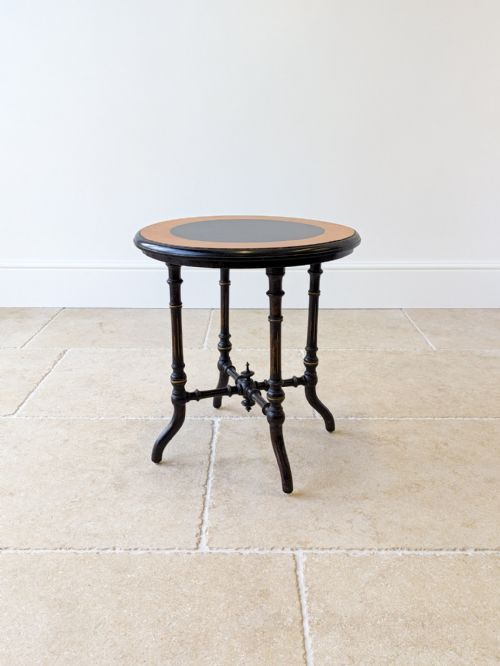
Look for geometric lines, ebonised surfaces, and subtle nods to Japanese art and design. These items often incorporate elements like bamboo-turned legs or simple brass fittings.
The style rejects heavy Victorian clutter in favour of sparse, balanced compositions that highlight material and form.