

Mother of Pearl Tables
Mother of pearl tables bring intricate geometric inlay and shimmering iridescence into a room, offering functional surfaces defined by skilled craftsmanship.
Mother of Pearl Tables
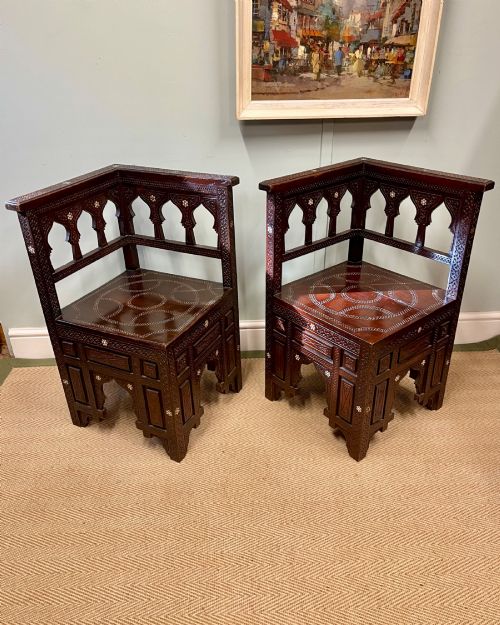
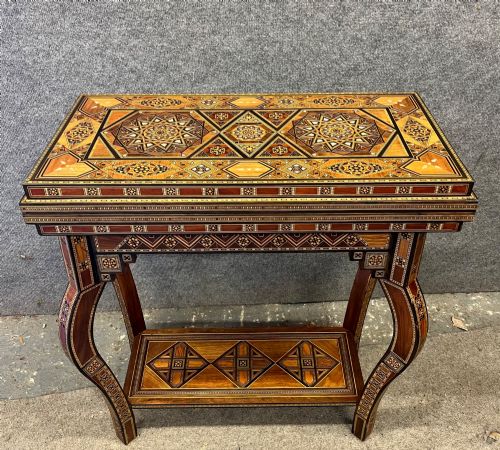
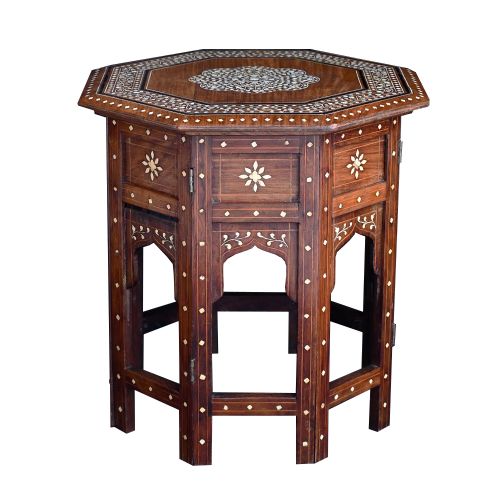
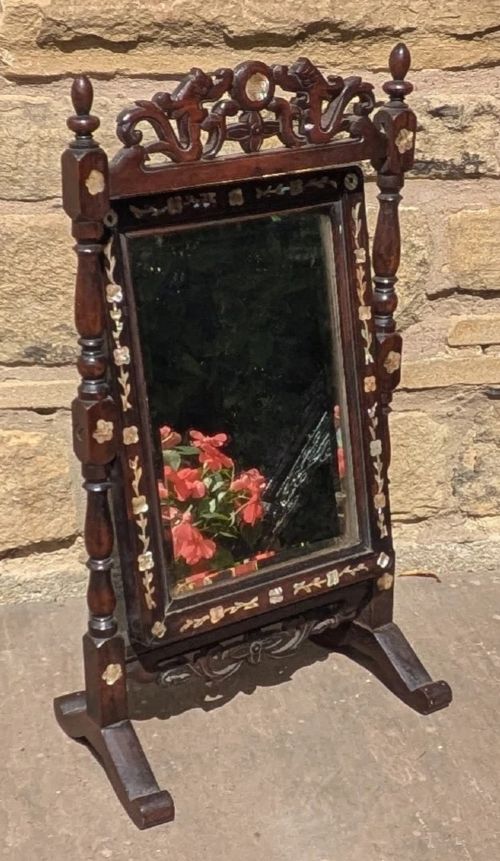
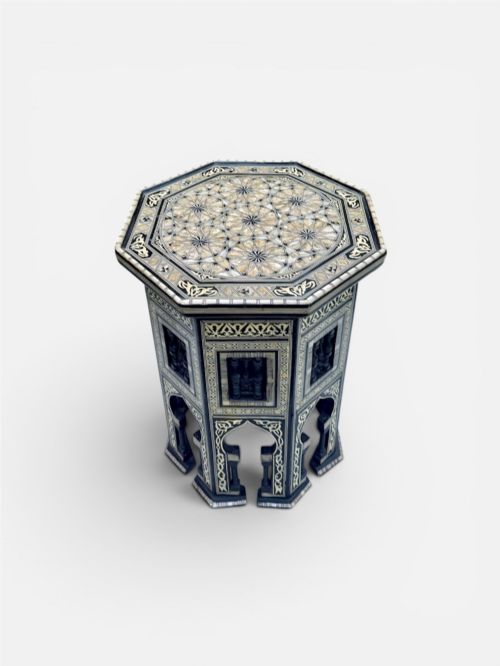
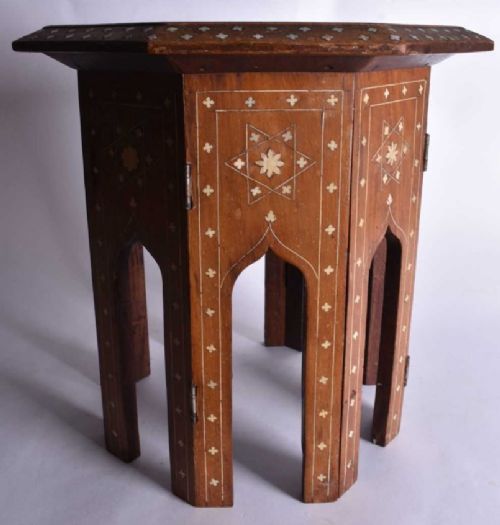
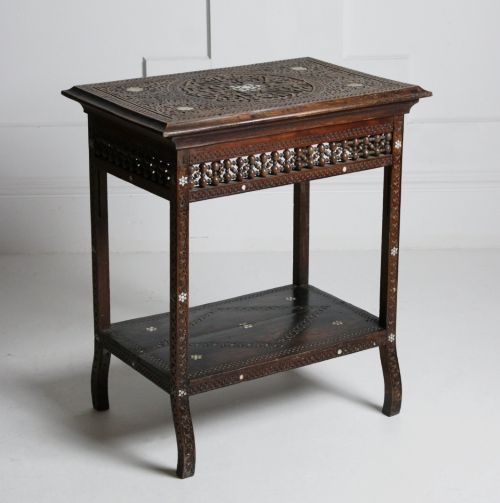
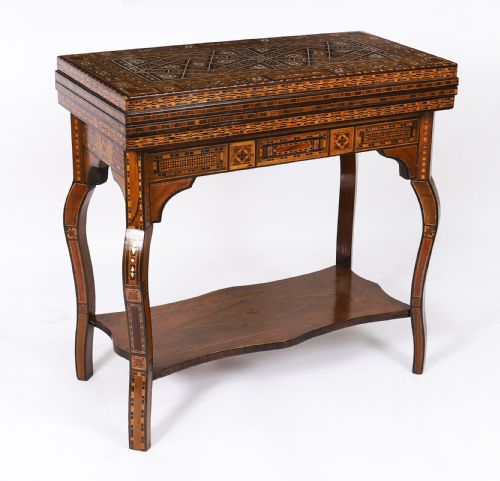
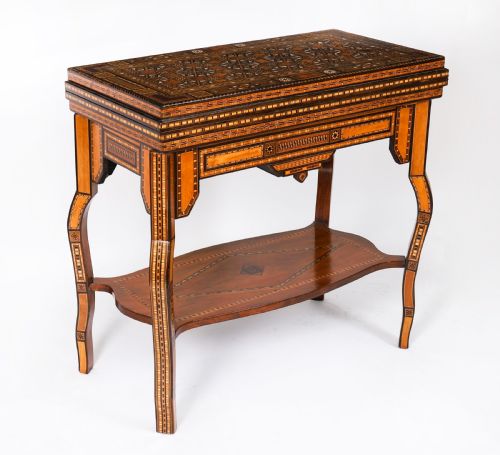
Mother of pearl tables encompass octagonal side tables, folding Damascus pieces, and games tables designed for cards and chess. These items emerge from diverse traditions, including Syrian, Moorish, Ottoman, Anglo-Indian, and Chinese export workshops.
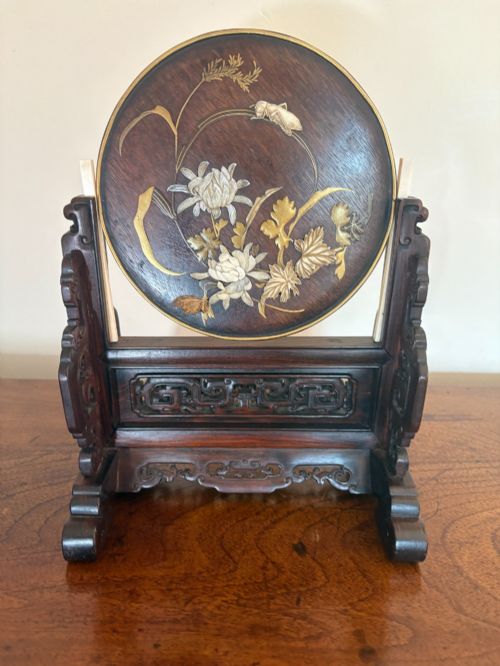
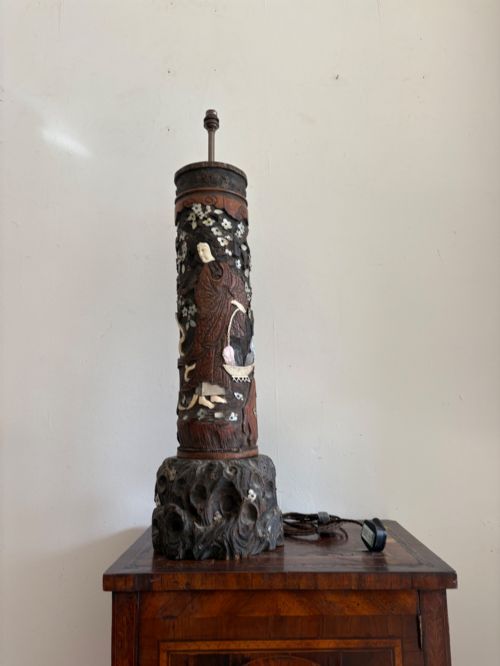
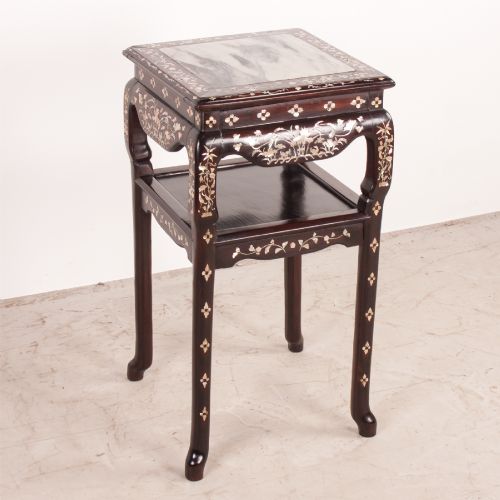
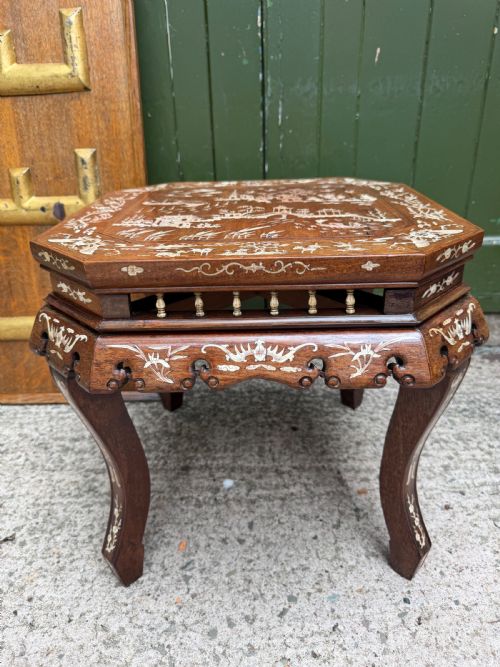
The most common examples on this page are occasional tables, side tables, and games tables dating from the nineteenth century into the early twentieth century. Geometric motifs dominate the Levantine and Moorish pieces, while Chinese and Vietnamese versions showcase floral or pictorial inlay on dense hardwoods.
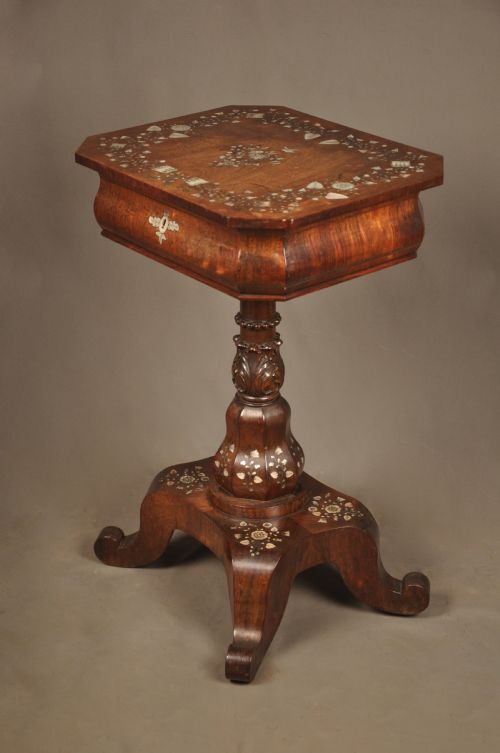
Makers utilised various secondary forms alongside standard tables, including two-tier occasional stands and pedestal bases. Each piece reflects regional woodworking techniques tied to specific cultural aesthetics of the Victorian and Edwardian eras.
Materials and Technique
Artisans built these tables using hardwoods such as walnut, rosewood, mahogany, and various Asian timbers, providing a stable dark foundation for light-reflecting decoration. Mother of pearl shell segments were carefully cut and embedded alongside bone or brass wire into hand-chased recesses within the wooden surface.
The technique relies on precision cutting of nacre to form interlocking stars, polygons, and scrolling vines that fit flush with the surrounding timber. Glue and wooden pegs secured the delicate tessellation before final smoothing and polishing revealed the natural iridescence of the shell.
Craftsmanship and Proportion
Quality rests upon the density and precision of the inlay work, where finer pieces display tight geometric alignment with minimal filler between the shell and the wood. The complexity of the surrounding wood carving and the stability of the structural frame further distinguish superior examples from simpler production items.
The choice of base timber significantly influences the overall merit, with dense rosewood or heavy hardwoods holding intricate shell work better than softer secondary woods. Pieces retaining their full complement of original shell pieces without modern replacements command greater respect among collectors.
Liberty & Co
The Mother of Pearl Tables Glossary
- Mother-of-Pearl
- The iridescent inner layer of mollusc shells, utilised for decorative inlay work across furniture surfaces. Its natural shimmer catches light from various angles.
- Inlay
- A technique where materials like shell or bone are embedded into depressions carved into a solid wood base. This creates a flat, decorated surface.
- Damascus Table
- An octagonal folding table originating from the Levant, typically decorated with intricate geometric mother of pearl and bone mosaic patterns. These items fold compactly for storage.
- Moorish Revival
- A nineteenth-century design style incorporating Islamic architectural motifs, intricate arches, and dense geometric surface patterns into European domestic furnishings. It heavily influenced British interior taste.
- Hardwood
- Dense timber derived from broad-leaved trees, including walnut, rosewood, and various Asian species. It provides the necessary structural rigidity for detailed surface carving.
Mother of Pearl Tables: Frequently Asked Questions
How do I clean mother of pearl inlay?
Dust the surface regularly with a soft, dry cloth to prevent dirt from settling into the fine crevices between the shell and the wood. Avoid harsh chemical cleaners and excessive moisture, which can loosen the adhesives holding the delicate segments in place.
Apply a tiny amount of microcrystalline wax occasionally to protect the wood and maintain the natural lustre of the shell. Gentle care ensures the historic materials remain stable over decades of daily use.
Were these tables used as daily furniture?
These decorative items served primarily as occasional furniture in nineteenth-century drawing rooms and parlours for holding small lamps, books, or tea sets. Folding versions allowed households to clear floor space quickly when hosting larger gatherings or games evenings.
Their intricate construction meant they functioned as display pieces showcasing global trade and exotic craftsmanship to visiting guests. Today, they suit similar roles as accent surfaces in contemporary interiors.
How do I distinguish regional styles?
Syrian and Ottoman tables typically feature dense geometric mosaic patterns composed of tiny triangular pieces of mother of pearl and bone. Chinese export pieces generally display organic motifs like flowers, birds, and figures carved into dark hardwood.
Anglo-Indian and Moorish examples combine intricate fretwork with scrolling leaf designs and brass wire embellishments. Observing the underlying wood species and the shape of the base helps confirm the geographic origin.
Is missing inlay normal for these tables?
Slight losses of individual shell pieces or bone slivers occur frequently due to the expansion and contraction of wood over many decades. Environmental changes in central heating environments often cause the adhesives to dry out and release small inlays.
Professional conservation can stabilise the remaining sections and replace missing elements using period-correct materials. Assessing the proportion of original surface decoration helps determine the overall integrity of the piece.