



Inlaid Corner Tables
Inlaid corner tables bring architectural line and fine marquetry into neglected rooms.
Inlaid Corner Tables
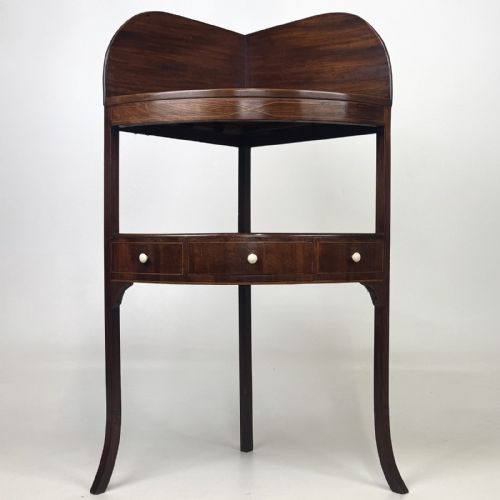
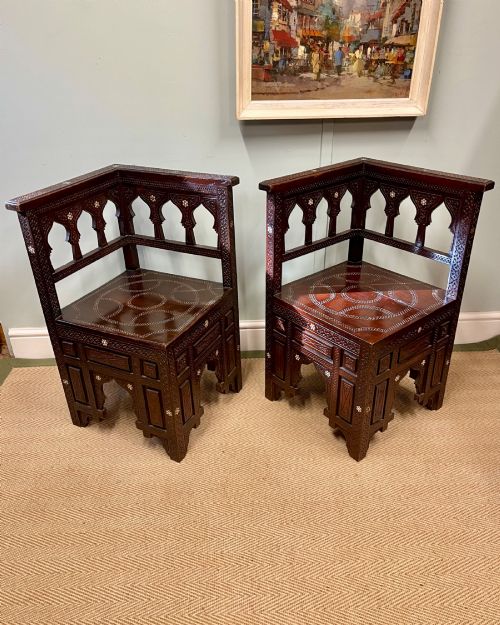
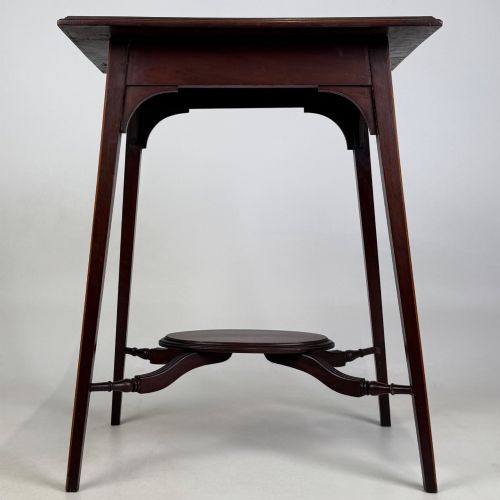
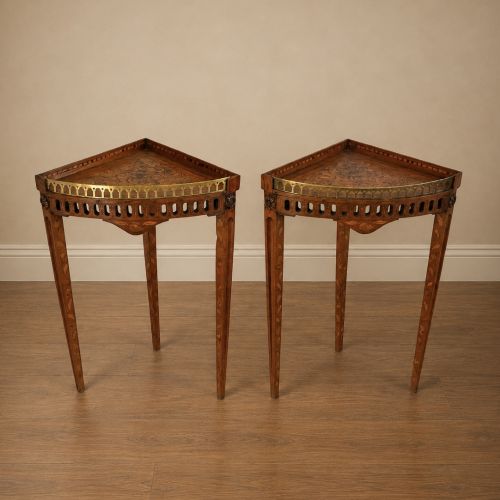
Inlaid corner tables utilise small domestic footprints to introduce rich timber surfaces and geometric or floral decoration into living spaces. Buyers encounter pieces spanning the Georgian, Regency, and Edwardian periods, constructed to fit awkward room angles.
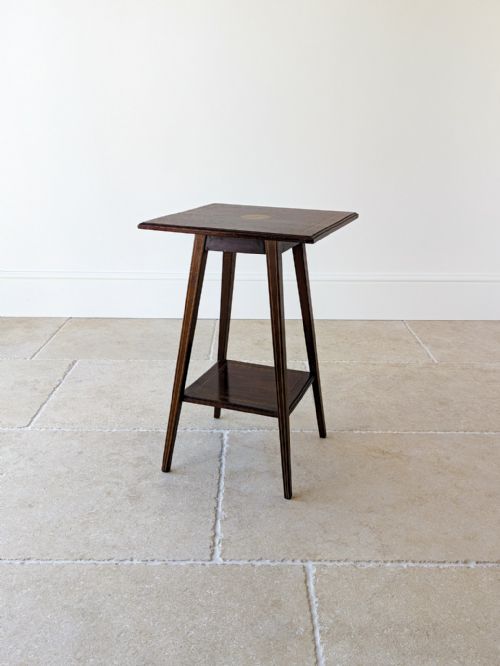
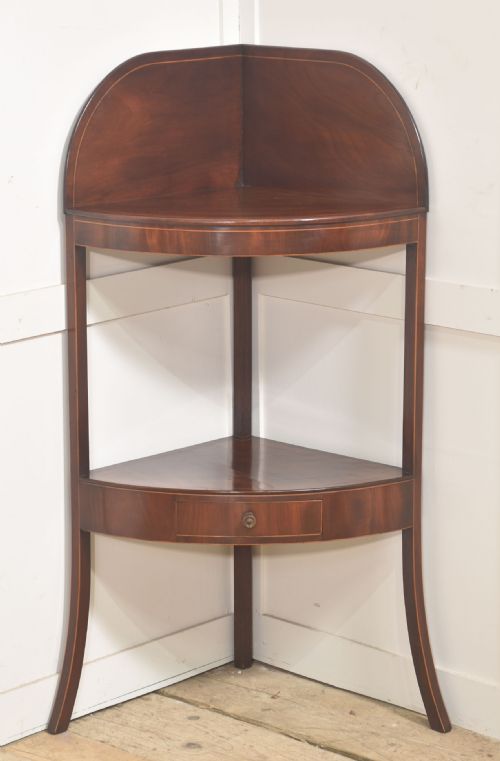
The selection here encompasses forms such as occasional tables, lamp tables, and washstands shaped for corners. Mahogany and rosewood form the structural core of these items, frequently paired with satinwood and boxwood details.
Edwardian interpretations sit alongside 18th-century and 19th-century examples, showing shifts from formal neoclassical design to lighter domestic furniture. Each specimen adapts the flat wall table format specifically for the intersection of two room partitions.
How they were made
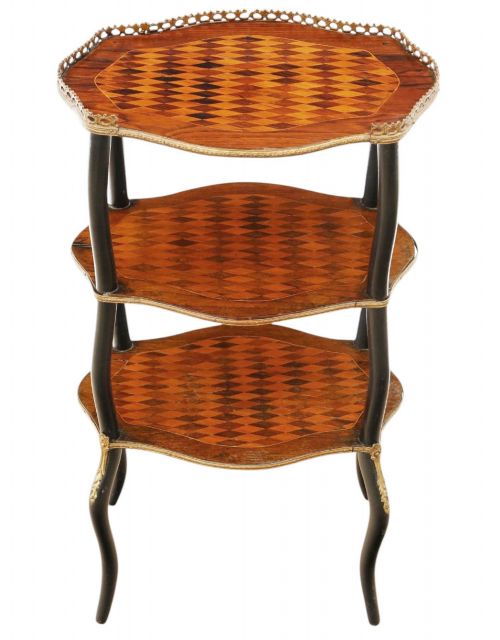
Cabinet makers constructed these tables using solid hardwoods such as mahogany, walnut, and rosewood for the main frames and legs. Marquetry and parquetry techniques required slicing contrasting timbers into thin veneers to create pictorial or geometric motifs.
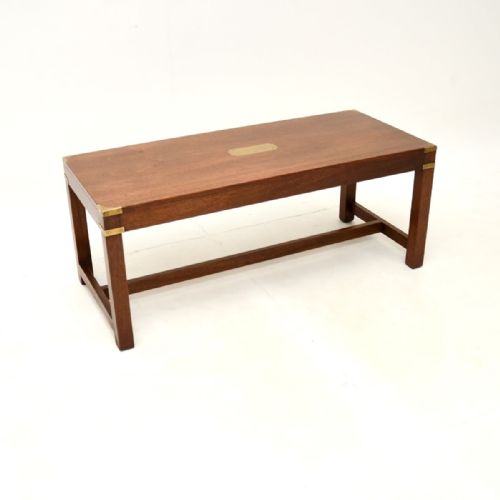
Inlays of satinwood and boxwood provide pale linear contrast against darker ground woods, often embedded directly into tabletop surfaces. Brass galleries and hardware appear on selected items to secure objects and accent the timber edges.
Elephant tables with bone inlay prove that even domestic corners occasionally demanded exotic menagerie company.
What varies in quality
The refinement of the marquetry and the precision of the veneer work determine the upper tier of these pieces. Dense, finely figured grain in the primary mahogany or rosewood body elevates the visual impact.
Original brass fittings and uncompromised structural joints separate superior examples from altered or heavily restored items. The crispness of the boxwood and satinwood inlay indicates the skill of the original workshop.
Liberty & Co.
The Inlaid Corner Tables Glossary
- Marquetry
- Decorative veneer applied to furniture in patterns such as floral scrolls or landscapes. Artisans cut contrasting pieces of wood to fit together within a single veneer sheet.
- Parquetry
- Geometric mosaic woodwork used for tabletops and panels. Small blocks of timber align to form repeating patterns like cubes or herringbone.
- Satinwood
- A durable, lustrous tropical hardwood with a golden yellow sheen. Cabinet makers utilise it extensively for contrasting stringing and light-toned inlay.
- Washstand
- A functional piece of furniture designed to hold a basin and pitcher for personal hygiene. Corner variations fit snugly into bedroom angles to save floor space.
- Etagere
- A set of open display shelves supported by columns or slender uprights. These tiered stands display decorative objects and small ceramics.
Inlaid Corner Tables: Frequently Asked Questions
Where do these tables fit best?
These tables slide directly into unused room angles where standard rectangular furniture creates awkward gaps. They occupy minimal floor space while providing a functional surface for lamps or decorative items.
Place them in hallways, bedrooms, or drawing rooms to break up long expanses of blank wall. The angled rear construction ensures a flush fit against intersecting skirting boards.
How do I care for inlaid surfaces?
Protect delicate wood surfaces by keeping them away from direct sunlight and rapid temperature fluctuations. Natural beeswax polish maintains the sheen of the timber without building up heavy chemical residues.
Avoid placing damp glasses or unpadded hot items directly onto the polished veneer. Gentle dusting with a dry lint-free cloth preserves both the boxwood stringing and the underlying polish.
How do I distinguish Edwardian from Georgian pieces?
Georgian tables display heavier structural proportions, deeper mahogany tones, and restrained classical carving or simpler stringing. They reflect 18th-century architectural principles and straightforward utility.
Edwardian interpretations often utilise lighter satinwood and rosewood with more delicate legs, sometimes incorporating painted or Sheraton Revival motifs. The timber choice and overall lightness of the frame indicate the later Edwardian manufacturing date.
What is the difference between occasional and lamp tables?
Occasional tables serve flexible, multi-purpose roles around the home for holding books or small decorative objects. They move easily between rooms as household needs change.
Lamp tables feature specific proportions designed to support a lighting fixture next to seating furniture. Both types incorporate inlay, but lamp tables often include lower shelves for extra stability.