




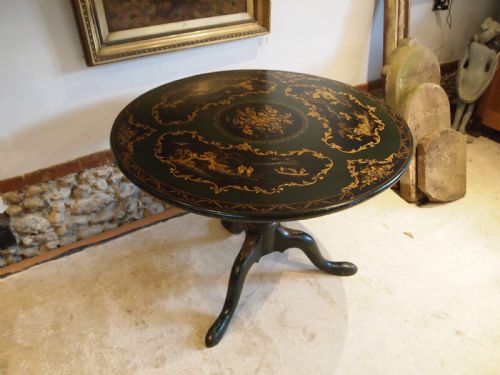
Black Lacquer Pedestal Table
A black lacquer pedestal table brings rich hand-painted detail and dramatic dark surfaces into a room, offering both practical display space and distinct historic character.
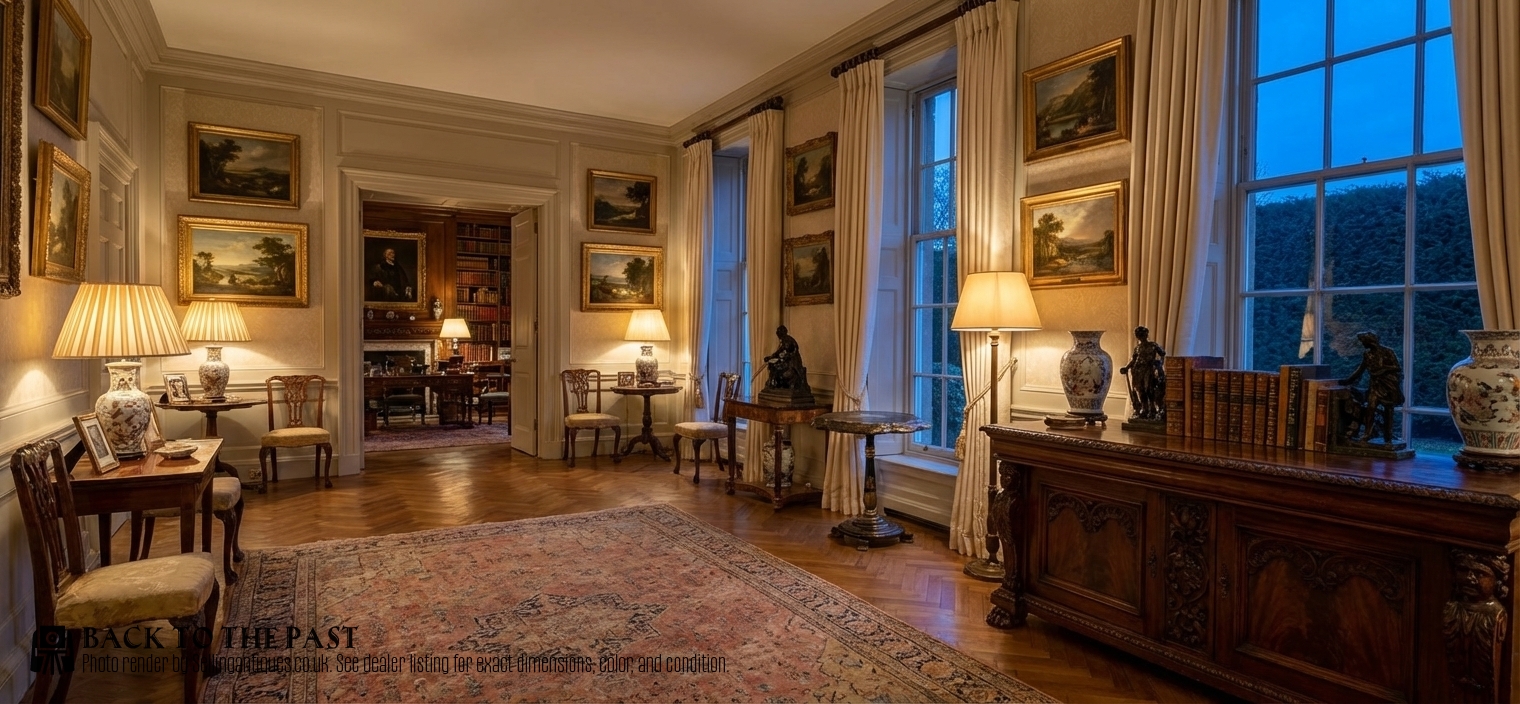
Black Lacquer Pedestal Table
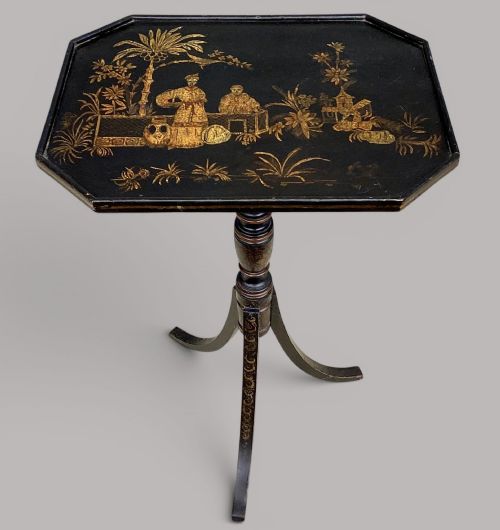
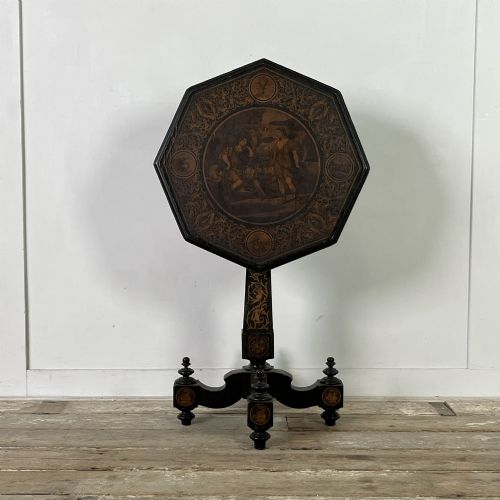
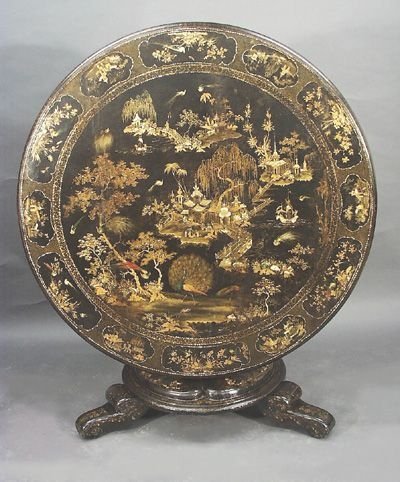
A black lacquer pedestal table combines a central support with a dark finished top, drawing on traditions of Chinoiserie, Regency, and Victorian design. These pieces function as wine tables, plant stands, occasional tables, and tilt-top surfaces.
The selection ranges from Georgian pieces with intricate hand-painted decoration to Victorian papier-mâché examples and later 1930s interpretations. Most items reflect distinct revival movements, including Aesthetic Period and Queen Anne styles.
Buyers encounter various forms, from tripartite base wine tables to tall jardiniere stands and display pieces. Each version uses dark surfaces to highlight painted motifs and gilt accents.
Materials and construction methods
Construction relies on wood, ebonised wood, and papier-mâché as foundational materials. Artisans applied layers of lacquer to create smooth, dark surfaces capable of receiving detailed ornamentation.
Decoration often involved hand painting, gold leaf, and gilt work to build pictorial scenes or botanical motifs. Brass components and specialised ink work further enhanced specific tables, particularly during the Regency and Victorian eras.
Black Lacquer Pedestal Table Retail Price Guide 2026
Typical asking prices for black lacquer pedestal table among the pieces listed under this phrase on Sellingantiques today, from the lower quarter to the upper quarter. They describe what is for sale here now, not the wider market.
Materials documented across the pieces include lacquer, gold leaf, ebonised wood, papier-mâché, and brass.
Judging quality and craftsmanship
The refinement of the hand-painted decoration and the crispness of the gilt work set finer examples apart from simpler pieces. Artisanal skill appears in the precision of the lacquer finish and the stability of the central pedestal structure.
Proportion and the preservation of original painted surfaces dictate the standing of an item. Pieces retaining crisp pictorial detail on the lacquer ground demonstrate superior original execution.
The Black Lacquer Pedestal Table Glossary
- Chinoiserie
- European decorative style imitating Chinese artistic traditions. This aesthetic heavily influences the painted scenes found on many dark lacquer surfaces.
- Japanned
- European imitation of East Asian lacquerwork. Craftsmen applied layered varnishes and paints to mimic traditional Asian finishing techniques.
- Papier-mache
- Material formed from paper pulp mixed with glue and resin, then pressed and dried. Victorian makers utilised this substance to create sturdy, smooth table tops.
- Torchere
- Tall, slender stand designed to support a candelabrum or decorative object. These vertical pieces share pedestal characteristics with display tables.
- Tilt top table
- Table featuring a mechanism allowing the surface to fold vertically when not in use. This clever engineering saved floor space in historic interiors.
Black Lacquer Pedestal Table: Frequently Asked Questions
What is a black lacquer pedestal table used for?
These tables serve multiple domestic functions, traditionally holding drinks, small lamps, or decorative items like plants and jardinières. Their compact footprints make them versatile for placing beside seating or in corners.
Historically, tilt-top versions were stored upright against walls when not in active service. Today, they remain practical accent pieces that introduce dark surfaces and historic character into modern rooms.
How do I identify a Regency period table?
Regency examples typically exhibit classical restraint combined with decorative motifs inspired by ancient or East Asian sources. Look for balanced proportions and ebonised or lacquered finishes supported by tripartite bases.
Construction details and the specific quality of the hand-painted elements help distinguish these early nineteenth-century pieces from later Victorian revivals.
What is the difference between japanned and lacquered surfaces?
Lacquered surfaces often utilise traditional Asian resins, while japanning is a European technique developed to replicate those prized finishes using Western varnishes and paints. Both methods create hard, glossy dark grounds.
Over centuries, these finishes age differently depending on the underlying wood or papier-mâché base, developing a distinct craquelure that indicates age.
How should I care for an antique lacquer table?
Protect the finish by keeping the table away from direct sunlight and maintaining stable room humidity. Dust gently with a soft, dry cloth without applying modern chemical polishes.
Avoid placing damp items directly onto the surface to prevent water marks on the historic lacquer and gilt decoration.