



Victorian Bisque Porcelain
When you search for victorian bisque porcelain, you are looking at unglazed ceramic figures and decorative objects shaped during the nineteenth century.
Victorian Bisque Porcelain
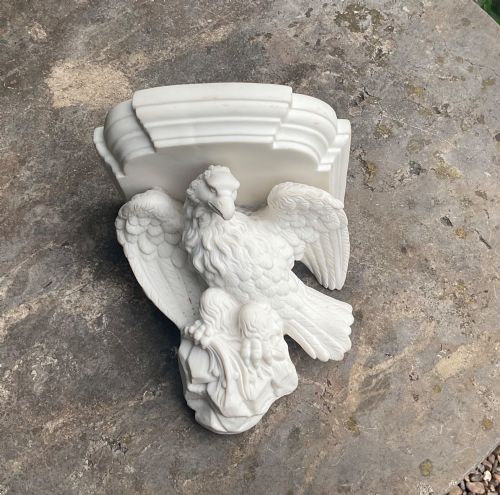
Victorian bisque porcelain covers unglazed ceramic figural groups, portrait busts, wall brackets, and piano babies produced across Europe during the nineteenth century. The forms range from classical mythological studies and romantic figures to domestic children and animals. English and continental potteries shaped these matte white or tinted pieces to imitate carved marble.
You will most frequently meet nineteenth-century figures and pairs depicting classical maidens, fisher folk, and children. Many examples translate famous public sculptures into domestic cabinet pieces using parian ware. The selection also includes large scale figures, decorative wall plaques, and occasional utility vessels like drinks jugs.
How They Were Made
Makers produced these pieces by pouring liquid slip into multiple plaster moulds before firing the ceramic at a high temperature without a glossy glaze. This single or twice-fired unglazed state yields a chalky, matte surface texture known as biscuit or parian. Potters occasionally added enamel paint, gilt, or gold leaf highlights to accent garments and accessories.
Parian porcelain used a specific high-feldspar body that vitrified partially in the kiln to create a translucent finish resembling carved marble. Artisans then hand-finished the raw porcelain seams and details with fine metal tools before the final firing. Factories like Copeland and Minton employed leading sculptors to model the original master forms.
Piano babies were modelled to recline across the top of Victorian upright pianos, supposedly keeping an eye on practicing children.
What Varies in Quality
The purity and texture of the porcelain body itself also determine quality across different factories. Finer pieces display an even, fine-grained parian body with a subtle marble-like translucency, while lesser items show a heavier, opaque earthenware feel. The inclusion of delicate applied elements, such as flowers or fine netting, tests the technical capability of the workshop.
Letu and Mauger·Vion et Baury·Minton·Copeland·Royal Dux·Triebner Ens and Co·Gebruder Heubach
The Victorian Bisque Porcelain Glossary
- Bisque porcelain
- Unglazed ceramic ware fired once or twice to leave a matte, porous surface resembling marble. This finish highlights the sculptural form without the distraction of a glossy transparent glaze.
- Parian ware
- A specific type of fine-grained unglazed porcelain developed in the nineteenth century to imitate white marble. The high feldspar content gives the material a warm, slightly translucent quality.
- Piano baby
- A decorative porcelain or bisque figure lounging horizontally, originally placed on the front of a piano in Victorian parlours. These figures often depict infants or children in playful poses.
- Wall bracket
- A decorative architectural shelf designed to be mounted on a wall to support busts, clocks, or smaller figures. Many examples in unglazed ceramic match the finish of companion figurines.
- Biscuit porcelain
- An alternative term for bisque porcelain derived from the French biscuit meaning twice-cooked. It denotes any ceramic object left unglazed after the initial firing.
Victorian Bisque Porcelain: Frequently Asked Questions
What is victorian bisque porcelain?
Victorian bisque porcelain refers to unglazed ceramic sculptures, figures, and decorative objects made during the nineteenth century. The material lacks a shiny glaze, leaving a smooth, matte finish that feels dry to the touch.
Porteries often formulated this clay body, sometimes called parian, to mimic the appearance of carved white marble. Common subjects include classical figures, children, animals, and romantic groups designed for domestic display.
How do you clean bisque porcelain?
Cleaning unglazed ceramic requires care because the matte surface absorbs dirt and moisture easily. Dusting with a soft, dry brush or a dry microfibre cloth usually removes routine surface soil without risk.
Avoid using water, soap, or chemical cleaners, as moisture can penetrate the porous body and leave permanent stains. For stubborn marks, professional restoration specialists sometimes use dry cleaning sponges designed specifically for delicate porous surfaces.
Why are some figures called parian ware?
Parian ware is a specific high-quality Victorian porcelain body named after Parian marble from the Greek island of Paros. British potteries developed the recipe in the mid-nineteenth century to create affordable domestic sculptures that looked like carved stone.
This material contains a high proportion of feldspar, which melts during firing to give the finished figure a subtle translucency. Standard bisque porcelain is often heavier and more opaque than true parian ware.
Where were these figures displayed in homes?
In Victorian interiors, bisque figures and parian groups sat prominently on mantelpieces, credenzas, and parlour tables. Smaller figures and novelty items like piano babies decorated specific pieces of furniture.
Larger portrait busts and classical groups stood on dedicated wall brackets, pedestals, or pier tables. Their neutral white colour suited the heavily patterned and richly coloured wallpaper of the period by providing a calm focal point.