



Parian Ware Figurines
Parian ware figurines are finely detailed nineteenth-century porcelain sculptures that bring classical grace and texture to any interior.
Parian Ware Figurines
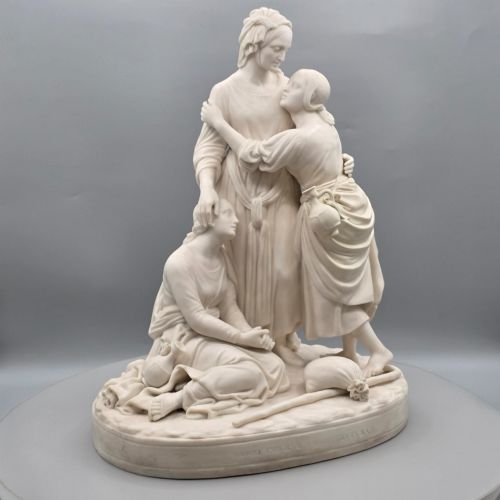
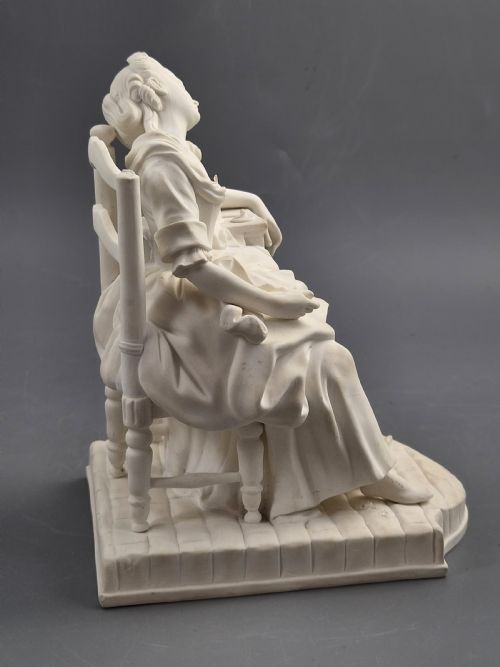
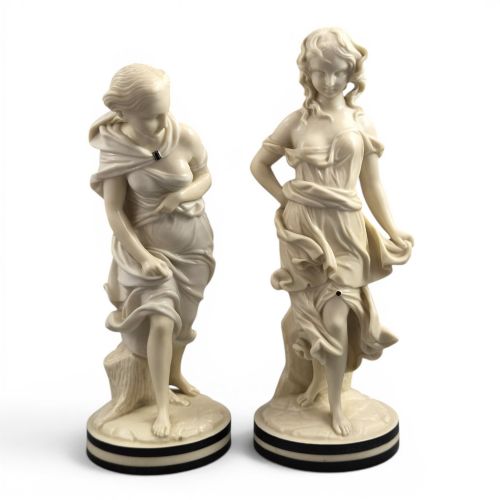
When you search for parian ware figurines, you encounter unglazed porcelain sculptures that imitate white marble with remarkable fidelity. These pieces most commonly depict classical figures, allegorical subjects, children and animals produced during the Victorian era.
The selections on this page span the mid to late nineteenth century, encompassing single figures, pairs and sculptural groups. English manufactories like Minton, Copeland and Royal Worcester dominate the offerings alongside continental European works.
Forms range from intimate cabinet statuettes to larger scale classical studies modelled after famous sculptors. Collectors find both pure white biscuit porcelain and examples decorated with enamel or gold leaf.
How they were made
Parian ware is a type of hard-paste biscuit porcelain developed in the nineteenth century to resemble carved marble. The ceramic body contains a high proportion of feldspar, which melts during firing to give the material its characteristic dense, smooth and slightly translucent finish.
Makers poured liquid slip into multi-part plaster moulds, allowing intricate details like drapery, hair and facial expressions to emerge with sharp definition. After casting, skilled artisans often refined the pieces by hand before firing them at high temperatures without a glaze.
Hunting dogs, resting soldiers and a naked lady seated in contemplation populate the domestic nineteenth-century parlour.
What varies in quality
The ambition of the composition also separates standard production from exceptional work. Pieces modelled after renowned sculptors or produced by leading ceramic houses demonstrate superior anatomical proportion, balance and artistic weight.
Minton·Royal Worcester·Copeland·Triebner Ens And Co
The Parian Ware Figurines Glossary
- Parian
- A fine-grained unglazed porcelain developed in the 1840s to imitate carved marble. It is named after the white marble quarried on the Greek island of Paros.
- Biscuit porcelain
- Unglazed ceramic ware that has been fired once to harden the body. This matte surface absorbs light differently than glazed porcelain.
- Neoclassical
- An artistic style drawing inspiration from the classical art and culture of ancient Greece and Rome. It emphasises restraint, dignity and mythological subjects.
- Slip
- A liquid suspension of clay and other minerals in water used for casting ceramics in moulds. It flows into intricate recesses to capture fine sculptural detail.
Parian Ware Figurines: Frequently Asked Questions
What is parian ware?
Parian ware is a fine nineteenth-century porcelain designed to look like carved marble. It gained popularity for portrait busts and classical statuary.
The unglazed surface gives these sculptures a distinctive matte finish that highlights delicate modelling and detail.
How do you clean parian figurines?
Because the porcelain is unglazed and porous, it can absorb dirt and oils easily. Cleaning requires a soft dry brush or a gentle natural bristle paint brush.
Water and liquid cleaners should be avoided unless handled with extreme care to prevent staining the matte ceramic body.
Are these figures marked?
Many nineteenth-century pieces feature factory impressed marks, painted numbers or registration symbols on the base. These stamps help identify the manufacturer and sometimes the date of production.
Some smaller or earlier pieces remain unmarked, requiring attribution based on style, clay composition and modelling technique.
Where were they displayed?
Victorian households displayed these sculptures on mantelpieces, sideboards and occasional tables in parlours and drawing rooms. Their classical subjects suited the refined tastes of the period.
They served as accessible alternatives to expensive marble carvings, bringing classical art into middle-class homes.