

Antique White Statue
An antique white statue brings classical grace and quiet presence into a room, spanning carved marble, crisp parian ware and glazed ceramic figures.
Antique White Statue
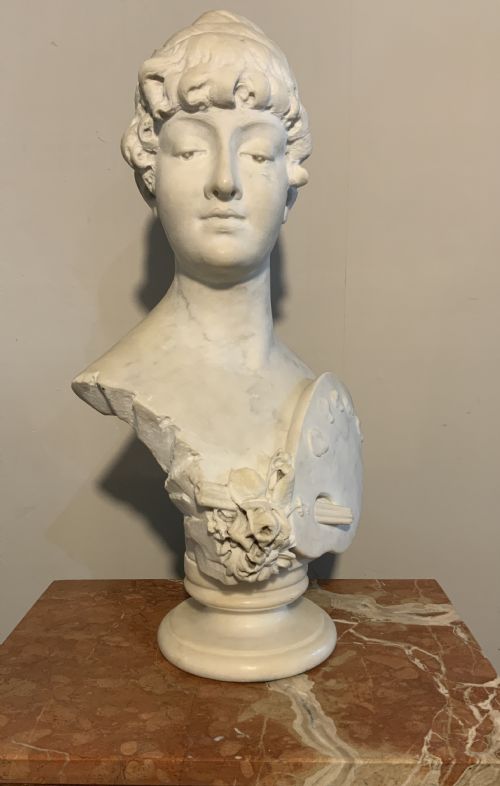
When you search for an antique white statue, you encounter a varied group of sculptural objects, from monumental marble busts to delicate ceramic figurines. The most common examples on this page date from the nineteenth century and reflect Victorian tastes for portraiture and classical mythology.
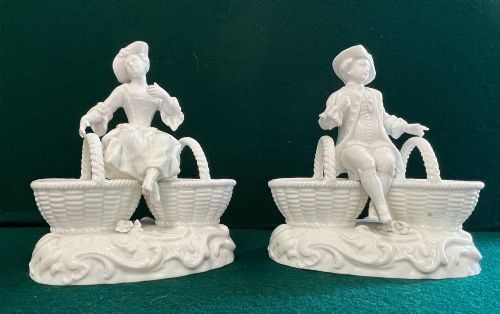
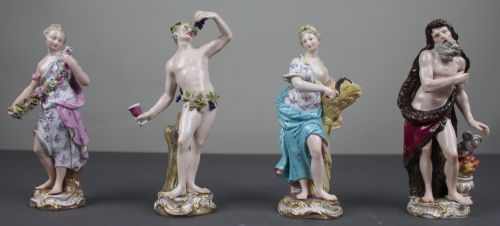
Makers and studios across Europe rendered these pieces in materials ranging from veined Carrara marble to earthenware and parian porcelain. You find subjects such as classical muses, literary heroines, historical figures and domestic animals modelled with distinct regional traditions.
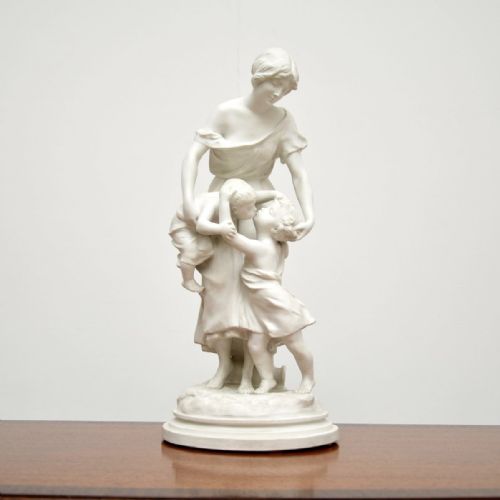
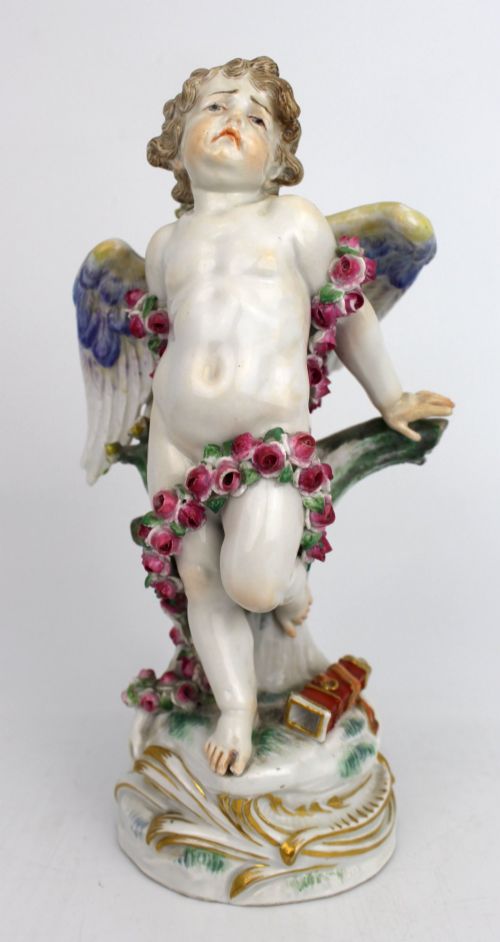
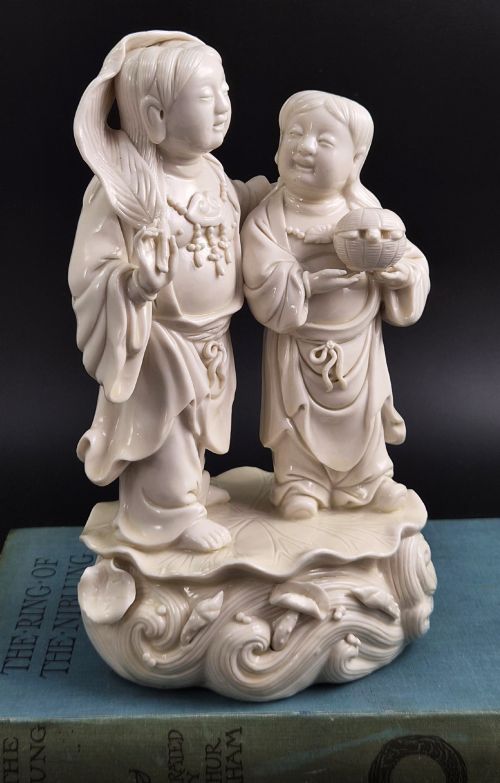
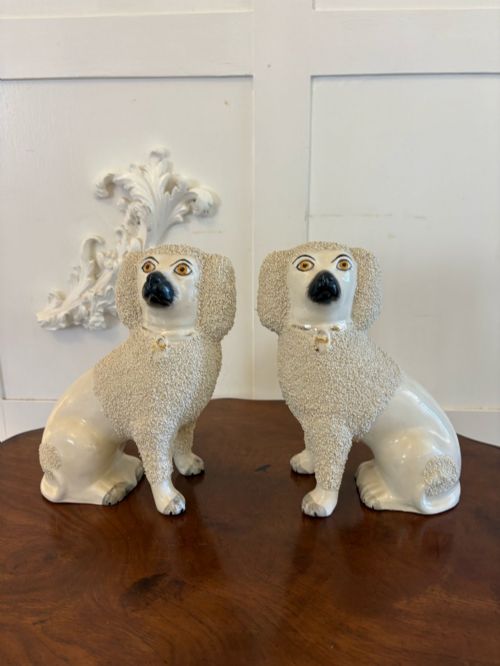
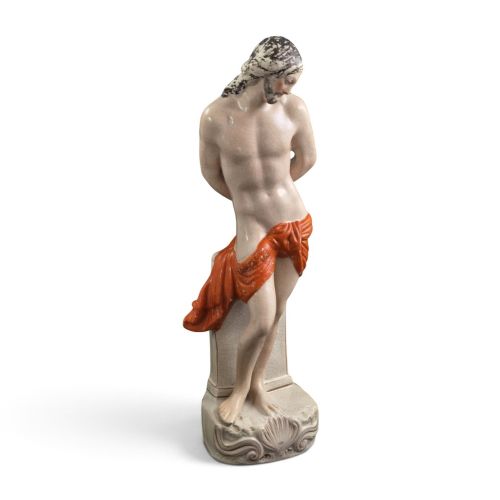
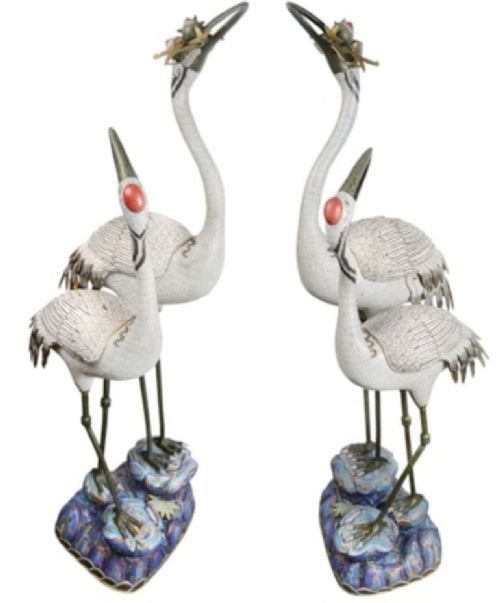
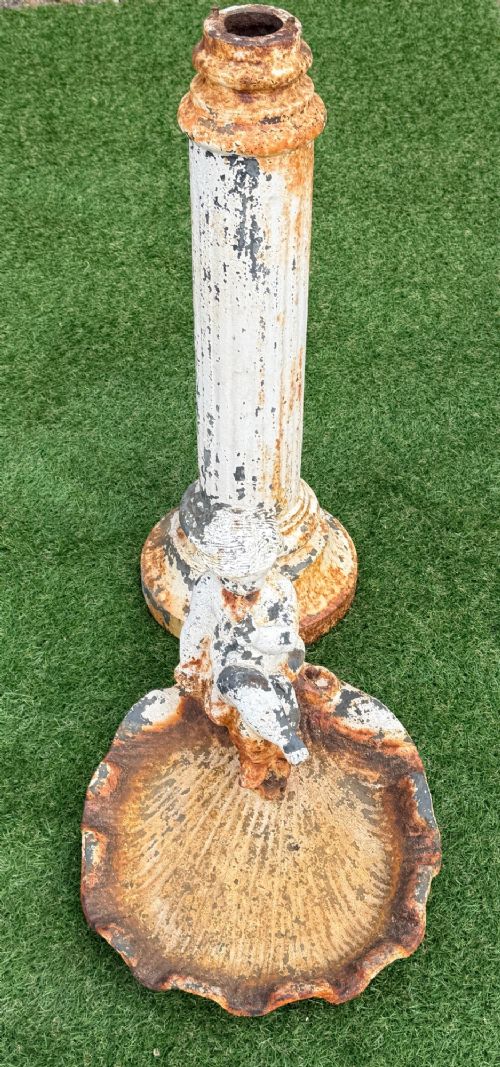
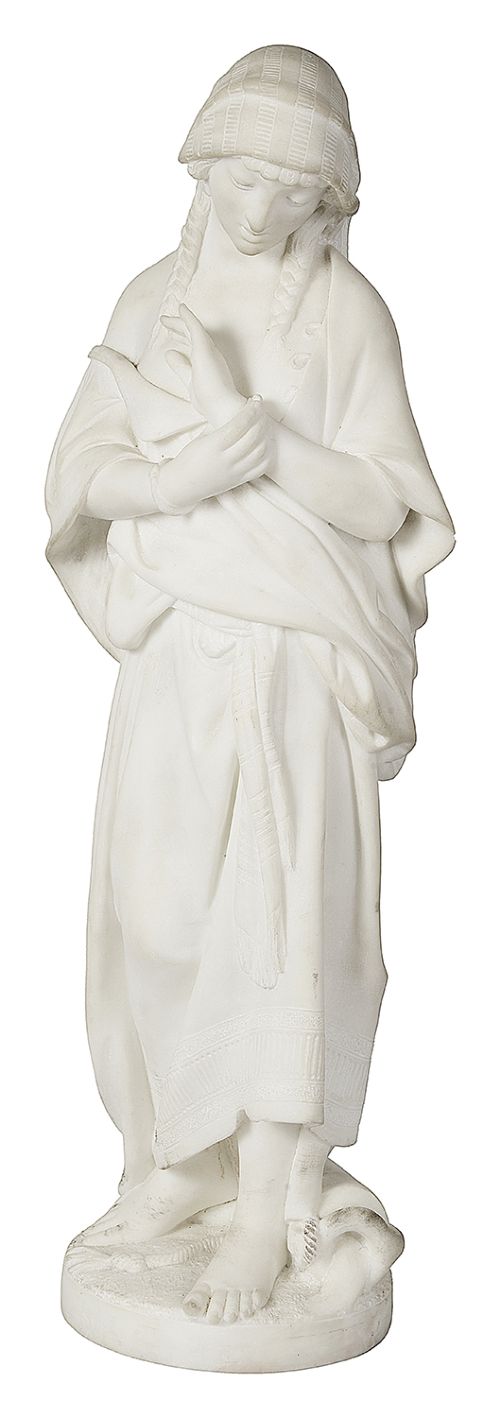
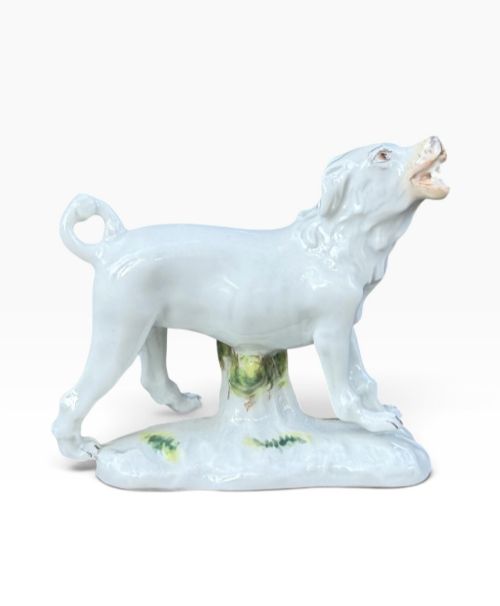
The sculptural forms divide into freestanding figures, relief groups, bird baths and portrait busts designed for interiors or garden settings. Victorian Staffordshire pottery poodles and earthenware figures sit alongside grand Italian carved marble pieces.
Materials and methods
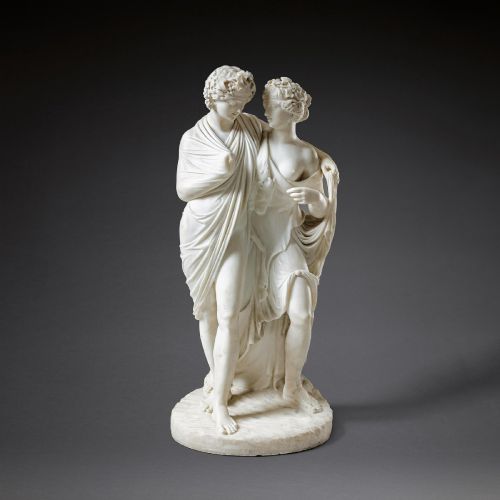
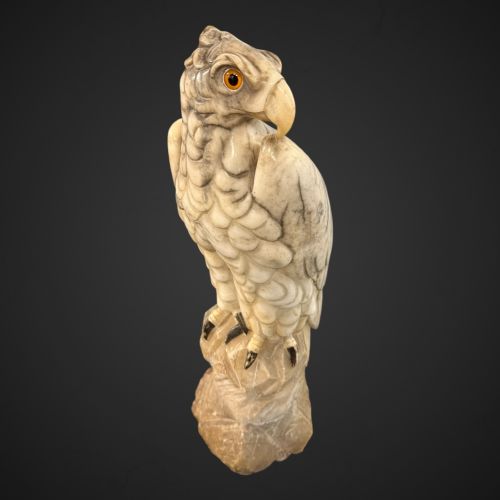
Carved marble pieces utilise solid blocks of Carrara marble or alabaster, shaped with chisels and polished by hand to capture subtle facial expressions and drapery folds. Sculptors working in Italy and Britain followed classical precedents, sometimes signing their finished studies.
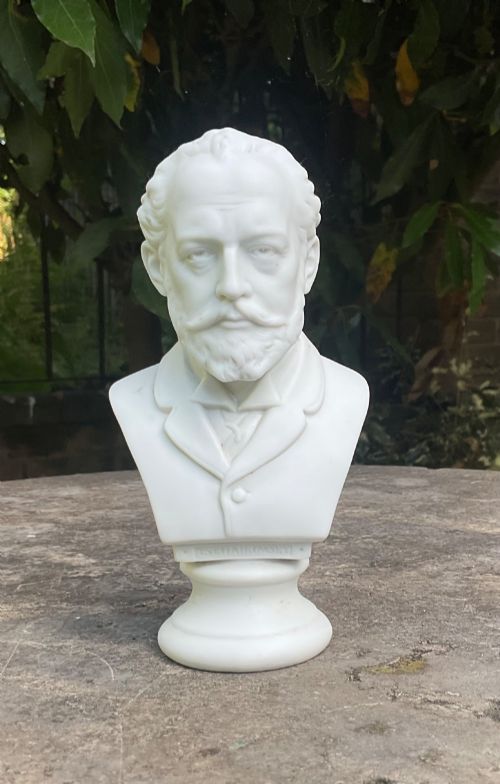
Ceramic works employ porcelain, earthenware and parian ware, cast in moulds and fired in kilns before receiving glazes or remaining in a matte biscuit state. Parian porcelain mimics the texture of carved marble, achieving popularity during the nineteenth century for portrait busts and literary groups.
Listings feature nineteen-century marble, alabaster, parian porcelain, earthenware and cast iron objects from British, French, German and Italian sources.
Distinctions in execution
Quality rests upon the crispness of the carving or the fidelity of the ceramic mould, separating mass production from works of artistic ambition. Finer marble sculptures exhibit deep undercutting in hair and drapery, while superior porcelain figures show precise hand-finished details.
The reputation of the sculptor, ceramic factory or studio influences the standing of a piece, with signed works and documented foundry output commanding greater regard. Materials also dictate distinction, as select veined marble and fine parian bodies surpass standard plaster or earthenware in durability and finish.
Carlo Albacini·Barranti Florence·Meissen·Volkstedt Rudolstadt Factory·Affortunato Gory·Eugene Aizelin·J Francis·Raffaelo Monti
The Antique White Statue Glossary
- Parian ware
- A fine-grained unglazed porcelain developed in the nineteenth century to imitate carved marble. It gained widespread favour for portrait busts and sculptural groups.
- Carrara marble
- A type of white or blue-grey marble quarried in the city of Carrara in Tuscany. Sculptors prized it for its purity and subtle veining.
- Biscuit porcelain
- Unglazed ceramic ware fired once to achieve a matte, porous surface resembling marble. It allows fine surface detail to remain crisp.
- Alabaster
- A fine-grained translucent stone used for carving sculptures and busts. It offers a soft surface texture easily worked with hand tools.
- Neoclassical
- A style of art and architecture drawing upon the classical antiquity of ancient Greece and Rome. It dominates much nineteenth-century sculptural design.
Antique White Statue: Frequently Asked Questions
How do I clean an antique marble statue?
Dust the surface regularly with a soft, dry microfibre cloth to prevent particulate buildup in the carved details. Avoid commercial chemical cleaners or excess water, which can damage unsealed stone or older patinas.
For stubborn marks, consult a professional conservator rather than attempting aggressive scrubbing. Gentle care preserves the historical surface of the marble over time.
Where should I display a heavy stone bust?
Place heavy marble and alabaster sculptures on sturdy wooden furniture or dedicated stone pedestals capable of supporting significant weight. Ensure the surface is level to prevent any risk of tipping or structural strain.
Keep pieces away from direct heat sources and strong sunlight to protect the material from thermal shock and fading. Proper placement highlights the sculptural forms while ensuring safety.
What is the difference between parian and porcelain?
Parian ware is a specific type of unglazed porcelain formulated with a high feldspar content that vitrifies at a lower temperature. This composition creates a dense, matte finish that closely mimics carved marble.
Standard porcelain figures often feature glossy glazes and colourful overglaze enamels. Parian focuses entirely on monochromatic form and texture.
How can I tell a nineteenth-century piece from a later copy?
Examine the base and underside for tool marks, firing cracks, kiln wads, or nineteenth-century registry marks. Older works typically display natural wear patterns and hand-finished details consistent with period workshop practices.
Compare the weight, material composition, and signature style with documented examples from the same era. Consultation with reference books helps confirm period authenticity.