


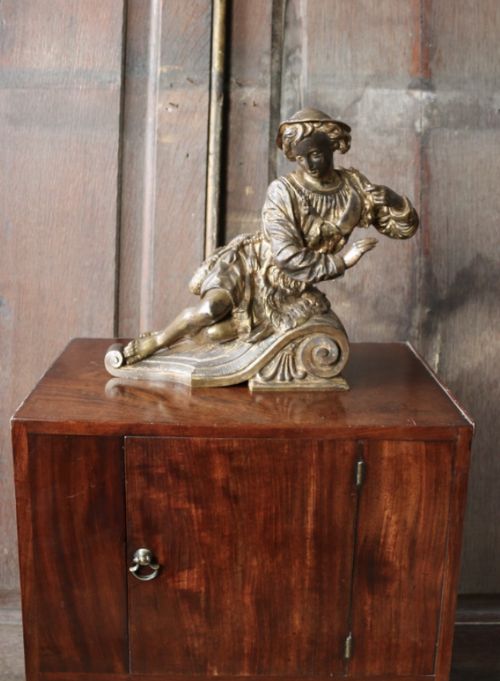


Classical Figural Statues
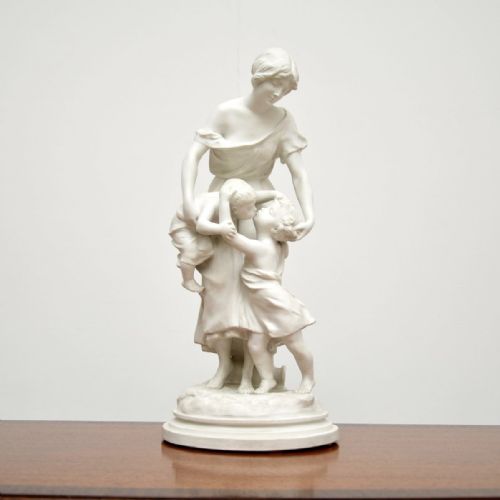
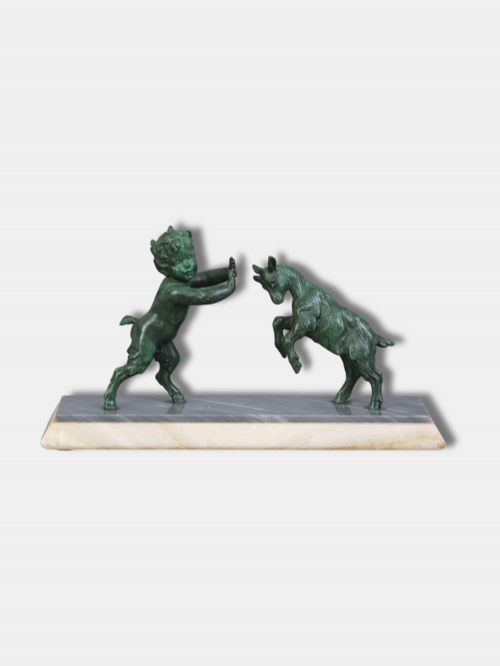
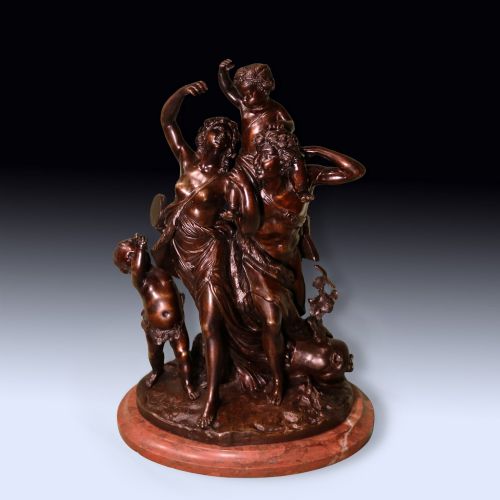
Classical figural statues bring mythological heroes, putti and classical maidens into the room through cast metal and carved stone.
Classical Figural Statues
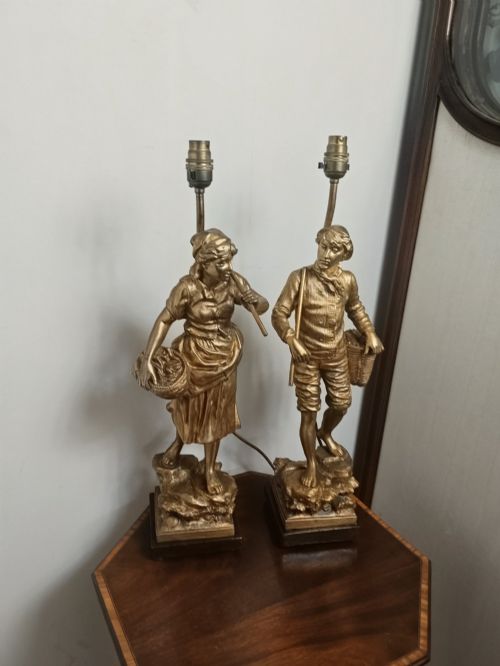
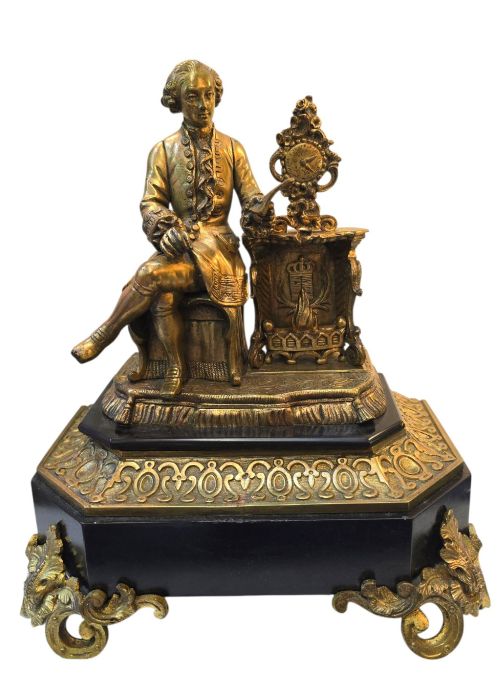
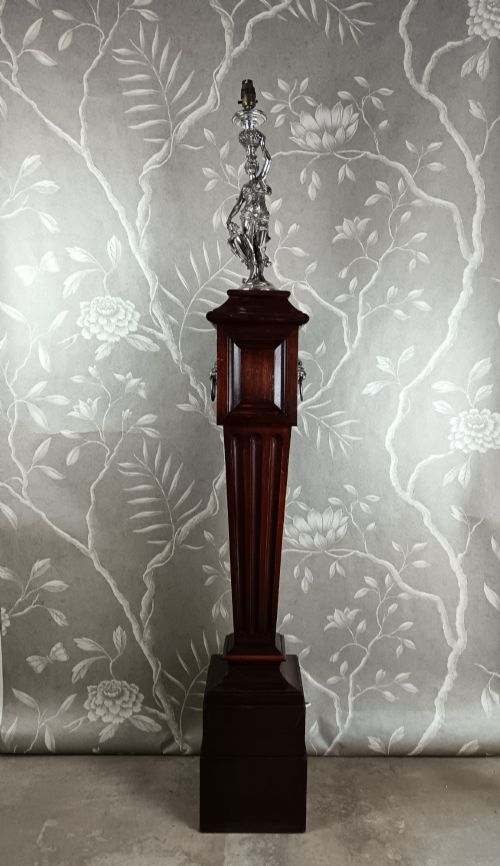
Classical figural statues take the shape of standalone sculptures, mantel clocks, and torcheres created across the nineteenth century and into the early decades of the twentieth. French workshops dominate the selection, producing bronze figures of nymphs, fauns, and allegorical characters alongside functional table lamps and floor lamps.
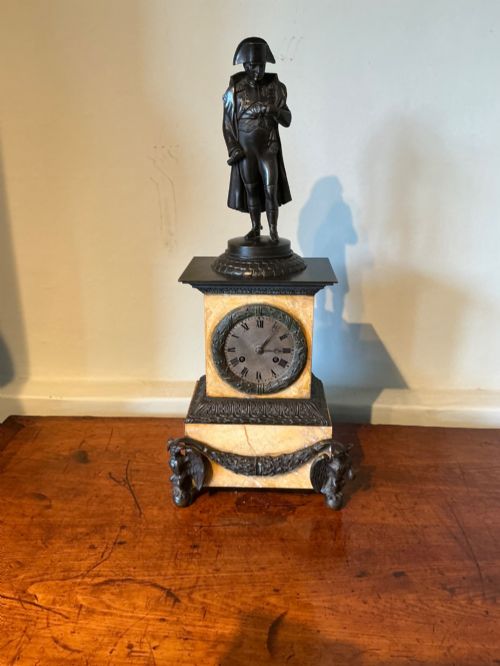
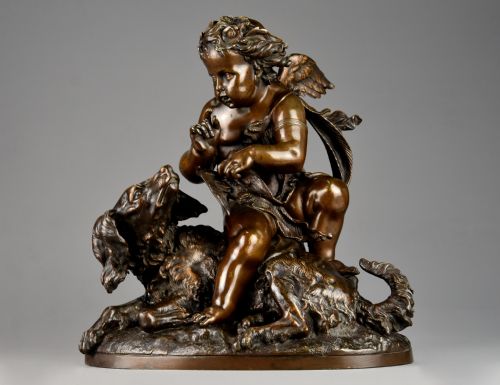
Buyers encounter subjects drawn from classical mythology and literature, from winged putti and bacchic youths to historical figures like Napoleon. These pieces appear in patinated bronze, gilt bronze, marble, and terracotta, reflecting both grand salon ornaments and domestic lighting solutions of the period.
Materials and Technique
Statues cast after classical models often relied on reductions of larger works or were signed directly by established sculptors working in French foundries. Base materials such as white marble, terracotta, and silver-plated metal provide heavy structural support for the figures.
Object forms range from mantel clocks and torcheres to standalone table lamps and terracotta sculptures.
Judging Quality
The crispness of the chase work separates ordinary castings from superior examples, as skilled metalworkers hand-finished the bronze after it left the sand or lost-wax mould. Finer pieces retain subtle skin textures, distinct facial expressions, and deep, even patination rather than flat, uniform surfaces.
Signatures from recorded sculptors or founders add distinction to a statue, showing direct attribution to an artist rather than a generic workshop copy. The weight and integration of associated marble bases or ormolu mounts indicate the original ambition of the piece.
Emile Carlier·Carrier Belleuse·Hector Lemaire·Emile Picault·Humphrey Hopper·Ernst Barrias·Jean-Jules Cambos
The Classical Figural Statues Glossary
- Patination
- The surface coloration and sheen developed on bronze either naturally over time or chemically by the founder. This treatment protects the metal and defines the shadows of the casting.
- Ormolu
- Gilt bronze mounted onto furniture, clocks, or lamps. The technique involves applying a mercury-gilding mixture to brass or bronze.
- Torchere
- A tall stand or floor lamp designed to hold a light source high above the floor. In classical figural works, the figure itself often supports the lighting fixture.
- Putto
- A plump, naked male child figure, frequently winged, appearing often in classical and Renaissance art. These figures populate seventeenth-century and nineteenth-century decorative bronzes alike.
- Lost-wax casting
- A metalcasting process where a molten metal is poured into a mould that has been created by means of a wax model. The wax is melted and drained away to leave the cavity for the metal.
Classical Figural Statues: Frequently Asked Questions
How do I clean a bronze statue?
Dust the surface regularly with a soft, dry brush to prevent dirt accumulation in the crevices of the casting. Avoid using water, soap, or metal polishes, which can strip the original patination.
Apply a very thin coat of microcrystalline wax if the bronze needs protection from atmospheric moisture. Buff it gently with a clean cloth after application to maintain a soft sheen.
What is an ormolu clock set?
An ormolu clock set pairs a central mantel clock with matching side ornaments, such as candelabra or matching urns. These decorative ensembles were placed on drawing room mantelpieces.
The clock mechanism sits within a gilt-bronze or marble housing, often featuring figural sculpture as part of the primary design.
Are these figures solid bronze?
Many nineteenth-century figural sculptures are cast hollow to reduce weight and save metal, though smaller figures and decorative elements may be solid. Foundries used bronze alloys that varied slightly in copper and tin content.
Heavier bases often incorporate slate, marble, or weighted interiors to ensure the tall statues and lamps remain stable.
How do I identify a signed sculpture?
Signatures of the sculptor appear stamped or incised directly into the bronze base during the casting process. These marks usually match the surname of the artist recorded in foundry records.
Foundry stamps or past inventory numbers sometimes accompany the artist signature, pointing to the specific workshop that produced the edition.