


French Porcelain Sculptures
These French porcelain sculptures bring classical busts, pastoral figures and dramatic art deco groups straight into a room with immense presence.
French Porcelain Sculptures
When you search for french porcelain sculptures, you encounter three-dimensional figures, busts, and sculptural groups spanning several centuries of European kiln work. The selection runs from eighteenth-century soft-paste table pieces to nineteenth-century biscuit and parian figures, alongside twentieth-century art deco lamps and ceramic animals.
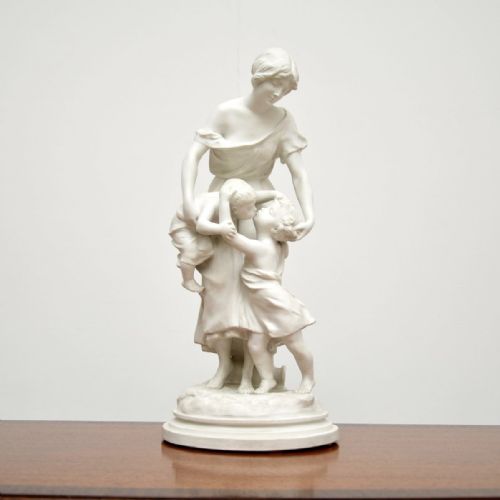
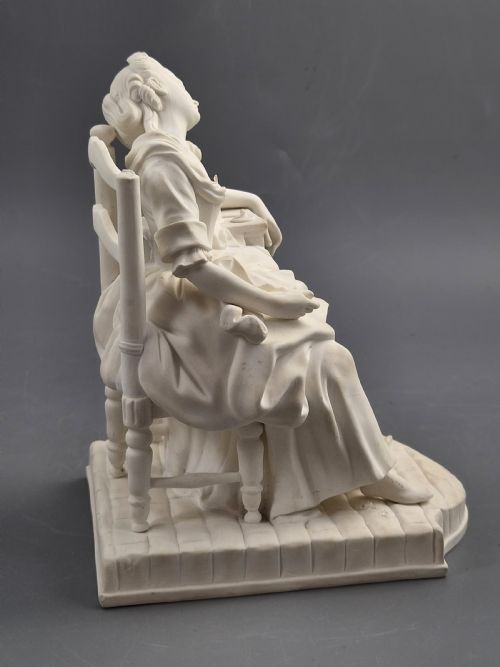
The pieces most frequently met on this page include nineteenth-century bisque and parian figures, often depicting classical subjects, literary characters, or pastoral scenes. Makers such as Vion and Baury and Samson of Paris appear regularly alongside works attributed to factories like Sèvres and Niderviller.
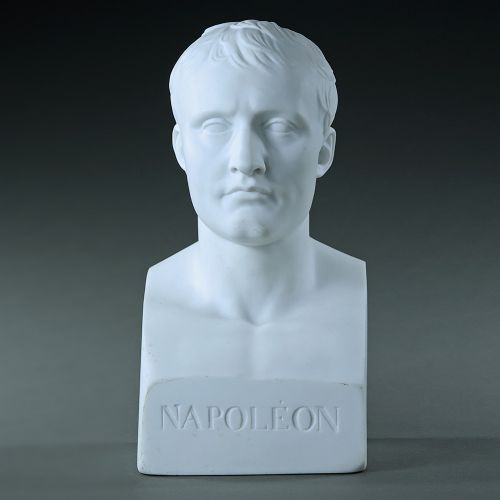
Forms range from intimate mantel figures and towering figural groups to functional items like veilleuses lamps and perfume burners. Collectors encounter everything from neoclassical busts of Napoleon and Marie Antoinette to lively rococo revival figures and stylized art deco pheasants.
How they were made
The physical substance of these works relies heavily on porcelain, biscuit porcelain, and unglazed parian ware, which yields a smooth, matte surface resembling carved marble. Soft-paste porcelain appears in earlier eighteenth-century examples, while later nineteenth-century pieces utilise specialised ceramic bodies fired to achieve crisp detail without surface glaze.
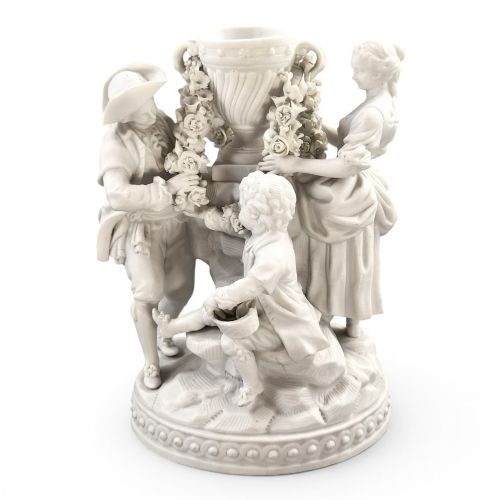
Makers often incorporated applied elements such as delicate floral garlands, enamel painting, and touches of gold leaf to highlight drapery and ornamentation. Ormolu mounts occasionally frame ceramic bodies, particularly in decorative objects and table lamps where metalwork supports the porcelain structure.
Listings feature items spanning the eighteenth, nineteenth, and twentieth centuries, incorporating materials like enamel, gold leaf, and glazed ceramic alongside bisque porcelain.
What varies in quality
The standard of a piece rests primarily on the crispness of the moulding and the sensitivity of the modelling in the clay. Superior examples retain fine facial expressions, sharply defined fingers and drapery folds, and clean removal of mould lines by hand before firing.
Quality also shows in the complexity of the composition and the sophistication of the secondary materials, such as hand-applied floral garlands and rich enamel or gilt decoration. Workshop provenance, whether attributed to established names like Sèvres or Vion and Baury, often marks the distinction between standard commercial output and exceptional sculptural ambition.
Sèvres·Samson·Vion & Baury·Niderviller·Le Manceau·Argilor
The French Porcelain Sculptures Glossary
- Bisque porcelain
- Un-glazed porcelain fired to produce a matte, white surface with a texture similar to marble. This finish became popular in the nineteenth century for classical busts and detailed figural groups.
- Parian porcelain
- A fine-grained, vitrified ceramic material developed in the nineteenth century to imitate white marble. It allows for high levels of detail in portrait busts and sculptural figures.
- Soft-paste porcelain
- An early ceramic composition made from clay and powdered glass fused at lower temperatures than hard paste. It produces a warm, slightly translucent body characteristic of eighteenth-century pieces.
- Biscuit porcelain
- Another term for unglazed ceramic ware that has undergone a single firing before any decoration is applied. It provides a dry, absorbent surface ideal for capturing subtle sculptural contours.
- Ormolu
- Gilded bronze mounts cast and chased to frame or support ceramic bodies. This technique adds structural weight and decorative richness to lamps and figural groups.
French Porcelain Sculptures: Frequently Asked Questions
What is the difference between bisque and parian?
Bisque porcelain refers generally to any unglazed ceramic body that has been fired once to achieve a matte surface. Parian porcelain is a specific nineteenth-century formulation designed specifically to imitate the weight and smooth appearance of carved white marble.
Both materials avoid the glossy finish typical of tableware, but parian often exhibits a slightly higher degree of translucency and vitreous density. Sculptors favoured both surfaces for capturing the fine details of classical busts and nineteenth-century figure groups.
How do I identify a reproduction?
Examination of the clay body, the weight of the piece, and the precision of the modelling helps establish authenticity. Earlier works display the distinctive shrinkage, kiln marks, and hand-finishing characteristic of eighteenth- and nineteenth-century studio practices.
Marks on the base should be checked against known factory stamps, though many genuine decorative figures bear only incised numbers or decorator ciphers rather than formal factory brands.
Where should I display large porcelain sculptures?
Large figural groups and busts require stable, sturdy surfaces away from high-traffic household areas to prevent accidental impact. Consoles, mantelpieces, and dedicated display cabinets offer secure settings that support the considerable weight of nineteenth-century ceramic figures.
Lighting plays a significant role in displaying matte porcelain surfaces. Side lighting emphasises the subtle contours of parian and bisque figures much better than direct overhead illumination.
Can antique perfume lamps still be used?
Art deco perfume lamps and veilleuses were originally designed to diffuse scent over a gentle heat source inside the ceramic body. Modern safety standards and the delicate nature of vintage wiring generally preclude using them with active heat sources today.
Most collectors choose to display these electrical or oil-based sculptural lamps purely as decorative art objects, appreciating the pierced ceramic work and painted details without plugging them in.