





Antique Pastoral Statues
Antique pastoral statues capture rustic scenes in porcelain, bronze, and wood, offering a glimpse into idealised rural life.
Antique Pastoral Statues
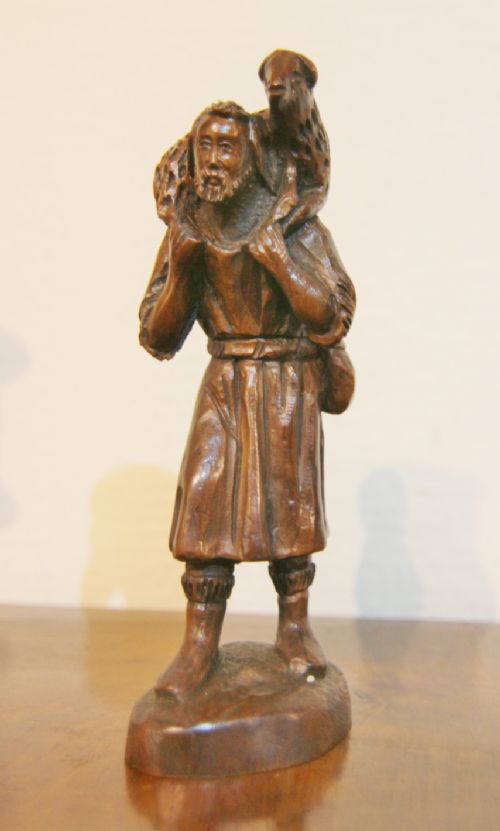
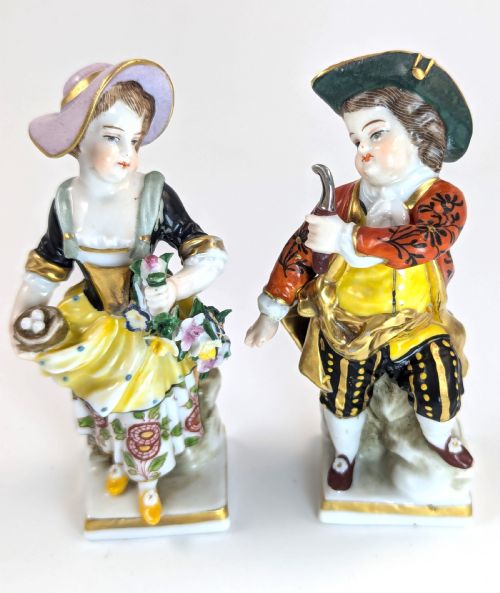
These antique pastoral statues depict shepherds, shepherdesses, farmers, and musicians engaged in rural pursuits, often accompanied by sheep, lambs, or cows. The subjects draw heavily on historical European taste for romanticised country life.
You will most frequently meet porcelain figures and groups originating from 19th-century French and German factories, alongside earlier Georgian pieces. Materials range from glazed porcelain and bisque to cast bronze and carved wood.
The forms span individual figurines, matched pairs, and larger sculptural groups suitable for display on mantelpieces or side tables. Styles vary from Rococo Revival and French Provincial to Art Nouveau and Victorian interpretations.
Materials and Manufacture
Makers utilised fine porcelain, often enriched with hand-applied glaze, enamel, and touches of gold leaf, as seen in many continental figures. Bisque porcelain provided a matt, unglazed finish that closely mimicked carved marble for detailed drapery and facial expressions.
Metalworkers cast bronze sculptures using traditional methods, sometimes applying a silvered finish or pairing the metal with marble bases. Wood carvers shaped solid blocks to create rustic figures with visible grain and tool marks.
Continental potteries from France and Germany dominate the porcelain selections, alongside English factories.
Assessing Quality and Execution
The choice of medium dictates the overall impact, where smooth bisque porcelain allows for intricate detail while cast bronze offers robust definition. Complete pairs and intact original appendages, such as crooks or baskets, elevate a piece.
Derby·Samson·Carl Thieme Dresden·Vion et Baury·Royal Dux·Sitzendorf·Ludwigsburg·Xavier Raphanel
The Antique Pastoral Statues Glossary
- Bisque porcelain
- Unglazed ceramic material fired to a porous, matt finish that resembles marble and highlights sculptural detail. It became popular for portrait busts and decorative figures during the nineteenth century.
- Blanc-de-chine
- White porcelain produced in China and later imitated by European potteries. The term describes items with a smooth, glossy white glaze that allows the contours of the figures to catch the light.
- Rococo revival
- Nineteenth-century design style that revives the asymmetry, scrollwork, and playful motifs of the mid-eighteenth century. It frequently appears in the bases and decorative flourishes of porcelain pastoral groups.
- Gilt
- Application of a thin layer of gold leaf or gold paint to the surface of porcelain or metal. It highlights borders, garments, and accessories on decorative figures.
Antique Pastoral Statues: Frequently Asked Questions
How were these statues displayed?
Owners typically placed these figures on mantelpieces, sideboards, or dedicated display cabinets in drawing rooms. Pairs were often arranged symmetrically to anchor a decorative scheme.
Larger sculptural groups acted as focal points within a room. Their modest scale allowed them to integrate easily into various domestic settings.
How do I date porcelain figures?
Dating relies on factory marks, style characteristics, and the handling of the ceramic body. Earlier Georgian pieces often show softer paste bodies and simpler hand-painted palettes.
Nineteenth-century reproductions and adaptations frequently bear factory stamps or style names. Examining the base and the firing supports helps confirm the period of manufacture.
What subjects are most common?
Shepherds and shepherdesses accompanied by sheep or lambs form the core of this category. Figures engaged in harvesting fruit, tending gardens, or playing musical instruments also appear frequently.
Children and milkmaids interacting with farm animals represent another standard theme. These motifs reflect a long-standing fascination with rural simplicity.