






Antique Shepherd Figurines
Antique shepherd figurines capture pastoral charm through porcelain, bronze and carved wood, offering collectors a touch of rustic history for the home.
Antique Shepherd Figurines
When you search for antique shepherd figurines, you encounter pastoral sculptures and statuettes depicting herdsmen, shepherdesses, and rural animals. These pieces draw on eighteenth-century European ceramic traditions and later nineteenth-century interpretations.
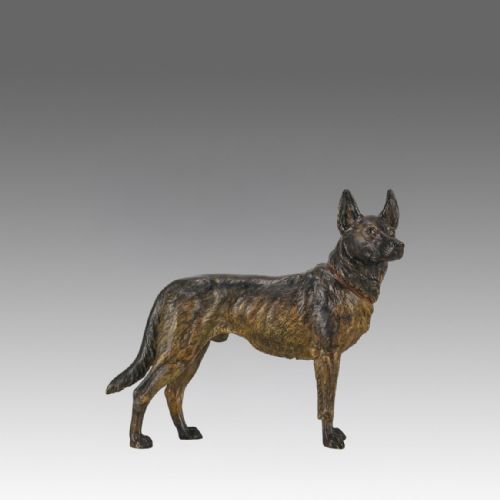
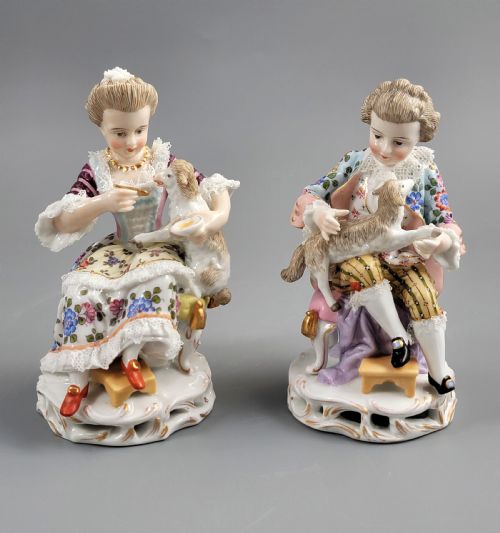
The selections span delicate porcelain groups from Derby, Sitzendorf, and Royal Dux alongside cold-painted bronze and carved wood examples. Continental and English factories dominate the ceramic offerings, whilst animalier bronzes provide alternate interpretations of the theme.
How they were made
Ceramic shepherd figures utilise soft-paste or hard-paste porcelain, shaped in moulds and hand-painted with enamels and gilding. Biscuit porcelain provides a matte, unglazed finish that highlights sculptural detail.
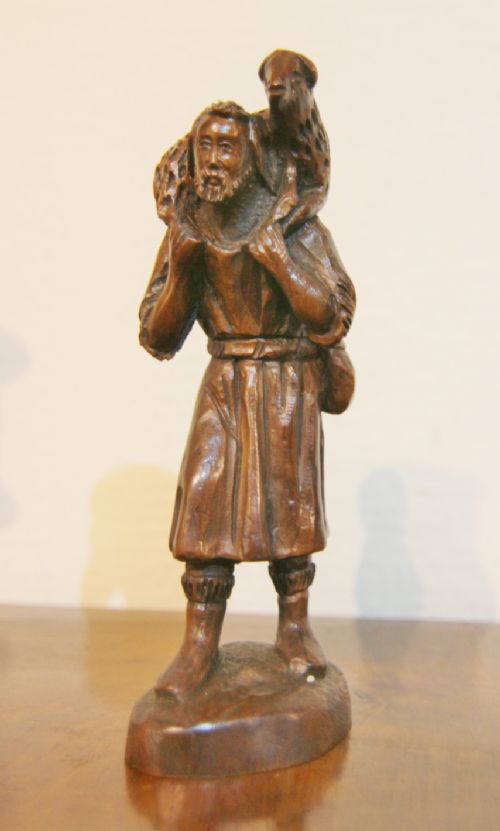
Metal figures employ bronze casting techniques, including cold-painting and silvering, to achieve varied surface textures. Wood carvings rely on hand-chiselling to define the rustic forms of the subject.
Several shepherds share their pastoral scenes with attentive lambs and geese that clearly refused to stay behind the flock.
What varies in quality
The finesse of the modelling separates superior figures from standard production pieces, particularly in facial expressions and drapery folds. Finer porcelain items exhibit delicate, hand-applied floral elements and precise enamel work rather than flat, stencilled decoration.
Casting crispness defines metal sculptures, where sharp chisel work and well-preserved cold-painted surfaces indicate high workshop standards. The depth of the hand-carved detail determines the merit of wooden sculptures.
Franz Bergman·Bloor Derby·Edward and John Barnard·Louis Riche·Sitzendorf·Vion and Baury·Royal Dux
The Antique Shepherd Figurines Glossary
- Biscuits
- Unglazed porcelain fired once to produce a matte, white surface resembling marble. This finish allows sculptural details to remain crisp.
- Cold-painted bronze
- Bronze objects painted with oil-based paints after casting, rather than firing the pigment on. This technique requires careful handling to preserve the finish.
- Patch period
- An early phase in English porcelain manufacture marked by distinct small square marks on the base left by kiln props. These marks help date eighteenth-century pieces.
- Animalier
- A nineteenth-century artistic focus on the realistic portrayal of animals. Sculptors in this style studied anatomy closely.
- Rococo Revival
- A nineteenth-century design style emulating the elaborate, asymmetric curves of the mid-eighteenth century. It frequently appears on Continental porcelain bases and scrollwork.
Antique Shepherd Figurines: Frequently Asked Questions
How do I date an antique porcelain shepherd figure?
Examine the base for factory marks, paste consistency, and kiln support scars. Eighteenth-century pieces often display hand-painted blue anchors or patch marks, whereas nineteenth-century works use impressed numbers and printed stamps.
Compare the modelling style and enamel palette with known factory production dates. Continental factories like Sitzendorf and Royal Dux utilised specific stamps during the late nineteenth and early twentieth centuries.
Where should I display these figures in my home?
Place ceramic figurines in glass cabinets or enclosed shelves to protect delicate hand-modelled elements like flowers and staffs from accidental damage. Ensure they stay out of direct sunlight to prevent enamel fading.
Bronze and carved wooden figures tolerate open display surfaces such as mantelpieces or side tables better than ceramics. Keep all pieces away from direct heat sources to protect adhesives and painted finishes.
Are these figures fragile?
Ceramic and porcelain shepherd figurines are delicate due to projecting limbs, thin staffs, and applied floral decorations. Handle them with clean hands, supporting the base rather than protruding parts.
Bronze and wood alternatives offer greater structural resilience during handling. Even so, cold-painted metal surfaces require gentle treatment to avoid scratching or paint loss.