


Victorian Bird Mount
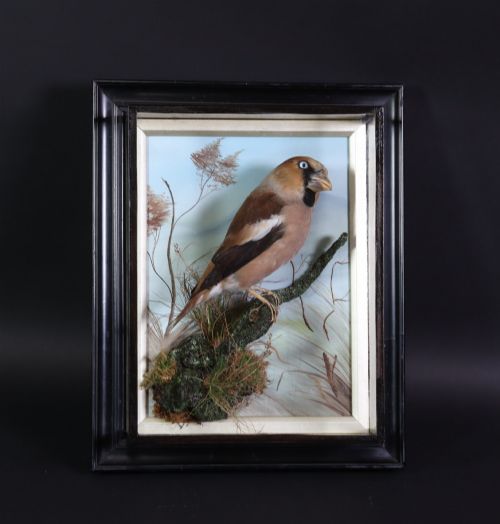
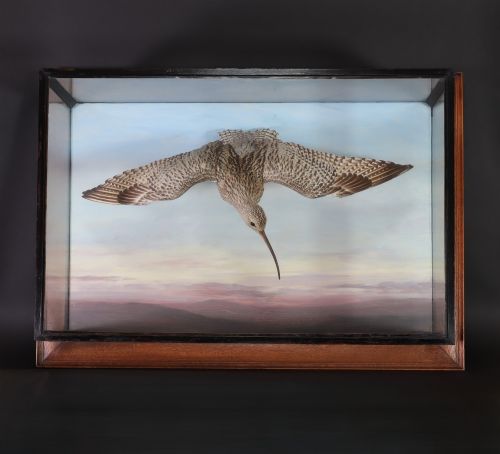
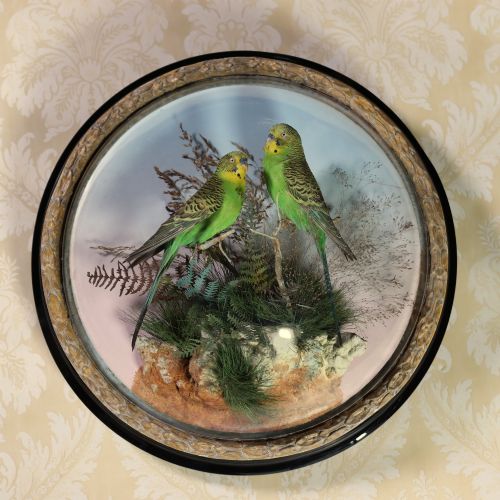
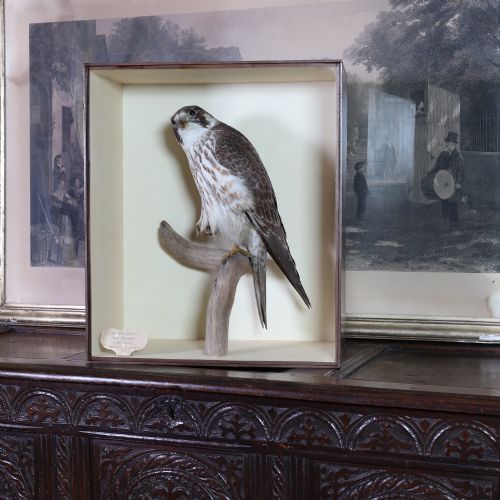
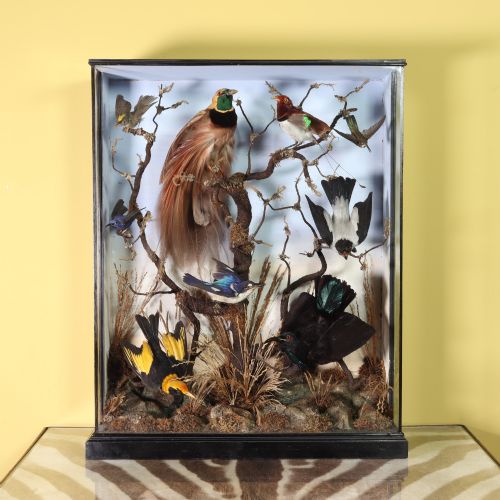
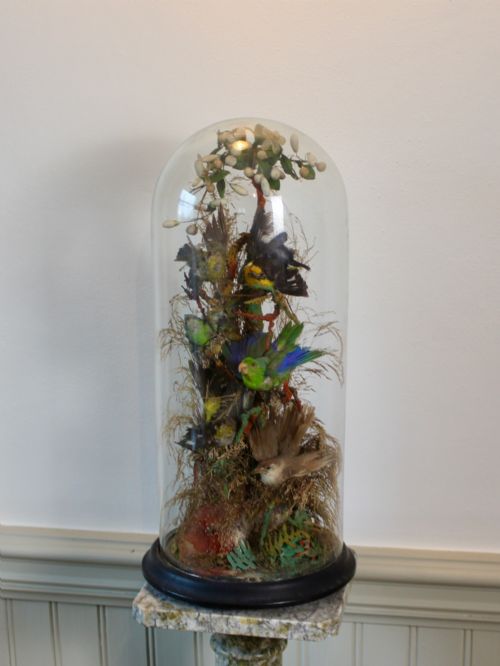
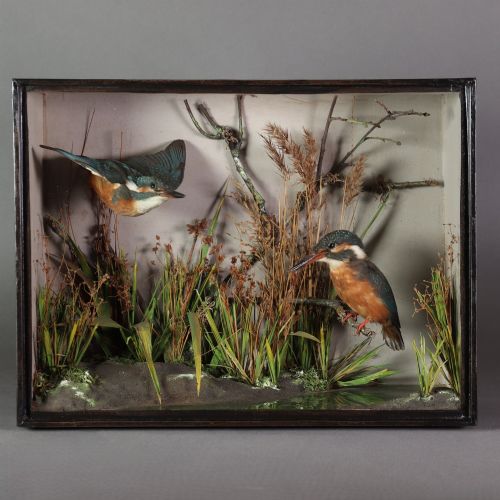
These preserved avian specimens are a Victorian bird mount, capturing nineteenth-century natural history through taxidermy, framed prints, and watercolours.
Victorian Bird Mount
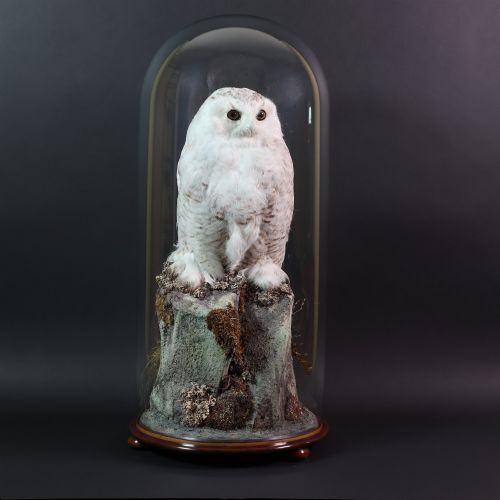
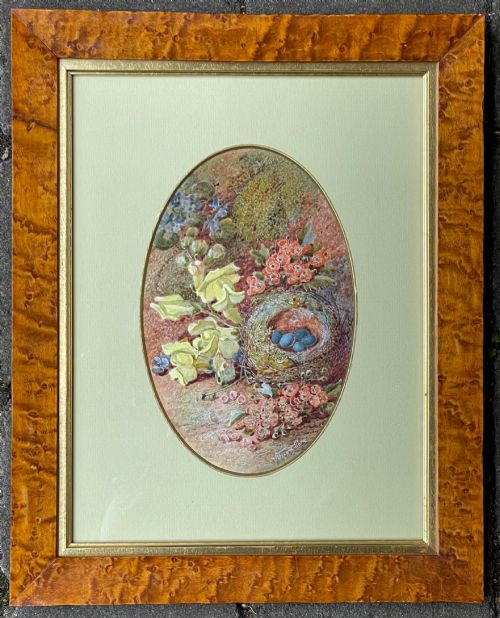
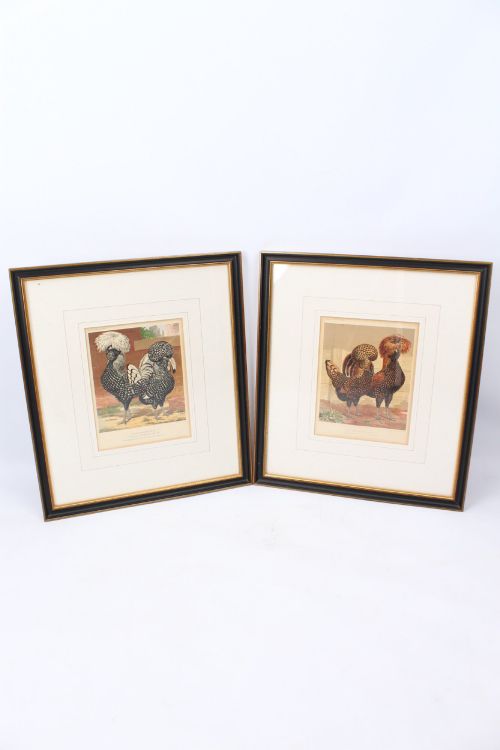
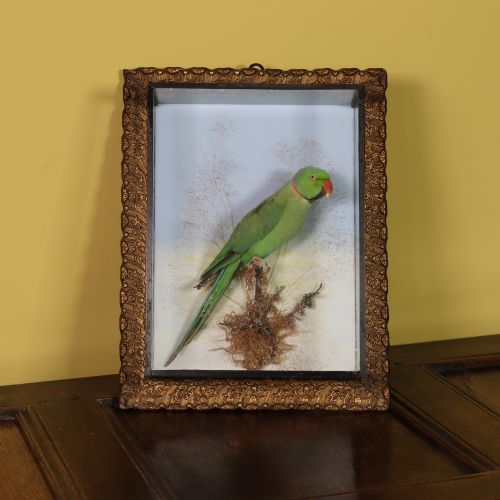
A victorian bird mount encompasses preserved avian taxidermy specimens along with period watercolours, engravings, and lithographs depicting bird life. Buyers encounter cased displays, glass domes, and framed wall art originating from the nineteenth and early twentieth centuries.
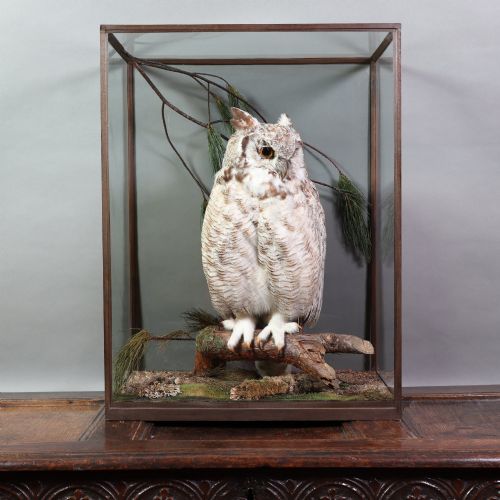
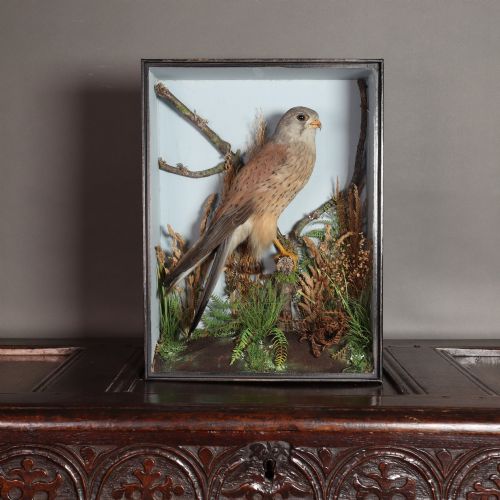
Taxidermy specimens on this page range from single birds like owls, kestrel, and herons to composed groupings of colourful exotic species and British wildlife. The selections frequently include named makers from the period, alongside prints by notable natural history illustrators.
Materials and construction
Taxidermists utilised preserved skins mounted over anatomical forms, arranging birds alongside painted backdrops, moss, and foliage inside wooden cases or glass domes. Makers secured frames using timber such as oak and burr maple, often incorporating gold leaf details and paper mounts.
Printed works rely on paper, hand-coloured lithography, engraving plates, and watercolour pigments. Framing protected these delicate works behind glass, sometimes utilising ebonised wood or deep giltwood mouldings.
Victorian Bird Mount Retail Price Guide 2026
Typical asking prices for victorian bird mount among the pieces listed under this phrase on Sellingantiques today, from the lower quarter to the upper quarter. They describe what is for sale here now, not the wider market.
Listings feature items spanning the Victorian era through to the Edwardian period, incorporating taxidermy, prints, and watercolours.
Judging quality in specimens and art
Quality rests upon the preservation condition of the feathers and the naturalism of the taxidermist's posture. Skilled practitioners captured lifelike anatomical proportions and alert expressions, whereas lesser examples appear stiff or suffer plumage degradation.
In framed works, the vibrancy of hand-colouring and the clarity of the engraving or watercolour define the standard. Original period framing, particularly signed maker cases or specialist gilt mounts, elevates the piece.
J Griffiths of Burford·Rowland Ward Ltd·T. E. Gunn·William Bazeley & Sons·A Pollard·James Gardner·W.F. Homer London·William Swainson·Edward Lear·Harry Bright
The Victorian Bird Mount Glossary
- Taxidermy Dome
- A glass bell jar set upon a wooden base protecting a delicate avian display from dust and handling. These enclosures preserved three-dimensional scenes under transparent glass.
- Lithograph
- A print produced from a stone or metal plate, frequently hand-coloured to illustrate bird species for collectors. These plates formed standard components of nineteenth-century ornithological volumes.
- Burr Maple
- A figured timber variety showing knotty swirling patterns, utilised for decorative frames and small cabinet work. The grain supplied a rich texture highly prized by Victorian craftsmen.
- Giltwood
- Wood carved and coated with gold leaf or metallic powder to create a bright decorative surface. It often appeared on deep picture frames enclosing watercolours and prints.
Victorian Bird Mount: Frequently Asked Questions
Where should I place framed bird prints?
Hang watercolours, engravings, and lithographs away from direct sunlight to prevent the paper and hand-applied pigments from fading. Stable room temperatures protect the original framing materials.
Keep pieces clear of damp walls and direct heat sources to preserve the paper and wooden mouldings over time.
How are different periods identified?
Examine the framing styles, taxidermy mounting techniques, and accompanying paper labels or maker signatures. Late nineteenth-century examples often feature specific taxidermist stamps or trade cards pasted inside the case.
Materials such as ebonised wood and specific glass dome weights offer further clues to the decade of manufacture.
Can I mix taxidermy with modern interiors?
Natural history specimens integrate well into contemporary spaces when displayed alongside books, ceramics, and botanical elements. Grouping framed prints with cased taxidermy creates a balanced gallery wall effect.
Allow enough surrounding wall space for each piece to stand out without overcrowding the display area.