
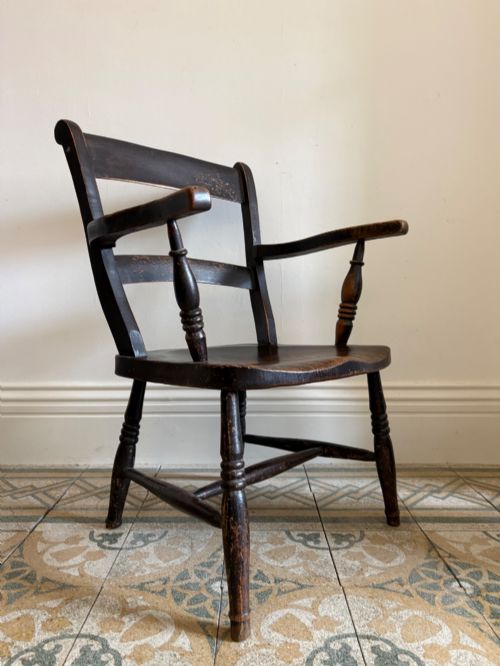


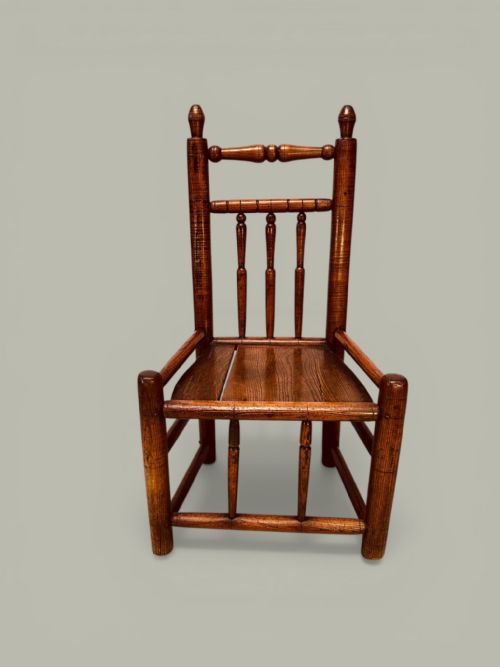


Vernacular Ash Chair
Vernacular ash chair forms offer honest rural craftsmanship, built by local hands to serve everyday domestic life across centuries.
Vernacular Ash Chair
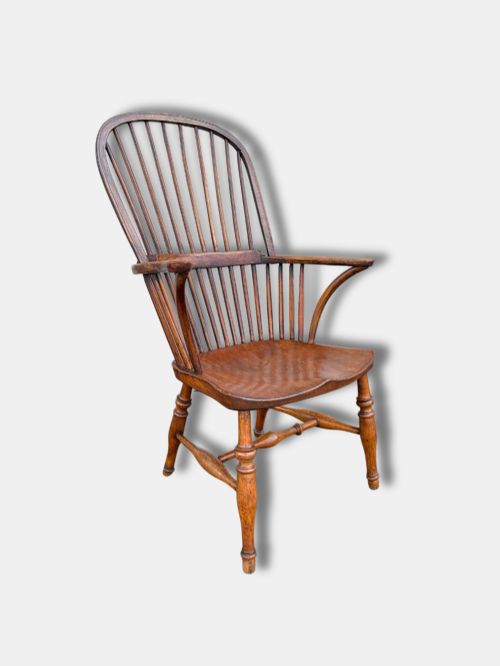
A vernacular ash chair is a practical piece of rural seating, shaped by regional tradition rather than metropolitan fashion. When you search for this phrase, you encounter heavy-duty seating designed for farms, cottages, and country houses.
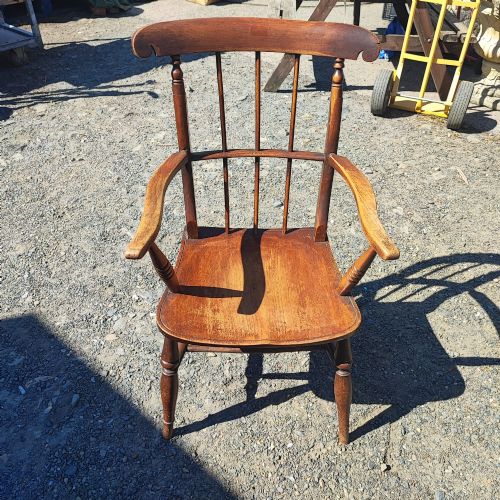
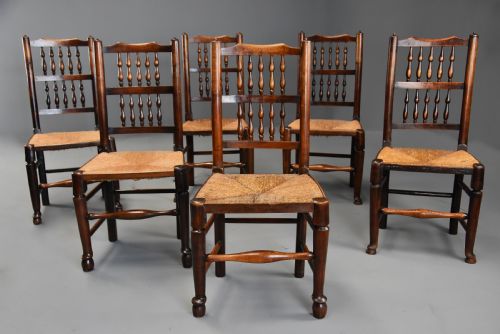
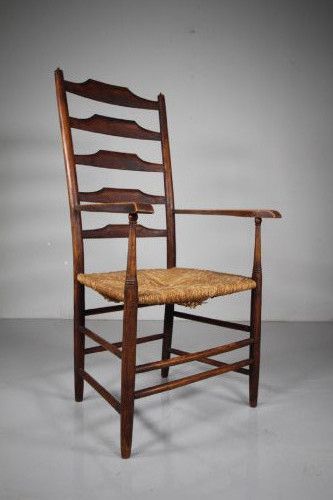
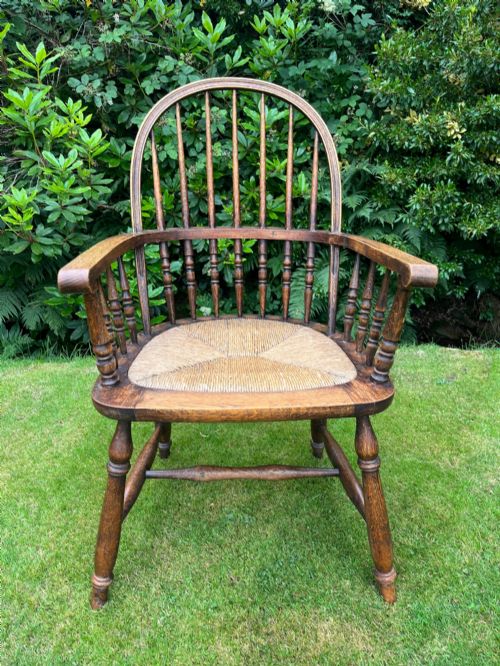
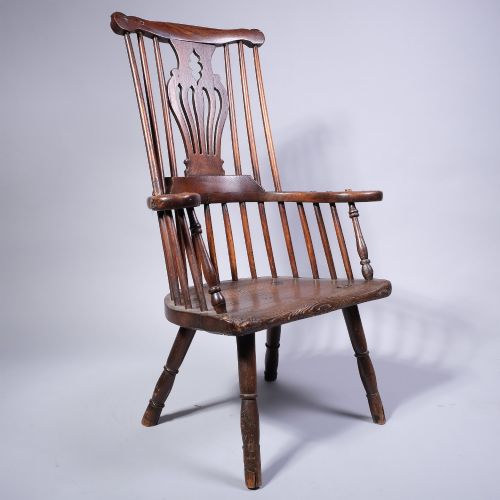
The pieces on this page span the eighteenth, nineteenth, and early twentieth centuries, encompassing styles from English country to primitive vernacular. You meet armchairs, Windsor chairs, ladder backs, and childs chairs.
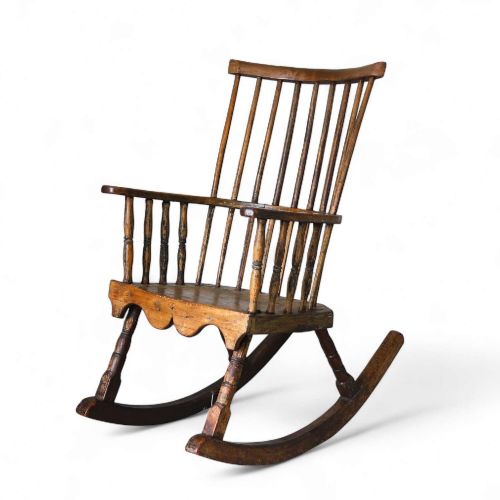
Makers utilised local timbers for immediate utility, resulting in sturdy armchairs, sets of dining chairs, and low stick backs. These seats carry the marks of regional British workshops and country life.
Evaluating Quality
Quality rests in the harmony of proportion and the integrity of the timber selection. A well-balanced frame retains its original components without heavy replacement of turned spindles or legs.
The depth of the patina and the wear on the wooden seat indicate the age and intensity of use. Pieces retaining original paint layers or untouched rush seating hold distinct character.
Listings feature ash and elm alongside sycamore, alder, and fruitwood across the eighteenth and nineteenth centuries.
Philip Clissett·Duncan McKellar of Fenwick·Fred Walker Rockley
The Vernacular Ash Chair Glossary
- Comb-back
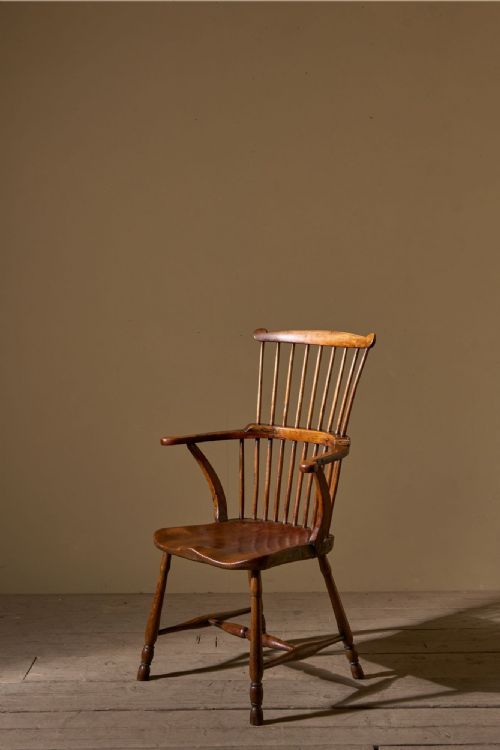
- A Windsor chair variation where the vertical spindles extend through a high headpiece resembling a traditional hair comb. This style offers robust upper back support.
- Stick-back
- A chair construction method where turned wooden sticks or spindles are tenoned straight into the seat. It represents a straightforward approach to rural seating.
- Turners chair
- An early form constructed entirely from heavy turned posts and rails, often associated with seventeenth-century production. They require significant skill on the lathe.
- Rush seat
- A seating surface woven from dried marsh rushes or straw twisted into cords. It provides a resilient, traditional base for ladder-back and country chairs.
Vernacular Ash Chair: Frequently Asked Questions
What is a vernacular ash chair?
A vernacular ash chair is a regional country seat made by local wheelwrights and joiners for everyday use rather than high-style urban drawing rooms. These chairs prioritise utility and structural honesty over decorative ornament.
They utilise native timbers like ash and elm, resulting in sturdy stick backs, Windsor forms, and ladder backs built to withstand generations of domestic service.
How do I date a country ash chair?
Dating relies on examining construction techniques, tool marks, wood shrinkage, and the style of the turning on the legs and spindles. Earlier pieces from the seventeenth and eighteenth centuries often display heavier turnings and simpler jointing.
Nineteenth-century examples introduce steam-bent components and finer spindles. Comparing the form to regional patterns helps narrow the period of origin.
How were these chairs used historically?
These pieces served as everyday seating around farmhouse tables, hearths, and kitchen spaces. Their robust construction suited heavy physical labour and constant daily movement.
Smaller childs chairs and high chairs accommodated the youngest family members. Rocking versions provided comfort for resting after long work days.
How do I care for ash and elm furniture?
Care involves maintaining stable indoor humidity to prevent the timber from drying out or splitting. Avoid placing the chairs near direct heat sources or strong sunlight.
Gentle dusting with a dry cloth preserves the historic surface. Natural wax can be applied sparingly to nourish dry wood without altering the patina.