
Ash Country Armchair
When you search for an ash country armchair, you meet robust vernacular seating forged by regional craftsmen from native hardwoods.
Ash Country Armchair
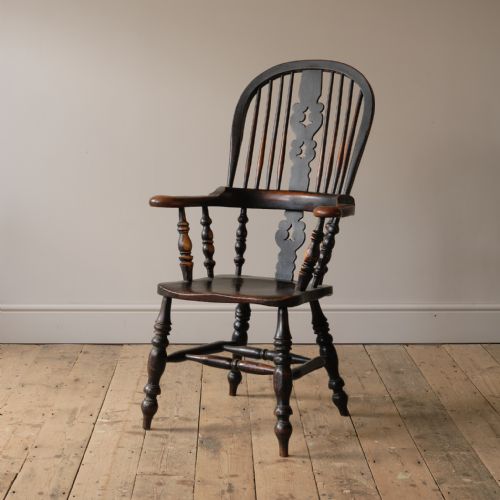
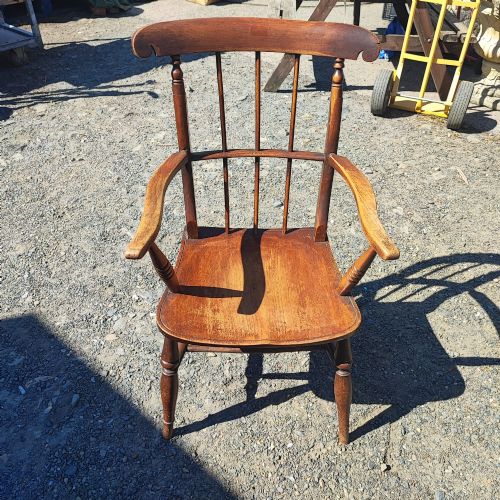
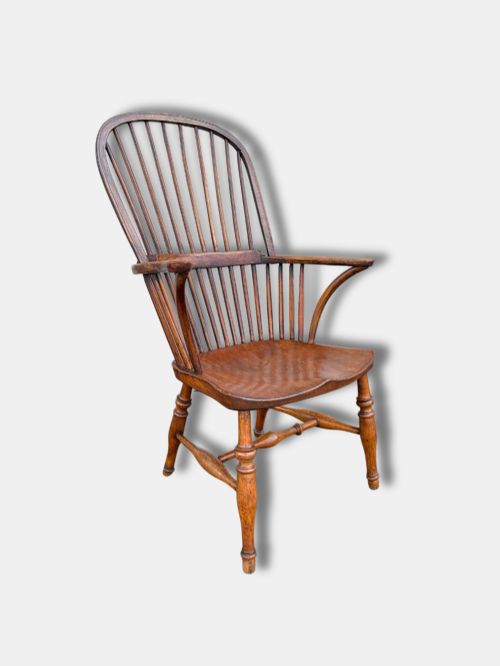
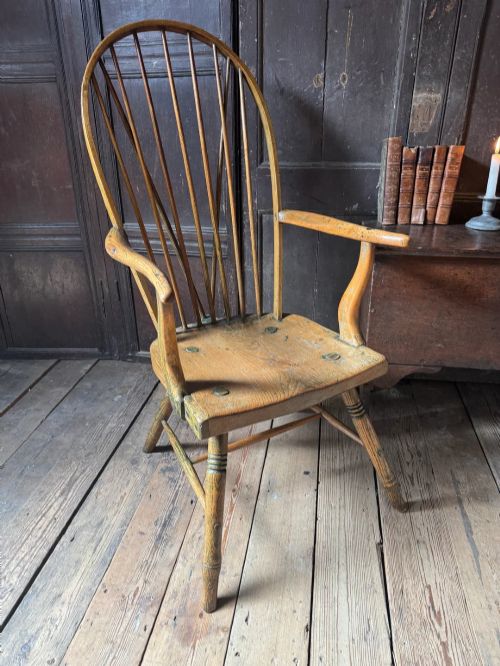
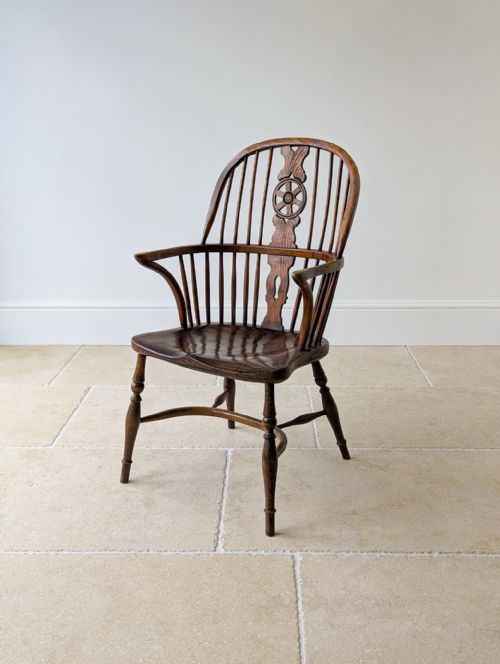
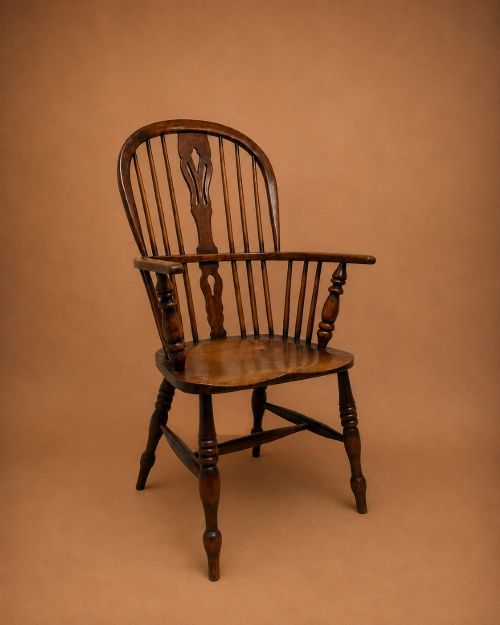
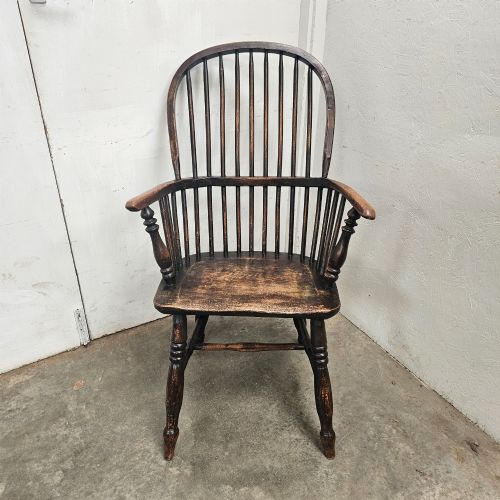
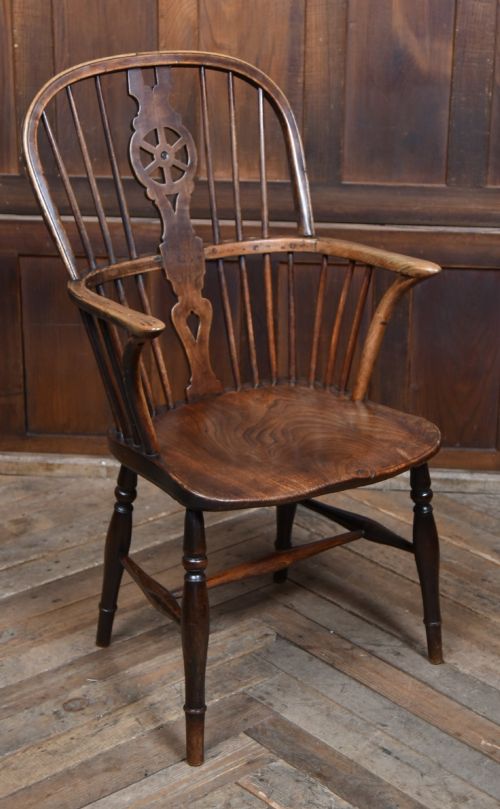
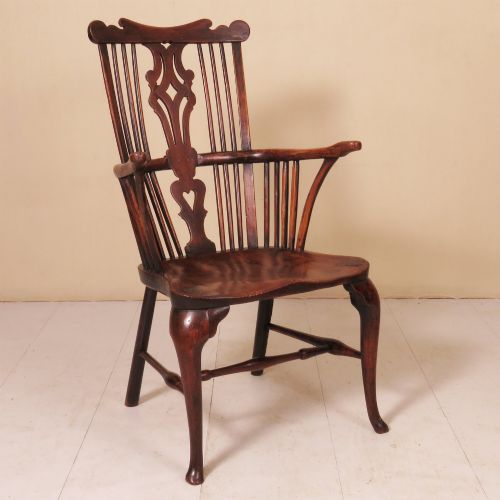
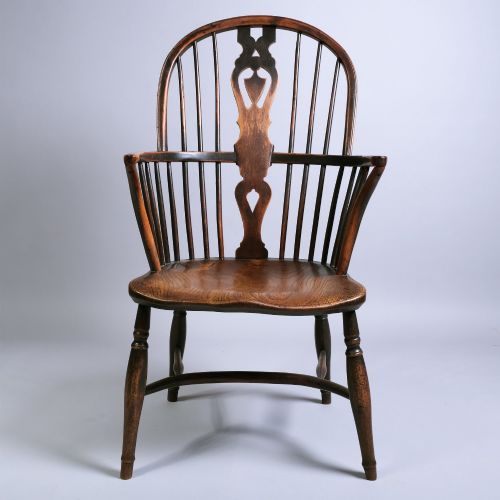
An ash country armchair encompasses vernacular seating forms designed for utility and comfort in domestic interiors, most frequently taking the shape of Windsor chairs or ladder-backs. These pieces emerge primarily from the eighteenth and nineteenth centuries, spanning Georgian, Regency and Victorian eras.
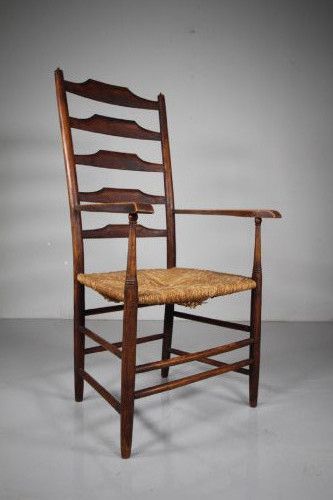
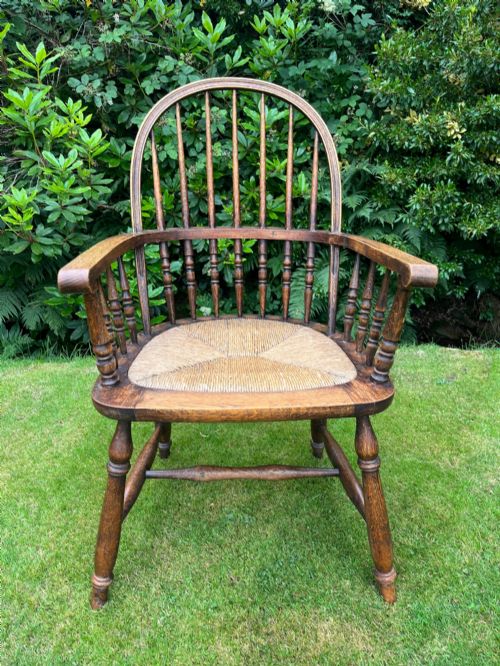
The versions most commonly met on this page combine ash frameworks with elm seats, though variations incorporating beech, oak, or rush seating appear regularly. Regional traditions heavily influence their construction, ranging from West Country stick-backs to Lancashire rush-seated ladder-backs.
How They Were Made
Maker's workshops utilised green wood techniques, turning flexible ash for spindles and steam-bending bowed crests while carving solid elm into generous saddle seats. Spindles and legs fit directly into bored holes using wedge-secured tenons, creating rigid joints without metal fasteners.
Surface finishes range from natural waxed grain to ebonised treatments or early painted coatings, preserving the underlying timber while adapting to changing domestic fashions.
Ash Country Armchair Retail Price Guide 2026
Typical asking prices for ash country armchair among the pieces listed under this phrase on Sellingantiques today, from the lower quarter to the upper quarter. They describe what is for sale here now, not the wider market.
Listings feature eighteenth and nineteenth-century examples, predominantly constructed from ash and elm with occasional rush or beech additions.
What Varies in Quality
The distinction between standard utility seating and exceptional examples lies in the grace of the turning, the depth of the sculpted elm seat, and the preservation of original surfaces. Master craftsmen balanced structural heft with refined proportions, whereas lesser workshop output relied on heavier, coarser spindles and unshaped planks.
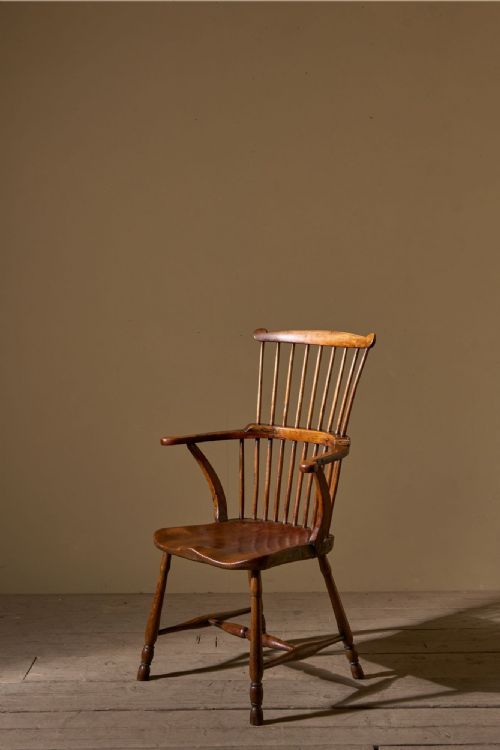
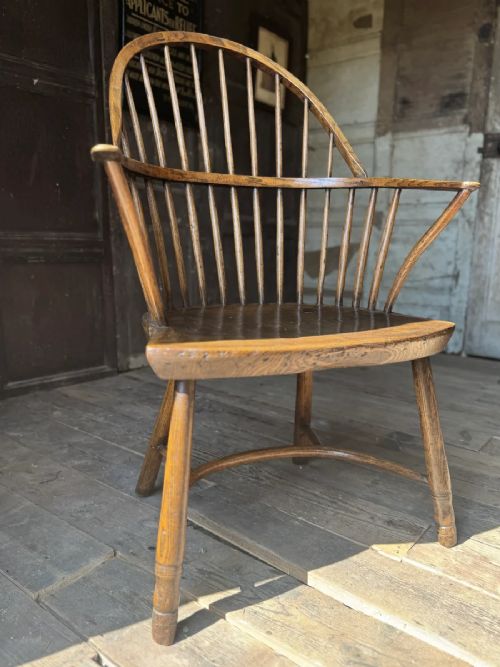
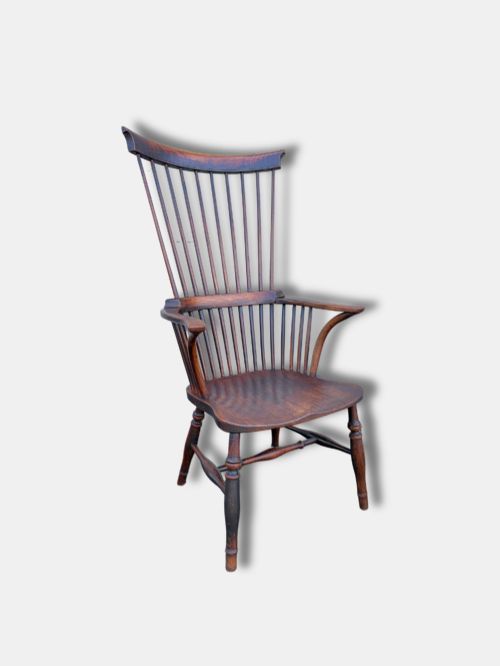
Proportion and stance dictate visual appeal, with well-balanced armrests, harmonious hoop or comb heights, and intact stretcher arrangements separating fine regional archetypes from mundane regional furniture.
Philip Clissett·Duncan McKellar
The Ash Country Armchair Glossary
- Windsor chair
- A chair built with a solid wooden seat into which the legs, back and arms are separately inserted. This structural method eliminates traditional post-and-rail framing.
- Comb-back
- A Windsor chair variation where the tall back resembles the teeth of a comb, featuring an upper horizontal headpiece supported by vertical spindles.
- Crinoline stretcher
- An arched or bowed stretcher connecting the legs of a chair below the seat, frequently found on eighteenth-century West Country Windsors.
- Ladder-back
- A chair back constructed from horizontal slats or rails set between two vertical rear posts, often paired with woven rush seating.
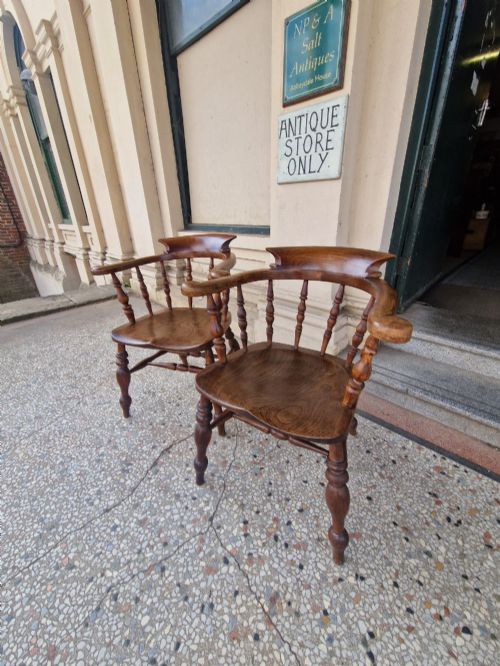
- Smokers bow
- A low-backed armchair featuring a continuous curved arm rail supported by turned spindles, popular during the mid nineteenth century.
Ash Country Armchair: Frequently Asked Questions
What is an ash country armchair?
An ash country armchair is a traditional wooden seat produced by regional carpenters using local hardwoods, combining functional durability with vernacular design.
These pieces typically feature turned ash spindles or ladders paired with sculpted elm seats, reflecting distinct local building traditions across rural Britain.
How do I date an ash country armchair?
Dating relies on examining the construction methods, tool marks, timber selection, and overall stylistic evolution from eighteenth-century George III forms to later Victorian variations.
Early examples often display wider saddle seats, distinct green-wood turning profiles, and crinoline stretchers, whereas later nineteenth-century pieces adopt steam-bent components and factory-assisted production techniques.
Where were these armchairs made?
Regional workshops across England produced these armchairs, with specific districts developing identifiable structural characteristics.
Lancashire, Cheshire, the Thames Valley, and the West Country each favoured particular combinations of timbers, back designs, and leg configurations.
How do I live with an antique country chair?
Living with these chairs involves placing them in stable atmospheric conditions away from direct heat sources to prevent timber shrinkage or cracking.
Regular application of suitable wax helps maintain the surface patina and protects the historic finish of the wood.