



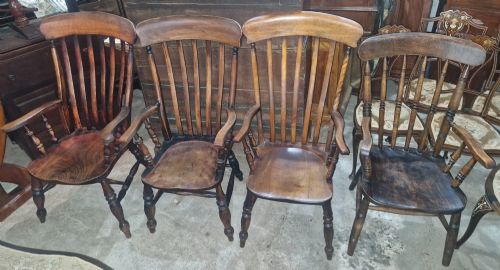
Traditional Country Carver
A traditional country carver is a sturdy vernacular armchair built for comfort and hard use, shaped from native timbers.
Traditional Country Carver
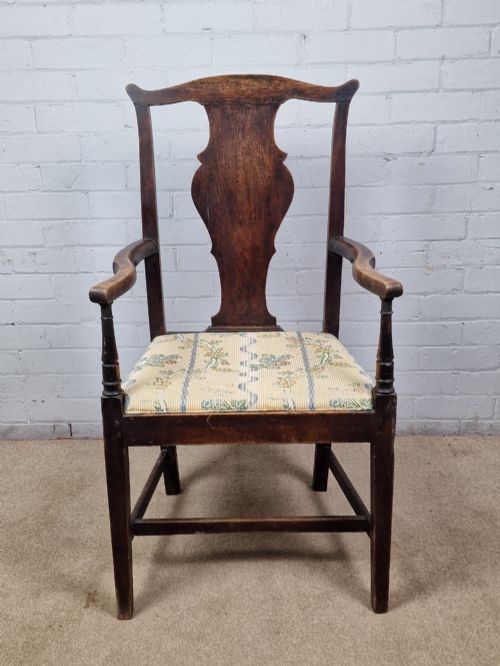
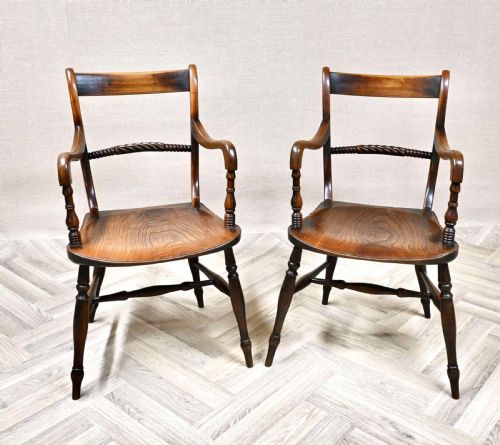
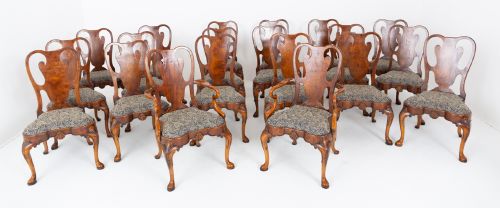
A traditional country carver is an armchair designed for the farmhouse, cottage, or kitchen rather than the formal parlour. When you search for a traditional country carver, you encounter robust seating forms built by regional joiners and chairmakers.
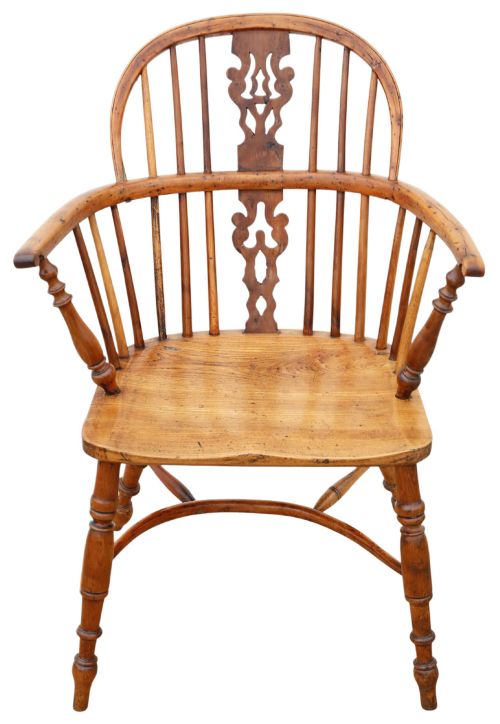
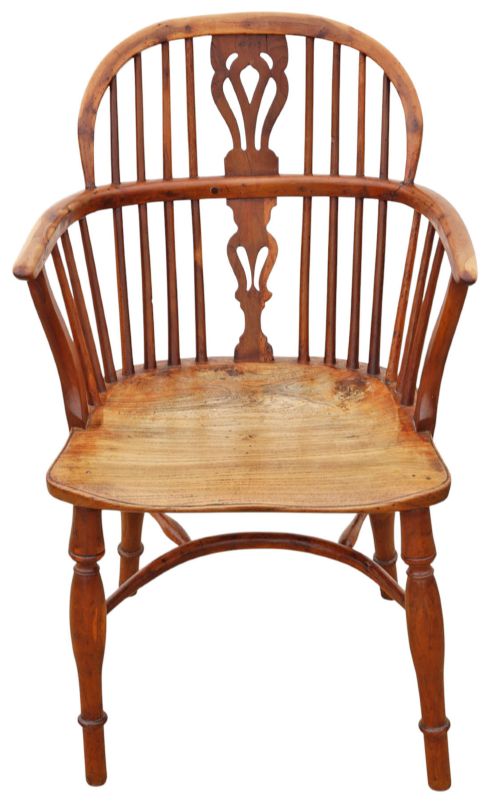
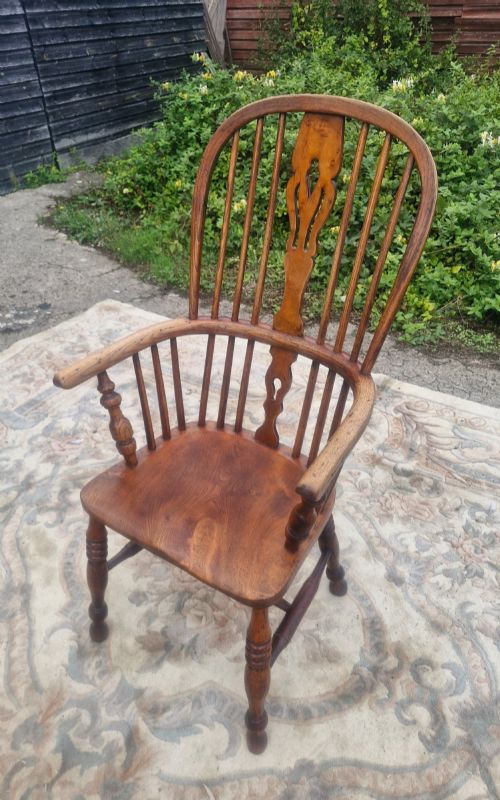
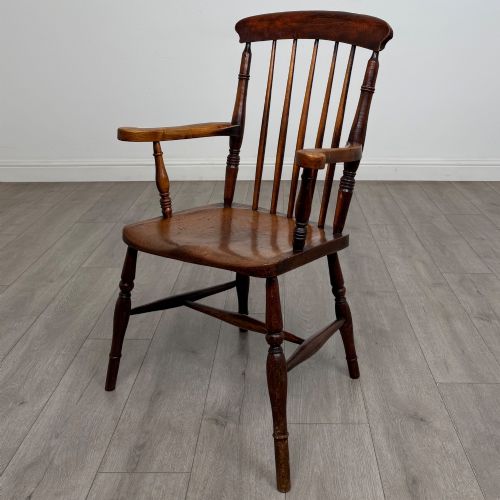
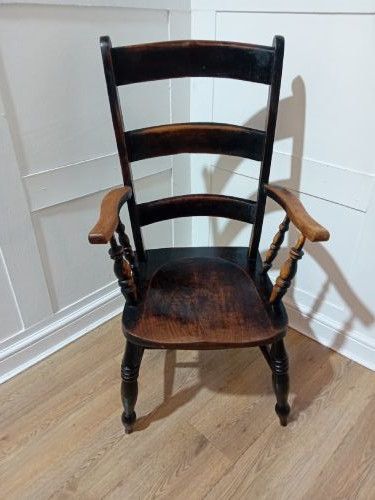
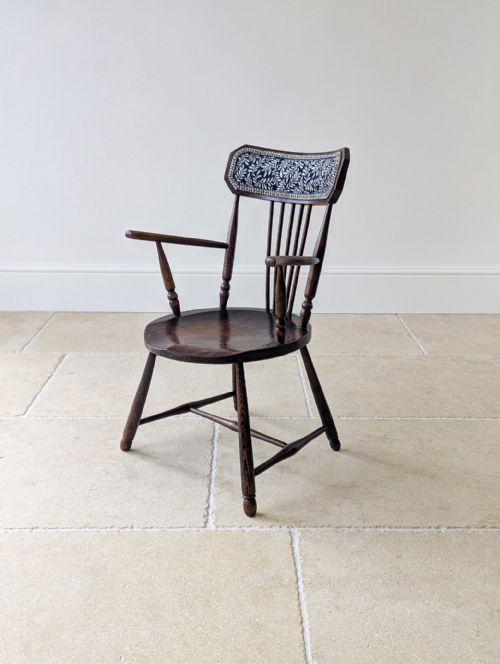
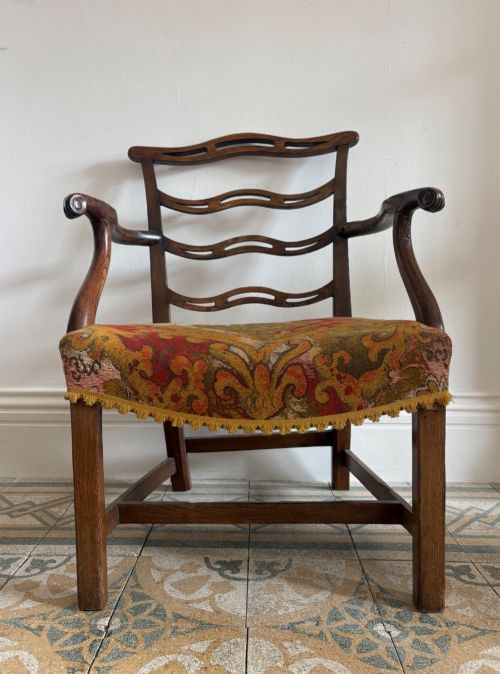
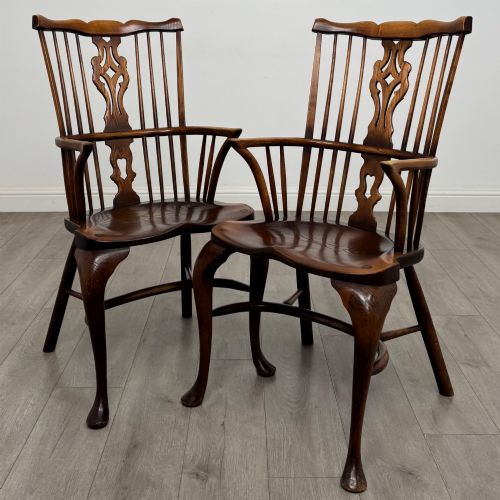
The most common versions on this page are Windsor armchairs and ladder-back elbow chairs originating from the eighteenth and nineteenth centuries. These sturdy seats served as the master's chair at the dining table or beside the hearth.
Makers drew on local styles such as the Thames Valley, Lincolnshire, or Windsor patterns, utilising native woods available in their districts. Each piece reflects the practical needs of rural domestic life through sensible proportions and solid construction.
Materials and construction methods
Makers constructed traditional country carvers using a combination of native hardwoods such as elm for solid, figured seats, and ash, beech, or yew for bent parts and spindles. The contrasting timbers provided both flexibility and strength where the frame needed to bend or bear weight.
Turning green wood on a bodger's pole lathe allowed makers to shape spindles and legs quickly in the woodland before final assembly. These turned components were then wedged and pinned into thick saddle seats using traditional mortise and tenon joints.
Rush seating or solid wood formed the bases, while steam-bending yielded the curved bows and arm rests characteristic of Windsor designs. The reliance on pegged joints rather than metal fixings allowed the timber to move naturally with seasonal changes in humidity.
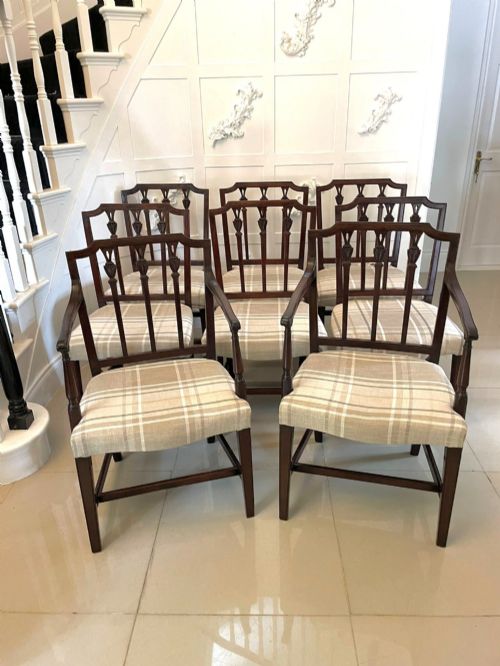
Listings feature eighteenth-century Georgian examples alongside Victorian and Arts and Crafts interpretations.
Evaluating quality and character
Quality in a traditional country carver rests upon the fluency of the turner's hand and the harmony of the combined timbers. A well-balanced comb-back or stick-back demonstrates careful selection of grain, where the figured elm seat complements the tapering ash or yew spindles.
The integrity of the original surface finish and the tightness of the wedged joints determine the enduring strength of the frame. Retaining an early or original surface without excessive sanding preserves the tactile history and honest wear of the piece.
Philip Clissett
The Traditional Country Carver Glossary
- Carver
- An armchair designed to match a set of dining chairs, usually placed at the head of the table.
- Windsor
- A chair built with a solid wooden seat into which the legs, back spindles and bow are independently fitted.
- Comb back
- A Windsor chair variation where the top rail resembles the spine of a comb, holding short vertical spindles.
- Vernacular
- An object made by local artisans following regional traditions rather than strict academic architectural rules.
- Bodger
- A travelling pole-lathe turner who worked in the woods to supply rough-turned chair legs and spindles to urban and rural workshops.
Traditional Country Carver: Frequently Asked Questions
What is a traditional country carver?
A traditional country carver is a sturdy single armchair designed for rural domestic use, often featuring a high back and solid wooden seat.
These chairs served practical roles around the farmhouse kitchen or dining table rather than formal drawing rooms.
How do I date an antique Windsor chair?
Dating relies on observing the thickness of the seat, the turning style of the legs, and the method of joining the arms to the back.
Earlier examples from the eighteenth century tend to feature more complex turnings and broader, deeper saddle seats than later nineteenth-century pieces.
Were these chairs used at dining tables?
Yes, carvers were traditionally used as the main armchairs at either end of a dining table, accompanied by smaller side chairs.
Their robust construction made them suitable for daily family meals and heavy household use.
What woods were commonly used?
Makers relied on native British hardwoods, frequently pairing an elm seat with ash, beech, or yew for the spindles and bending parts.
Fruitwood and oak also appear in regional vernacular pieces depending on local woodland availability.