

Turned Wood Accent Chair
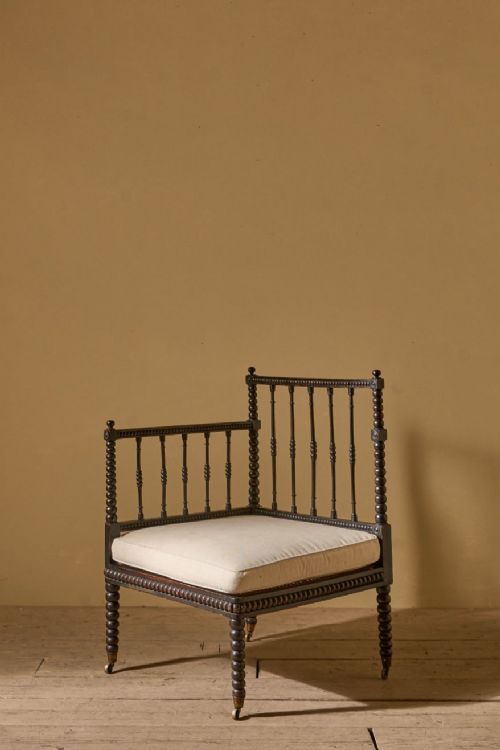
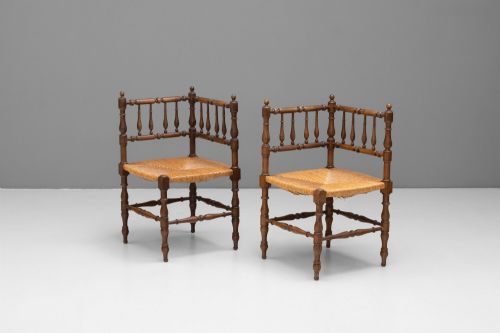
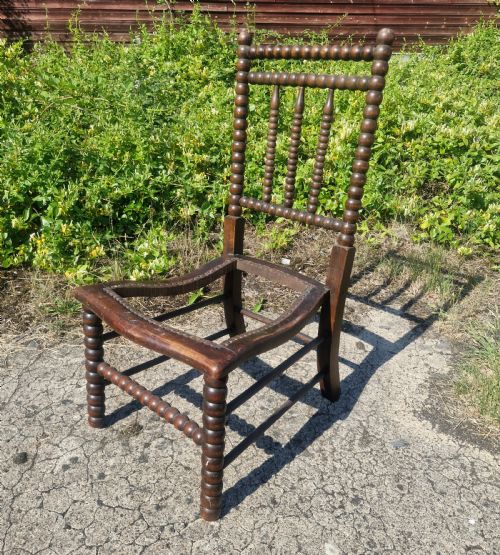
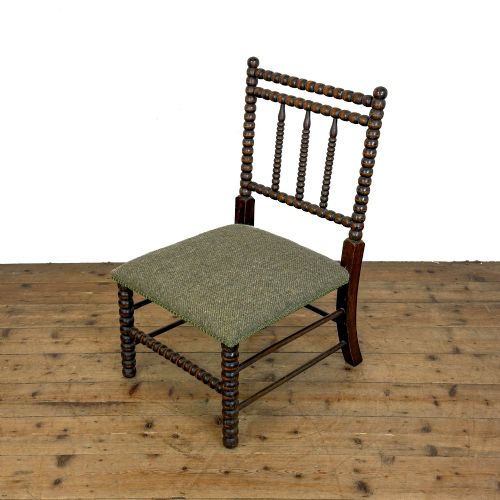
A turned wood accent chair brings character to a corner, built with spindles and bobbin turnings from the nineteenth century.
Turned Wood Accent Chair
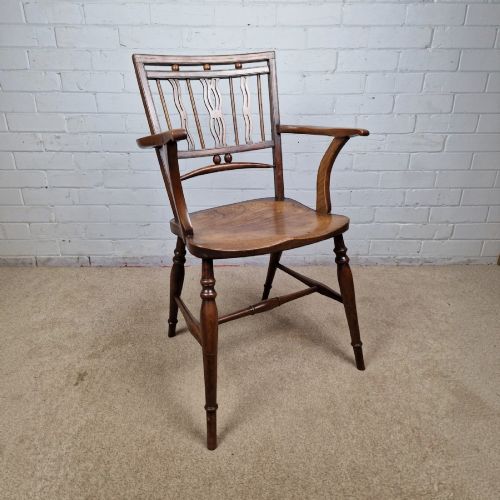
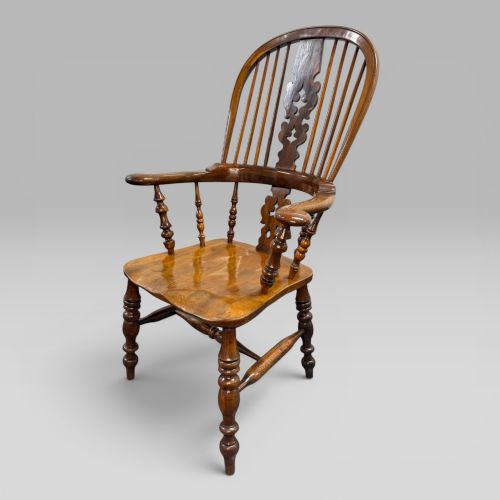
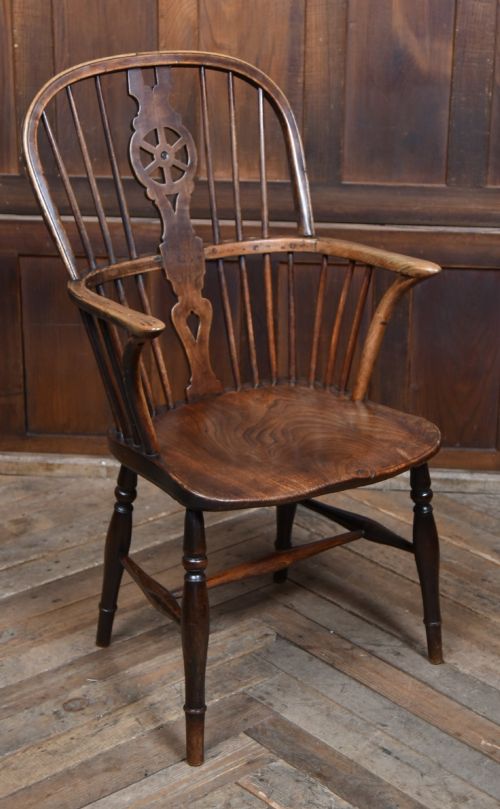
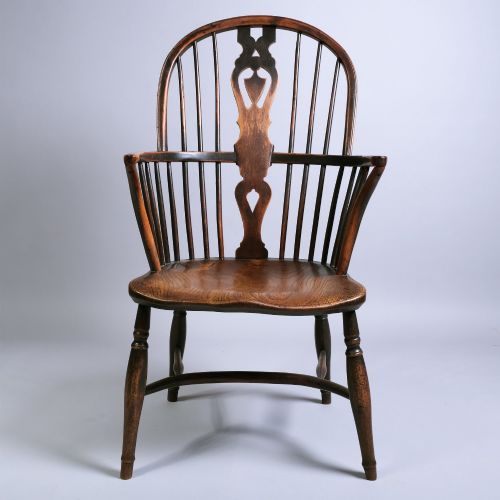
A turned wood accent chair covers seating built with shaped spindle work, bobbin turnings, and regional vernacular frames. Buyers looking at this selection encounter pieces originating from the nineteenth century, alongside earlier eighteenth-century examples and later Edwardian variations.
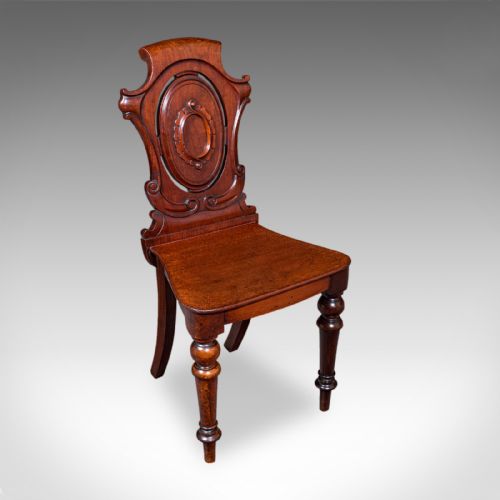
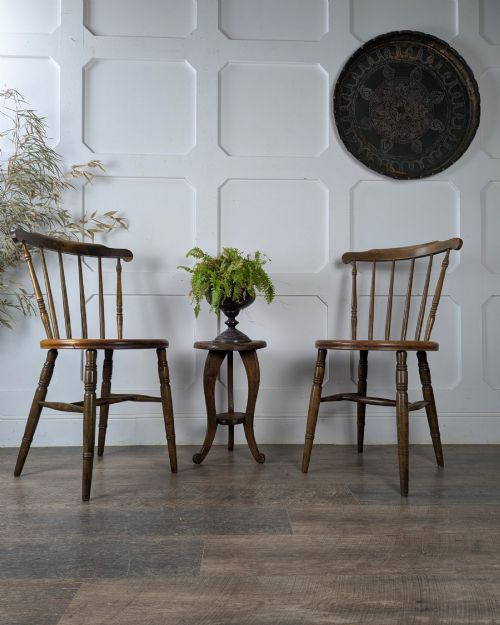
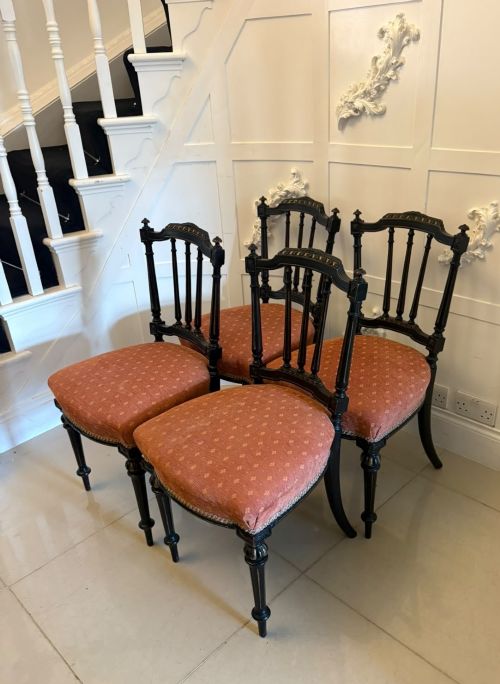
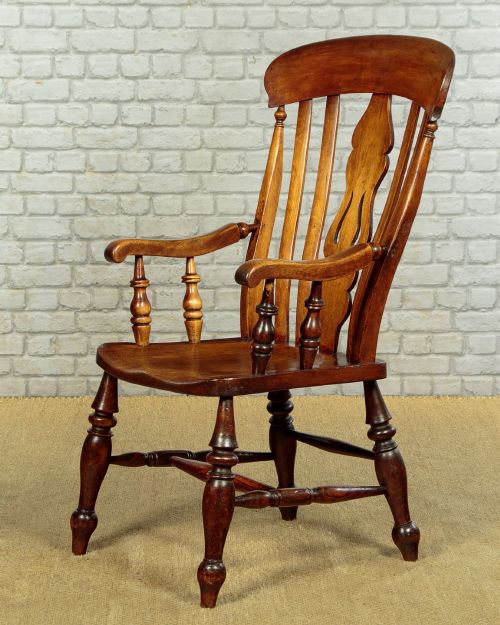
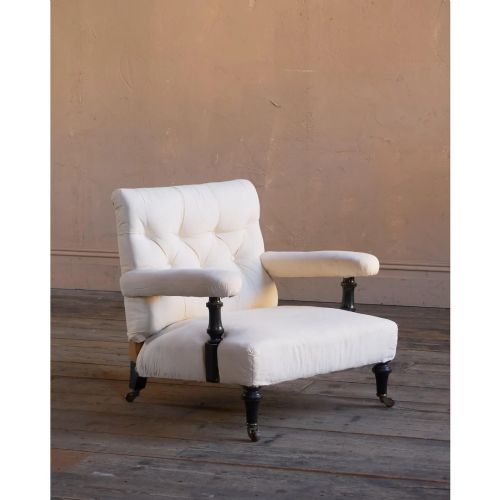
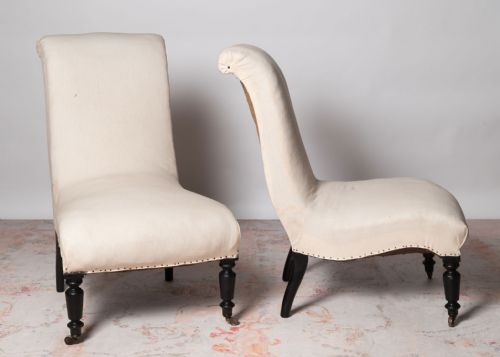
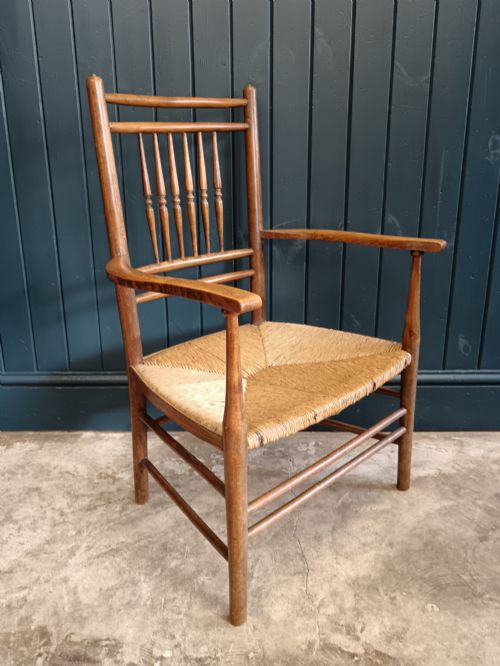
The options span Windsor armchairs with ash and elm seats, low bedroom chairs with ebonised finishes, and rush-seated fireside chairs from the Arts and Crafts period. Side chairs, corner chairs, and hall chairs also appear regularly across these centuries.
Originating from English country workshops, Welsh folk traditions, and continental makers, these seats serve as functional furniture and decorative accents in modern rooms.
How they were made
Craftsmen utilised native timbers such as oak, ash, elm, beech, and mahogany, often combining woods within a single Windsor frame to provide strength for bent spindles and turned legs.
Bobbin and spindle turnings required specialised lathes to shape solid lengths of wood into uniform repeating profiles before assembly with traditional joinery.
Turned Wood Accent Chair Retail Price Guide 2026
Typical asking prices for turned wood accent chair among the pieces listed under this phrase on Sellingantiques today, from the lower quarter to the upper quarter. They describe what is for sale here now, not the wider market.
What varies in quality
The standard of a turned wood accent chair depends on the crispness of the lathe work and the integrity of the timber joints. Subtle variations in the turning detail and the proportional balance of the spindle back distinguish finer regional examples from simpler production.
Original surface finishes, including early paint layers, ebonising, or polished grain, preserve the integrity of the piece more effectively than modern stripping and refinishing.
Mellier & Co·E W Godwin·Liberty & Co
The Turned Wood Accent Chair Glossary
- Bobbin turning
- A type of woodturning that produces a series of rounded spheres or discs along a shaft, resembling a string of beads or bobbins. This decorative profile appears frequently on nineteenth-century frame structures.
- Windsor chair
- A chair built with a solid wooden seat into which the legs and back spindles are dowelled directly. These sturdy forms often combine ash, elm, and beech.
- Rush seat
- A woven seating surface made from dried marsh grasses twisted into cords. This traditional technique provides flexible support in vernacular and Arts and Crafts seating.
- Ebonised
- Wood treated with a chemical stain or dark pigment to imitate ebony. This finish gained popularity during the Victorian period for decorative side and corner chairs.
Turned Wood Accent Chair: Frequently Asked Questions
What is a turned wood accent chair?
A turned wood accent chair is a seat featuring shaped spindles and decorative lathe work on the legs, arms, or back supports. These pieces function as decorative seating in hallways, bedrooms, and reception spaces.
They draw on vernacular styles from the eighteenth and nineteenth centuries, utilising woods like ash, elm, and mahogany.
How do I identify a bobbin turned chair?
Bobbin turned chairs feature legs, stretchers, or back posts shaped into a sequence of rounded spheres or spool-like sections. This distinct turning technique creates a heavily textured silhouette.
Such framing appears frequently on nineteenth-century Victorian and Arts and Crafts examples.
Where were Windsor armchairs made?
Windsor armchairs originated in rural English workshops where local carpenters utilised regional timbers. Ash and elm were standard choices for the bent hoops and solid carved seats.
Country makers built these chairs for durability in kitchens and farmhouses.
How do I care for rush seat chairs?
Rush seats require a dry environment to prevent the natural marsh grass fibres from becoming brittle or damp. Avoid placing them in direct sunlight or humid areas.
Gentle dusting with a soft brush helps maintain the woven surface over time.