


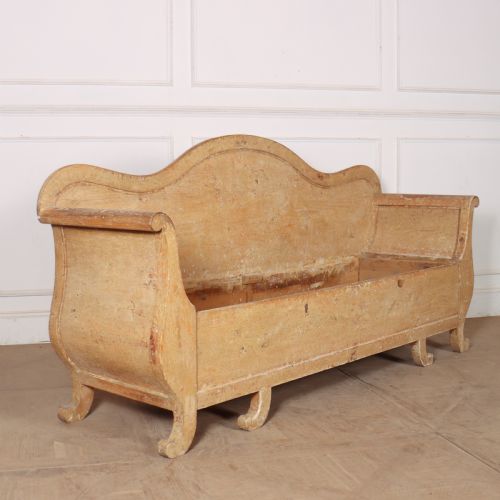


19th Century Swedish Seating
These 19th century swedish seating pieces bring northern warmth and clean lines to a room, offering practical utility alongside striking regional character.
19th Century Swedish Seating
When you search for 19th century swedish seating, you encounter a distinct vernacular tradition that ranges from rustic country pine benches to refined urban Biedermeier and Empire forms. The domestic interiors of this period relied heavily on versatile wooden furniture designed for daily use in northern farmhouses and town houses alike.
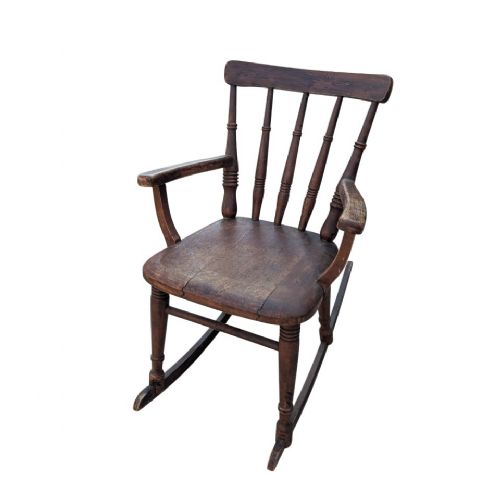
Regional variations span sturdy children's chairs, rocking furniture, and large storage benches that served multiple functions in traditional Scandinavian homes. The selection here captures this wide spectrum of domestic woodwork from the nineteenth century.
Materials and construction
Local timber defined this furniture, with pine and birch serving as the primary structural materials for both rustic country pieces and polished urban seating. Craftsmen utilised solid woods alongside painted finishes, layering pigments to protect the grain and brighten dim winter rooms.
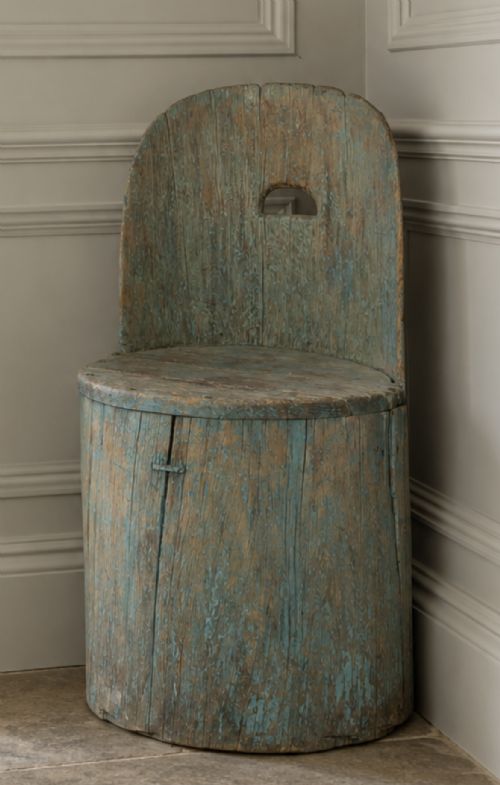
Joinery methods prioritized durability, seen in the thick construction of dug-out chairs and the solid frames of settles and benches. Decorative touches relied on turned wood elements like bobbin details, ebonised accents, and occasional giltwood highlights on Empire forms.
Children received proper miniature thrones and highchairs, proving that nineteenth-century Scandinavian toddlers expected dignity alongside their porridge.
Assessing quality and finish
The distinction between ordinary utility items and exceptional pieces rests on the integrity of the timber, the preservation of original painted surfaces, and the sophistication of the carving. Finely figured satin birch and carefully proportioned Biedermeier frames represent the more formal end of the spectrum.
Rural examples derive their appeal from honest patination, structural survival, and the character of the original paint rather than elaborate ornamentation. The balance between comfortable ergonomics and traditional regional style dictates the success of each form.
The 19th Century Swedish Seating Glossary
- Biedermeier
- A dominant Central European and Scandinavian style spanning the nineteenth century, known for clean lines, restrained ornamentation, and an emphasis on the natural grain of woods like birch.
- Gustavian
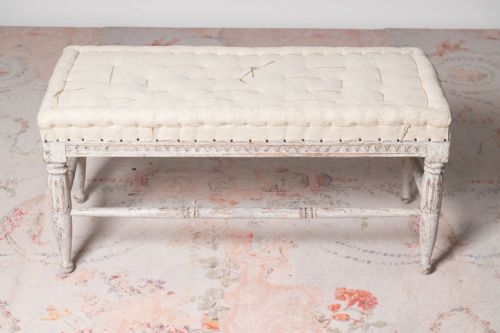
- The Swedish neoclassical style inspired by King Gustav III, characterised by pale painted finishes, fluted legs, and classical motifs adapted to northern tastes.
- Settle
- A wooden bench with high backs, solid arms, and often a storage compartment beneath the seat, designed to block drafts in older homes.
- Dug out chair
- A primitive seating form hewn directly from a single solid log, creating a sturdy monolithic body typical of early rural traditions.
- Satin birch
- A timber prized for its luminous, reflective grain, frequently utilised in high-status nineteenth-century Scandinavian furniture.
19th Century Swedish Seating: Frequently Asked Questions
How do I use a pine settle today?
These benches fit naturally into hallways, kitchens, or dining areas where you need robust seating combined with practical storage.
Their high backs also make them effective room dividers in open-plan spaces, creating a defined seating zone.
Are painted pine benches sturdy?
Nineteenth-century pine furniture was built for heavy domestic service and remains remarkably durable under normal household use.
Most structural joints rely on traditional pegged construction rather than modern fixings.
What is the difference between Gustavian and Biedermeier?
Gustavian seating leans toward neoclassical lightness with pale paintwork and carved details inspired by French courts.
Biedermeier pieces focus on warm polished wood grains, comfort, and geometric simplicity without heavy ornamentation.
How do I care for antique birch furniture?
Keep wooden seating away from direct heat sources and strong sunlight to prevent the timber and original finishes from drying out.
Routine dusting with a dry cloth is sufficient, avoiding modern silicone polishes.