


19th Century Folk Art Chair
A 19th century folk art chair brings immediate character to a room through regional vernacular making and honest hand-carved details.
19th Century Folk Art Chair
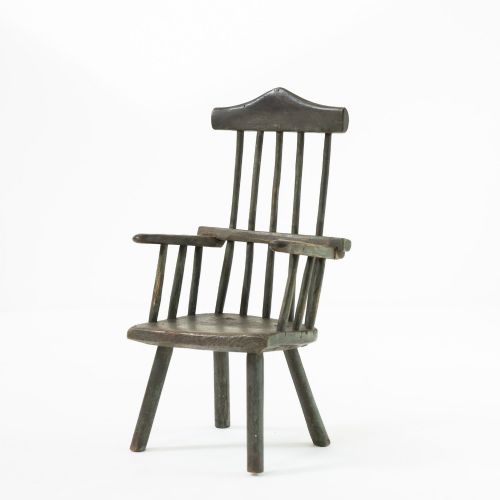
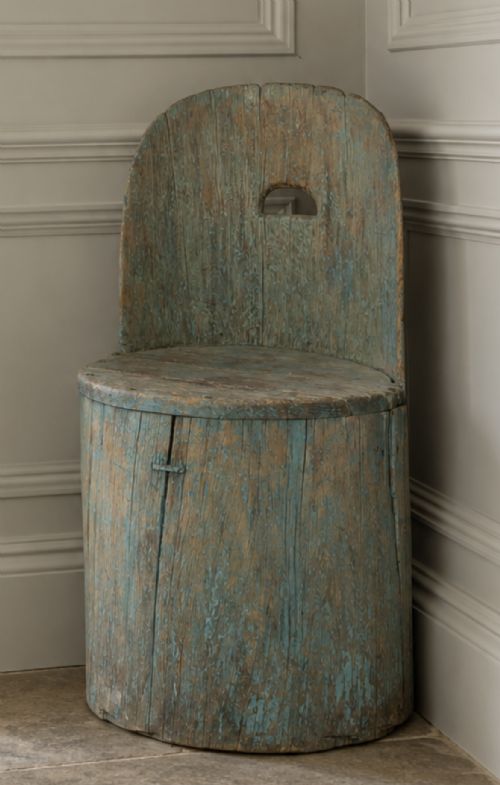
A 19th century folk art chair encompasses practical seating shaped by local makers, rural traditions and domestic needs across Europe and America. Buyers encounter regional forms ranging from Swedish bobbin thrones and dug-out seats to Irish súgán ash chairs and Welsh spinning chairs.
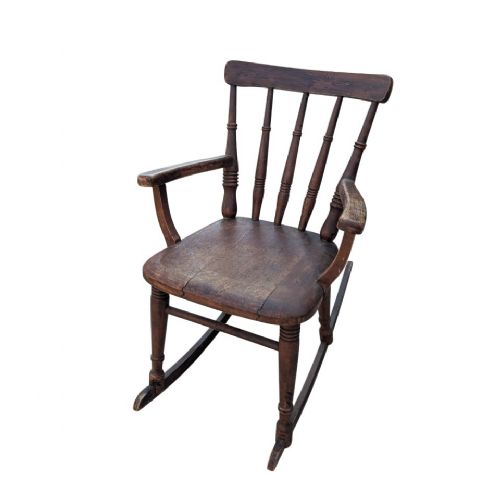
The selection frequently includes children's furniture, such as painted highchairs, stick-back armchairs and small rockers made with the same care as adult seating. These pieces draw collectors who value vernacular eccentricity over formal academic design.
Makers utilised available local woods and straightforward construction methods, resulting in sturdy pieces designed for everyday use in farmhouses, cottages and mountain dwellings. Each chair reflects the specific woodworking vocabulary of its geographic origin.
Materials and construction methods
Makers built these chairs primarily from native timbers including pine, oak, birch and ash, often selecting specific woods for strength in the legs and flexibility in the spindles. Surfaces were frequently finished with layers of paint, sometimes surviving in original schemes that record decades of domestic wear.
Construction techniques rely on traditional joinery such as pegged mortise and tenon joints, Windsor-style wedged seats and steam-bent components. Many examples incorporate turned elements like bobbin spindles or carved details including natural form branches and whimsical animal heads.
Assessing quality in folk seating
Quality in a vernacular chair rests on the integrity of the original construction and the survival of untouched surfaces. Chairs that retain their early or original paint layers command greater interest among collectors than stripped examples.
Roosje Hindeloopen
The 19th Century Folk Art Chair Glossary
- Dug out chair
- A seat formed by hollowing out a single solid block of timber to create the seat and back support. This archaic method produces heavy, organic forms often associated with Scandinavian country traditions.
- Súgán chair
- A traditional Irish chair featuring a seat woven from plaited straw or hay ropes. The technique provides a resilient and comfortable surface using readily available agricultural materials.
- Stick back chair
- A seating form where turned spindles or sticks are inserted directly into a solid wooden seat. This construction underpins many primitive vernacular armchairs and children's seating.
- Bobbin turning
- A form of woodturning characterised by a series of rounded, spool-like shapes carved along the length of a chair leg or stretcher. The method was widely used in European country furniture to add decorative rhythm.
- Vernacular furniture
- Domestic objects made by local craftsmen using regional styles and materials rather than following metropolitan academic designs. These pieces serve immediate practical purposes within specific rural communities.
19th Century Folk Art Chair: Frequently Asked Questions
How do I clean a painted folk chair?
Dust the surface gently with a soft, dry cloth to protect fragile original finishes.
Avoid using water, modern detergents or abrasive cleaners that might strip historic paint layers.
Are these chairs comfortable for daily use?
Many of these pieces were built for specific utilitarian tasks rather than long periods of relaxation. Their upright postures and rigid wooden seats reflect the practical domestic habits of the nineteenth century.
Placing them as accent seating or pairing them with a soft textile helps integrate them into modern living spaces.
What indicates original paint on a chair?
Original paint typically shows subtle craquelure, natural wear patterns around high-contact areas, and underlying layers that match the period of construction. Examination under natural light reveals how the finish has aged alongside the wood.
Subsequent overpainting often appears flat or masks the tactile texture of the grain beneath.
How do I identify regional styles?
Regional attribution relies on characteristic timber choices, turning profiles, and structural silhouettes native to specific countries or valleys. Swedish pieces often feature bright painted surfaces and bobbin turnings, while Irish examples frequently employ ash and plaited straw.
Comparing construction details against documented vernacular traditions helps clarify geographic origins.