
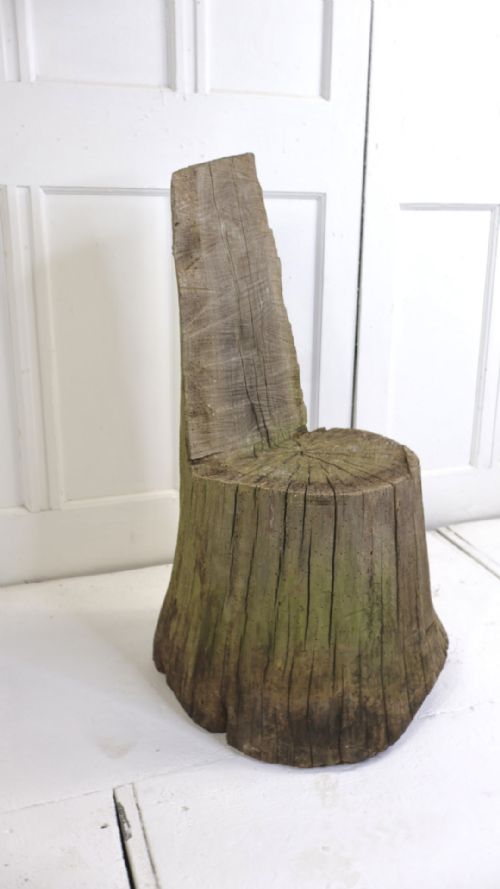


Primitive Folk Art Stool
A primitive folk art stool is a sturdy, honest seat shaped by hands that worked close to the earth.
Primitive Folk Art Stool
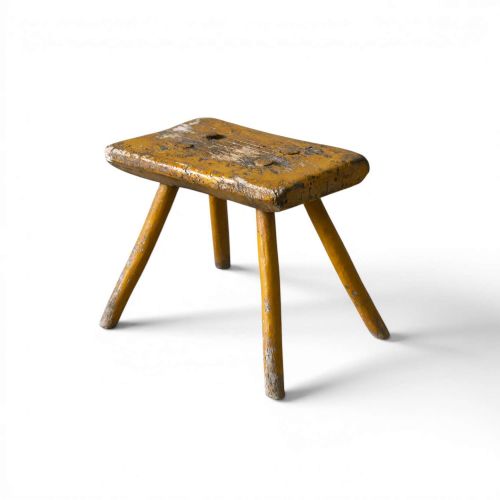
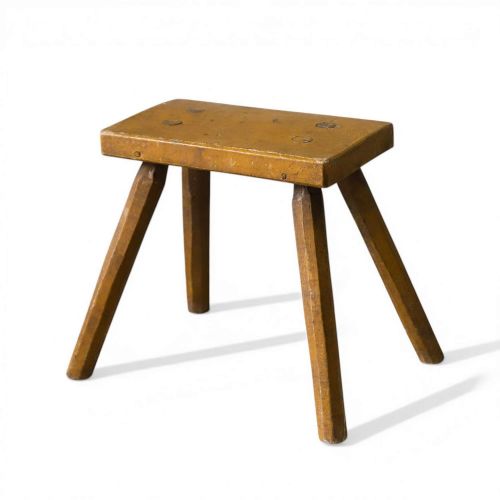
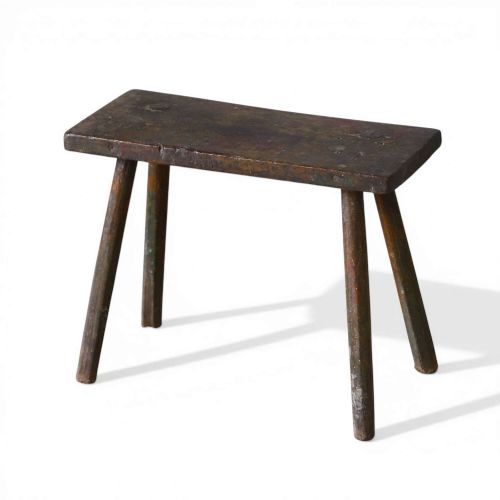
A primitive folk art stool represents utilitarian seating shaped by rural makers who prioritised direct function over formal design. These pieces include Eastern European milking stools, diminutive vernacular seats with sculpted rounded tops, and natural form children's stools.
The versions most commonly met on this page span the nineteenth century and the Edwardian era, often exhibiting rustic farmhouse and folk art traits. Makers constructed them from available local timber to serve immediate domestic and agricultural needs.
How they were made
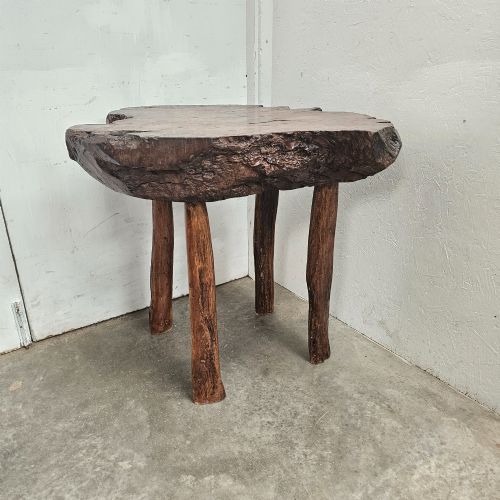
Carpenters and rural workers fashioned these objects from hardwoods, oak, pine, and timber, frequently leaving the natural grain and irregular growth rings exposed. Tree trunks and thick branches provided sturdy blocks and legs without the need for complex joinery.
Surfaces often retain layers of original ochre, yellow, or green paint, applied to protect the wood and brighten utilitarian workspaces. Selected examples incorporate unusual materials such as burr thuya wood to add subtle pattern to the rustic form.
What varies in quality
The character of the surface sets the finer examples apart, particularly where original paint retains its depth and weathering through decades of use. Sculptural shaping of the seat, such as rounded tops and natural tree trunk forms, indicates a maker with an eye for organic line.
Proportion and structural integrity also divide standard utilitarian items from exceptional vernacular pieces. A balanced stance and honest wear from daily labour contribute to the visual weight of the best examples.
The Primitive Folk Art Stool Glossary
- Vernacular
- Everyday design built by local tradesmen rather than professional cabinetmakers. It relies on regional traditions and readily available materials.
- Milking stool
- A low, stable three-legged seat designed for use during agricultural chores. The tripod base ensures steadiness on uneven earthen floors.
- Burr thuya
- A richly figured wood grain derived from the root growth of the thuya tree. It offers a dense, mottled pattern prized for decorative small furniture.
- Primitive
- Work created outside academic artistic traditions, often showing straightforward construction methods. This approach emphasises utility and direct expression.
- Ochre
- An earthy pigment ranging from yellow to deep brownish-red, used historically for durable surface coatings. It provides a warm, matte finish on rural woodwork.
Primitive Folk Art Stool: Frequently Asked Questions
What is a primitive folk art stool?
A primitive folk art stool is an unpretentious wooden seat made for rural or agricultural tasks. These pieces reflect traditional handcrafting methods rather than factory production.
They often feature simple tripod or four-legged designs with thick wooden tops shaped by utility and available timber.
How were these stools used originally?
Owners used these low seats primarily for daily farm work such as milking animals or tending hearths. Their modest height kept the worker close to the ground during labour-intensive tasks.
Over time, smaller versions also served children or served as low occasional tables in rustic interiors.
How do I live with a rustic stool?
These pieces fit easily into modern rooms as side tables, plant stands, or sculptural accent pieces. Their neutral wood tones and weathered paint surfaces complement both contemporary and traditional spaces.
Placing them away from direct heat sources helps preserve the dry historic wood and original painted finishes.
How can I tell the period of a stool?
Dating relies on observing tool marks, timber selection, and the presence of historic paint layers. Nineteenth-century examples frequently show signs of hand adzing and pegged joints.
Comparing the form to documented vernacular styles helps narrow down the era of manufacture.