



Primitive Carved Wooden Stool
These primitive carved wooden stool examples offer honest country character, shaped from solid timber for daily utility.
Primitive Carved Wooden Stool
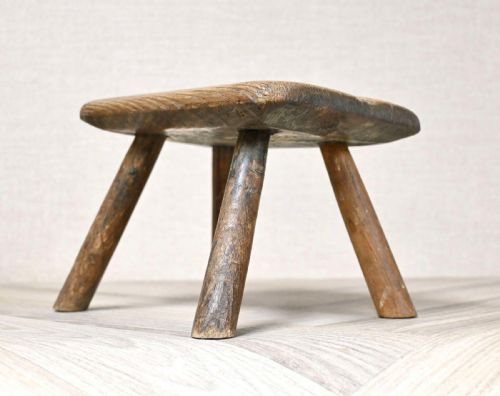
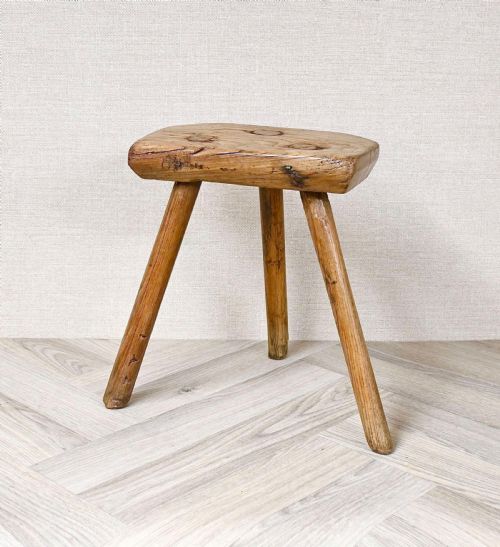
A primitive carved wooden stool is a utilitarian seat shaped by hand from solid timber, often emerging from rural traditions rather than formal workshops. When you search for this phrase, you find low hearth stools, milking stools, and sculptural natural form pieces designed for functional work rather than formal display.
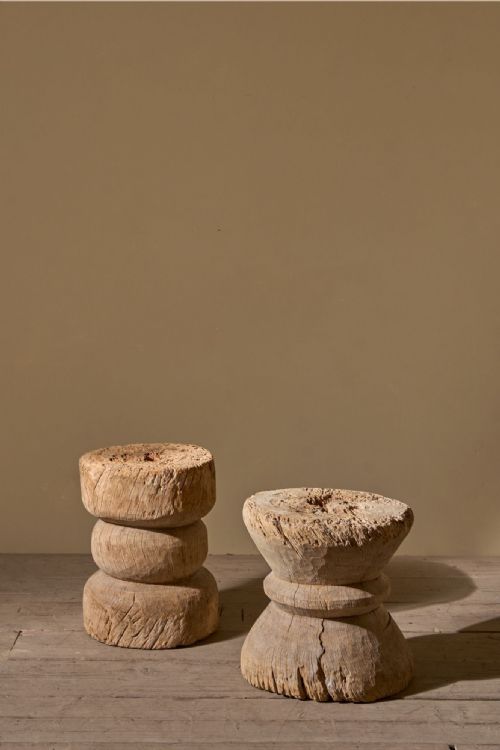
The versions most likely to meet you on this page date from the eighteenth and nineteenth centuries, alongside Edwardian and turn-of-the-century interpretations. These range from diminutive vernacular forms with sculpted rounded seats to robust oak child stools and rustic side tables.
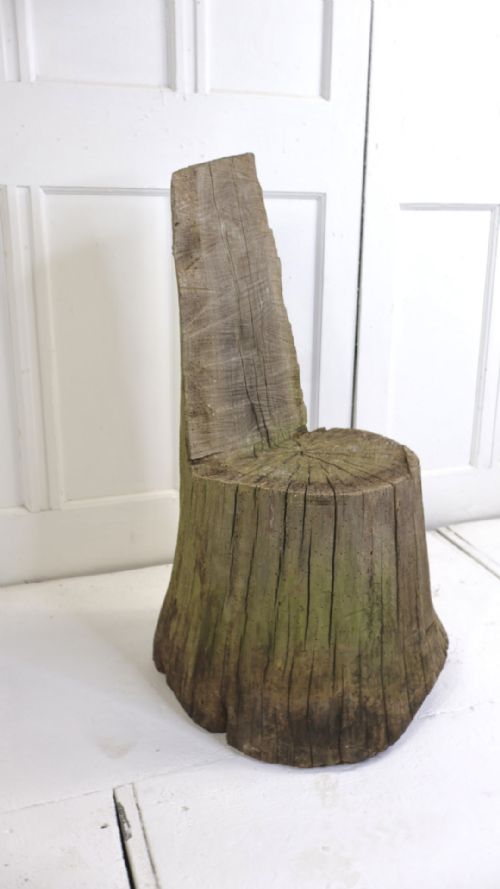
Origins span British country workshops as well as African tribal traditions, bringing diverse sculptural shapes into the vernacular category. Each item displays the marks of its making, whether through adzed surfaces or the organic curves of a tree seat.
How they were made
Maker-craftsmen built these items from solid woods such as oak, elm, pine, and mixed hardwoods, selecting timber for strength and local availability. Logs and heavy branches provided the natural forms and solid blocks required for weight-bearing seats.
Makers shaped the wood using adzes, drawknives, and gouges to hollow out seats and fit sturdy legs directly into bored sockets. Bark was occasionally retained on natural form pieces, while other surfaces received simple smoothing from hand tools.
Some nineteenth-century makers simply chopped a tree seat and trusted three wobbly legs to find peace on a bumpy stone floor.
What varies in quality
Quality in a primitive carved wooden stool rests upon the integrity of the timber and the honesty of the construction. Pieces hewn from a single solid block of oak or elm with balanced proportions show a superior sculptural presence.
The degree of tool work defines the upper end of the range, where deliberate sculpting of the seat reveals an intimate understanding of the material. Lesser examples rely on purely utilitarian assembly without the expressive shaping found in finer vernacular items.
The Primitive Carved Wooden Stool Glossary
- Vernacular
- Everyday objects made by local tradesmen rather than urban specialists. These pieces serve immediate domestic or agricultural needs using regional materials.
- Hearth stool
- A low seat positioned near a fireplace for warmth or domestic chores. Its short stature kept the user close to the floor and the heat.
- Milking stool
- A small, usually three-legged seat designed to be carried easily around a farmyard. The tripod base ensured stability on uneven earthen floors.
- Adze
- A cutting tool with an arched blade used for hewing and shaping wood surfaces. It leaves distinctive curved chop marks across the timber.
- Natural form
- An aesthetic that preserves the organic shape of tree trunks, roots, or branches. Makers let the original growth of the wood dictate the final silhouette.
Primitive Carved Wooden Stool: Frequently Asked Questions
What is a primitive carved wooden stool used for?
These pieces served practical roles in domestic and agricultural life, from milking cows to sitting by the hearth for warmth. Their compact dimensions made them easy to move around workspaces and small rooms.
Today, modern interiors utilise them as side tables, plant stands, or sculptural accent pieces. Their modest scale allows them to fit easily into tight corners.
How old are these stools typically?
The examples on this page span several eras, stretching from the eighteenth century through the nineteenth century and into the Edwardian period. Dating relies on tool marks, timber shrinkage, and traditional construction methods.
Earlier pieces often display hand- adzed surfaces and dense native hardwoods like oak and elm. Later nineteenth-century items incorporate similar vernacular techniques passed down through generations of rural carpenters.
How do I tell different regional styles apart?
British country pieces generally employ domestic timbers like oak, pine, and elm with straightforward joinery or natural form shapes. African tribal stools utilise distinct regional carving traditions, featuring geometric patterns or figural supports carved from single blocks of hardwood.
Looking at the leg attachment and the shaping of the seat seat helps reveal the maker's cultural background. Each tradition solves the problem of a stable seat using the materials closest to hand.
Are these seats comfortable to sit on?
Many of these pieces feature deeply sculpted, rounded seats designed to fit the human form during long hours of work. While low and lacking backrests, their ergonomic hollows provide surprising support.
Their primary appeal today is visual and historical rather than lounge seating. Many buyers prefer to use them as display surfaces or sculptural accents in a room.