
Vernacular Country Oak Chairs
Vernacular country oak chairs are honest domestic seats shaped by local tradition, offering tactile connection to centuries of rural craft.
Vernacular Country Oak Chairs
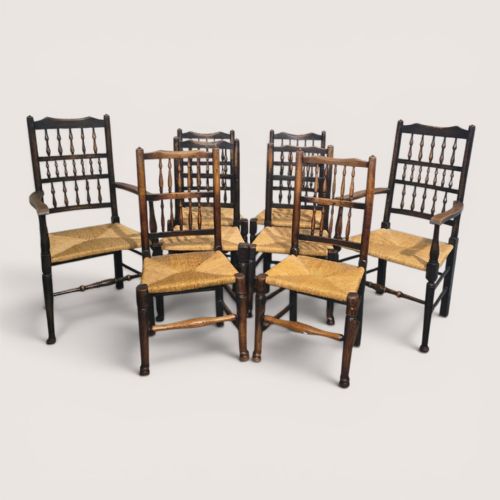
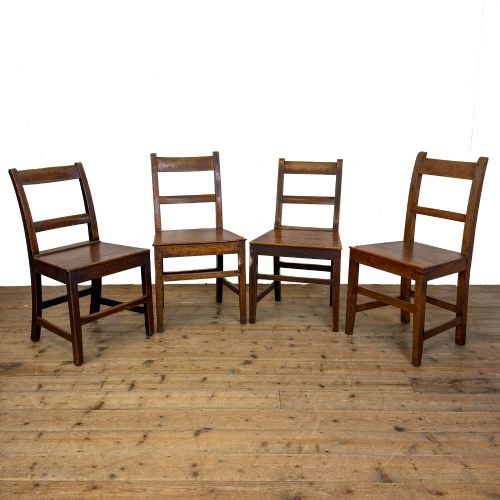
Vernacular country oak chairs encompass a diverse range of domestic seating shaped by regional traditions across England, Wales, and Scotland. Buyers encounter robust forms designed for everyday use, spanning dining chairs, armchairs, rocking chairs, and children's high chairs.
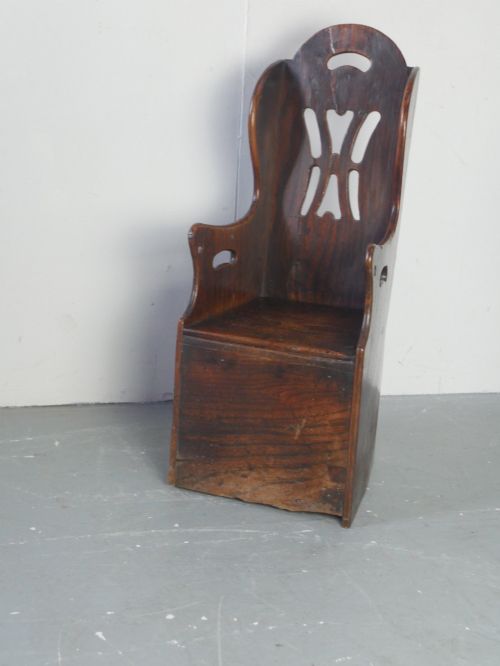
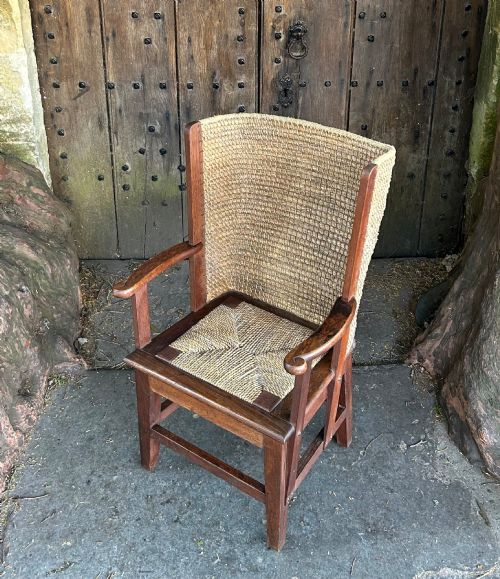
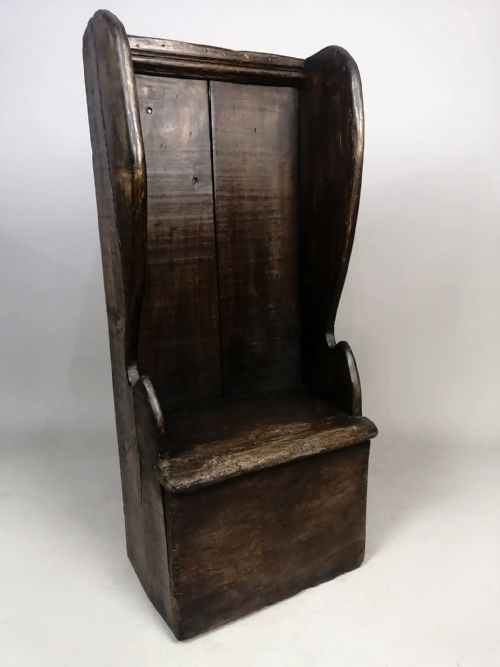
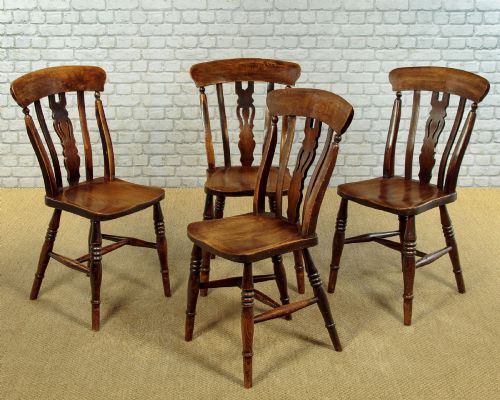
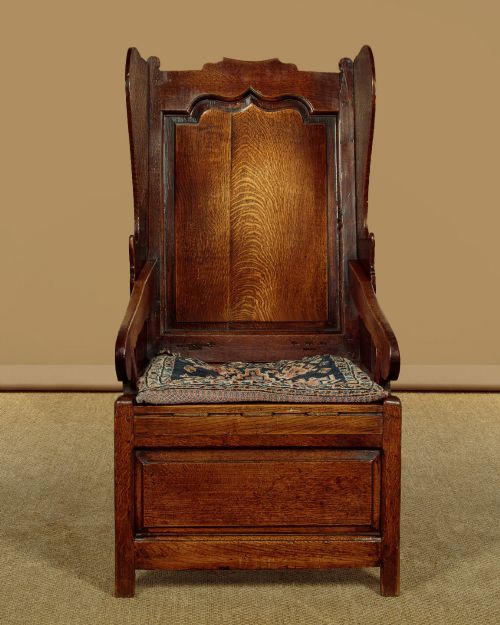
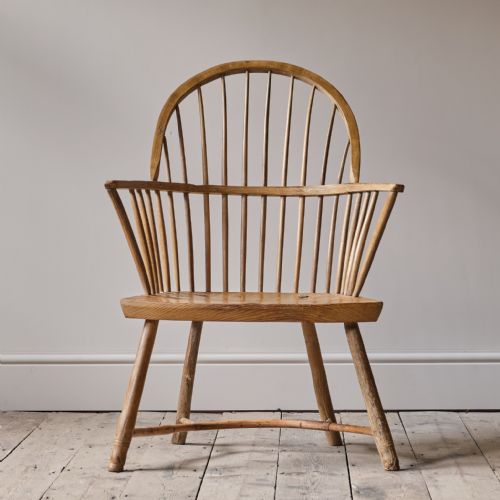
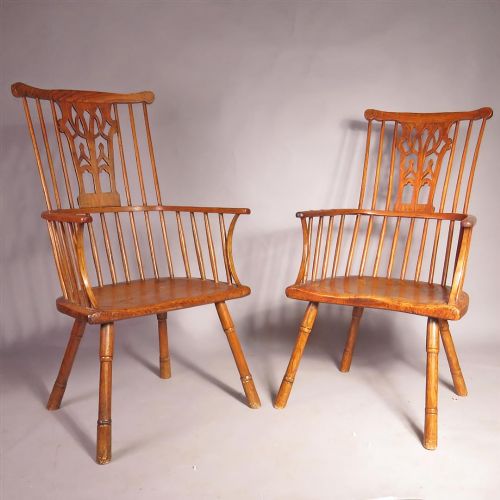
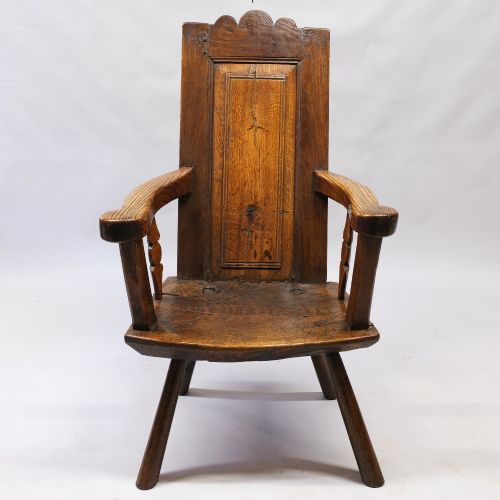
Regional variations dominate the selection, including Welsh comb back Windsors, Thames Valley spindle backs, Lakeland lambing chairs, and Scottish crofter armchairs. These pieces date principally from the eighteenth and nineteenth centuries, reflecting the distinct hand of local rural joiners.
Materials and Construction
Makers utilised native hardwoods such as oak, elm, ash, and fruitwood, often combining timber types within a single frame for structural strength. Solid plank seats receive carved depressions or Windsor bows, while lighter woods form responsive spindles and steam-bent hoops.
Construction relies on traditional joinery methods including pegged mortise and tenon joints and wedged legs inserted directly into solid seats. Surfaces frequently retain traces of original paint, dark brown wax, or natural grain patination accumulated through generations of domestic service.
Assessing Quality
Quality rests upon the integrity of the original construction, the boldness of the regional design, and the survival of untouched surfaces. Chairs retaining original painted finishes or early patinated oak command attention for their visual honesty.
Proportion and comfort distinguish superior examples, as rural makers balanced robust utility with refined ergonomics in comb backs and hoop backs. Excessive replacement of structural components or heavy restoration diminishes the historic character that defines these rural seats.
Duncan McKellar of Fenwick
The Vernacular Country Oak Chairs Glossary
- Lambing chair
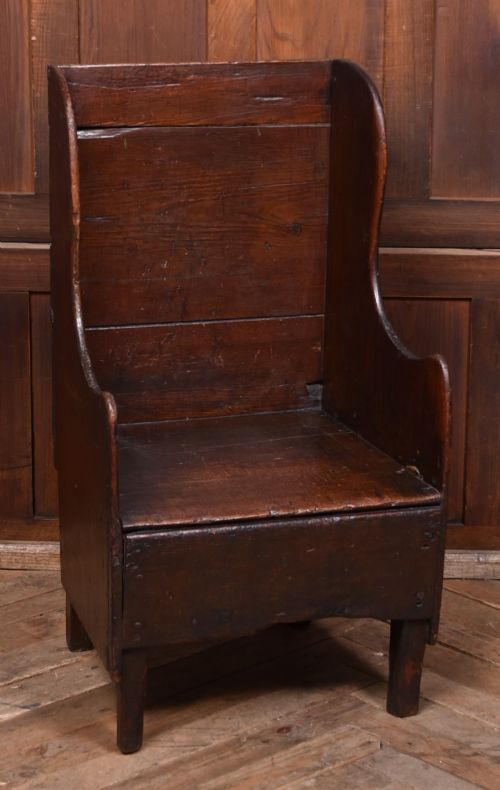
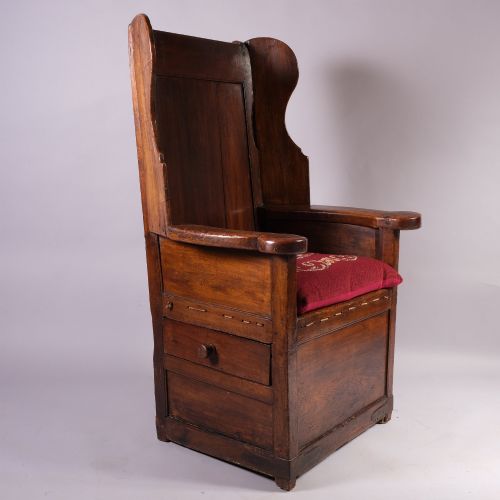
- An enclosed high-backed armchair designed to shield the sitter from draughts, often featuring solid wooden wings and a box base. These pieces frequently incorporate under-seat storage compartments.
- Windsor chair
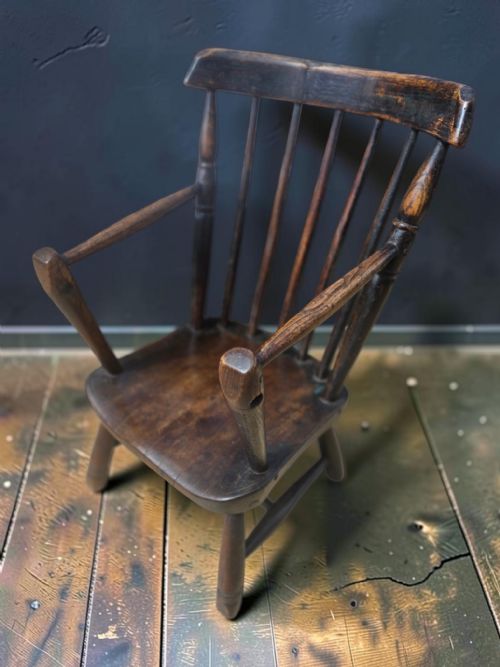
- A seat constructed with a solid wooden saddle-shaped seat into which the legs and back sticks are independently inserted. Regional varieties include hoop backs, low backs, and comb backs.
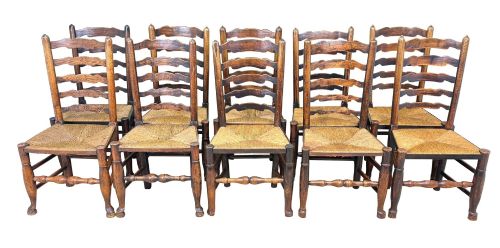
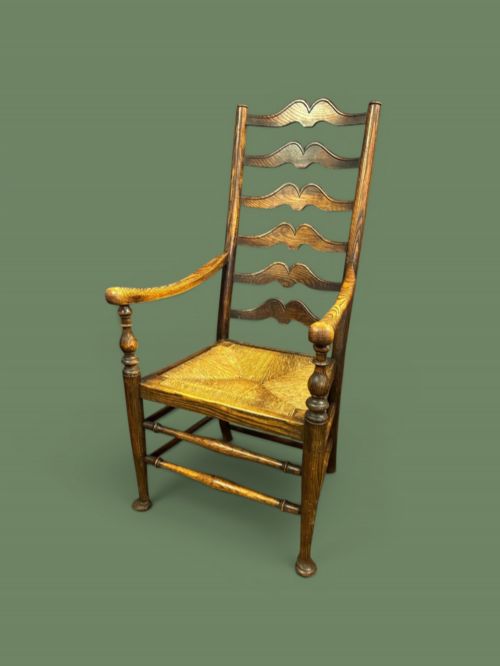
- Ladderback
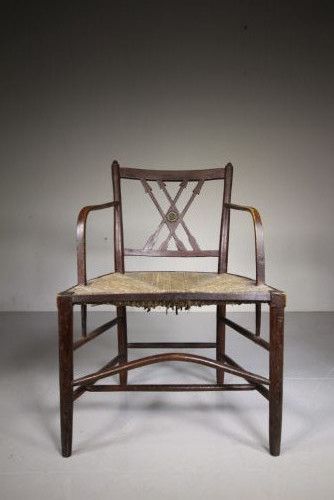
- A chair back composed of several horizontal curved slats set between two upright posts. These frames commonly support woven rush seating.
- Vernacular
- An architectural and craft descriptor denoting objects made by local artisans using regional styles and materials without academic design influence. These pieces serve immediate utilitarian domestic functions.
- Comb back
- A Windsor chair variation where the top rail resembles the teeth of a comb, extending the vertical spindles upwards. This regional form appears frequently in Welsh country seating.
Vernacular Country Oak Chairs: Frequently Asked Questions
How do I identify a regional Windsor chair?
Regional attribution relies on specific structural quirks, such as the characteristic turned details of Thames Valley spindle backs or the distinct comb rail of Welsh variants.
Local timber choices also offer clues, as makers selected native woods readily available in their specific geographic districts.
Were these chairs used only in dining rooms?
Rural households utilised these seats across domestic spaces, from farmhouse kitchens to firesides and bedrooms.
Heavier armchairs and lambing chairs occupied prominent positions near hearths, while smaller ladderbacks and side chairs served around dining tables.
How should I care for an antique oak chair?
Maintain stable indoor humidity levels and keep timber surfaces away from direct heat sources to prevent wood splitting and shrinkage.
Apply occasional applications of traditional beeswax to nourish the dry oak and preserve the historic surface patination.
What is a harlequin set?
A harlequin set is a group of chairs sharing similar periods or styles rather than being cast from a single original workshop batch.
These assembled dining sets offer a cohesive country aesthetic while displaying subtle individual variations in turning and grain.