

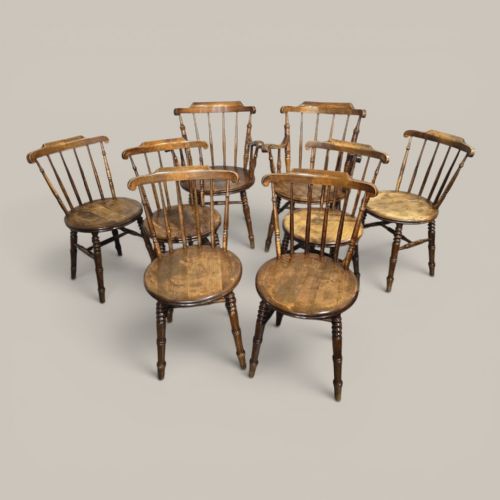


Vintage Spindle Back Carver
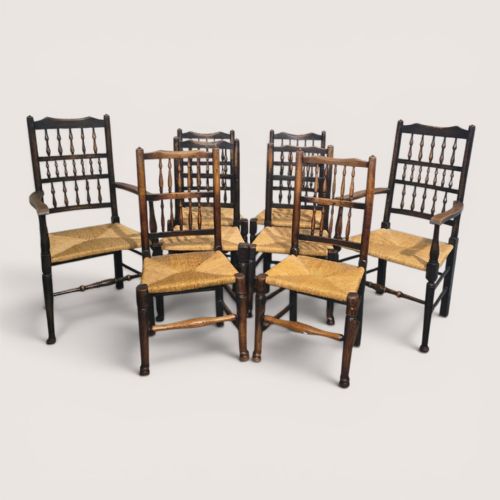
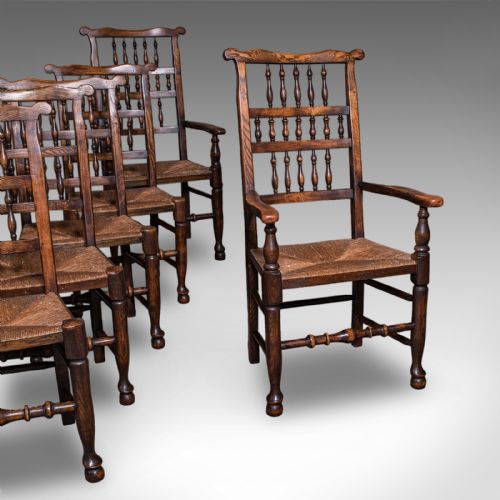
A vintage spindle back carver brings vernacular timber and turned geometry straight into a room.
Vintage Spindle Back Carver
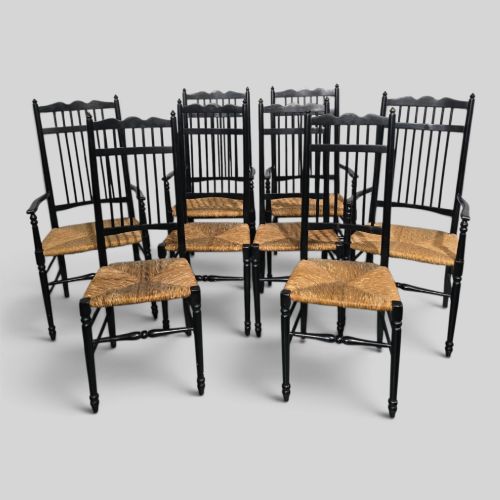
When you search for a vintage spindle back carver, you encounter traditional seating defined by upright turned spindles and supportive arms. These pieces span from the 18th century through the Victorian and Edwardian eras, capturing centuries of domestic joinery.
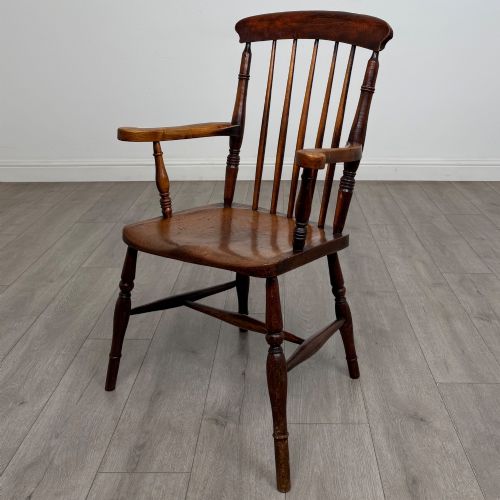
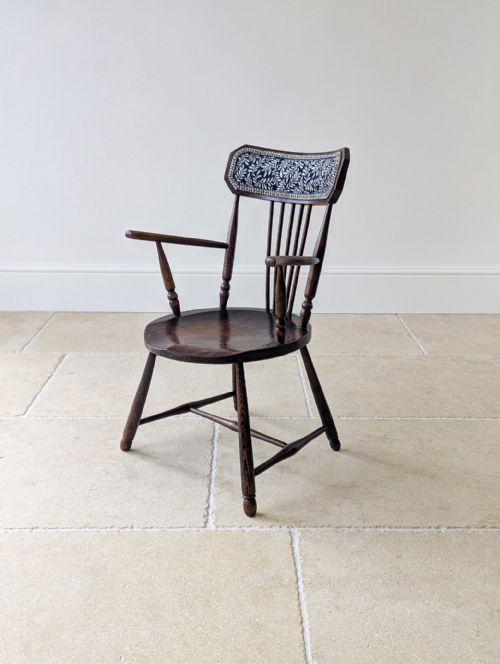
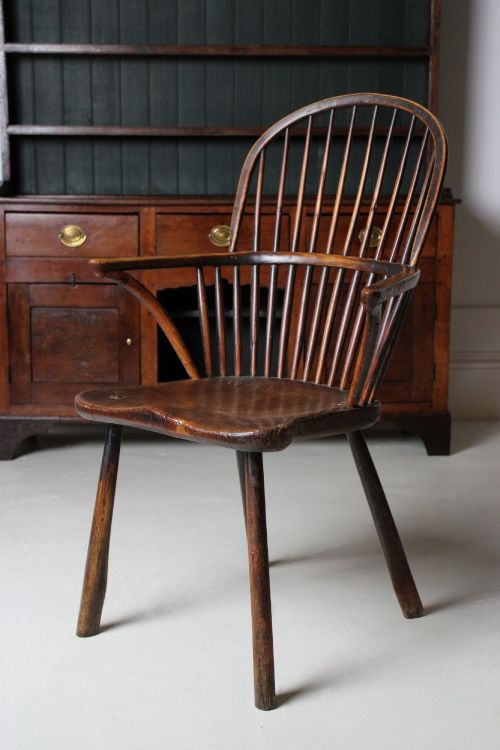
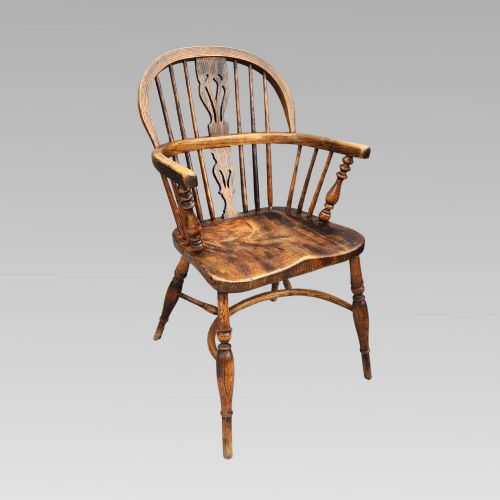
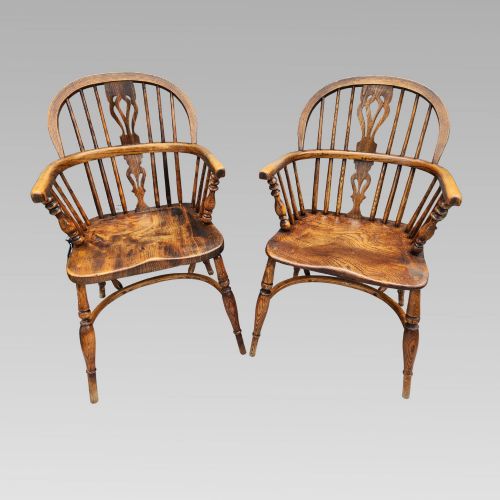
The version you are most likely to meet on this page is an elm, ash, or beech armchair drawing on English country or vernacular traditions. Many take the form of Windsor or kitchen farmhouse chairs with shaped seats and robust underframes.
Makers ranged from West Country and Yorkshire workshops to larger provincial centres, producing sturdy carvers for farmhouse kitchens and country houses. They served as primary armchairs by the hearth or as carvers at the head of a dining table.
How They Were Made
Construction relies heavily on native hardwoods such as elm for solid, figured seats, paired with ash or beech for resilient turned spindles and legs. Some examples incorporate fruitwood, oak, or mahogany depending on the regional tradition and the date of manufacture.
Turnery lathes shaped the vertical spindles and leg components, which were then wedged or pinned into bored seats through traditional green woodworking methods. Steam bending formed the curved crest rails and arm bows integral to Windsor and country carvers.
The listings here span multiple periods, from 18th-century vernacular pieces through Victorian and Edwardian designs.
What Varies in Quality
The distinction between ordinary utility seating and finer examples lies in the selection of timbers and the crispness of the turnery. Elm seats with strong natural grain and rich patination sit above simpler, utilitarian boards.
Proportion and structural harmony also separate regional masterpieces from standard kitchen chairs. Tighter joinery, well-balanced arm bows, and more elaborate crinoline stretchers elevate a carver from basic workshop production to enduring craftsmanship.
The Vintage Spindle Back Carver Glossary
- Carver
- An armchair designed with open arms, traditionally placed at the head of a dining table. These sturdy seats provide comfortable support during long meals.
- Spindle back
- A chair back constructed from a series of slender, vertical turned wooden rods. This method distributes weight evenly while maintaining an airy visual profile.
- Windsor
- A traditional chair type featuring a solid carved wooden seat into which the legs, back spindles, and bow are directly inserted. Regional variations include hoop backs and comb backs.
- Vernacular
- Everyday domestic furniture made by local regional craftsmen using native woods without strict adherence to high court styles. It prioritises function and local materials above all.
- Crinoline stretcher
- An arched or curved wooden brace connecting the legs of a chair to provide rigidity. The name derives from its resemblance to the hooped undergarments of the Victorian period.
Vintage Spindle Back Carver: Frequently Asked Questions
How do I date a vintage carver?
Dating relies on examining the timber species, tool marks, construction methods, and regional style characteristics. Earlier pieces often display wider elm seats and hand-turned components unique to 18th-century workshops.
Later Victorian and Edwardian examples incorporate machine-turned spindles and occasionally alternative woods like mahogany or beech.
Where were these chairs used?
These carvers originally populated farmhouse kitchens, country houses, and provincial dining rooms as durable seating. Their sturdy construction made them well-suited for daily domestic labour and heavy family use.
Today they transition easily into modern living spaces as desk chairs, hallway seats, or dining armchairs.
What woods were commonly used?
Elm served as the primary choice for solid, resilient chair seats due to its interlocking grain resisting splits. Ash and beech provided strength for steam-bent components and slender turned spindles.
Fruitwood, oak, and mahogany appear less frequently depending on the specific regional tradition and historical period.