
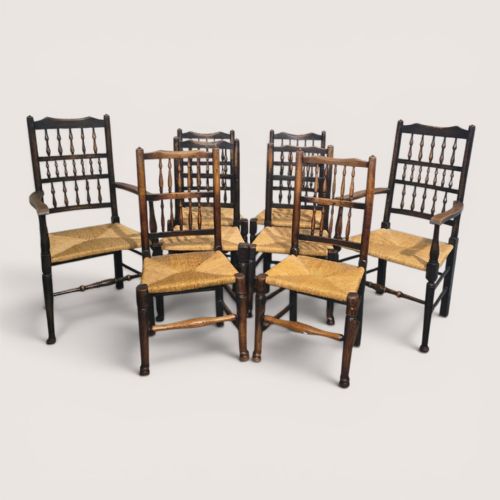
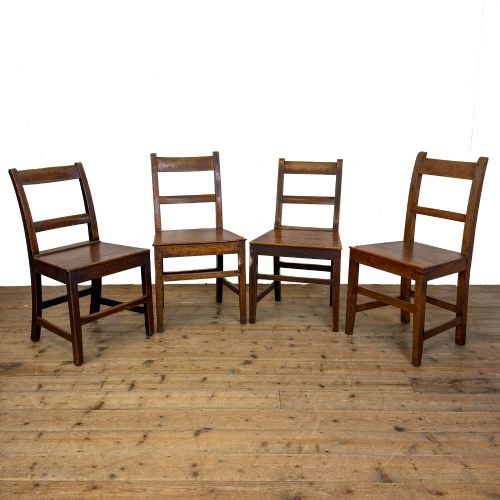


Harlequin Set of Chairs
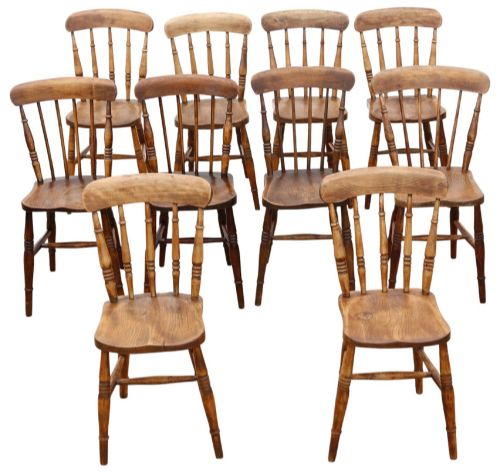
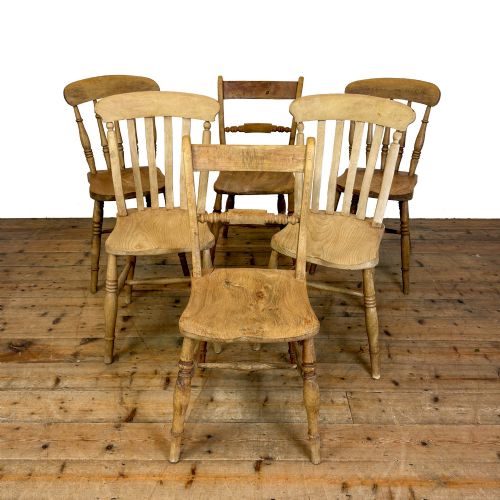
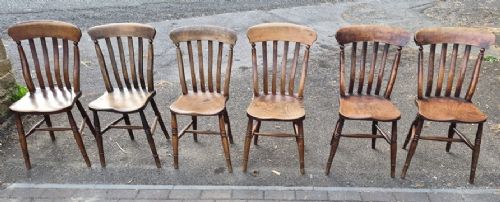
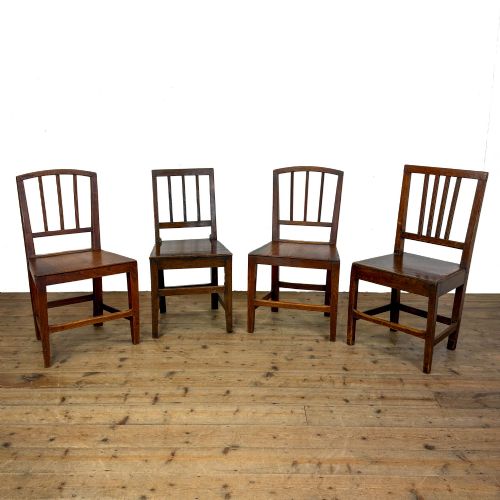
A harlequin set of chairs brings together related dining seats gathered over time to form a cohesive, characterful grouping around a table.
Harlequin Set of Chairs
A harlequin set of chairs consists of dining or kitchen seats that share a similar period, region, or vernacular style without being born as an identical factory batch. Buyers seek these groupings for an authentic, collected interior that avoids uniform stiffness.
The most common versions met on this page span the 19th century and the Victorian era, alongside regional Georgian examples. These pieces typically originate from English, Welsh, or Thames Valley country workshops rather than formal urban cabinet makers.
Forms vary from sturdy oak ladderbacks and spindle backs to elm and beech wheelback Windsors. They unite through shared materials, common construction traits, or related heights that allow them to sit comfortably together.
How they were made
Makers utilised solid native timbers such as oak, elm, ash, and beech, selecting each wood for its specific structural strength. Legs and spindles frequently turned on a bodger's pole lathe, while seats were carved from thick slabs of elm to resist splitting.
Traditional joinery methods dominated production, relying on pegged mortise and tenon joints rather than modern fasteners. Rush seating also appeared on specific regional farmhouse ladderbacks.
Turned components locked into solid seats through wedged tenons, creating robust structures designed for daily farmhouse use. Surfaces matured through decades of scrubbing and polishing rather than factory-applied finishes.
Harlequin Set of Chairs Retail Price Guide 2026
Typical asking prices for harlequin set of chairs among the pieces listed under this phrase on Sellingantiques today, from the lower quarter to the upper quarter. They describe what is for sale here now, not the wider market.
Several sets include a solitary carver chair that towers over the surrounding smaller side seats like a stern family matriarch.
What varies in quality
The success of a harlequin set relies entirely on the visual harmony between individual chairs. Sets that share proportional heights, turning styles, and compatible timber tones achieve a balanced group, whereas haphazard collections clash.
Patina dictates much of the appeal, with untouched surfaces showing deep wax buildup and natural wear outperforming over-restored timber. The integrity of the original construction, including uncompromised joints and genuine matching elements, separates standard groupings from superior examples.
The Harlequin Set of Chairs Glossary
- Harlequin set
- A collection of dining chairs that match in general style, period, or material while differing in minor details. This assembly method creates a gathered look rather than a matched suite.
- Windsor chair
- A wooden chair built with a solid saddle-shaped seat into which the legs and back spindles are directly tenoned. These regional country chairs often combine elm seats with ash or beech components.
- Ladderback
- A chair featuring horizontal slats or rails set between two upright rear posts. This traditional form appears frequently in regional oak and ash vernacular furniture.
- Wheelback
- A Windsor variant featuring a pierced wooden splat carved in the shape of a cartwheel. This decorative motif gained popularity during the 19th century.
- Carver
- An armchair designed with elbow rests, frequently included as the principal seat at the head of a dining table. These pieces match the smaller side chairs in a harlequin grouping.
Harlequin Set of Chairs: Frequently Asked Questions
What is a harlequin set of chairs?
A harlequin set is a collection of dining or kitchen chairs that share a common period, material, or vernacular style while retaining individual differences. Rather than coming from a single factory production line, these chairs are gathered together to form a matched family.
This method of furnishing a dining room reflects historical practice, where households accumulated chairs over time or combined existing seating around a single table.
How do I mix different chairs into a harlequin set?
Building or selecting a harlequin set depends on finding common threads between the pieces, such as shared timber types like oak and elm, or matching structural formats like wheelback Windsors. Heights and proportions must remain relatively uniform so that diners sit at an even level.
Matching the era, such as keeping within 19th-century styles, ensures the individual pieces converse visually rather than competing for attention around the table.
Were these chairs used only in kitchens?
While many country chairs originated in farmhouse kitchens and vernacular dining spaces, their robust construction made them suitable for everyday domestic life. Over generations, these sturdy elm and oak seats moved between dining rooms, parlours, and farmhouses.
Their practical nature meant they served whatever room required durable seating for family meals and daily tasks.
How do I care for antique wooden dining chairs?
Maintaining antique chairs involves feeding the timber with traditional wax polish to preserve the surface and prevent the wood from drying out. Avoiding direct sunlight and sudden temperature shifts protects the historic joints from shrinking and loosening.
Regular, gentle dusting keeps the patina intact without stripping away the accumulated character of the wood.