




Antique Wooden Child Chair
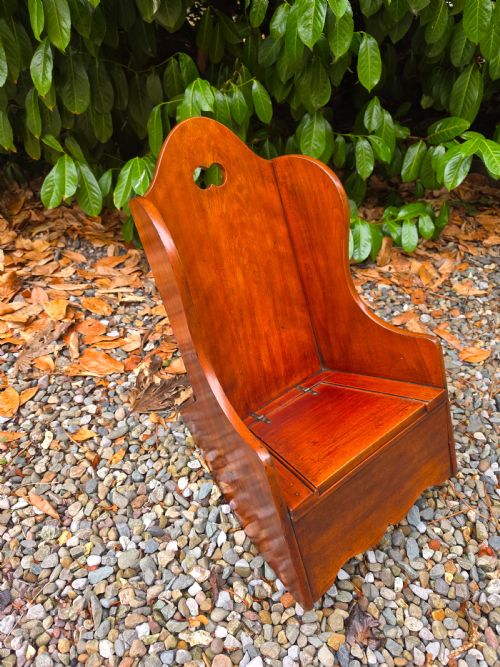
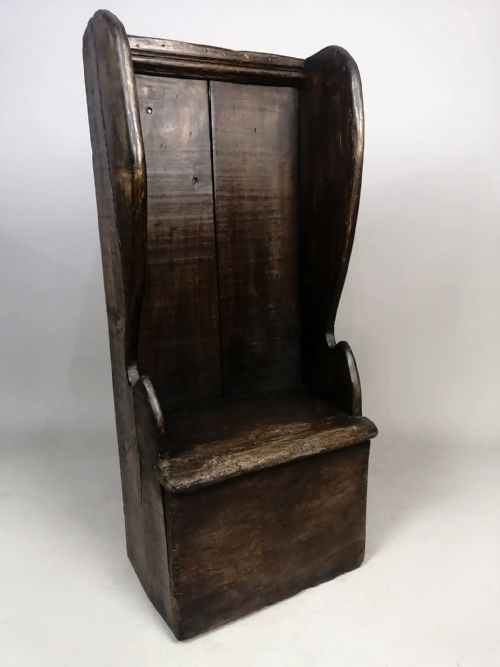
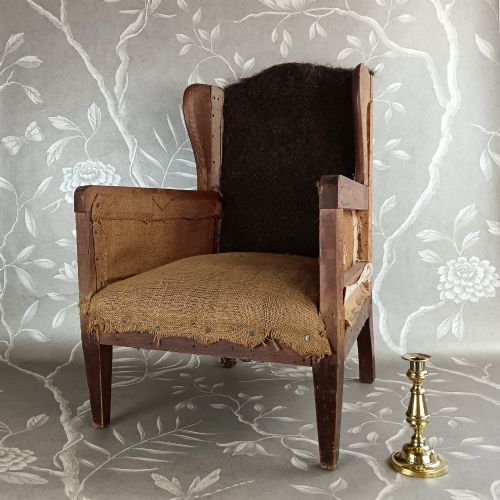
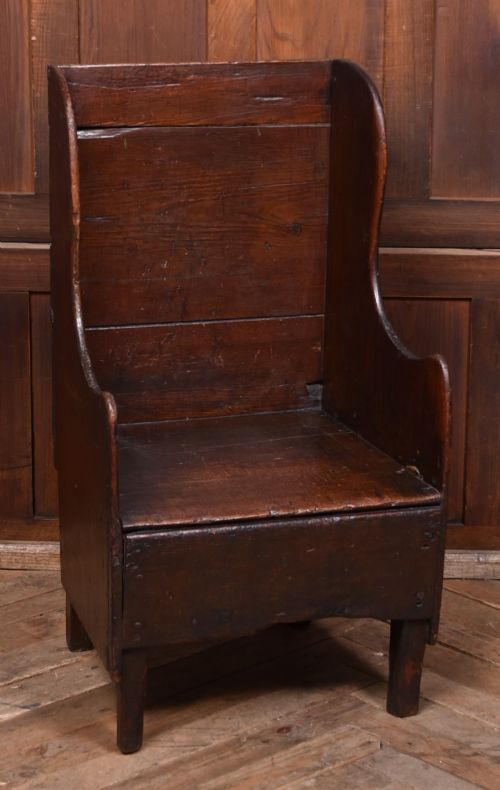
An antique wooden child chair brings miniature scale and authentic vernacular craftsmanship into a room.
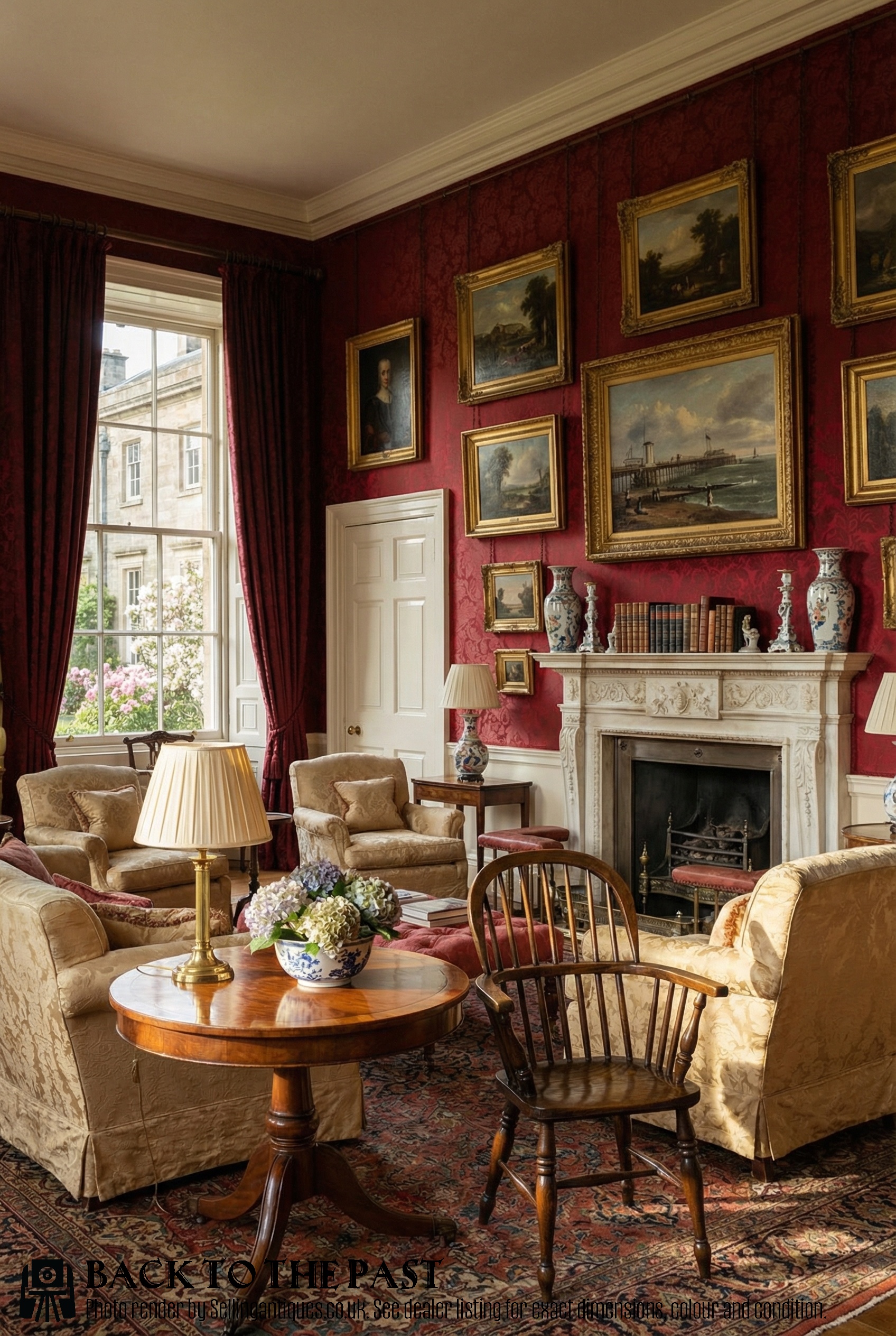
Antique Wooden Child Chair
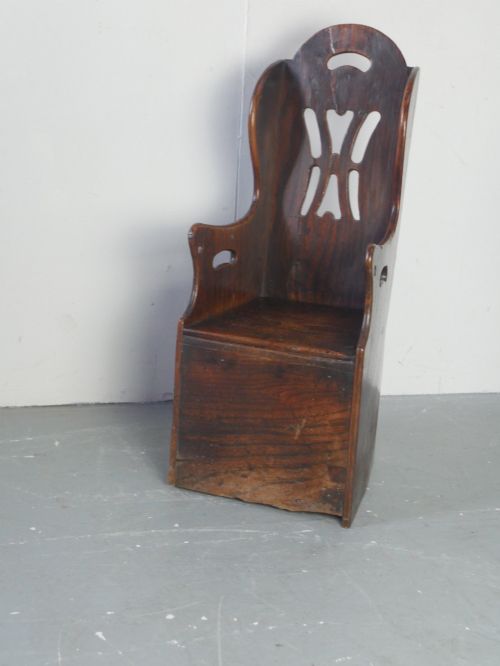
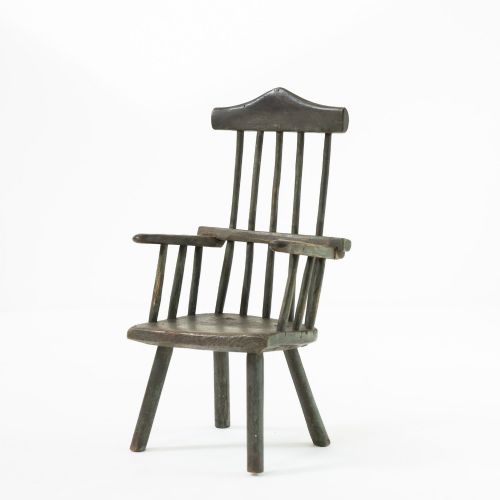
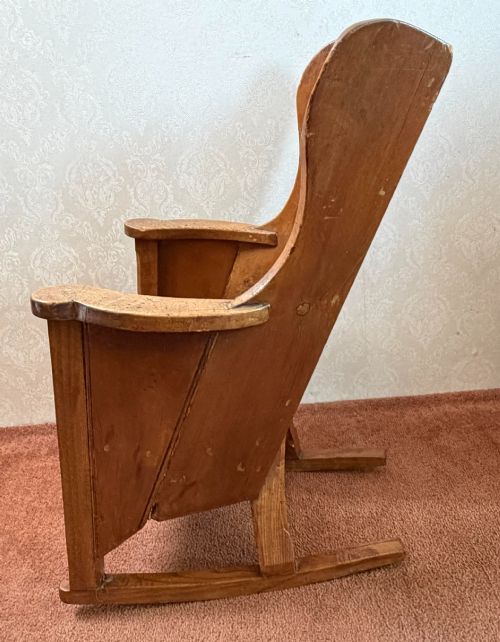
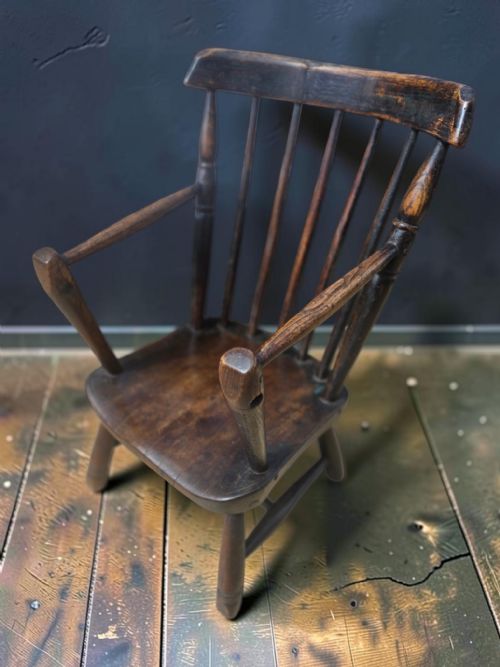
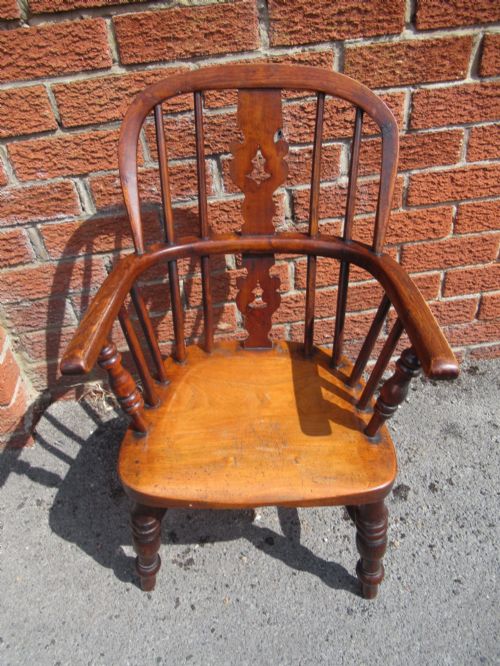
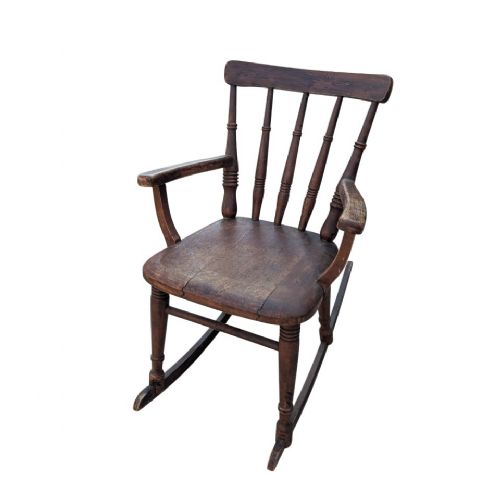
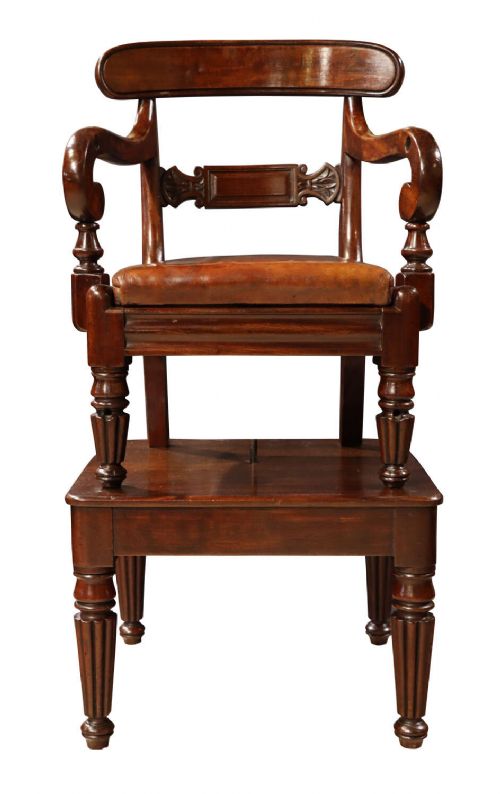
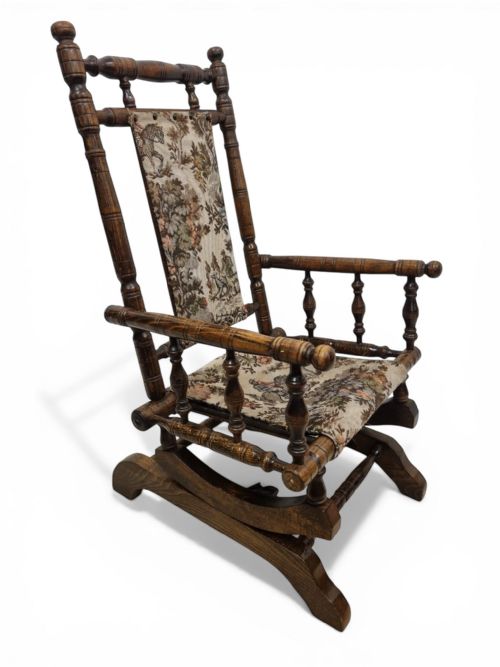
An antique wooden child chair spans multiple periods from the seventeenth century through to the twentieth, encompassing vernacular armchairs, rockers, and high chairs. Buyers frequently encounter nineteenth century stick back windsors, rocking chairs, and commode chairs designed for domestic use.
Makers produced these smaller seats across various regional styles including English country vernacular, Scandinavian country, and Georgian. Forms range from simple ladderbacks with rush seats to elaborate mahogany high chairs and folding designs.
Materials and construction
Craftsmen built these diminutive seats using native timbers such as elm, ash, oak, fruitwood, yew, and mahogany. Combinations of ash and elm appear frequently in country windsor and stick back construction.
Joinery methods included turned spindles, steam-bent hoops, and pegged joints to withstand daily nursery use. Seating surfaces incorporated solid wood planks, woven cane, rush, or tapestry upholstery.
Antique Wooden Child Chair Retail Price Guide 2026
Typical asking prices for wooden child chair among the pieces listed under this phrase on Sellingantiques today, from the lower quarter to the upper quarter. They describe what is for sale here now, not the wider market.
Some diminutive armchairs even include miniature commode drawers, proving that parenting logistics remained consistent across the centuries.
Markers of quality
Superior pieces display thoughtful proportion and timber selection, such as figured yew wood or well-figured mahogany rather than plain utility boards. The crispness of turning on spindles and the integrity of the original joints distinguish finer workshop output from naive domestic carpentry.
Original surface patination and minimal structural alteration elevate a piece significantly. Retaining original rush, cane, or pegged construction without extensive timber replacement preserves the integrity of the antique.
The Antique Wooden Child Chair Glossary
- Windsor chair
- A chair built with a solid wooden seat into which the legs and back spindles are separately inserted. This construction method provides notable strength and structural stability.
- Lambing chair
- A traditional high-backed armchair featuring enclosed sides to shield the occupant from drafts. Smaller examples were adapted specifically for nursery use.
- Potty chair
- A specialised seat incorporating a concealed compartment or commode base beneath the lift-out or hinged centre. These pieces served practical domestic functions in earlier households.
- Stick back
- A chair design where turned wooden rods form the backrest, fitted directly into the seat. This vernacular technique is common in nineteenth century country seating.
Antique Wooden Child Chair: Frequently Asked Questions
What woods were commonly used?
Cabinetmakers and country joiners utilised native hardwoods suited to turning and bending. Elm and ash appear frequently in Windsor and stick back frames for their resilience.
Finer urban pieces utilised mahogany or walnut, while country workshops often worked with fruitwood, oak, and yew. Secondary woods were frequently employed for unseen structural components.
How do I date a child chair?
Dating relies upon stylistic markers, construction techniques, and timber characteristics. Georgian and Regency pieces often display refined turning and classical proportions.
Nineteenth century vernacular examples show greater rustic simplicity through folk art details or pegged joints. Examining the tool marks and wear patterns provides further clues to the period of origin.
Are these chairs safe for children?
Antique child chairs are primarily intended as decorative collectors' items rather than modern nursery furniture. Their historical construction may not meet current safety standards for active toddlers.
Buyers usually display them as decorative objects, plant stands, or display pieces within a room. Gentle handling preserves their fragile antique joints and aged surface finishes.