
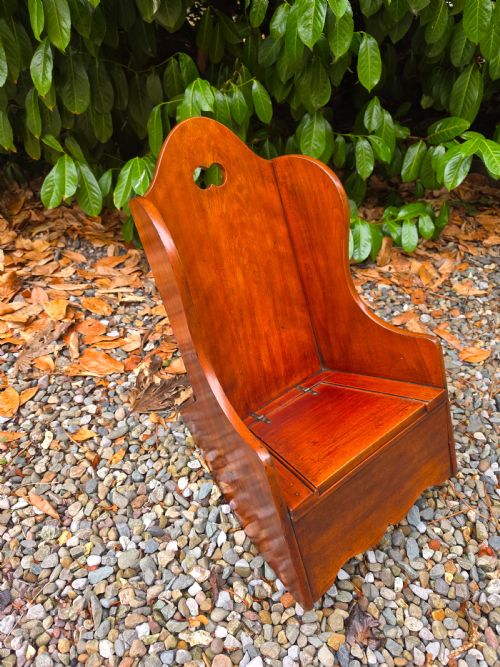
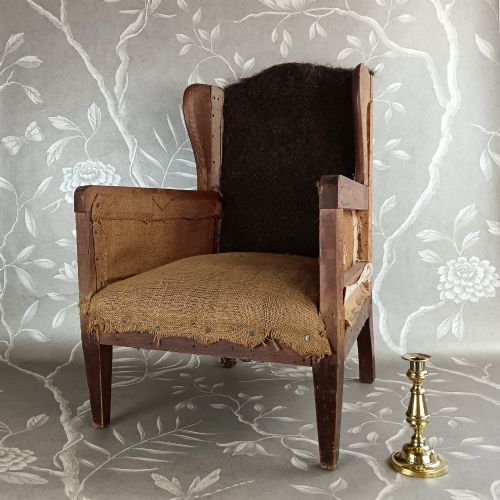
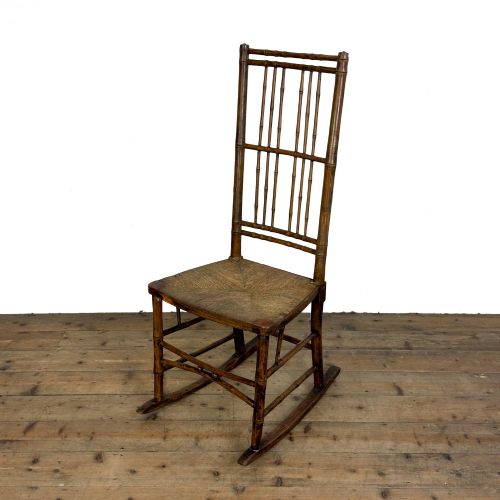
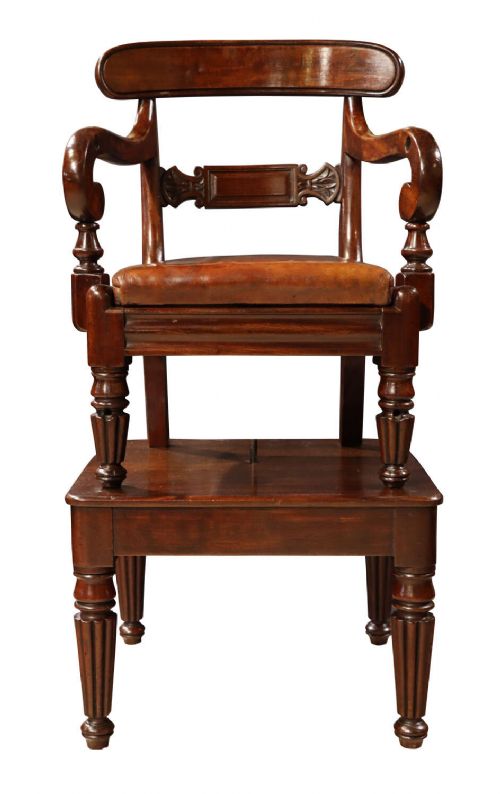
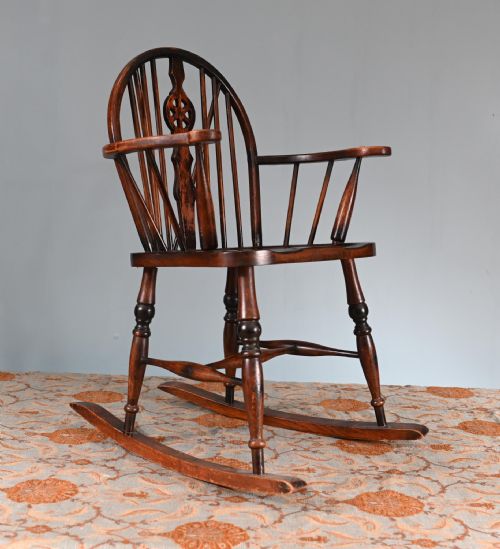


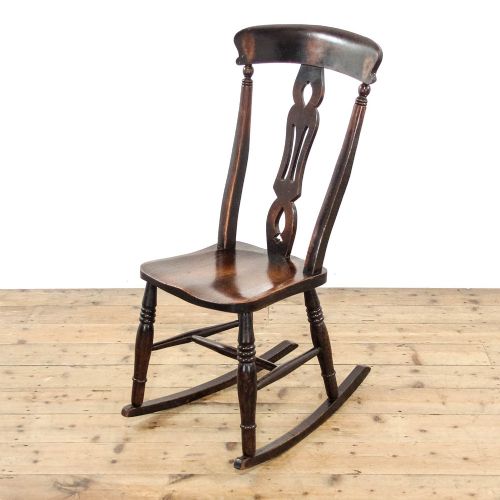


Brown Wooden Nursery Chair
A brown wooden nursery chair brings domestic history into the room, offering low seating built for children and caregivers across past centuries.
Brown Wooden Nursery Chair
A brown wooden nursery chair encompasses a variety of low seating forms made for children and domestic use, including rocking chairs, armchairs, and high chairs. These pieces appear across periods such as the Georgian, Victorian, and Edwardian eras, reflecting the domestic habits of earlier households.
The most common examples on this page are child-sized Windsor chairs and low rockers constructed from native timbers. These functional items served everyday purposes in domestic nurseries and family rooms rather than formal parlours.
Materials and construction methods
Joiners and chairmakers utilised solid timbers such as elm, ash, beech, yew, and mahogany to build these small seats. Many Windsor-style examples combine woods, using bentwood for hoops and spindles alongside turned legs and solid plank seats.
Makers shaped cane, fruitwood, walnut, and oak into frames that relied on traditional joinery, wedged tenons, and steam-bending techniques. The emphasis remained on robust construction suitable for regular domestic use.
Listings feature woods such as elm, beech, mahogany, ash, yew, oak, and fruitwood spanning the Georgian, Victorian, and Edwardian eras.
Factors influencing quality
Quality rests upon the choice of timber, the crispness of the turning on spindles and legs, and the retention of original surfaces. Pieces fashioned from figured yew wood or mahogany with sophisticated lines stand apart from simpler utility seating.
The integrity of the construction, such as untouched wedged joints and original rockers, dictates the standing of an individual piece. Lesser examples show extensive timber replacement or unsympathetic structural alterations.
The Brown Wooden Nursery Chair Glossary
- Windsor
- A chair built with a solid wooden seat into which the legs and back spindles are directly bored. This vernacular form often incorporates a bent bow or hoop back.
- Metamorphic
- Describing a chair designed to transform into another piece of furniture, such as a high chair converting into a low seat on wheels.
- Spindle back
- A chair back constructed from a series of slender turned vertical wooden rods. These components provide lightweight support.
- Fruitwood
- Timber sourced from fruit-bearing trees such as pear or apple, prized by period makers for its dense grain and warm tone.
- Cane
- Woven rattan material used to form light seating surfaces within wooden frames. It appears on Victorian examples alongside solid timber panels.
Brown Wooden Nursery Chair: Frequently Asked Questions
What is a brown wooden nursery chair?
A brown wooden nursery chair is a small-scale historical seat intended for children or caregivers, spanning styles from rustic Windsor rockers to formal mahogany high chairs.
These items were daily domestic objects, designed for feeding, rocking, and child-rearing in historic households.
How do I identify the period of a nursery chair?
Dating relies on observing timber choices, turning styles, and construction techniques, such as the heavier mahogany frames of the Georgian period versus the lighter bentwood of the Edwardian era.
Comparing structural details against documented pieces from the nineteenth century helps narrow down the decade of manufacture.
Were these chairs used for nursery rooms?
These seats served primarily in domestic spaces where children lived, ate, and played, functioning as practical items for families.
Some low models assisted adults with nursing infants, while smaller scaled armchairs suited the children themselves.
How should I care for antique wooden nursery chairs?
Preserving these pieces involves keeping them away from direct heat sources and fluctuating humidity that can dry out historic timber.
Applying occasional appropriate wax helps maintain the surface sheen without damaging the underlying wood.