


Victorian Stick Back Chair
A victorian stick back chair brings robust regional craftsmanship and utilitarian warmth to domestic interiors through time-tested vernacular forms.
Victorian Stick Back Chair
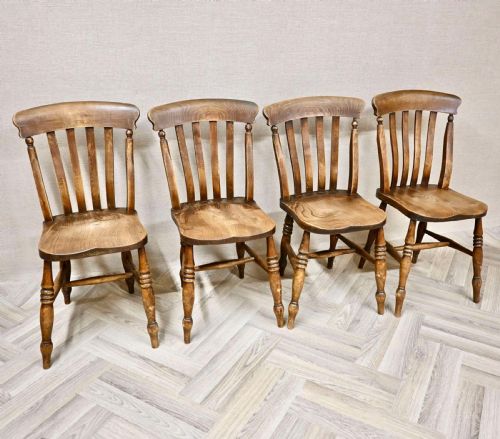
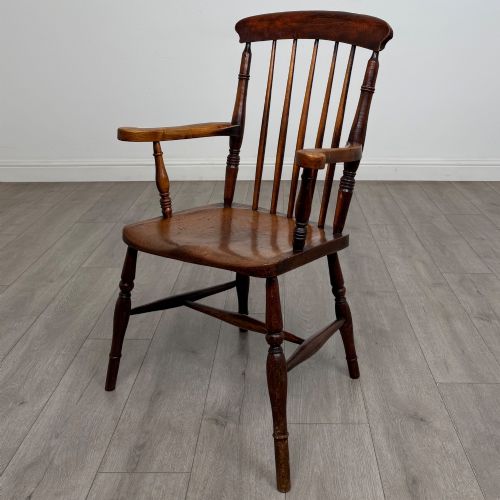
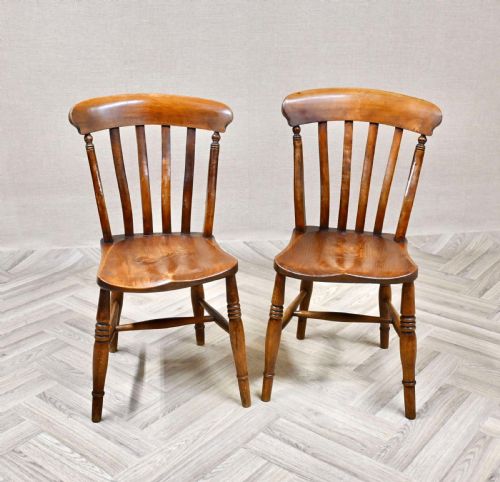
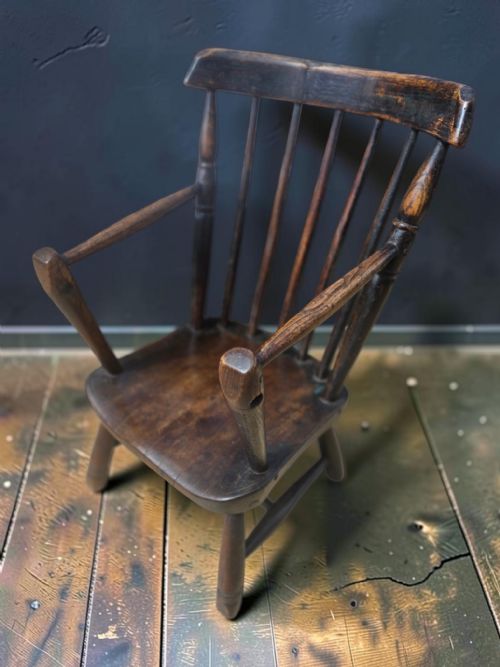
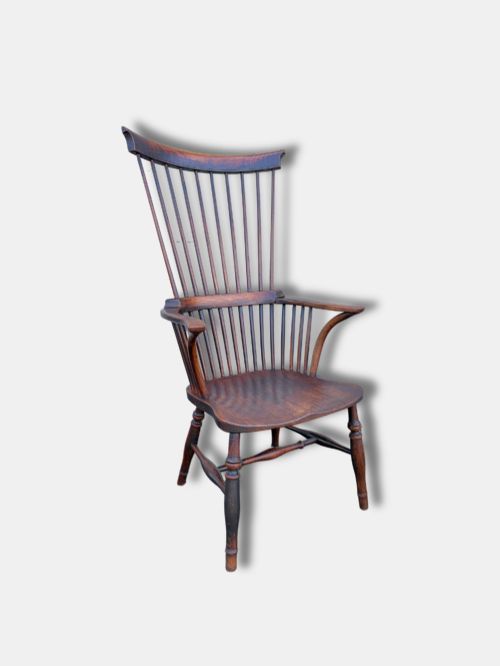
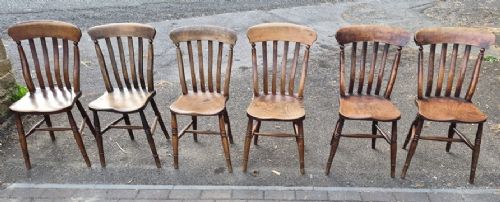
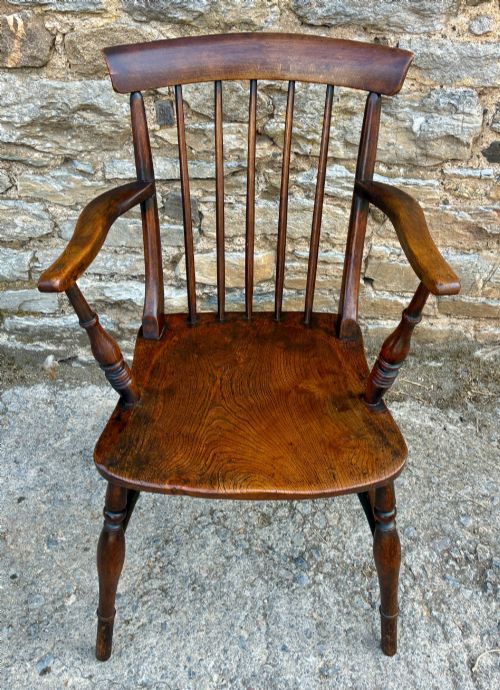
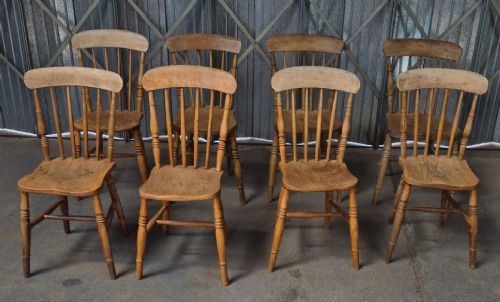
A victorian stick back chair encompasses a range of seating built by regional makers during the nineteenth century, including kitchen dining chairs, low and high back armchairs, and children's miniatures.
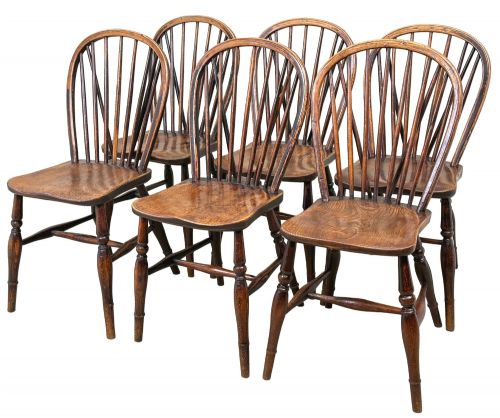
The regional variety spans English country workshops and vernacular traditions, appearing frequently as single pieces, matched sets, or harlequin groups collected from farmhouses and cottages.
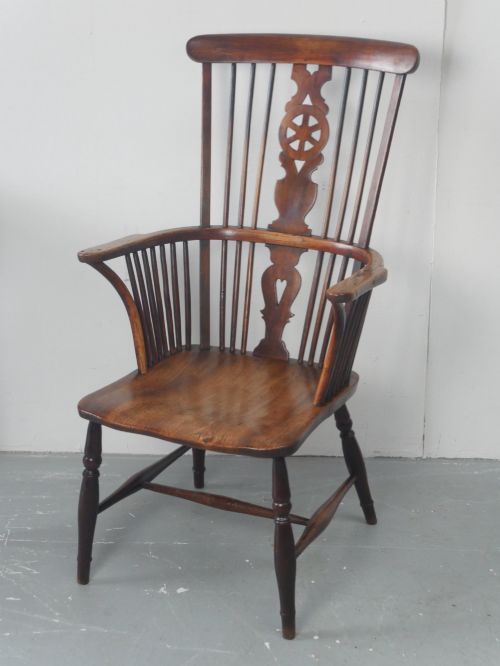
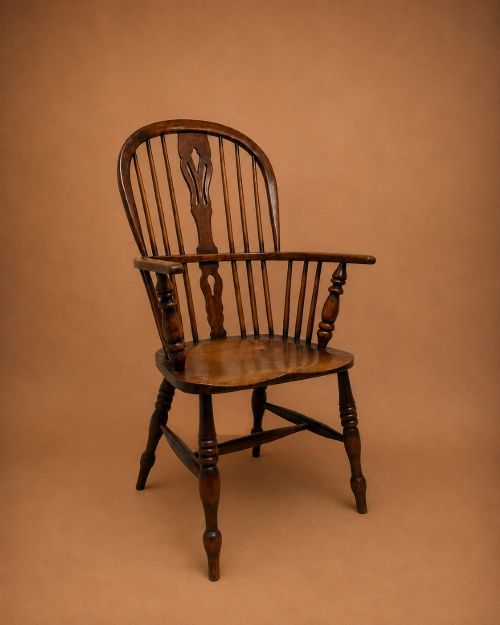
Makers utilised familiar domestic forms like the Windsor structure, combining hooped or comb backs with solid timber seats designed for everyday utility.
Materials and Construction
Construction relies on a combination of native timbers chosen for specific structural properties, predominantly utilising solid elm for comfortable, dished seats alongside ash, beech, oak, or yew wood for steam-bent frames and slender spindles.
Makers employed traditional joinery techniques such as wedged through-tenons and pole-lathe turned components, creating resilient joints that accommodated the natural movement of unseasoned wood.
Surface finishes developed organically through prolonged handling, leaving honest evidence of use, repairs, and timeworn patination across the timber grain.
Recorded object types range from full-size kitchen armchairs and dining sets down to miniature children's chairs and high chairs.
Evaluating Construction and Balance
Quality rests in the harmony of proportions and the integrity of the original construction, where well-balanced arm placement, generous seat saddles, and slender, evenly spaced spindles separate superior workshop output from utilitarian production.
The choice of timber influences desirability, with richly figured yew wood or well-figured elm seats commanding particular appreciation alongside examples retaining tight, uncompromised joinery.
The Victorian Stick Back Chair Glossary
- Stick Back
- A chair construction method where turned spindles are inserted directly into a solid wooden seat. This vernacular design underpins many regional nineteenth-century seating types.
- Windsor Chair
- A form featuring a solid wooden seat into which the back and legs are socketed independently. These chairs often incorporate steam-bent bow frames and arm elements.
- Elm
- A tough, interlocking-grained timber frequently utilised for chair seats because it resists splitting under heavy downward pressure. It forms the foundation of many regional kitchen chairs.
- Yew Wood
- A dense, highly figured native timber prized by chairmakers for high-status Windsor armchairs. Its decorative grain provides distinctive warmth and visual depth.
- Vernacular
- Objects built by regional craftsmen following local traditions rather than strict academic pattern books. These pieces reflect practical domestic needs and available materials.
Victorian Stick Back Chair: Frequently Asked Questions
Were these chairs used only in kitchens?
While frequently termed kitchen or farmhouse chairs due to their durable domestic utility, they served various roles in nineteenth-century homes.
Elm and ash examples furnished country houses, cottages, and occasional spaces where robust, comfortable seating was required.
Why are yew wood examples valued?
Yew wood possessed superior decorative qualities and density, making it a preferred timber for prominent Windsor armchairs.
Craftsmen reserved this material for higher-status commissions, resulting in distinctive grain patterns that develop deep patination over time.
Can I mix different chairs around a table?
Harlequin sets of nineteenth-century seating reflect historical domestic accumulation rather than matching factory production.
Pairing chairs of similar period, timber, and vernacular style creates an authentic dining arrangement rooted in traditional interior use.