


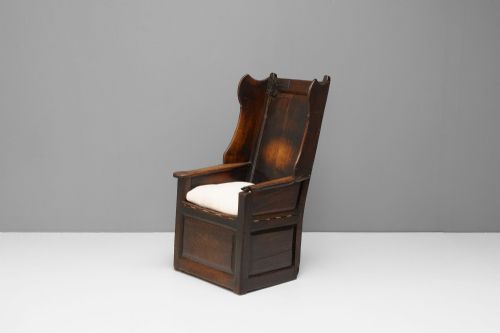


Regional Vernacular Seating
Regional vernacular seating gathers sturdy country chairs shaped by local tradition, offering rustic character and honest local craftsmanship.
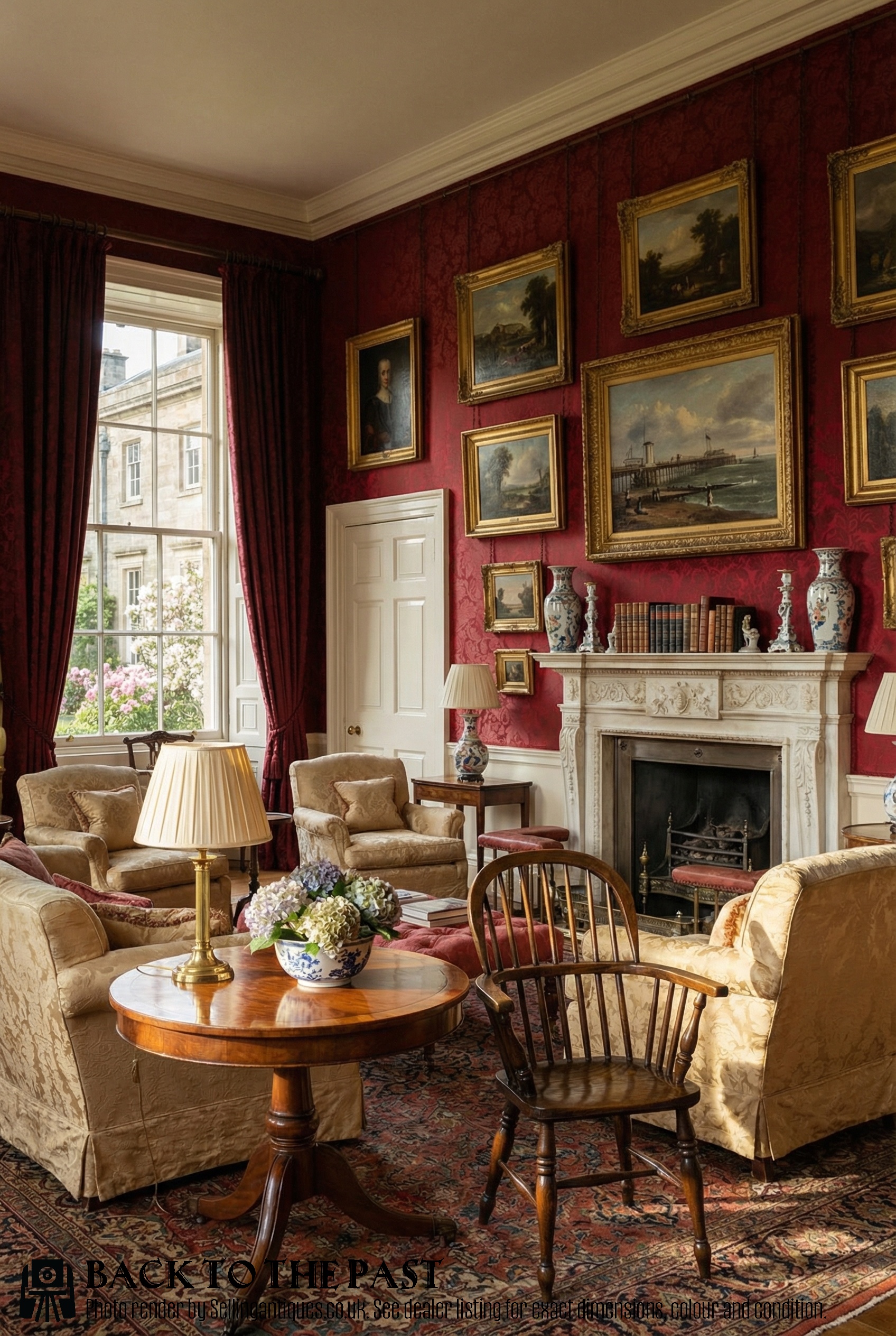
Regional Vernacular Seating
Regional vernacular seating encompasses traditional country chairs shaped by local handcraft and regional building habits across Britain. When you search for regional vernacular seating, you encounter sturdy armchairs, dining chairs, and side chairs built for everyday use in farmhouses, cottages, and provincial homes.
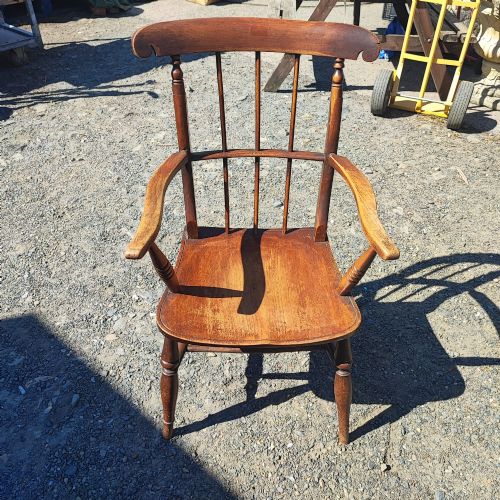
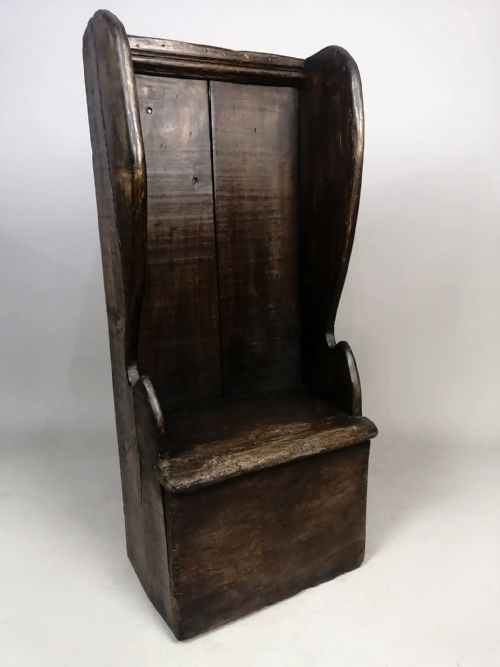
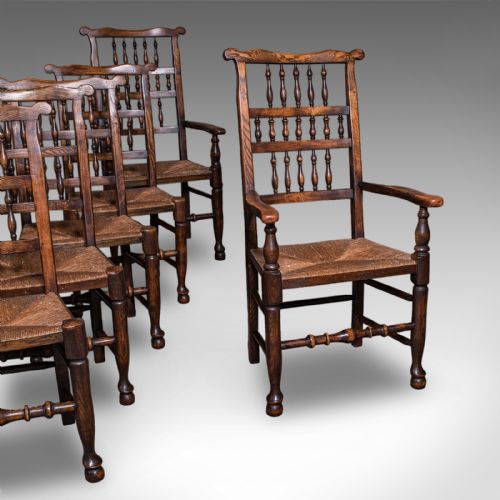
The pieces on this page span several centuries, with examples originating from the seventeenth century through to the Edwardian period. You will frequently find spindle backs, Windsor forms, lambing chairs, and rush-seated ladder backs reflecting the distinct traditions of counties such as Lancashire, Shropshire, Suffolk, and the Thames Valley.
How they were made
Local makers relied on native timbers suited to specific structural demands, combining woods such as elm for solid seats, ash for strong bent limbs, and beech for turned spindles. Fruitwood and oak also appear, providing rigid frames and rich natural grain.
Seats were frequently finished with woven rush or left as solid timber slabs, while backs utilised steam-bent hoops, turned uprights, and carved spindles. Construction methods prioritised durability, employing pegged joints and wedged tenons without elaborate machinery.
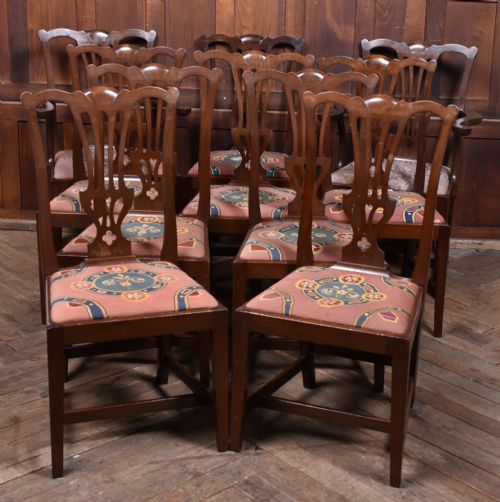
Listings feature regional vernacular seating in Elm, Ash, Rush, Oak, Beech, Fruitwood, and Mahogany across multiple centuries.
What varies in quality
Quality in these chairs rests upon the integrity of the timber selection and the retention of original structural components. Chairs retaining their early surface patination and un-thinned spindles stand apart from those heavily altered or sanded down over generations.
The harmony of local proportions and the skill of the regional turning distinguish finer provincial work from basic utilitarian output. Subtle regional traits, such as distinct crest rails or specific arm shapes, mark the work of accomplished local workshops.
Wheelers of Arncroach·Rockley maker
The Regional Vernacular Seating Glossary
- Spindle back
- A chair back constructed with a series of slender turned wooden uprights between the seat and the crest rail. This light yet strong arrangement is typical of many regional country chairs.
- Windsor chair
- A chair built with a heavy solid wooden seat into which the legs, arms, and back sticks are independently inserted. Regional variations include low-back and stick-back formats.
- Lambing chair
- An enclosed wooden armchair featuring high wings and a solid lower section designed to shield the sitter from draughts. They are frequently associated with early vernacular domestic interiors.
- Rush seat
- A seating surface woven from dried marsh rushes around a wooden frame. This traditional method creates a firm, textured platform for dining and parlour chairs.
Regional Vernacular Seating: Frequently Asked Questions
How do I identify a regional style?
Regional styles reveal themselves through particular combinations of local woods, turning patterns on spindles, and the specific architecture of the back assembly. Certain counties developed signature chair types, such as the spindle backs of Lancashire or the Windsor forms of the Thames Valley.
Studying the construction details against documented regional examples helps attribute a chair to its probable area of origin.
What woods were used for these chairs?
Country chairmakers utilised the native timber available in their immediate localities, selecting specific woods for their mechanical properties. Elm was commonly chosen for solid, unyielding seats due to its interlocking grain, while ash provided flexible strength for bentbows and spindles.
Beech, fruitwood, and oak also feature frequently across provincial chair frames, each contributing distinct colour and weight.
How were rush seats maintained?
Rush seats were woven tightly around a wooden frame using dried marsh grasses and occasionally treated to resist wear. When individual strands eventually wore through, traditional rush seating could be entirely re-woven by hand.
Keeping these chairs in stable humidity preserves the dried plant material and prevents the brittle snapping of old fibres.
Are these chairs suitable for daily use?
Vernacular seating was originally built for rugged, everyday domestic life and remains remarkably durable. Solid timber frames and pegged joinery handle regular sitting well, provided the joints remain tight and secure.
Placing them away from direct heat sources and sudden temperature shifts protects the historic wood and traditional surface finishes.