

Rustic Kitchen Chairs
These rustic kitchen chairs bring honest country character to a table, shaped from sturdy woods by traditional local makers.
Rustic Kitchen Chairs
Rustic kitchen chairs form a practical seating tradition rooted in everyday domestic and rural life. When searching for rustic kitchen chairs, buyers encounter sturdy forms designed for utility, spanning dining chairs, armchairs, benches, and bar stools.
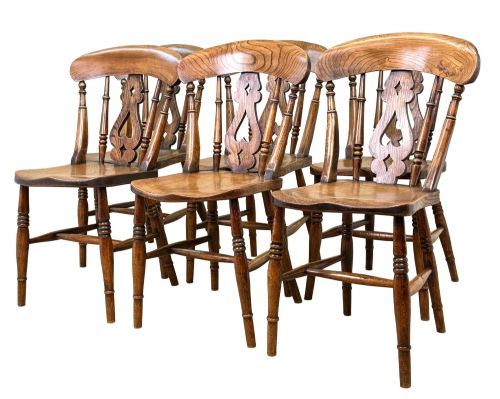
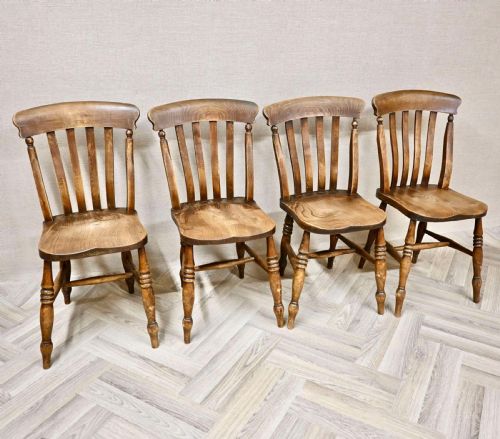
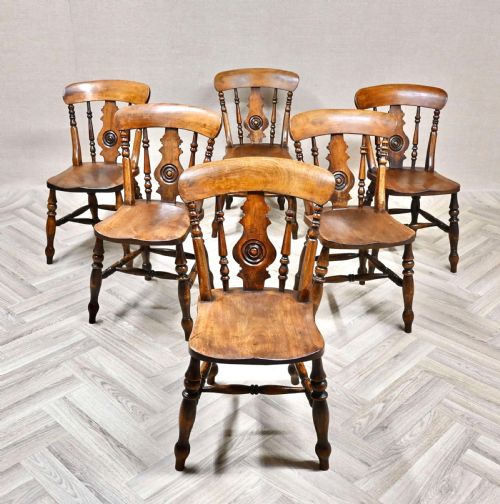
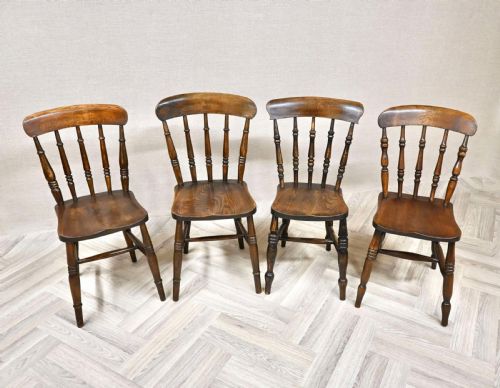
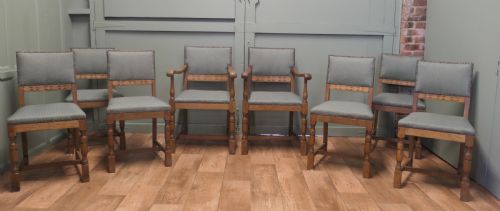
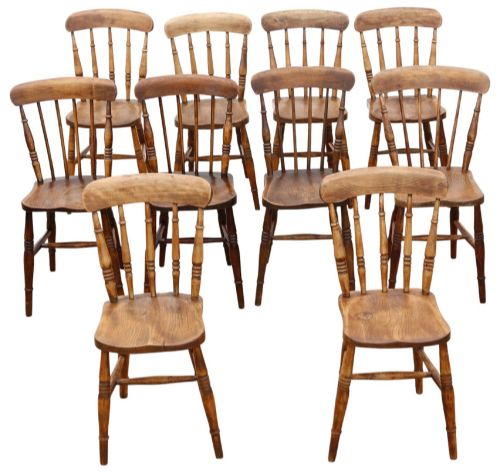
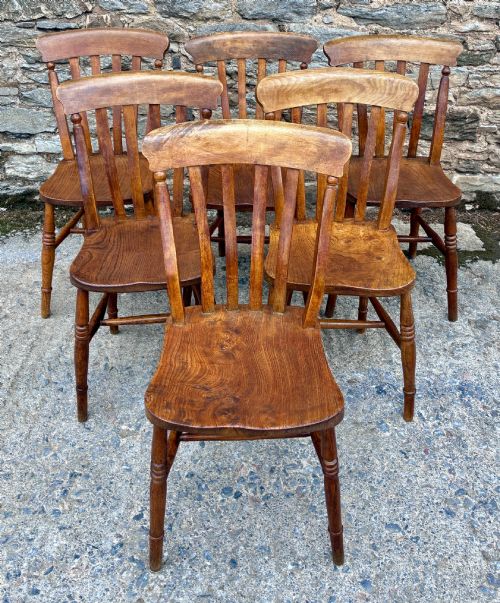
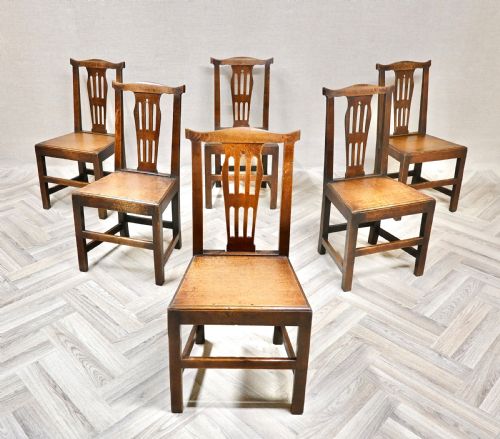
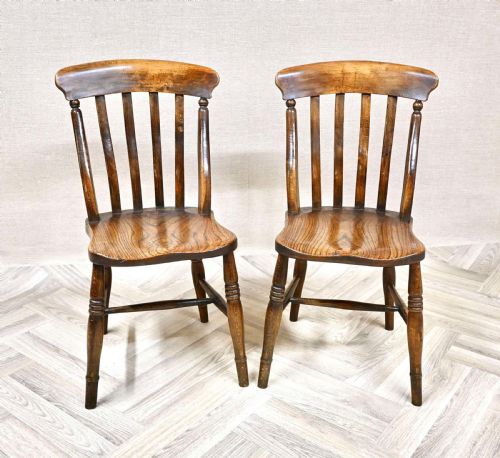
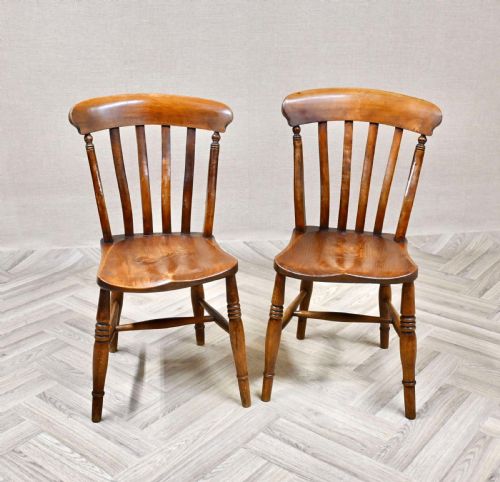
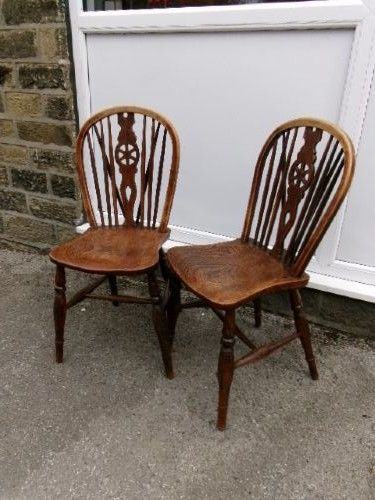
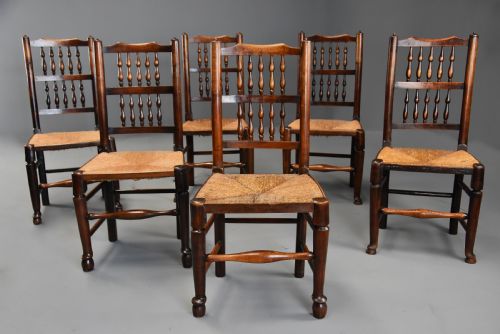
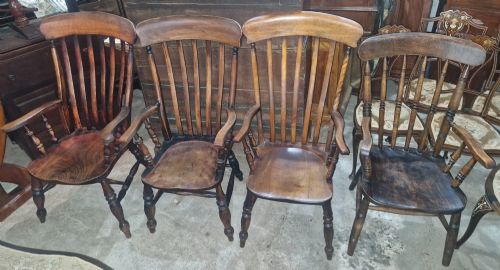
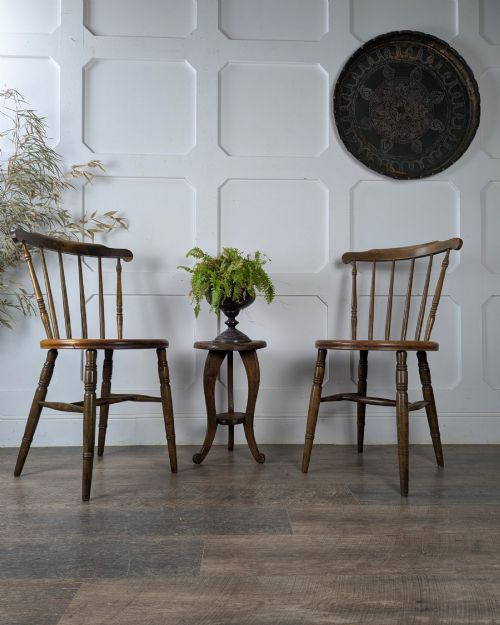
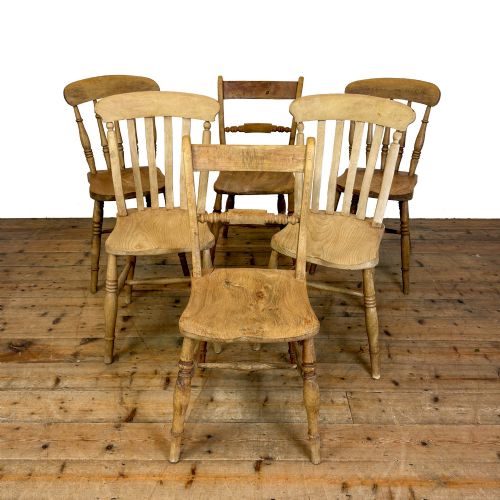
The selection ranges from individual finds to large matched or harlequin sets originating across the nineteenth and early twentieth centuries. Common regional styles include Windsor frameworks, lathe backs, ladder backs, and spindle backs linked to English country vernacular traditions.
Periods represented stretch from the Georgian era through the Victorian age and into the early twentieth century. These pieces served working kitchens and farmhouses, prioritising physical durability and comfort above formal decoration.
Materials and construction methods
Construction relies heavily on native hardwoods paired with softer timbers for specific components. Workshops utilised elm for sturdy scooped seats, combined with ash, beech, or oak for bent frames, spindles, and legs.
Joinery techniques involve traditional turning, steam bending, and wedged tenons designed to withstand heavy daily use. Surfaces often display remnants of early paint finishes or bear bare wood polished smooth through generations of handling.
Several chairs preserve deep saddle-shaped seats carved by makers to make hours of kitchen work comfortable.
Distinctions in quality
Quality rests upon the integrity of the original construction and the balance of the timber. Better examples maintain tight joints, well-turned spindles, and thick plank seats that have not suffered from excessive thinning during past restorations.
The visual appeal of the surface finish plays a major role in distinction. Superior pieces retain a deep, warm patina developed through decades of domestic use, while lesser examples may show unsympathetic repairs or mismatched elements within a set.
The Rustic Kitchen Chairs Glossary
- Windsor
- A chair built with a solid wooden seat into which the legs and back spindles are separately inserted. This construction method provides notable strength without heavy framing.
- Harlequin set
- A collection of chairs that share a similar style, period, or material but were not originally manufactured together as a matching group. These sets offer a gathered, authentic look around a dining table.
- Patina
- The deep surface sheen and texture developed on wood over long periods of handling and use. It serves as an indicator of age and honest preservation.
- Ladderback
- A chair back constructed from horizontal wooden slats or rails stacked between two vertical uprights. This traditional form appears frequently in regional farmhouse seating.
- Spindle back
- A chair back featuring a series of thin, turned wooden uprights connecting the seat to the top rail. This design lightened the structure while maintaining robust support.
Rustic Kitchen Chairs: Frequently Asked Questions
How do I care for antique wooden kitchen chairs?
Maintain the wood by applying natural beeswax periodically to nourish the dry grain and protect the surface from moisture. Avoid placing chairs near direct heat sources or in harsh sunlight to prevent the timber from splitting.
Check the legs and stretchers occasionally for movement, addressing loose joints promptly before they sustain structural damage. Gentle cleaning with a soft, dry cloth preserves the historical patina accumulated over generations.
What is a harlequin set?
A harlequin set is a group of dining chairs that match in general style, material, and period but were gathered from different sources rather than manufactured together. This approach reflects how country households naturally acquired seating over time.
Such sets work well around farmhouse tables, offering visual interest through subtle variations in turning and wood grain while maintaining a cohesive overall appearance.
Are these chairs suitable for daily dining use?
Most nineteenth and early twentieth-century country chairs were built for heavy domestic service and remain structurally robust for modern dining. Solid timber construction and pinned joints provide the durability required for everyday seating.
Buyers should ensure individual joints are secure and seats remain stable before putting them into regular service around a busy household table.
How do I distinguish regional chair styles?
Regional styles often reveal themselves through turning details on the legs and the specific shaping of the back bow or crest rail. Thames Valley designs, for instance, frequently exhibit specific combinations of elm seats and bent ash components.
Comparing the stretcher placement and spindle profiles helps identify whether pieces share a common local workshop tradition or period of origin.