
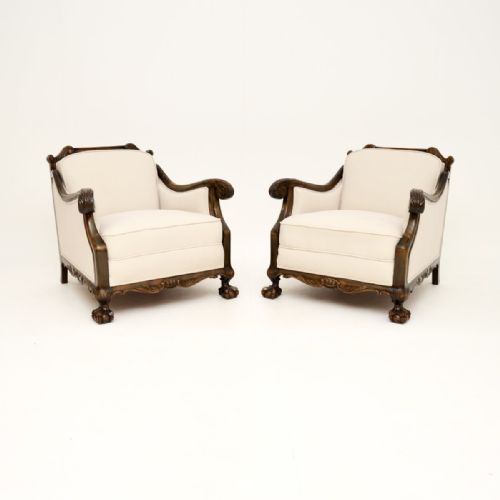
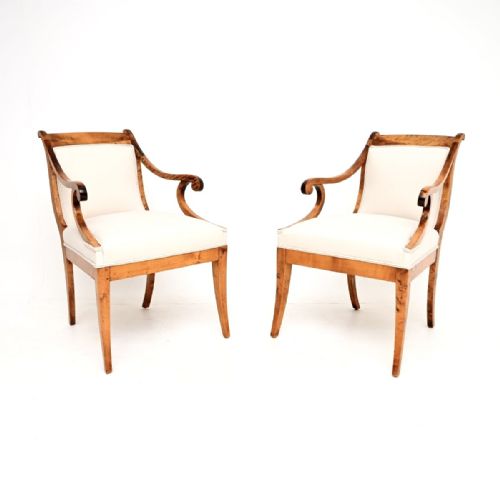


Birch Wood Armchairs
Birch wood armchairs offer striking grain and clean Scandinavian lines, bringing warmth and enduring style to any room.
Birch Wood Armchairs
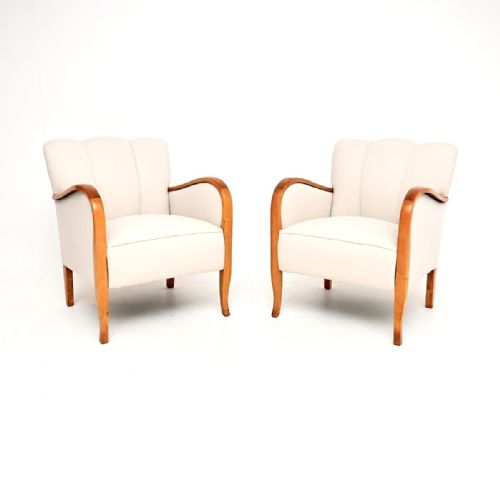
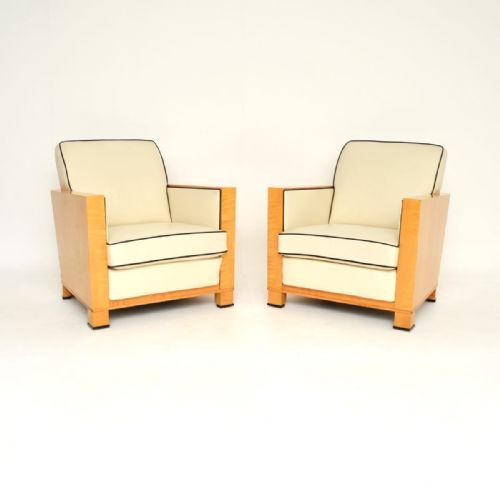
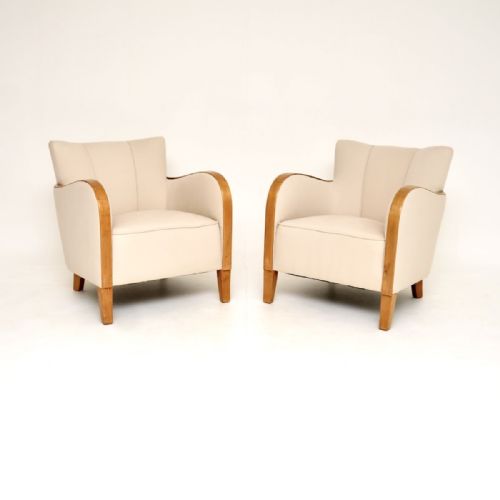
Makers utilised various finishes, incorporating satin birch veneers, ebonised wood details, and upholstery in fabric or leather. These seating options combine sturdy domestic timber frames with considered decorative flair.
How they were made
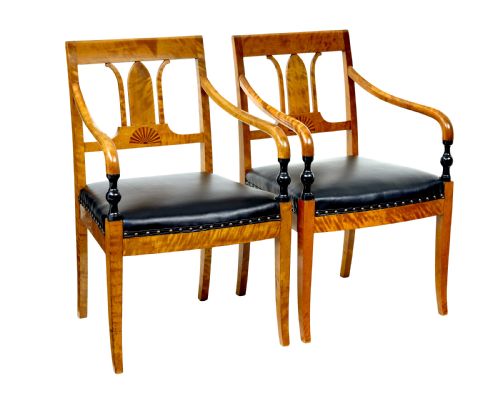
Makers built these frames using solid birch and elm, often applying satin birch or burr birch veneers to display the natural figuring of the wood. Ebonised wood details provided stark contrast against the pale timber surfaces.
Upholstery techniques involved traditional stuffing and covering in fabric or leather, while structural elements integrated brass hardware where appropriate. Carved details appeared on specific chairs, particularly those reflecting earlier Swedish design influences.
Bobbin and bar backs bring a touch of vernacular charm to the sturdiest birch frames.
What varies in quality
The distinction between standard examples and the finest pieces lies in the selection of wood veneers, such as richly patterned satin birch or burr birch. Superior items exhibit careful matching of timber grains across prominent surfaces.
Refinement in carving and the integration of ebonised accents or brass elements separate exceptional chairs from simpler domestic seating. The execution of upholstery and the preservation of original timber finishes further define the upper tier of the range.
The Birch Wood Armchairs Glossary
- Biedermeier
- A nineteenth-century Central European style known for utilitarian comfort and clean lines. It prioritised warm wood grains over heavy ornamentation.
- Satin Birch
- A timber variety displaying a natural chatoyant shimmer when polished. Cabinet makers prized it for decorative veneer work on prominent furniture faces.
- Karl Johan
- A Scandinavian neoclassical style named after the Swedish monarch. It bridged empire influences with northern domestic traditions.
- Ebonised Wood
- Timber treated to resemble ebony through staining or painting. Makers utilised this dark finish to create sharp visual contrast against pale birch.
- Arts and Crafts
- A movement favouring honest construction and visible craftsmanship. Rocking chairs and vernacular forms frequently emerged from this ethos.
Birch Wood Armchairs: Frequently Asked Questions
Are birch wood armchairs comfortable for daily use?
Many examples, particularly the club armchairs and upholstered lounge seating from the nineteen-thirties, provide deep cushioning suitable for relaxing. Their ergonomic forms support extended sitting.
Simpler ladder-back or rocking chair variants offer firmer support, reflecting the domestic habits of earlier decades.
How do I identify a Biedermeier birch armchair?
Biedermeier pieces typically date from the mid-nineteenth century and display restrained, elegant curves without excessive carving. They rely on the warm tones of birch and satin birch veneers.
Ebonised accents often highlight the structural lines of these chairs, distinguishing them from later Art Deco designs.
Do these armchairs come in pairs?
A significant portion of the available inventory consists of matched pairs, particularly among the Swedish Art Deco and Biedermeier examples. These were originally commissioned for formal parlours and salons.
Single armchairs and rocking chairs also appear, representing more individual domestic seating needs.
How should I care for vintage birch furniture?
Protect the wood and leather surfaces by keeping them away from direct sunlight and sudden temperature shifts. Regular dusting with a dry cloth maintains the finish.
Condition leather upholstery periodically with appropriate balms to prevent cracking, while leaving polished wood surfaces to age naturally.