
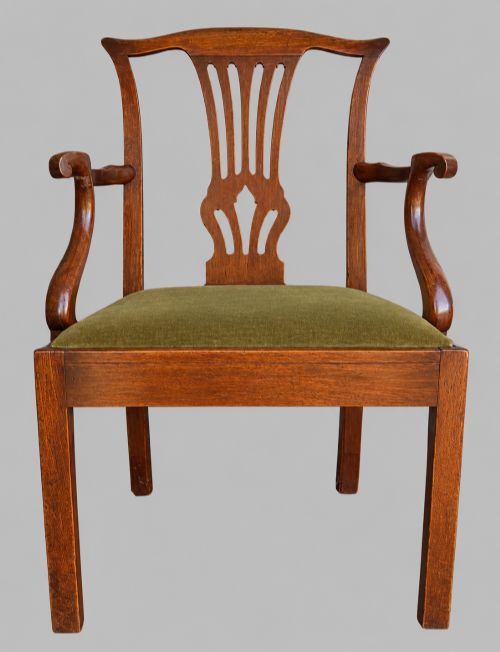
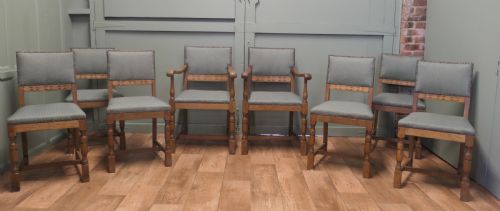
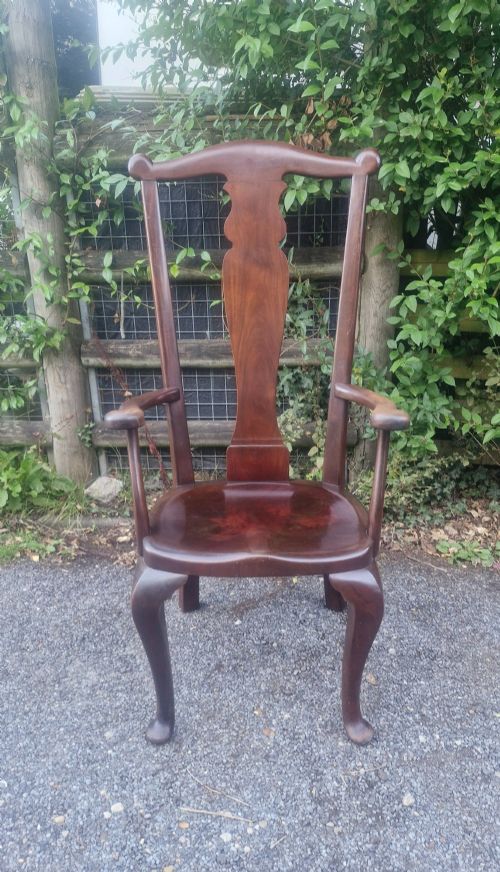
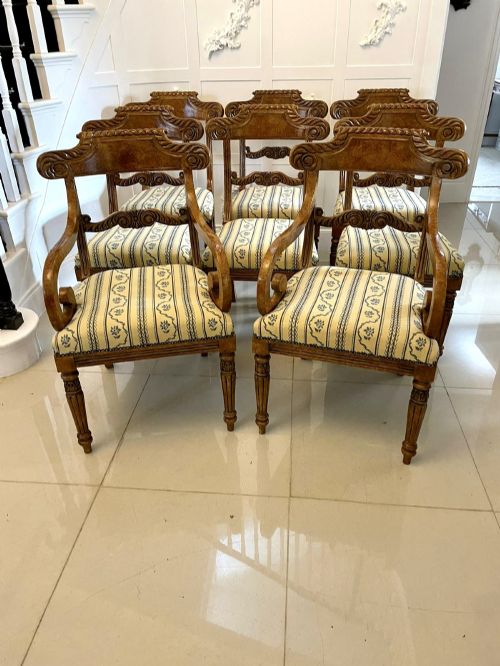
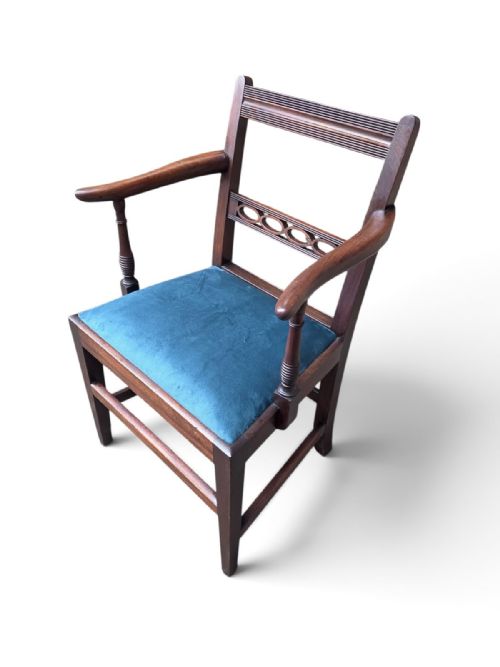
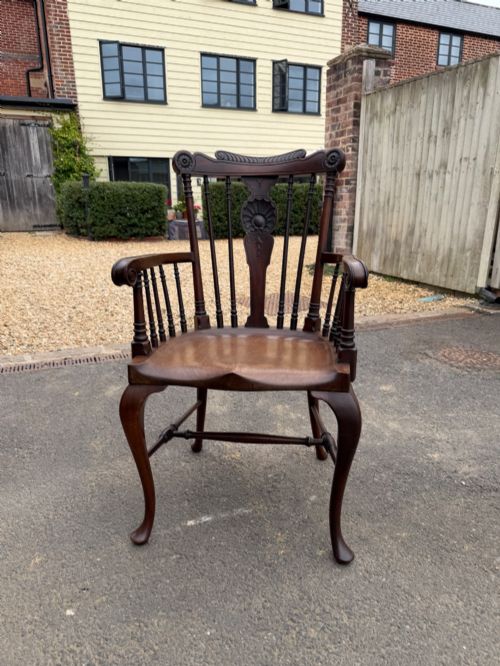
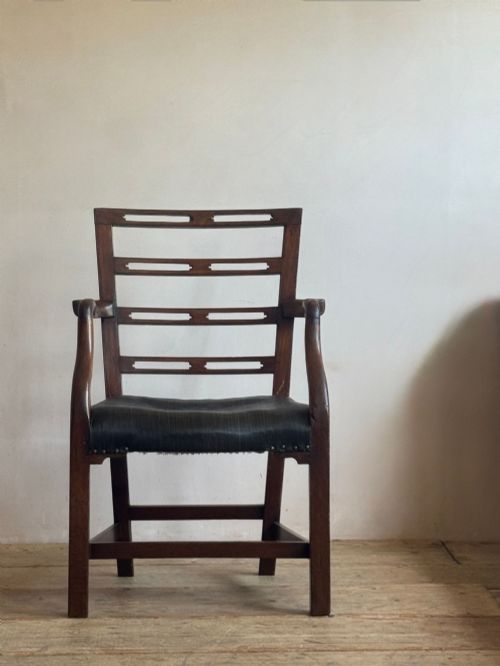
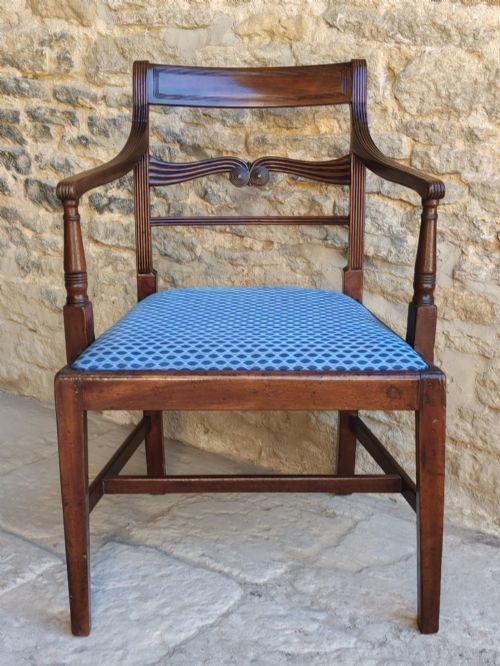
Carved Wooden Dining Carvers
These carved wooden dining carvers offer solid historical presence at the table, spanning multiple centuries of skilled cabinet making.
Carved Wooden Dining Carvers
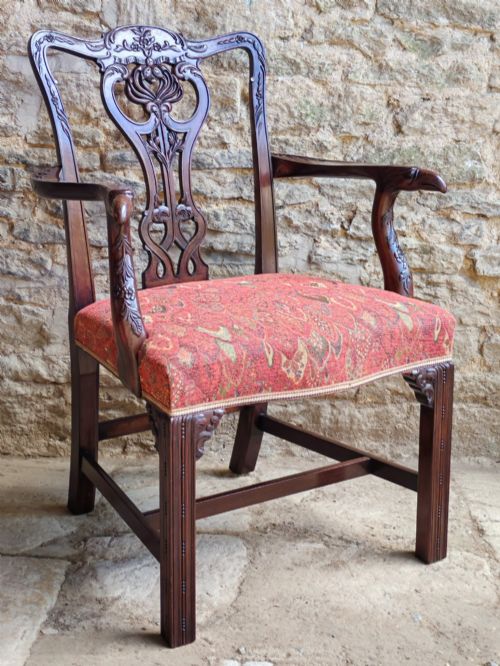
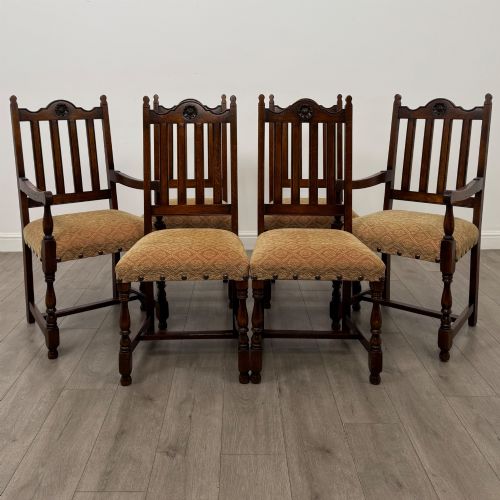
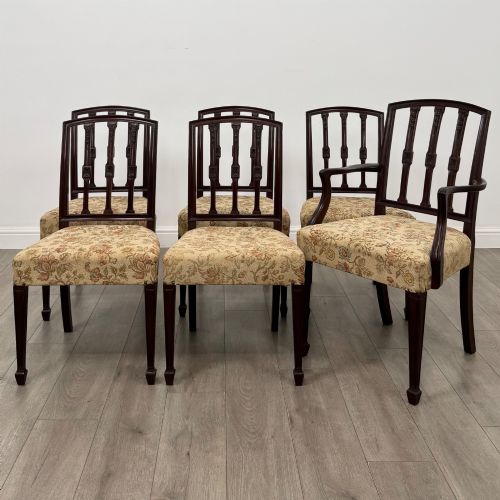
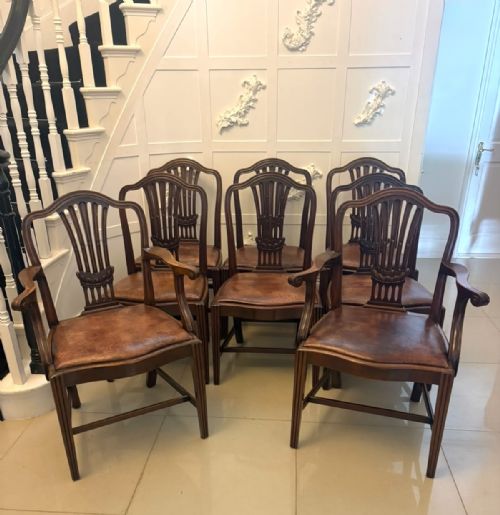
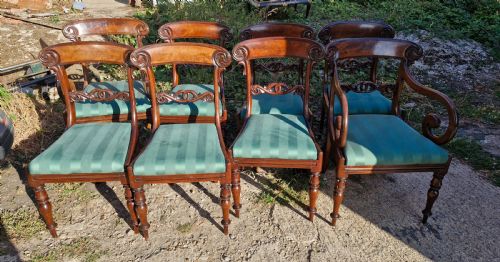
When you search for carved wooden dining carvers, you are looking at substantial seating designed for the heads of a dining table, featuring supportive armrests and decorative woodwork. The pieces gathered here range from the 18th century through the Victorian, Edwardian and Georgian eras, alongside various revival styles.
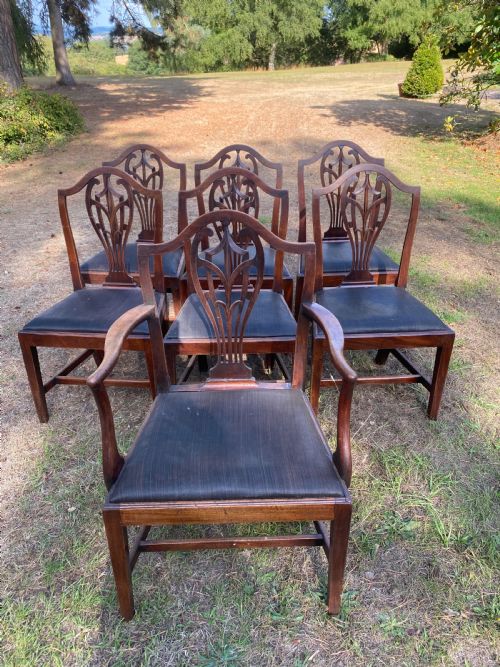
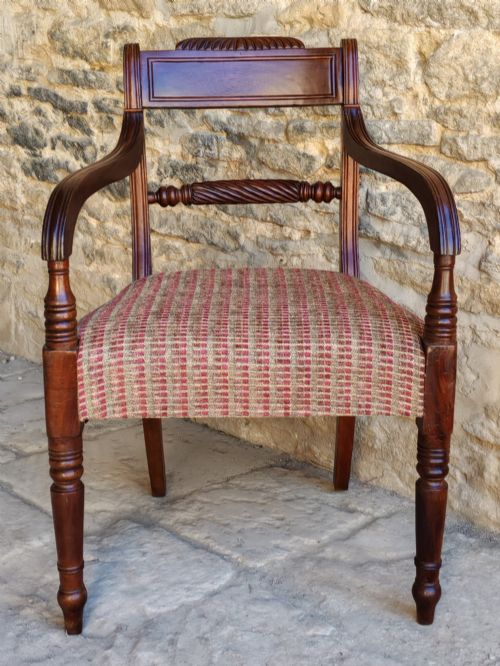
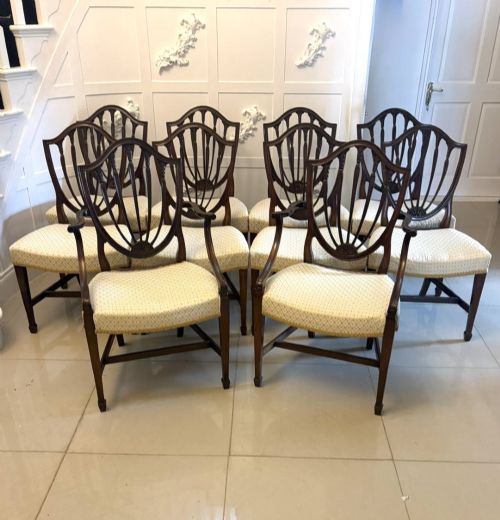
Mahogany and oak dominate the selection, often appearing in forms such as Chippendale style, Hepplewhite style, and Regency designs. You will frequently encounter individual armchairs as well as pairs and larger matched sets that include both side chairs and matching carvers.
How they were made
Cabinet makers relied primarily on mahogany and oak for structural integrity, shaping solid timber into sturdy frames, curved armrests, and intricate backsplashes. Skilled joinery techniques ensured that load-bearing joints remained secure under daily use at the dining table.
Decorative elements such as ropebacks, shield backs, and carved fretwork were hand-shaped directly into the wood. Upholstery fabric, leather, and brass detailing were subsequently added to seats and backs for comfort and visual contrast.
What varies in quality
The distinction between ordinary production and superior work rests on the crispness of the hand carving and the selection of timber figures, such as burr walnut or faux birds eye maple. Better examples display harmonious proportions and deep, uncompromised timber sections in the arms and legs.
Original upholstery methods and period-appropriate hardware elevate specific pieces above later replacements or heavy restorations. The integrity of the underlying wooden frame ultimately dictates the long-term character and standing of each armchair.
Howard and Sons·Maple and Co
The Carved Wooden Dining Carvers Glossary
- Carver chair
- An armchair designed specifically to sit at the head or foot of a dining table. These pieces feature supportive armrests to accommodate the host.
- Shield back
- A chair back shaped like a heraldic shield, popularised in the 18th century and later revived. This design often incorporates carved splats and open woodwork.
- Ropeback
- A chair back design featuring carved wooden members that twist to resemble knotted or braided rope. This detail appears frequently on Regency and Georgian pieces.
- Chippendale style
- A furniture design style inspired by Thomas Chippendale, known for intricate carved details and interlaced splats. Revivals of this aesthetic span the 19th and 20th centuries.
- Hepplewhite style
- A light, elegant chair design characterised by shield or oval backs and tapered legs. It draws inspiration from the 18th-century designer George Hepplewhite.
Carved Wooden Dining Carvers: Frequently Asked Questions
What is a carver chair?
A carver chair is an armchair traditionally placed at the head of a dining table for the host. It provides extra support through integrated armrests while matching the design of the surrounding dining chairs.
These pieces combine functional seating with decorative woodwork, serving as both a practical chair and a focal point in the dining room.
How do I date a wooden armchair?
Dating relies on examining the timber species, joinery methods, and stylistic cues such as shield backs or rope motifs. Cabinet makers altered their construction techniques across the Georgian, Victorian, and Edwardian periods.
Comparing the primary wood, secondary timbers, and carved details against known historical styles helps establish the approximate decade of manufacture.
Are carver chairs comfortable?
Most carver chairs provide generous proportions and armrests that offer natural support during long meals. Many examples include padded seats upholstered in fabric or leather.
Comfort varies depending on the depth of the seat and the angle of the high back, with some period designs prioritising formal posture over deep cushioning.
How do I mix carvers with other chairs?
Placing armless dining chairs along the sides of the table while positioning matching carvers at either end creates a balanced arrangement. Many antique suites were originally built with this exact combination in mind.
Matching the wood tone, such as mahogany or oak, ensures visual harmony even when the specific revival style or period varies slightly.