


Underglaze Blue Iron Red
Underglaze blue iron red pieces combine deep cobalt painting with fiery rust tones, offering collectors centuries of Asian ceramic artistry.
Underglaze Blue Iron Red
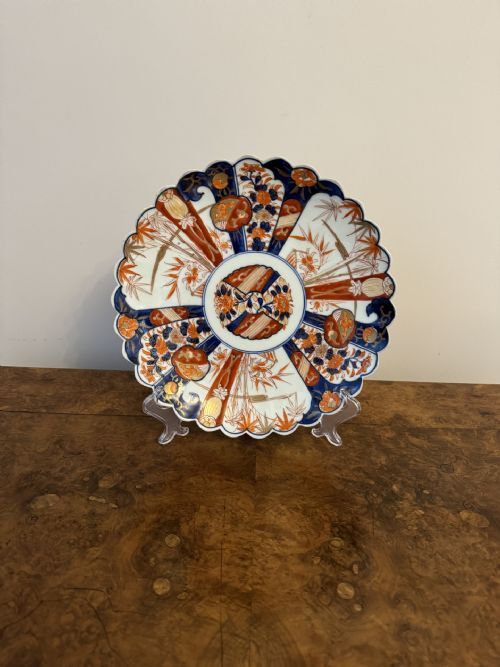
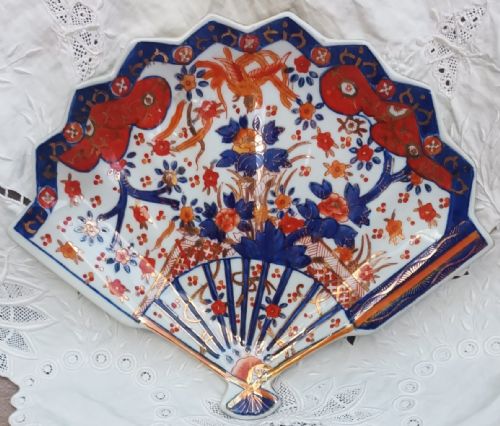
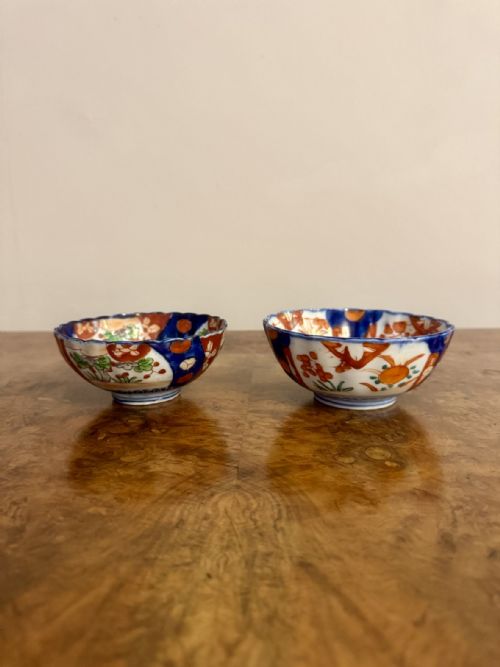
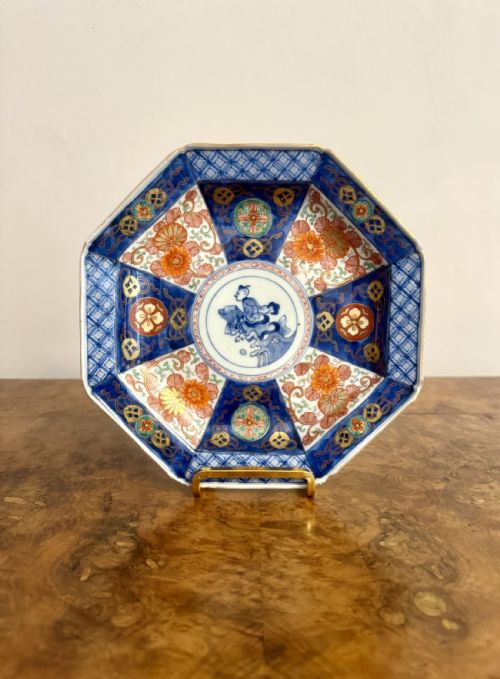
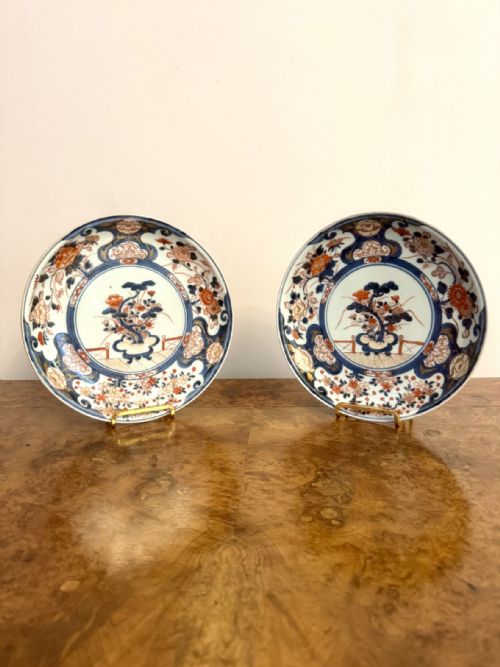
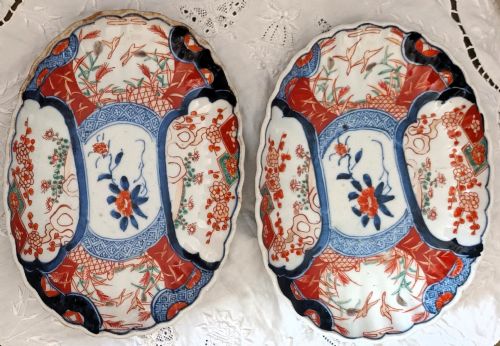
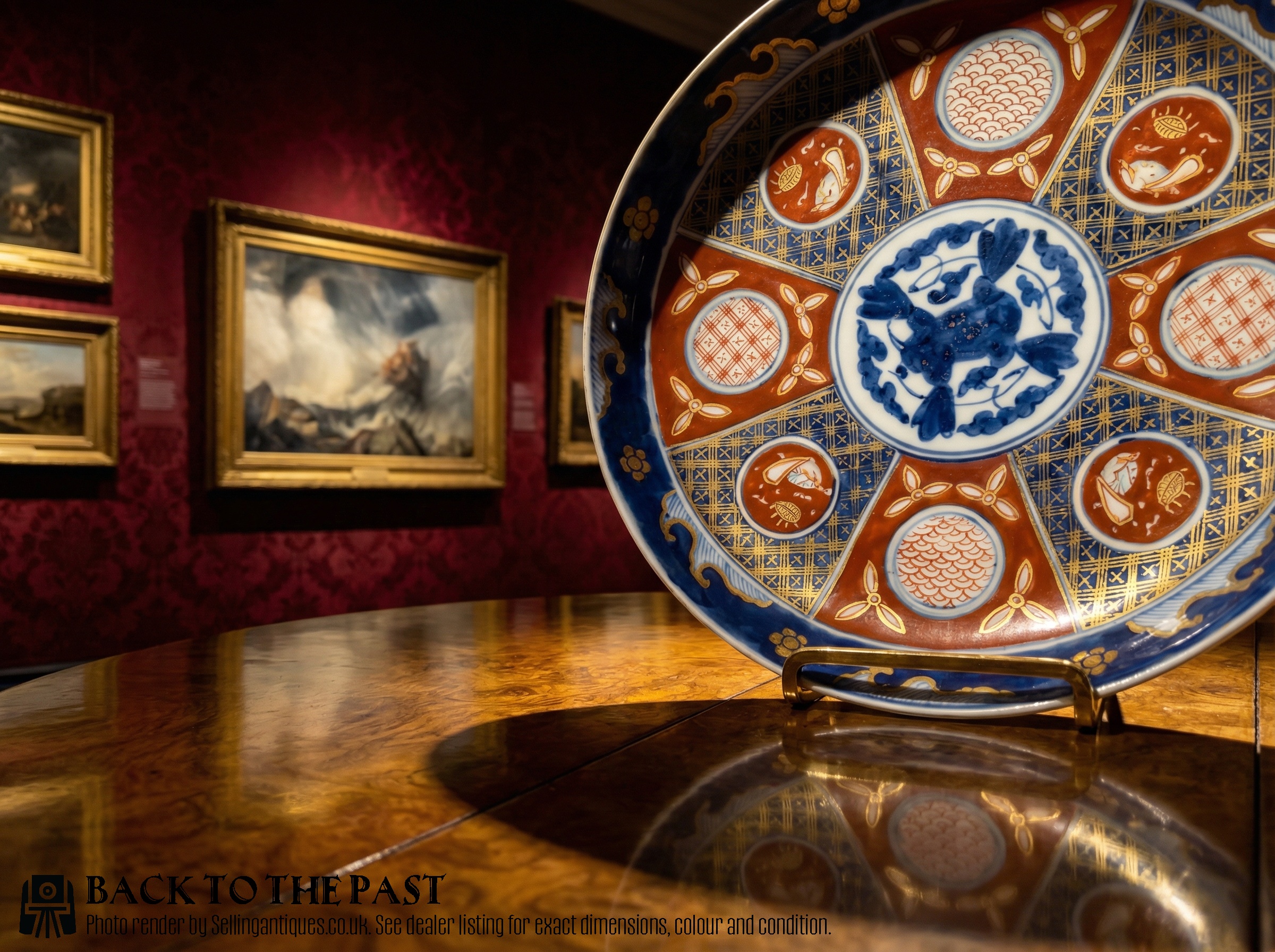
When you search for underglaze blue iron red, you encounter ceramics spanning several centuries from Chinese and Japanese kilns. The selection here leans heavily towards Japanese Imari plates, dishes, bowls, and vases originating around 1900 or the 19th century.
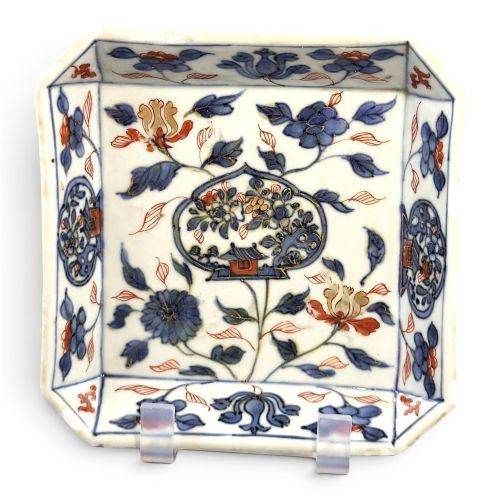
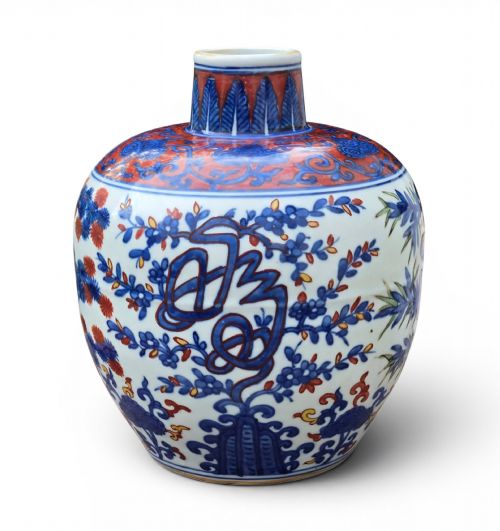
The assortment also encompasses earlier items, including Chinese export porcelain from the Kangxi and Qing periods alongside transitional jars and pieces marked to the Jiajing era. These forms range from simple mugs and tankards to large scalloped plates and hexagonal vases.
Buyers find a mixture of everyday decorative wares and distinct scholarly pieces like jars and chamfered square bowls. Japanese Imari dominates the current selection, giving the grouping its characteristic palette of blues, reds, and gilded highlights.
Materials and technique
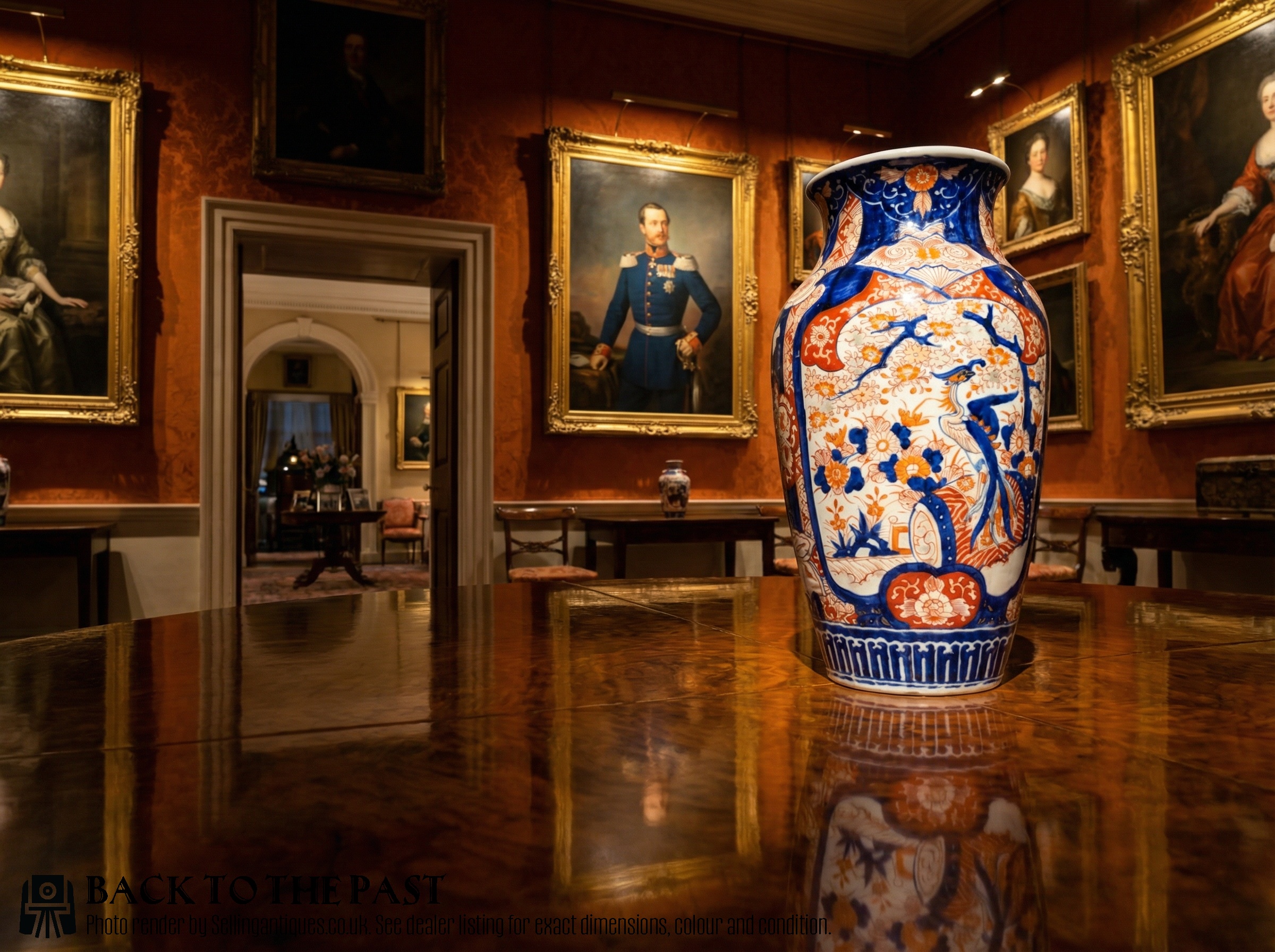
Potters painted cobalt blue directly onto the raw porcelain body before applying a clear glaze and firing the piece at high temperatures. This underglaze blue forms the permanent foundation of the design.
Iron red enamel and supplementary colours such as green enamel or gold leaf were applied over the fired glaze and fixed in a subsequent, lower-temperature kiln firing. Gilding and gilt highlights frequently complete the decorative scheme on Imari wares.
Underglaze Blue Iron Red Retail Price Guide 2026
Typical asking prices for underglaze blue iron red among the pieces listed under this phrase on Sellingantiques today, from the lower quarter to the upper quarter. They describe what is for sale here now, not the wider market.
Chinese export and Japanese Imari styles represent the primary decorative traditions found in the current selection of ceramics.
Assessing quality in the pieces
The refinement of the painted brushwork dictates the visual strength of each vessel, separating standard production from superior examples. Precision in the cobalt lines and control over the iron red and enamel pigments define the finer items.
The crispness of the porcelain form, whether a hexagonal plate or a chamfered square bowl, reflects the care taken during shaping and firing. Surface preservation, particularly the intactness of overlying gilding and enamel details, distinguishes well-kept objects.
The Underglaze Blue Iron Red Glossary
- Underglaze blue
- Cobalt pigment applied to the unglazed ceramic body before the transparent glaze goes on. This allows the blue pigment to endure high kiln temperatures without fading.
- Iron red
- A rust-red pigment derived from iron oxide, applied either under the glaze or as an enamel over the glaze. It brings a warm, brick-red tone to complement the cobalt.
- Imari
- A style of Japanese export porcelain originating from Arita, characterised by a palette of underglaze blue, iron red, and gold. These pieces were shipped to Europe in large quantities from the Edo period onwards.
- Kangxi
- A major reign period of the Qing dynasty spanning the late seventeenth and early eighteenth centuries. Wares from this era are noted for brilliant cobalt blue and fine porcelain bodies.
- Wucai
- A Chinese ceramic technique meaning five colours, combining underglaze blue with contrasting overglaze enamels such as iron red and green.
Underglaze Blue Iron Red: Frequently Asked Questions
What is underglaze blue iron red?
Underglaze blue iron red refers to ceramics decorated with a combination of cobalt blue applied beneath the glaze and iron-rich red pigments applied either under or over the glaze. This dual-colour scheme creates a striking contrast between deep blue outlines and warm rust-red highlights.
Such decorative techniques appear across various periods of Chinese and Japanese export porcelain, including Ming dynasty imperial wares and later Meiji period Imari plates.
How do I date an Imari plate?
Dating an Imari plate involves examining the clay body, the brightness of the cobalt, and the application of the iron red and gilding. Earlier pieces from the 1700s often exhibit finer potting and softer, more integrated enamel colours compared to later nineteenth-century or 1900s productions.
Stylistic shifts in the painted borders and floral panels also provide clues to the manufacturing era, moving from restrained Kangxi designs to busier Meiji period compositions.
How should I display a decorative jar?
A decorative jar or vase benefits from placement on a sturdy surface where adequate lighting can highlight the underglaze blue and iron red details. Keeping the piece away from direct sunlight protects any delicate overglaze enamels and gold leaf.
Pairing a jar with compatible dishes or bowls can create a balanced display, allowing the varying forms and shapes of the porcelain to complement each other.