
Underglaze Blue Export Porcelain
Underglaze blue export porcelain brings together centuries of Asian ceramic artistry and trade, offering collectors striking painted vessels that defined global interiors.
Underglaze Blue Export Porcelain
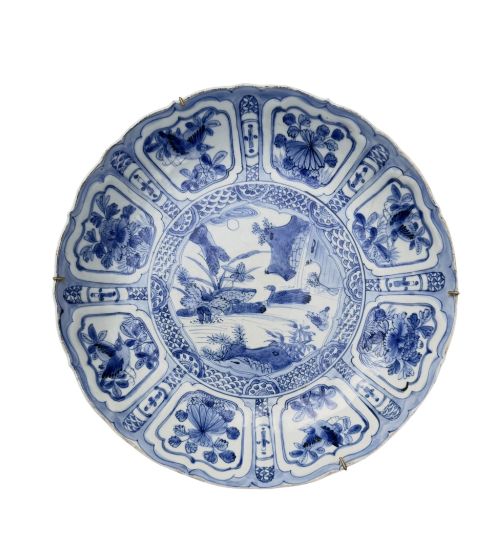
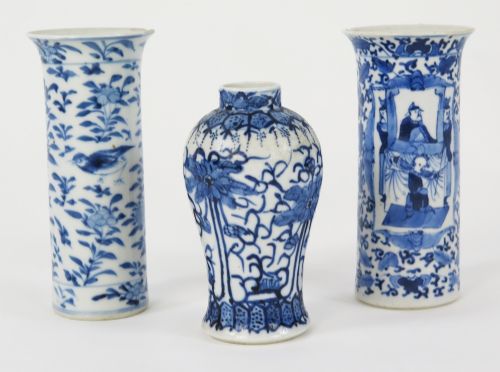
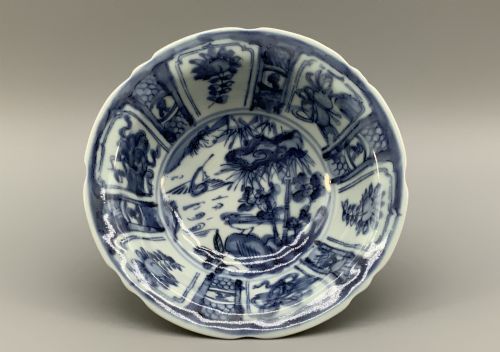
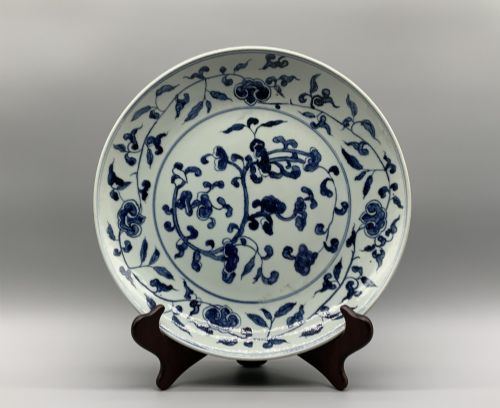
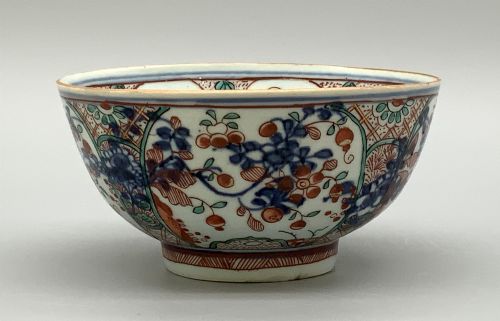
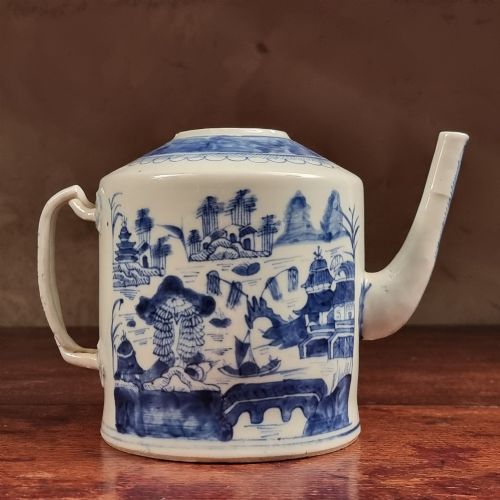
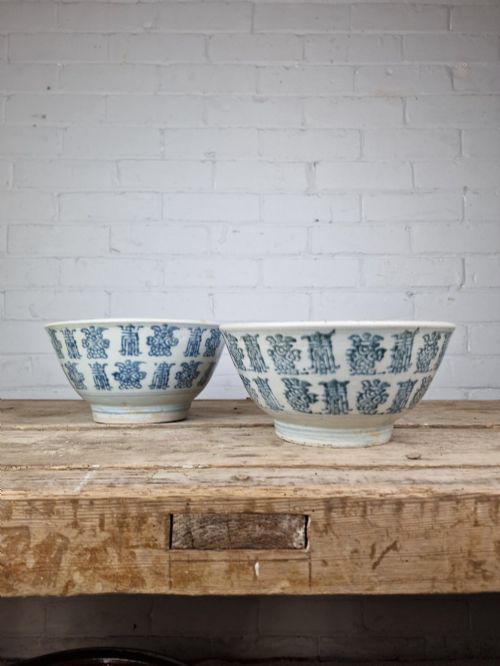
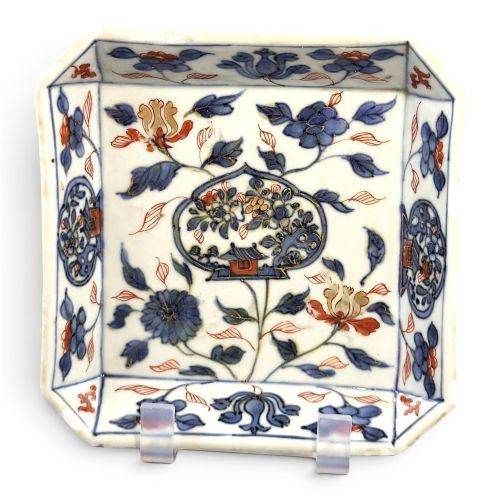
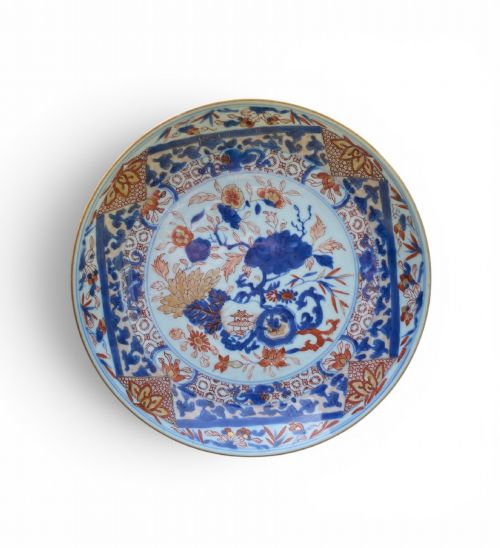
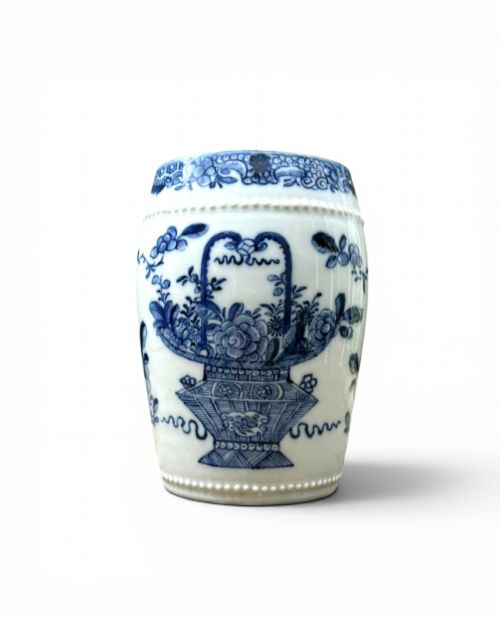
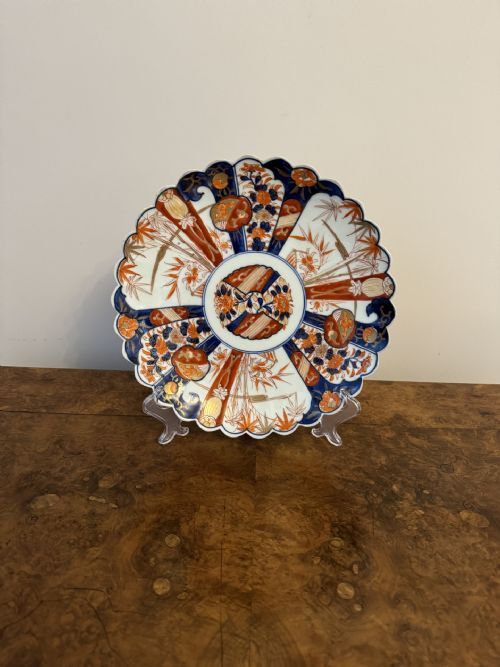
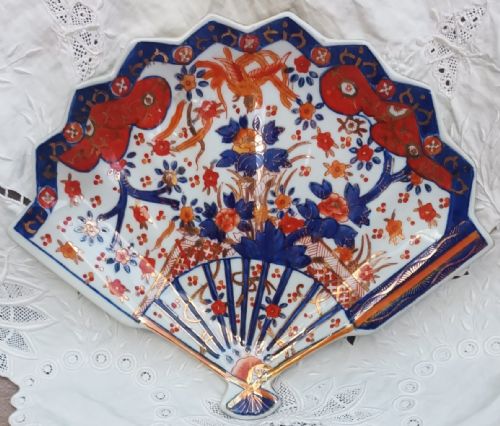
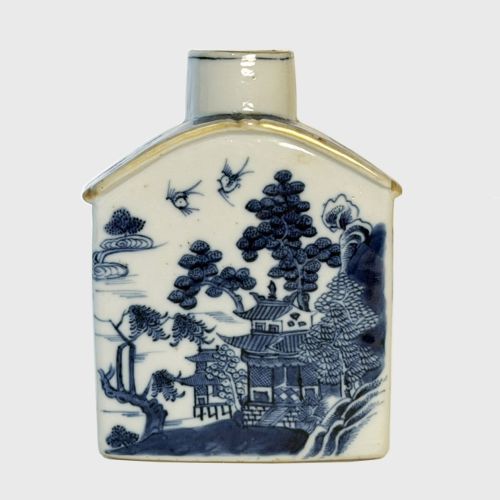
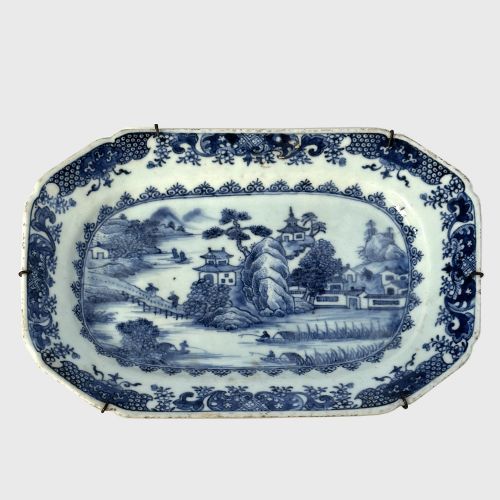
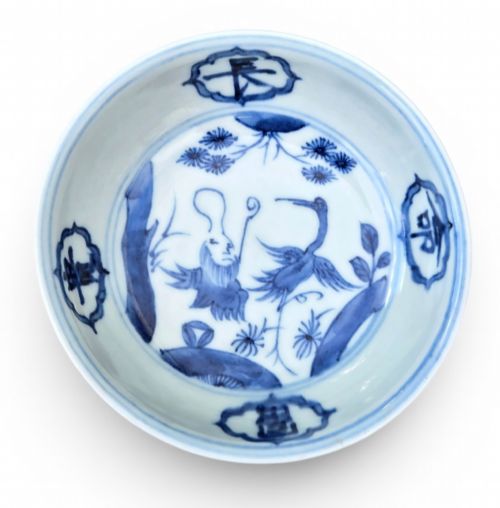
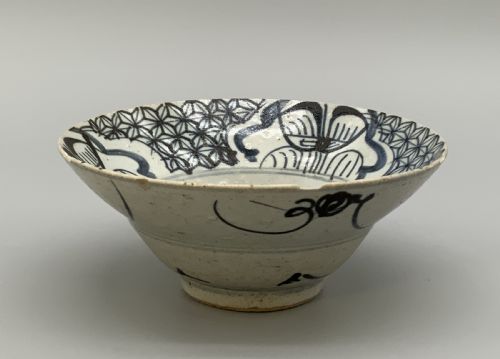
When you search for underglaze blue export porcelain, you encounter durable ceramic vessels made in East Asia for international markets, spanning several historic dynasties and eras. These pieces include decorative plates, large chargers, deep bowls, mugs, and tall vases decorated in cobalt blue pigment beneath a transparent glaze. Chinese Ming and Qing dynasty wares sit alongside Japanese Edo and Meiji period Imari works across the selection.
The most common forms on this page originate from the Kangxi and Qianlong periods, alongside later Japanese Arita production from the nineteenth and early twentieth centuries. Provincial bowls, armorial platters, and handled tankards appear frequently, showing the vast range of functional items transported across global trade routes. Each piece demonstrates how Eastern potteries adapted traditional motifs to satisfy foreign tastes.
How They Were Made
Potters painted finely ground cobalt pigment directly onto unfired ceramic bodies before applying a clear glaze and firing the vessel at high temperatures. This underglaze technique protected the blue decoration from wear, sealing the pigment permanently beneath a glossy protective surface. Additional details on specific items incorporate contrasting enamel colours and gold leaf applied over the glaze.
Makers shaped porcelain using wheel-throwing methods and multi-part moulds to create consistent forms like barrel-shaped mugs, square bowls, and lobed dishes. The resulting ceramic bodies range from thick, heavy provincial wares to delicate, thin-walled saucer-dishes produced for elite households.
Materials recorded across the selection include ceramic body, cobalt underglaze, enamel, and gold leaf.
What Varies in Quality
Quality rests upon the clarity of the cobalt pigment and the precision of the brushwork across the surface of each vessel. Deep, vibrant blues with controlled lines indicate superior kiln control and skilled painting, whereas blurred pigments or grey tones suggest inferior firing conditions.
The refinement of the porcelain body and the smoothness of the glaze also separate standard utility items from exceptional decorative pieces. Well-potted vessels display balanced proportions, clean foot rims, and carefully finished edges, such as scalloped or chamfered rims.
The Underglaze Blue Export Porcelain Glossary
- Cobalt Underglaze
- A blue metallic pigment applied to raw clay before glazing and high-temperature firing. This technique ensures the colour remains permanent and protected beneath the glass-like surface.
- Imari Ware
- Japanese porcelain produced in Arita, featuring deep underglaze blue combined with iron red and gold enamel. The style gained immense popularity across Europe during the seventeenth and eighteenth centuries.
- Charger
- A large decorative plate used for ceremonial display or serving during formal meals. These wide pieces provide a broad canvas for complex painted narratives and floral motifs.
- Kendi
- A specific type of drinking vessel or pouring ewer featuring a globular body and a distinct central spout without a handle. Originating in Southeast Asia, these forms were custom-ordered from Chinese kilns.
- Meiji Period
- A Japanese historical era lasting from 1868 to 1912, characterised by industrial modernisation and the export of ornate decorative arts. Ceramics from this time often exhibit highly intricate enamel work.
Underglaze Blue Export Porcelain: Frequently Asked Questions
What is underglaze blue export porcelain?
These items are ceramic vessels created in Asian kilns specifically for international trade markets in Europe and beyond. They utilise cobalt pigment beneath a clear glaze to create enduring blue designs.
Potters across Chinese dynasties and Japanese periods produced these objects in forms ranging from everyday tableware to large display chargers.
How were these vessels used historically?
Many of these pieces functioned as high-status tableware, serving tea, wine, or food at elite dining tables across the globe. Large chargers and vases were primarily intended for decorative display in grand interiors.
Tankards, teapots, and jars also served practical storage and drinking purposes before entering collector cabinets.
How do I date a piece?
Dating relies on stylistic markers, potting characteristics, and reign marks painted on the base of the ceramic. Kangxi and Qianlong pieces display specific floral and landscape conventions unique to those eras.
Later nineteenth-century Japanese Imari items show denser patterns and different paste compositions compared to their eighteenth-century predecessors.
How do I care for antique porcelain?
Antique porcelain requires gentle hand washing with mild soap and warm water, avoiding harsh abrasive cleaners or modern dishwashers. Secure placement away from high-traffic edges prevents accidental chips to delicate rims and foot rings.
Displaying pieces out of direct, harsh sunlight helps protect any delicate overglaze enamels and gold leaf details.