


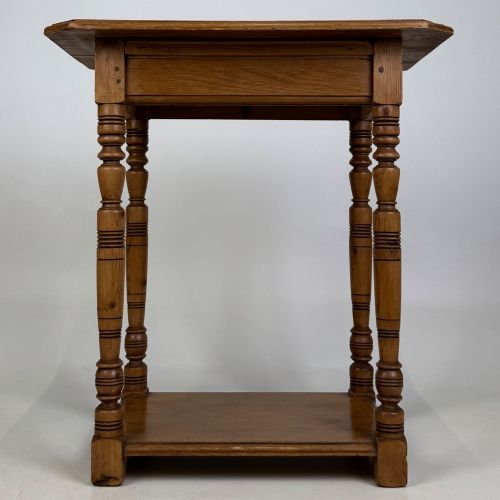
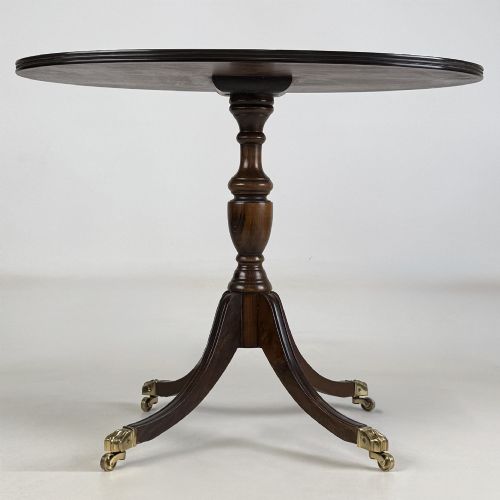
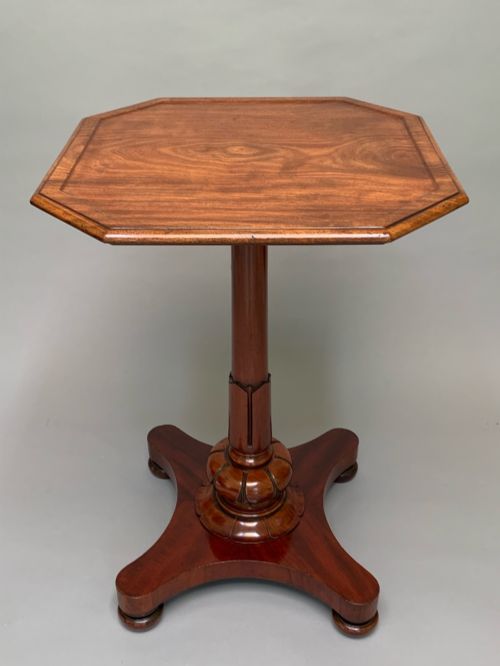
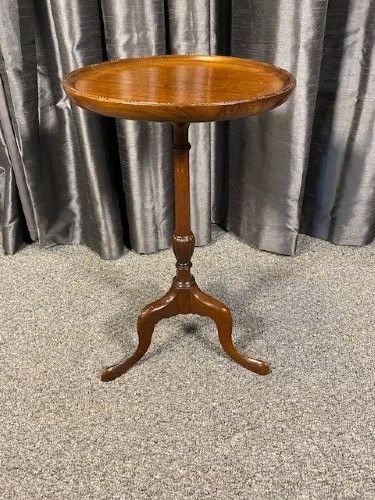
Turned Wooden Lamps
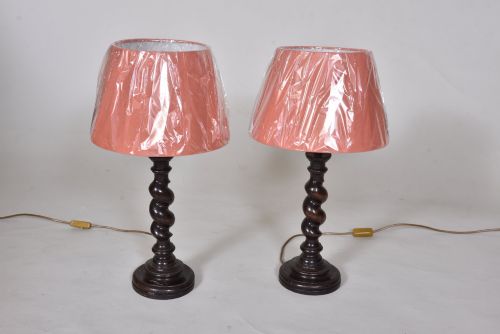
Turned wooden lamps bring warmth and character to a room, offering functional illumination shaped through traditional turning techniques.
Turned Wooden Lamps
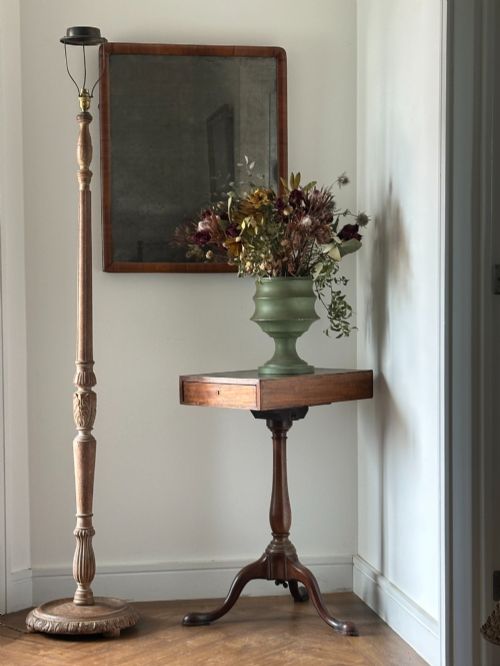
Turned wooden lamps encompass both table lamp bases and standard lamps designed to illuminate living spaces through traditional craftsmanship. When searching for turned wooden lamps, buyers encounter pieces fashioned from various timbers across the nineteenth and early twentieth centuries.
Makers and workshops of the nineteenth and twentieth centuries utilised turned wood alongside occasional brass fittings to create functional household objects. The forms range from simple pedestals to more elaborate standard lamps standing tall in reception rooms.
What varies in quality
Quality rests in the precision of the turning and the selection of the timber, where dense grains and well-figured woods such as burr walnut or mahogany distinguish finer pieces. The proportion and balance of the turned column dictate the visual harmony of the standard or base.
Subtlety in carved details and the integrity of the joinery separate standard workshop output from pieces bearing maker attributions. Superior examples demonstrate crisp execution in the lathe work without excessive filler or heavy-handed modern repairs.
Gillows·Hindley and Sons·Druce and Co London·William Birch·Liberty of London
The Turned Wooden Lamps Glossary
- Standard Lamp
- A tall floor-standing lamp designed to illuminate a room from standing height. These often feature heavy turned wooden columns for stability.
- Table Lamp Base
- A smaller turned wooden support designed to hold a bulb fitting and shade upon a surface. They appear in matching pairs or as single items.
- Turning
- The process of shaping wood on a lathe using cutting tools against the revolving material. This technique produces symmetrical columns and baluster forms.
- Ebonised
- Wood treated with a dark stain or finish to imitate ebony. This treatment was popular in nineteenth-century cabinet making and standard lamp production.
- Pedestal
- A supporting column or base that elevates a lamp or table top. Turned pedestals form the central shaft of many traditional lamps.
Turned Wooden Lamps: Frequently Asked Questions
How do I date a turned wooden lamp?
Dating relies on timber choice, turning style, and surface finish, comparing them against period characteristics found in furniture of the same era. Nineteenth-century pieces often display hand-turned irregularities and traditional finishes like french polish.
Later pieces from the 1920s incorporate different wiring channels and revival styles such as Jacobean or Arts and Crafts. Examining the base and any remaining hardware helps confirm the period of manufacture.
Were these originally made as lamps?
Many turned wooden standards and bases date from eras before electricity, meaning some taller pieces started life as candle stands or torchières. Conversion to electrical wiring often occurred later in the twentieth century.
Table lamp bases were similarly adapted from smaller decorative columns, candlesticks, or furniture components. Professional conversion ensures modern electrical safety while preserving the antique timber.
How do I care for antique turned wood?
Maintain turned wooden lamps by keeping them away from direct heat sources and strong sunlight, which can dry out and split the timber. Dust regularly with a dry cloth and apply a quality beeswax sparingly to nourish the finish.
Avoid liquid cleaners or silicone polishes that can penetrate unsealed grain or damage historic surfaces. Proper placement ensures the wood remains stable over time.
What woods were commonly used?
Oak, mahogany, and walnut dominate the selection, chosen for their strength and attractive grain patterns during the Victorian and Edwardian eras. Hardwoods and beech also appear frequently in turned standards and bases.
Some pieces feature painted finishes or ebonisation to mimic more expensive exotic timbers. Each wood type influences the weight and colour of the finished lamp.