



Anglo Indian Lighting
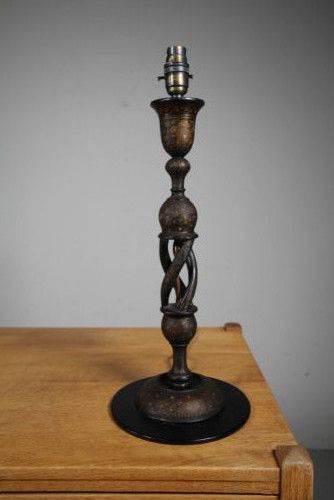
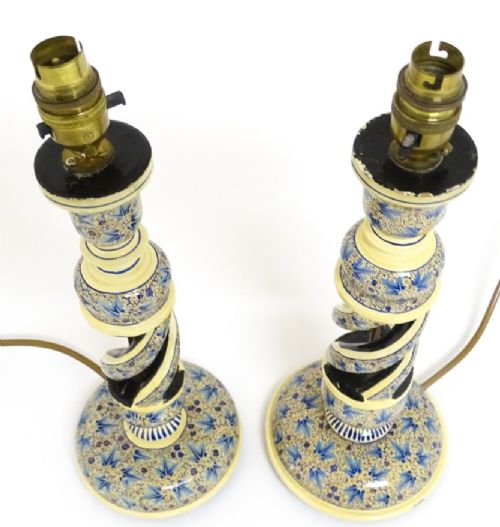
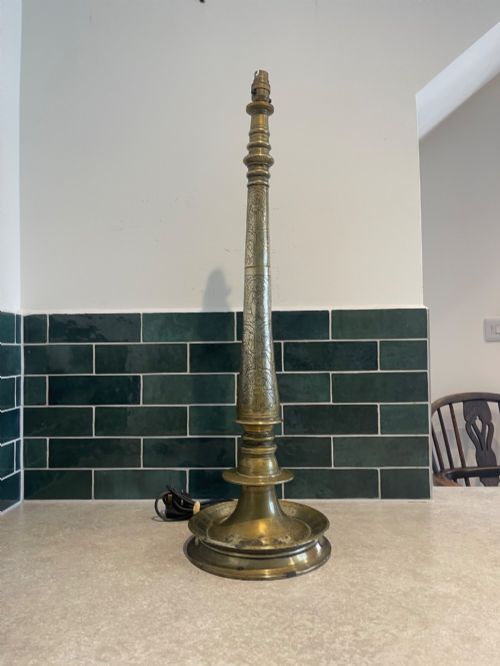
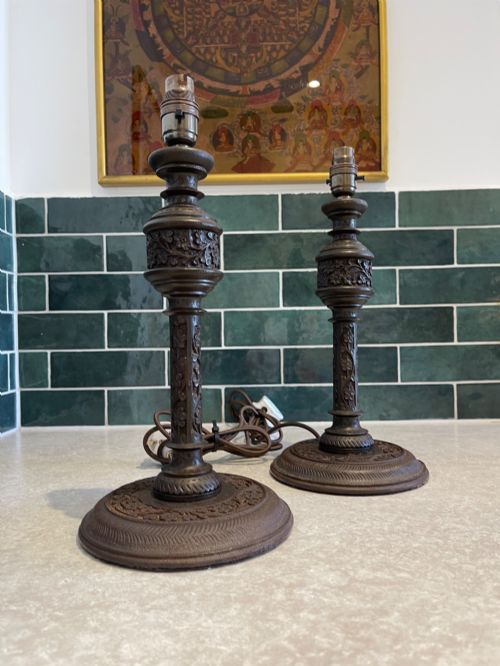
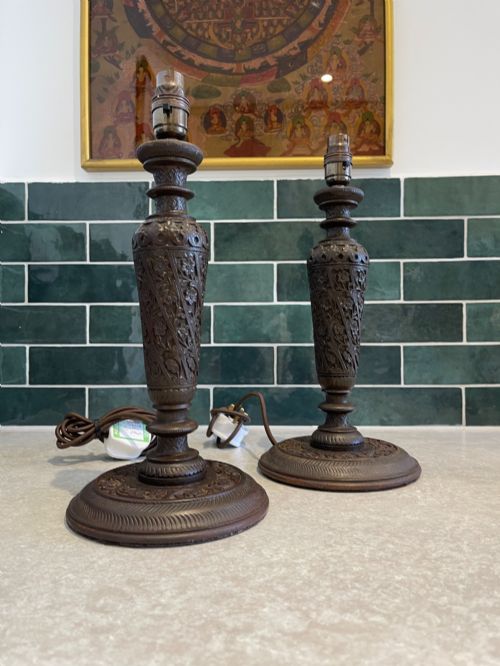
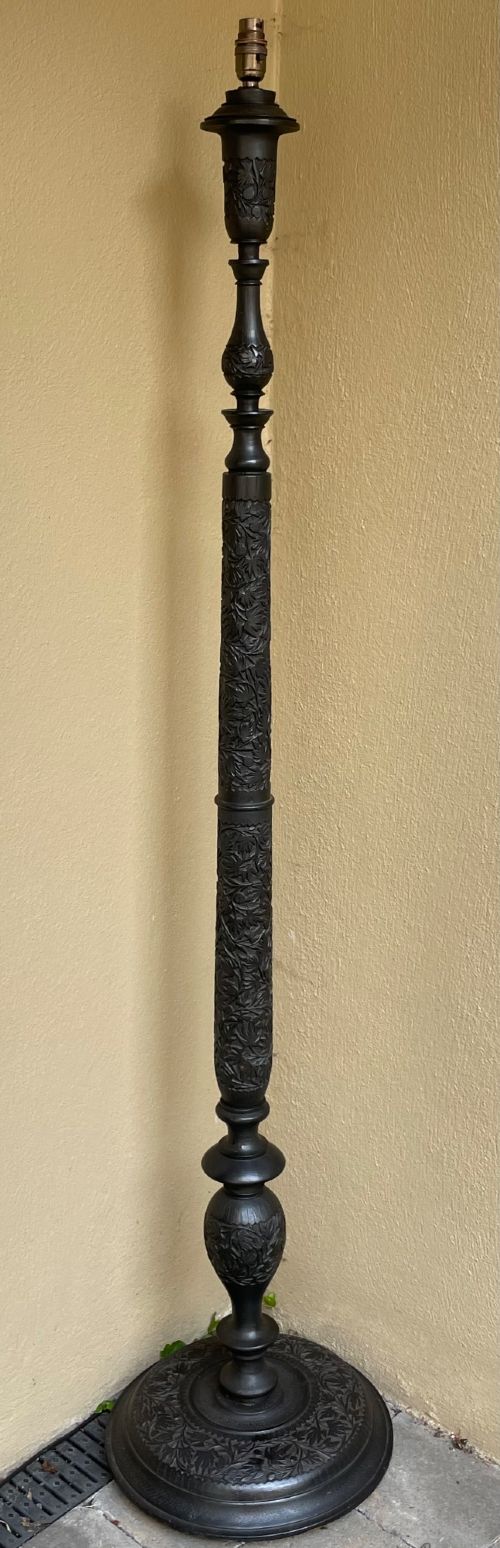
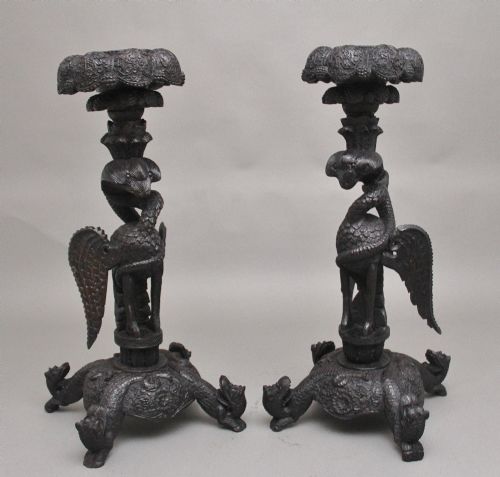
These anglo indian lighting pieces bring distinctive hand-carved wood, brass, and painted detail into a room.
Anglo Indian Lighting
When you search for anglo indian lighting, you find items shaped by nineteenth-century and early twentieth-century cross-cultural design. The selection on this page centres on table lamps, floor lamps, candlesticks, and wall sconces.
Most pieces date from the Victorian era up to the nineteen-thirties. Kashmiri and North Indian forms dominate, alongside pieces from Burma and Hoshiarpur.
You will encounter standard lamps with twisted columns alongside smaller table lamps and mirrored sconces. These items offer diverse illumination options for traditional and eclectic interiors alike.
How They Were Made
Makers utilised traditional regional materials, combining carved wood such as walnut, padouk, and rosewood with heavy brass and bronze elements. Papier-mâché and lacquer finish surfaces on Kashmiri items.
Intricate surface decoration relies on hand-painting, pierced brass work, and geometric inlay. Glass components include hand-blown diamond-cut crystal bell jars.
Anglo Indian Lighting Retail Price Guide 2026
Typical asking prices for anglo indian lighting among the pieces listed under this phrase on Sellingantiques today, from the lower quarter to the upper quarter. They describe what is for sale here now, not the wider market.
Several snakes and cobras take form as solid brass candlesticks.
What Varies in Quality
The distinction between ordinary and superior pieces rests on the depth and crispness of the carving. Finely pierced brass and detailed wood relief work demonstrate superior artisan skill.
The preservation of original hand-painted surfaces and lacquer layers dictates the desirability of Kashmiri pieces. Solid construction in woods like padouk and walnut maintains structural integrity over time.
The Anglo Indian Lighting Glossary
- Bidri ware
- An Indian metalwork technique involving inlaid sheet metal into a dark alloy base. This method creates striking contrast on candlesticks.
- Torchere
- A tall stand or floor lamp designed to hold a light source. Nineteenth-century examples often feature elaborate carved wooden shafts.
- Hoshiarpur
- A region in India renowned for intricate wood inlay work. Pieces from here typically incorporate bone or metal motifs into dense wooden surfaces.
- Padouk
- A durable tropical hardwood with a rich reddish tone. It provides a stable base for heavily carved standard lamps.
- Sconce
- A light fixture fixed to a wall. Mirrored versions reflect ambient light in domestic spaces.
Anglo Indian Lighting: Frequently Asked Questions
How do I date these lamps?
Dating relies on stylistic markers, material choices, and documented periods ranging from the nineteenth century to the nineteen-thirties.
Examining construction methods and the wear on hand-painted or carved surfaces helps narrow the decade of manufacture.
Are these lamps rewired?
Many listings indicate modern rewiring to meet contemporary safety standards while retaining the original body.
Buyers should check individual descriptions for electrical details before installation.
Where were these pieces made?
Production spans various regions including Kashmir, Hoshiarpur, and Burma during the British colonial period.
Local craftsmanship determined the specific carving styles and metalwork techniques used.
How do I clean carved wooden bases?
Dusting with a soft, dry brush preserves the delicate hand-carved details and painted finishes.
Avoid harsh chemical cleaners that might damage lacquer or exposed wood grain.