


Carved Timber Lamps
These carved timber lamps bring warmth and character to a room, turning natural grain and sculptural detail into functional lighting.
Carved Timber Lamps
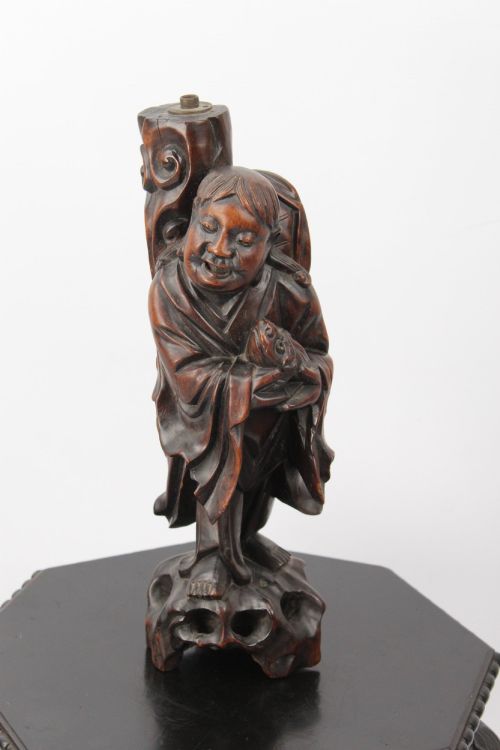
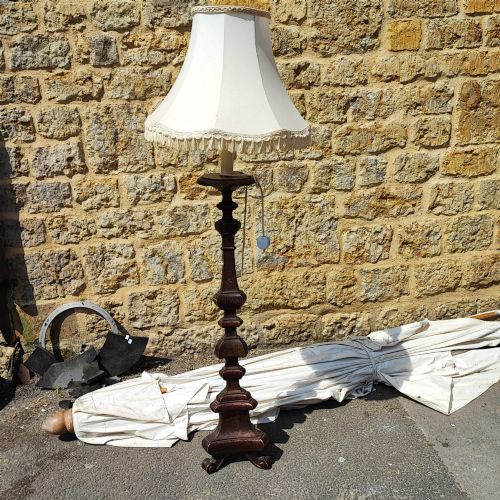
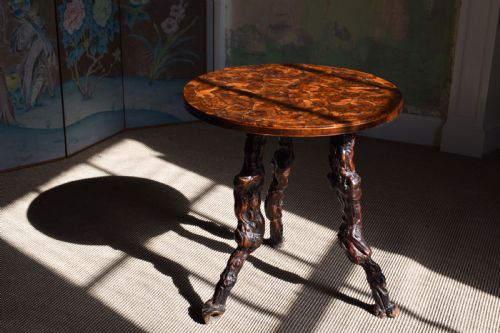
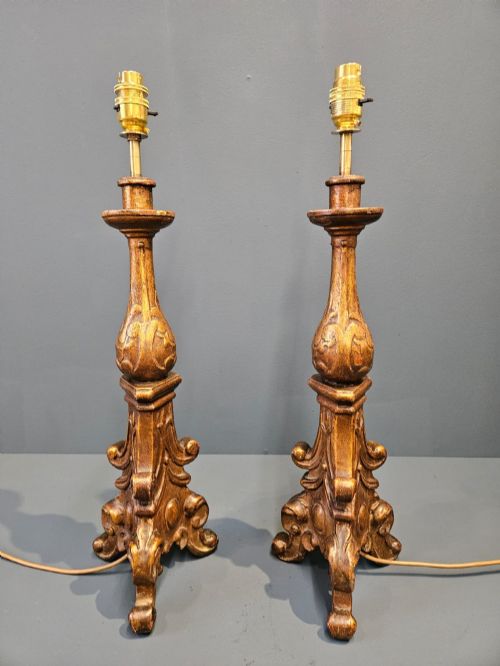
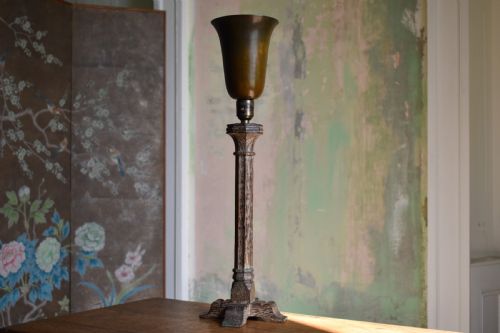
Carved timber lamps encompass both standard floor models and compact table lamps created from various woods during the nineteenth and early twentieth centuries. When searching for carved timber lamps, buyers encounter diverse forms ranging from Black Forest linden designs to tall Burmese standard lamps and root wood creations.
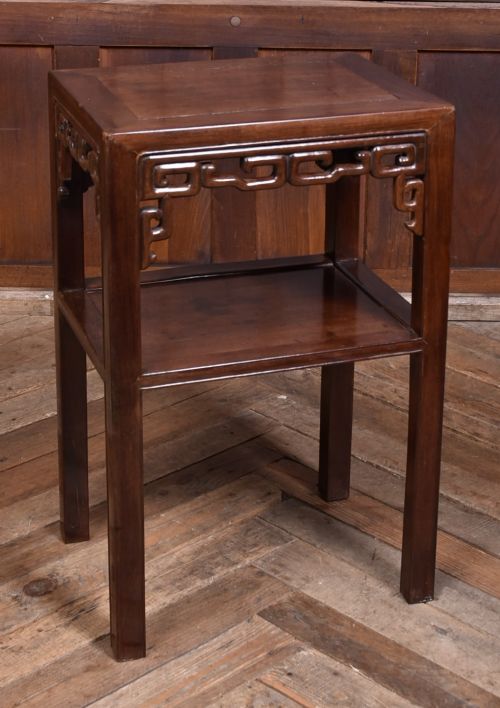
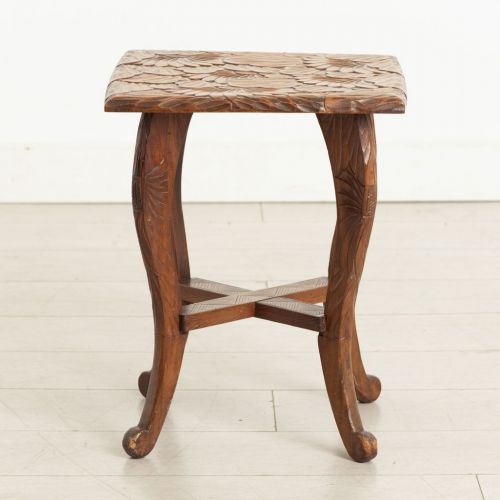
The selection on this page draws heavily from Edwardian, Victorian, and early twentieth-century periods, showcasing regional styles such as Anglo-Indian, Chinese Qing Dynasty, and Arts and Crafts. These pieces frequently double as sculptural works of art that anchor a room's aesthetic.
Many examples utilise native and exotic hardwoods, integrating brass fittings or fabric shades to complete the lighting fixture. Buyers often select these lamps to introduce organic texture and historical craftsmanship into domestic spaces.
Assessing quality and execution
Quality in these lamps rests primarily on the depth, crispness, and fluency of the carving rather than the mere presence of decoration. Superior examples display confident hand-tool work where botanical or figural motifs retain sharp relief and anatomical or botanical accuracy.
The choice of timber heavily influences the standard of the piece, with dense exotic hardwoods and well-figured oaks holding fine details far better than softer or grain-poor woods. Structural integrity at the base and column ensures the tall standard lamps remain stable and balanced.
Liberty of London·Whytock & Reid
The Carved Timber Lamps Glossary
- Standard lamp
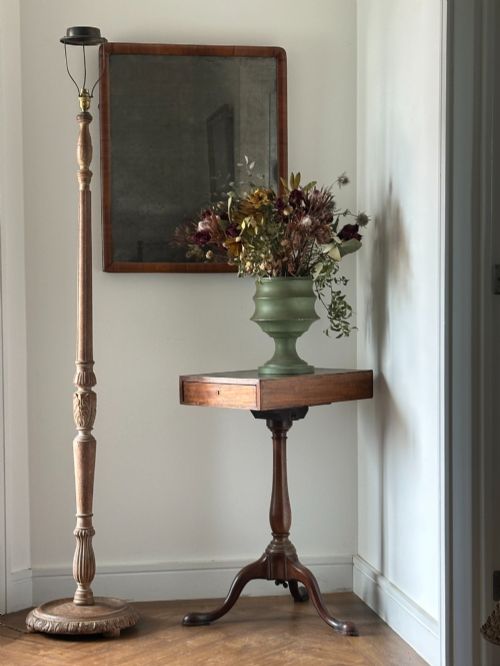
- A tall floor-standing lamp designed to provide ambient room illumination. These vertical pieces often feature heavily carved columns resting on weighted tripod or circular bases.
- Root wood
- Timber sourced from the root system of a tree, prized for its gnarled, twisting contours and complex grain patterns. Artisans utilised these organic shapes to create sculptural lamp bodies.
- Limed oak
- Oak timber treated with a white pigment or lime compound to highlight the open grain of the wood. This finish creates a pale, textured surface popular in early twentieth-century design.
- Padouk
- A dense tropical hardwood displaying rich reddish-brown tones and a durable structure. Craftsmen selected this timber for items requiring robust construction and intricate detailing.
- Black Forest
- A regional style of wood carving originating from central Europe during the nineteenth century. These pieces characteristically feature realistic animals, foliage, and deep sculptural relief.
Carved Timber Lamps: Frequently Asked Questions
How do I place a floor lamp?
Position standard lamps in corners or beside seating areas where they can cast warm downward light without obstructing walkways.
Ensure the cord reaches wall sockets safely and pair the timber standard with a shade that complements the scale of the carved column.
What woods were used for lamps?
Artisans utilised a broad selection of domestic and exotic timbers depending on the regional workshop and period.
Common choices include oak, walnut, mahogany, and dense oriental hardwoods like padouk and huali.
How do I clean antique wood?
Dust the carved surfaces regularly with a soft, dry cloth to prevent dirt from settling into the deep recesses of the timber.
Apply a quality beeswax periodically to nourish the grain and maintain the natural lustre of the polished surface.
Are root wood lamps stable?
Root wood lamp bases are constructed from heavy, dense timber sections that provide a naturally solid footing despite their gnarled appearance.
Makers balanced the irregular organic shapes carefully to ensure the upright standard remains secure during everyday use.
Can I rewire vintage lamps?
Older electrical components should be inspected and updated by a qualified professional to meet current safety standards.
Modern wiring can be threaded carefully through the original timber channels without altering the exterior craftsmanship of the piece.