

Turned Wooden Column
A turned wooden column brings architectural verticality into a room, offering a sturdy support or a striking standalone display.
Turned Wooden Column
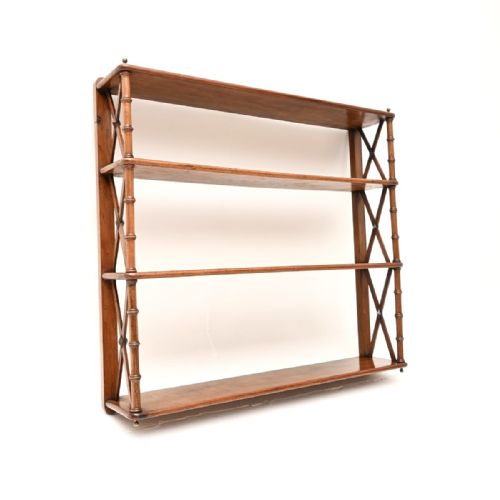
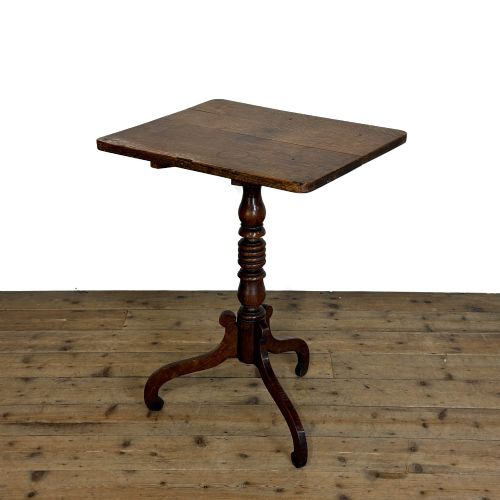
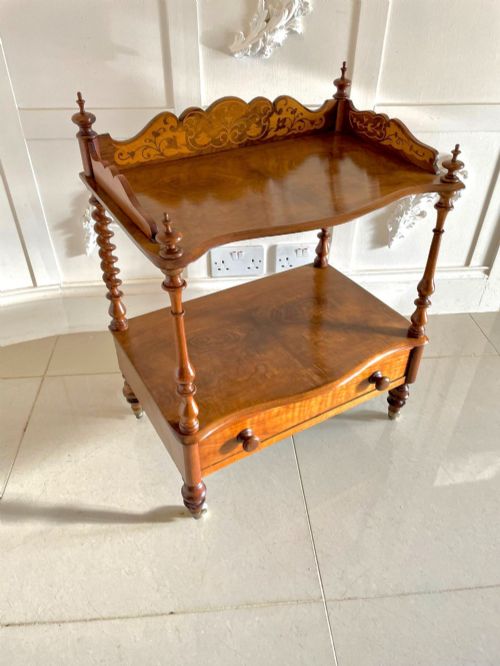
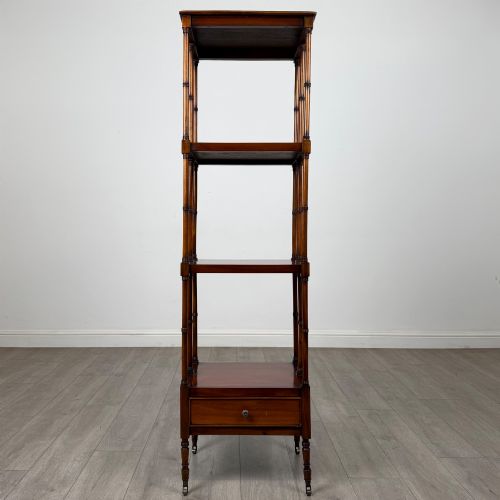
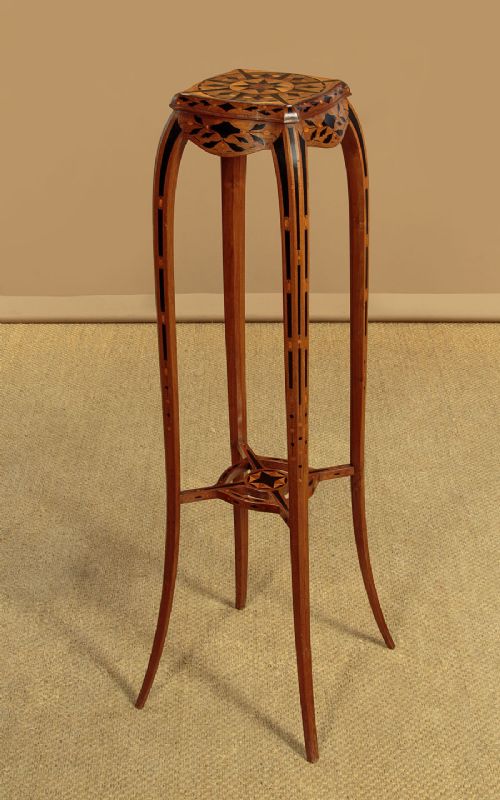
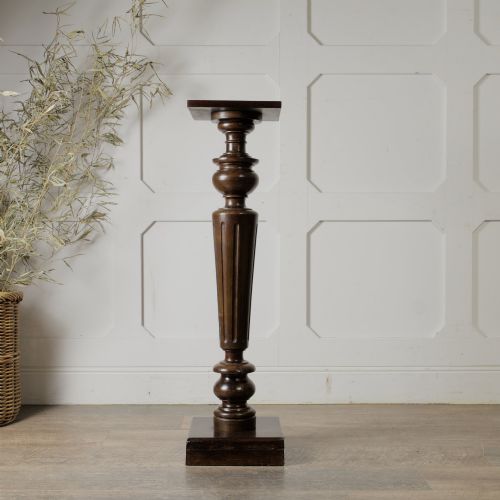
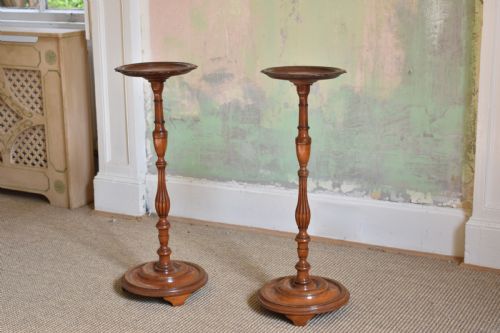
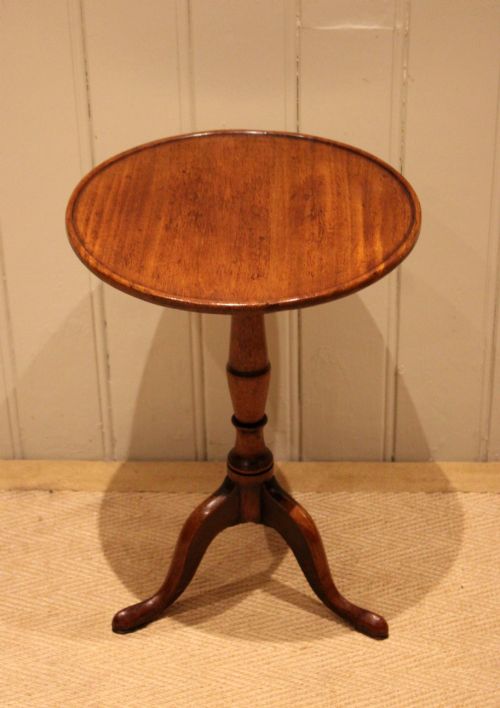
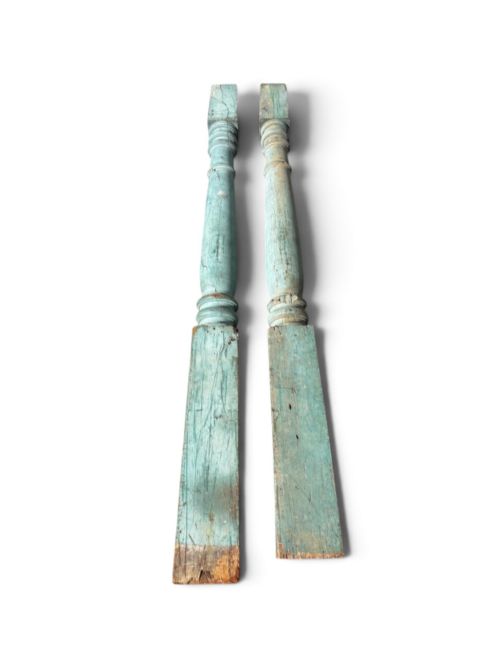
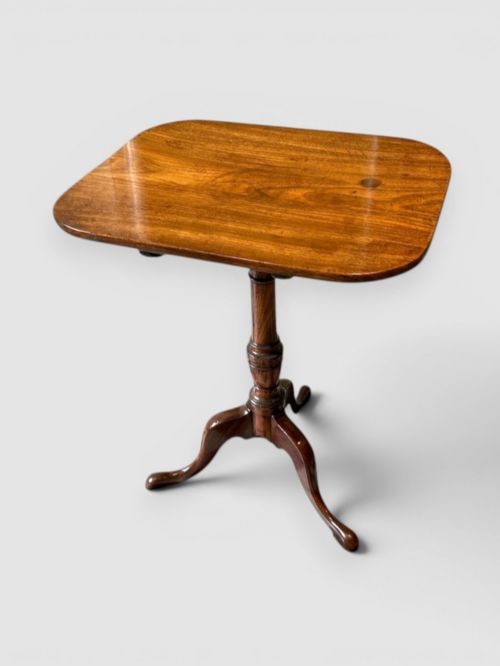
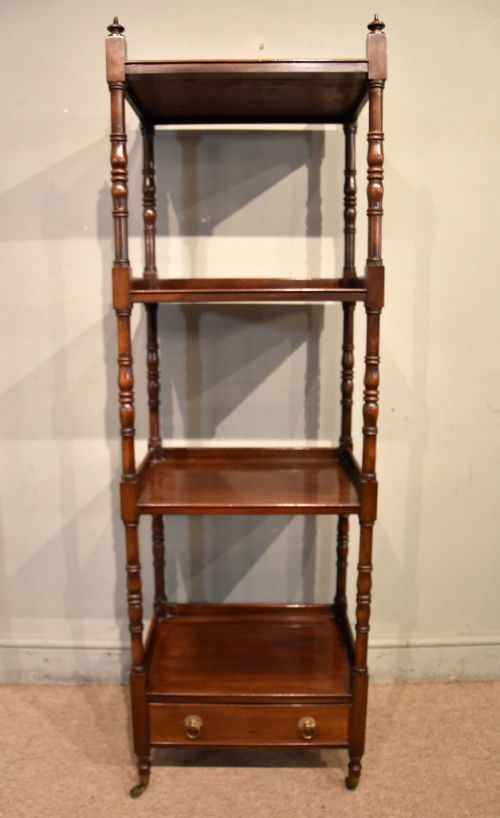
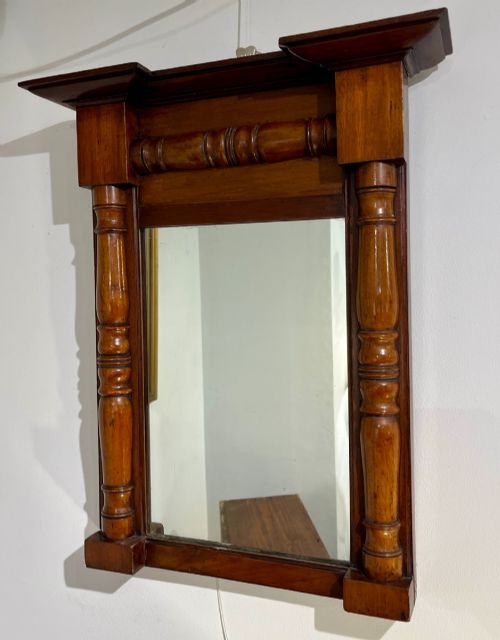
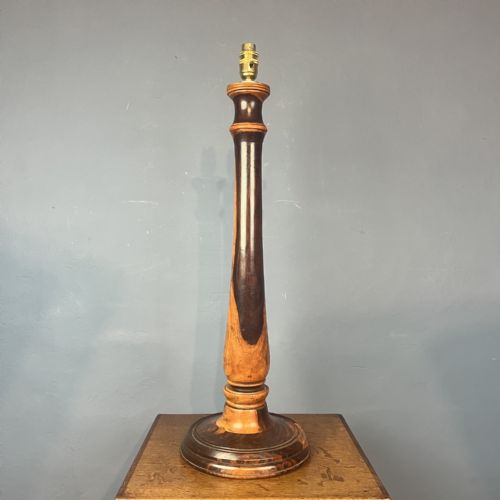
A turned wooden column is a structural or decorative vertical element shaped on a lathe, appearing across various forms on this page. Pieces matching this description emerge from the Georgian, Victorian, and Edwardian periods, manifesting as architectural salvage, plant stands, torcheres, and pedestals.
The version most commonly met on this page is the nineteenth-century Victorian example, often fashioned from dense hardwoods to serve as a plant stand, torchere, or structural pillar. These items combine functional support with classical turning profiles that reflect the revival styles of their eras.
How they were made
Makers shaped these columns using woodturning lathes, mounting blocks of timber and cutting profiles with chisels and gouges while the material spun. This method produced uniform shafts, reeded details, and classical column orders with consistent symmetry.
Timbers such as mahogany, walnut, oak, pine, and exotic hardwoods provided the structural body, occasionally receiving a coat of paint or a polished finish. Selected examples integrate brass or glass components alongside the primary timber construction.
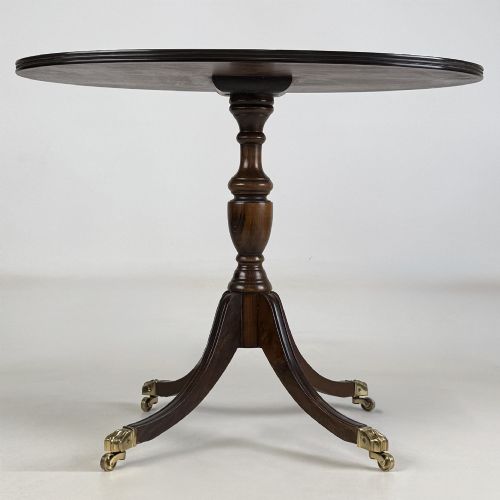
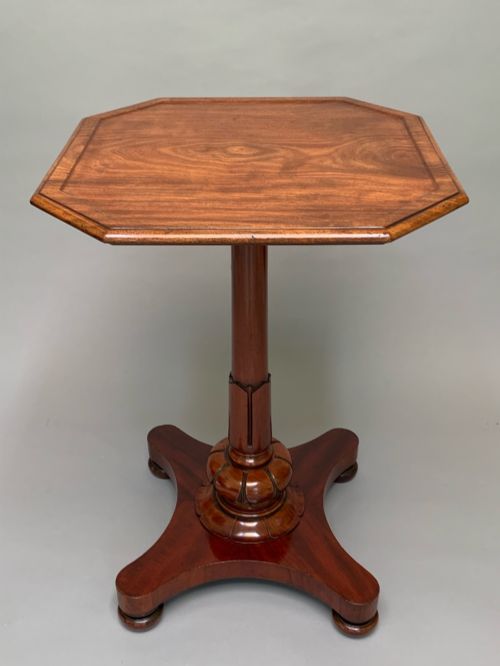
Listings feature turned wooden columns in mahogany, walnut, oak, and painted pine across Victorian, Georgian, and Edwardian periods.
What varies in quality
Quality rests in the precision of the turning and the selection of the timber. Dense, well-figured woods like mahogany or walnut hold crisp architectural details and sharper fluting than softer pine or plain hardwoods.
Proportion and stability separate standard examples from superior ones. A well-balanced base and a shaft turned from a single solid block of timber rather than multiple joined sections demonstrate superior craftsmanship.
Shoolbred
The Turned Wooden Column Glossary
- Torchere
- A tall stand designed to hold a light or a decorative object. These slender tables and pedestals elevate plants or lamps above floor level.
- Column
- A vertical structural member comprising a base, shaft, and capital. In decorative pieces, this form is adapted for display stands and architectural salvage.
- Pedestal
- A base or support for a statue, urn, or column. They appear frequently in nineteenth-century forms to display decorative items.
- Turned
- Shaped on a lathe by rotating timber against cutting tools. This process creates cylindrical, spherical, and baluster profiles.
Turned Wooden Column: Frequently Asked Questions
What is a turned wooden column used for?
These pieces function primarily as architectural salvage, display pedestals, or torcheres for holding lamps and plants. They bring vertical lines and classical proportions into domestic interiors.
Some examples serve as standalone sculptural objects, while others provide structural support or elevation for decorative items placed upon them.
How do I date a turned wooden column?
Dating relies on identifying the timber species, the turning style, and any associated base or capital forms. Victorian and Georgian pieces often display specific revival characteristics and denser hardwoods.
Tool marks and construction methods visible beneath the base also offer clues regarding the period of manufacture and whether the piece is turned from a single timber.
Which woods were used for these columns?
Mahogany, walnut, oak, and pine appear regularly across the listings on this page. Hardwoods were favoured for their ability to hold fine lathe-cut details without splintering.
Painted pine and exotic specimen woods also feature, reflecting the stylistic preferences of the nineteenth and early twentieth centuries.
Are these columns solid wood?
Many examples are turned from solid blocks of timber, particularly those originating from the nineteenth century. Hardwoods like mahogany and walnut provided the necessary density for stable turning.
Some larger architectural elements or later pieces may incorporate built-up sections or different secondary timbers beneath paint or polished surfaces.