






Timber Sculpture Stand
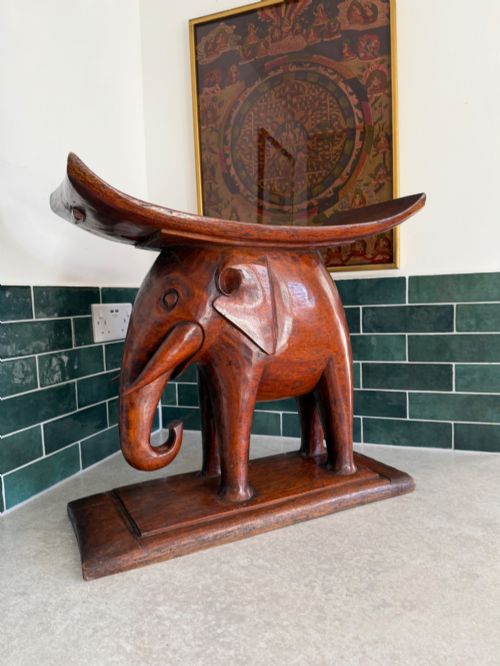
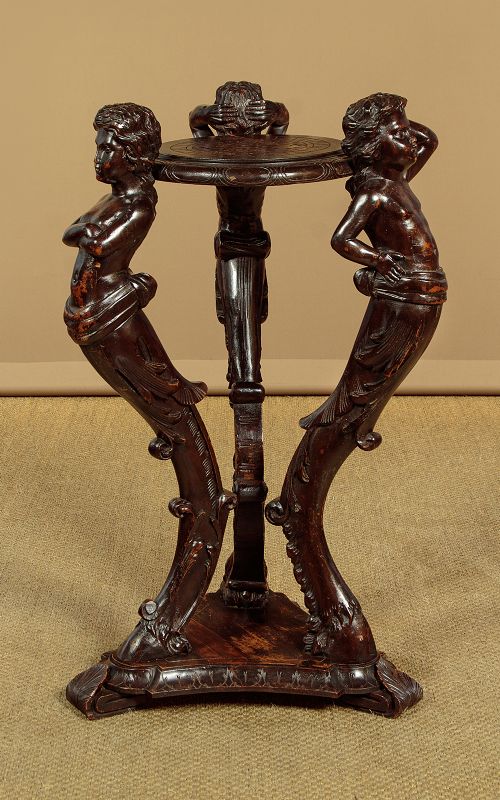
These timber sculpture stand examples elevate three-dimensional art, combining functional support with expressive regional carving.
Timber Sculpture Stand
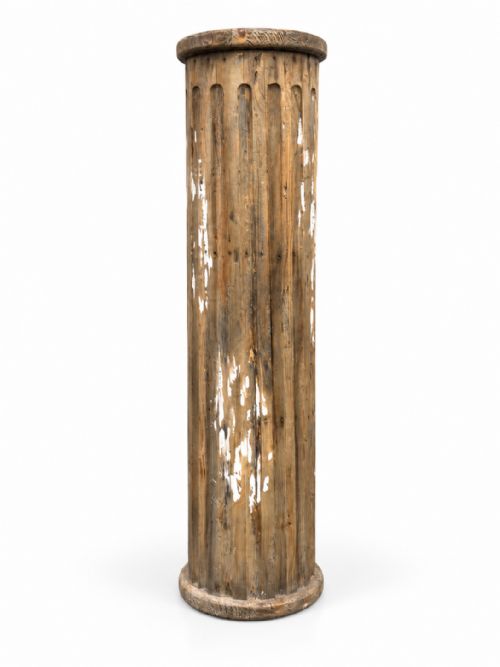
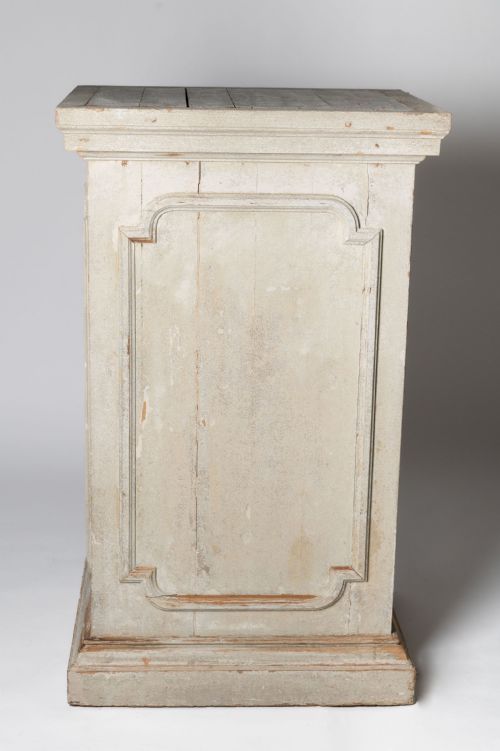
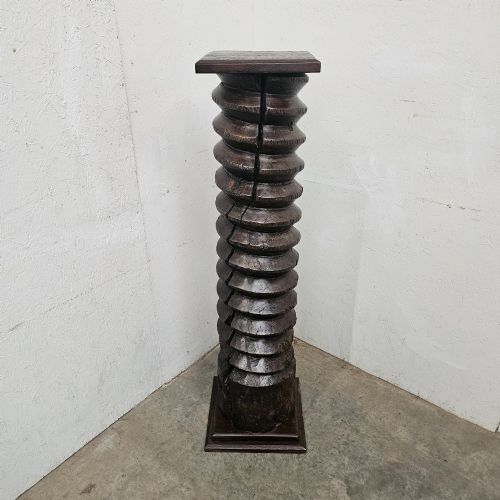
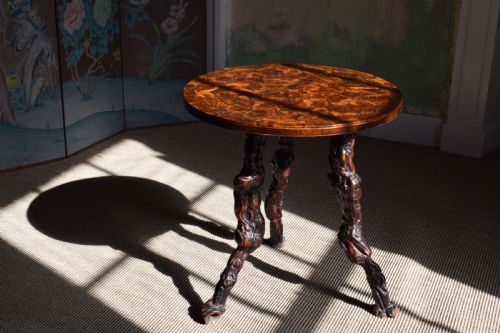
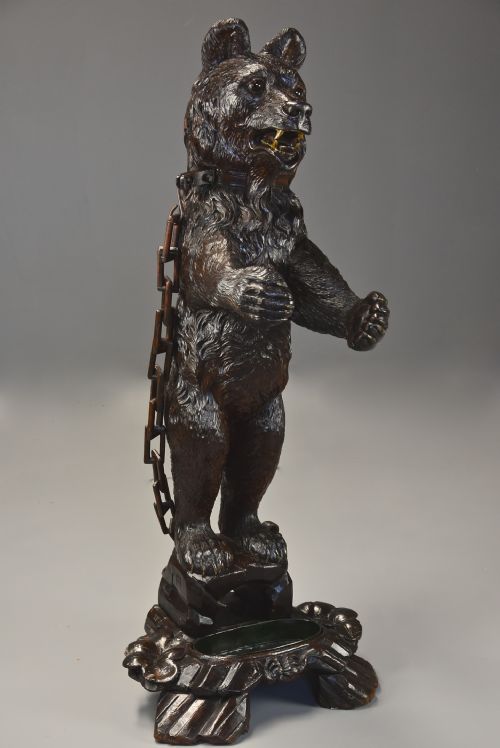
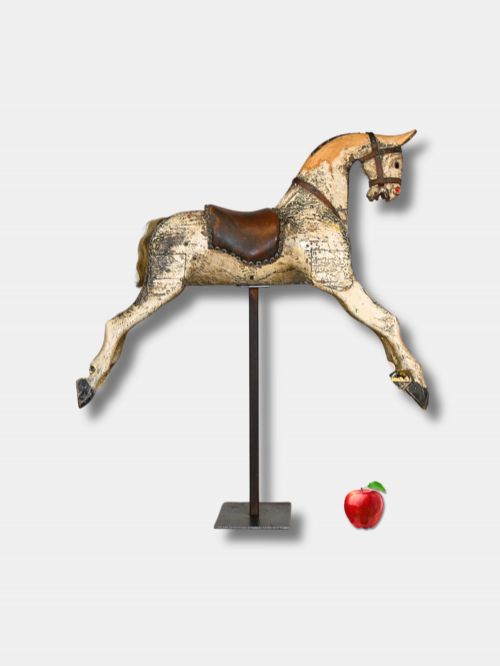
A timber sculpture stand serves as a structural riser or mounting base for elevated figures, displaying objects such as carved animals, religious icons, and natural specimens. Buyers seeking a timber sculpture stand encounter architectural columns, pedestals with secret compartments, and bespoke mounts designed to hold substantial weights.
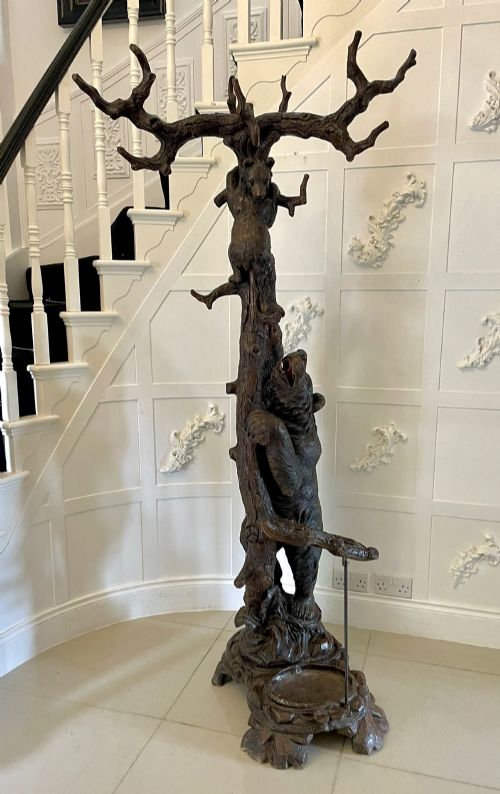
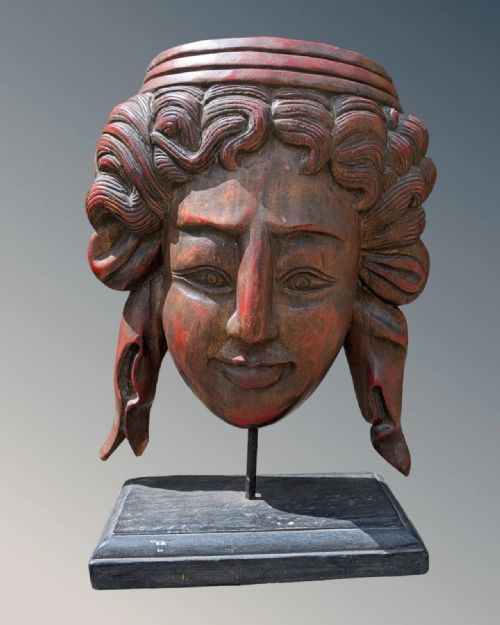
The material vocabulary ranges from dense hardwoods like mahogany and oak to painted deal, alongside secondary components in brass and metal. Many pieces combine structural pedestals with figural elements, spanning Victorian folk art, Black Forest carvings, and South East Asian aesthetics.
Materials and Construction
Artisans built these supports using seasoned hardwoods and softwoods, frequently applying polychrome paint, giltwood accents, or faux marble finishes to mimic more costly materials. Carving techniques varied from precise joinery in mahogany display pedestals to spirited folk art axes and gouges shaping Black Forest bears and religious figures.
Many examples integrate metal elements such as brass stands or bespoke iron armature pins to secure heavy timber specimens, petrified wood, and carved figures. Surface treatments include original paint layers, distressed polychrome, and polished wax finishes over birch, boxwood, and oak.
Timber Sculpture Stand Retail Price Guide 2026
Typical asking prices for timber sculpture stand among the pieces listed under this phrase on Sellingantiques today, from the lower quarter to the upper quarter. They describe what is for sale here now, not the wider market.
One remarkably patient nineteenth-century artisan spent hours meticulously carving a wooden parrot that now perches proudly upon a brass rod.
Assessing Quality and Execution
Superior execution relies upon the crispness of the hand-carved detail, whether in the plumage of a wooden parrot, the musculature of a life-size goat, or the architectural proportions of a faux marble column. The integration between the base and the mounted object determines the overall stability and visual balance of the piece.
Material selection and surface preservation dictate the standing of an individual support. Original paint, untouched patination, and purposeful joinery distinguish masterworks from utilitarian workshop pieces.
G J Lines·Maison F Mack
The Timber Sculpture Stand Glossary
- Torchiere
- A tall ornamental stand or pillar originally designed to carry a torch or candle lamp. These columns lift sculptural figures to eye level.
- Polychrome
- Painted in several colours. This surface treatment appears frequently on Asian and European figurative carvings.
- Giltwood
- Wood that has been thinly coated with gold leaf or gold paint. It highlights specific architectural details on pedestals.
- Faux marble
- A decorative paint finish that imitates the veining and colouration of genuine marble. Artisans applied this technique to wooden columns to project neoclassical grandeur.
- Corpus Christi
- An image of the body of Jesus Christ on the cross. These wooden figures are frequently mounted upon dedicated bases.
Timber Sculpture Stand: Frequently Asked Questions
What is a timber sculpture stand used for?
These pieces provide a stable elevated platform for displaying three-dimensional works of art, religious icons, and natural specimens. They lift objects into prominence while adding architectural interest to a room.
Historically, they supported items ranging from Black Forest inkwells to life-size carved animals and sacred figures. Today, collectors use them to showcase modern sculptures or antique artefacts.
How do I distinguish between periods?
Dating relies on observing tool marks, timber selection, and stylistic conventions associated with specific eras like the Victorian period or the late seventeenth century. For instance, heavy mahogany proportions often point to earlier Georgian or nineteenth-century workshops.
Surface finishes also offer clues, as original paint layers, faux marble applications, and giltwood details reflect the aesthetic preferences of their respective manufacturing decades.
Are these stands strong enough for heavy items?
Many examples are constructed from dense hardwoods like oak, mahogany, and rosewood, engineered specifically to bear substantial weight. Large pedestals and column bases were built to support life-size figures and heavy stone or petrified wood specimens.
Internal framing and broad bases ensure stability, though checking the structural integrity of joints remains sensible for exceptionally heavy loads.
How should I clean a painted wooden stand?
Painted and polychromed surfaces require gentle dusting with a soft, dry brush to prevent abrasive damage to fragile historic pigments. Avoid harsh chemical cleaners or excessive moisture, which can lift original paint layers.
Wax finishes on hardwoods benefit from occasional light buffing with appropriate conservation-grade paste wax to maintain the timber's natural lustre.