
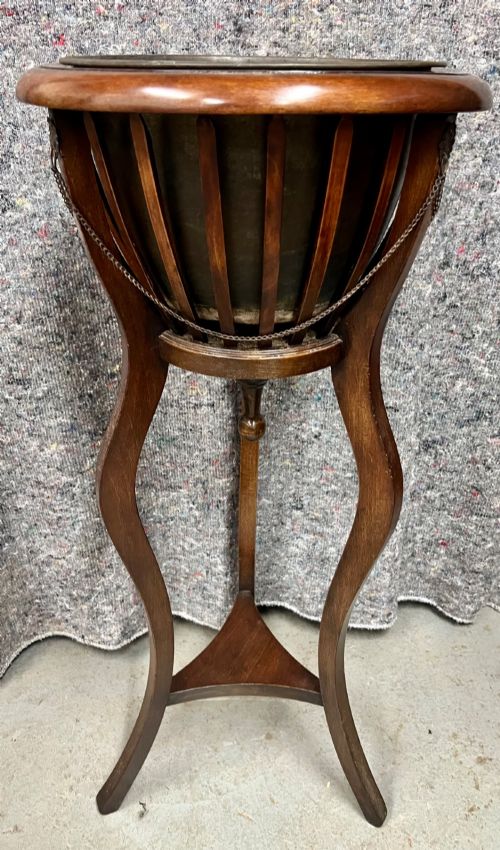
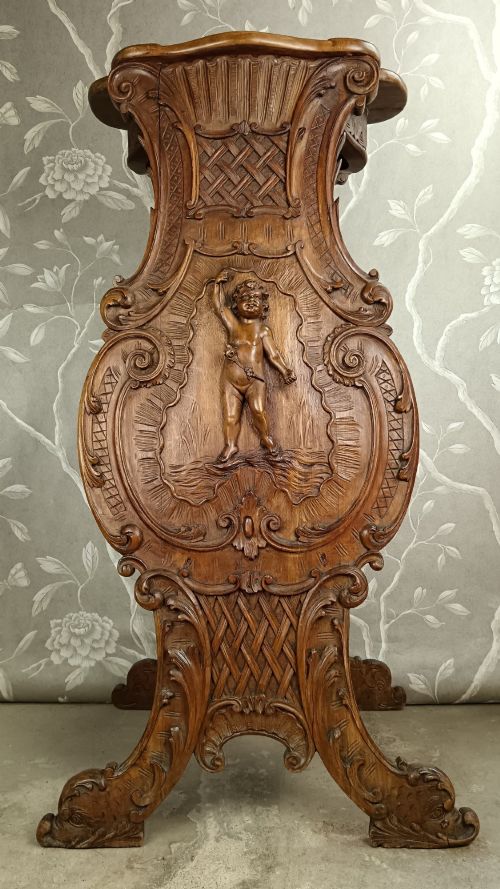
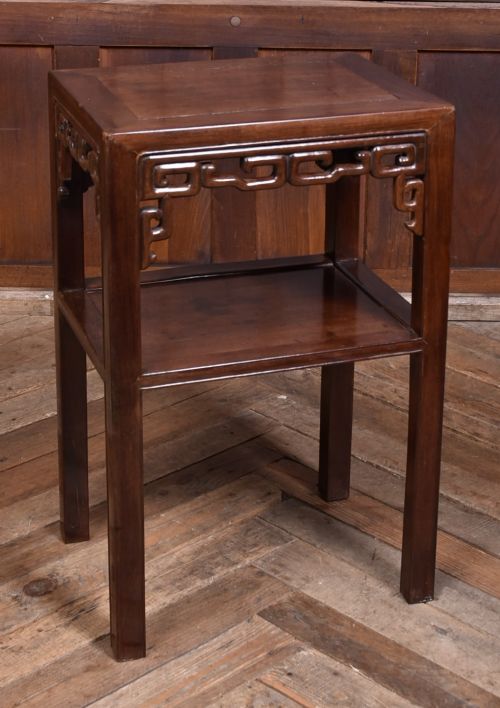

Wooden Display Pedestal
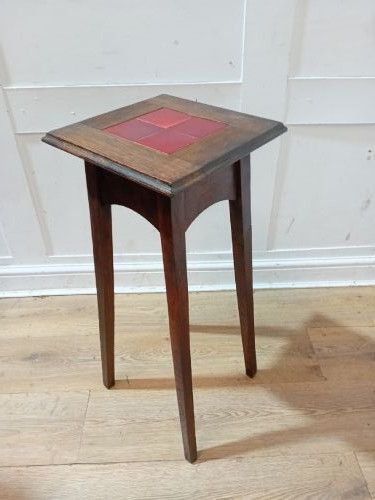
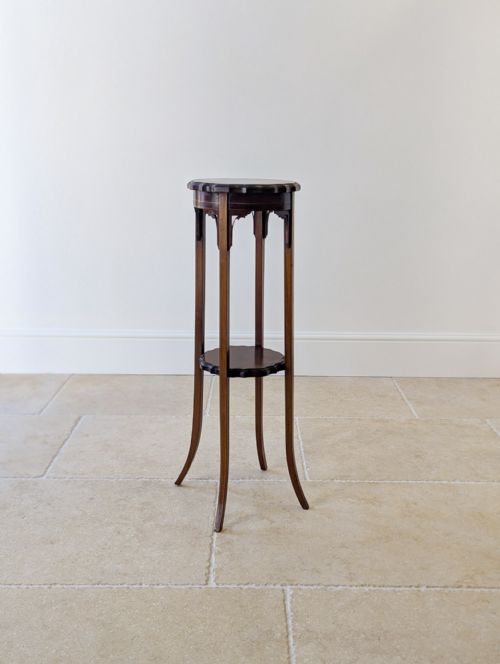
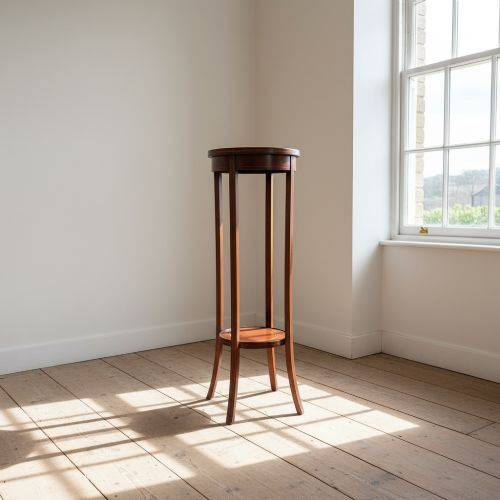
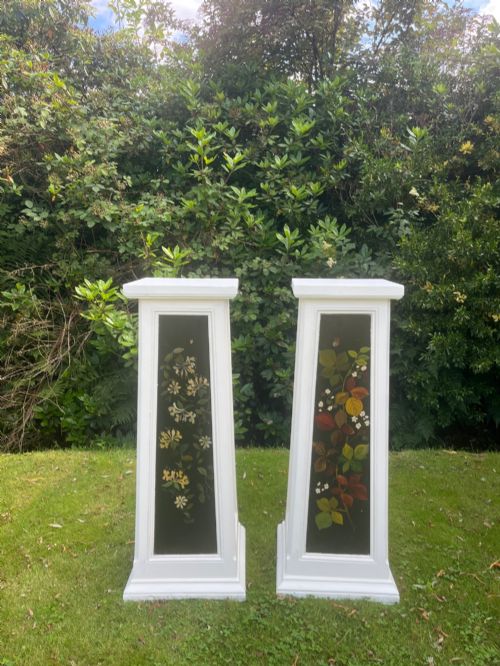
A wooden display pedestal elevates sculpture, porcelain and plants, bringing height and proportion to an interior space.
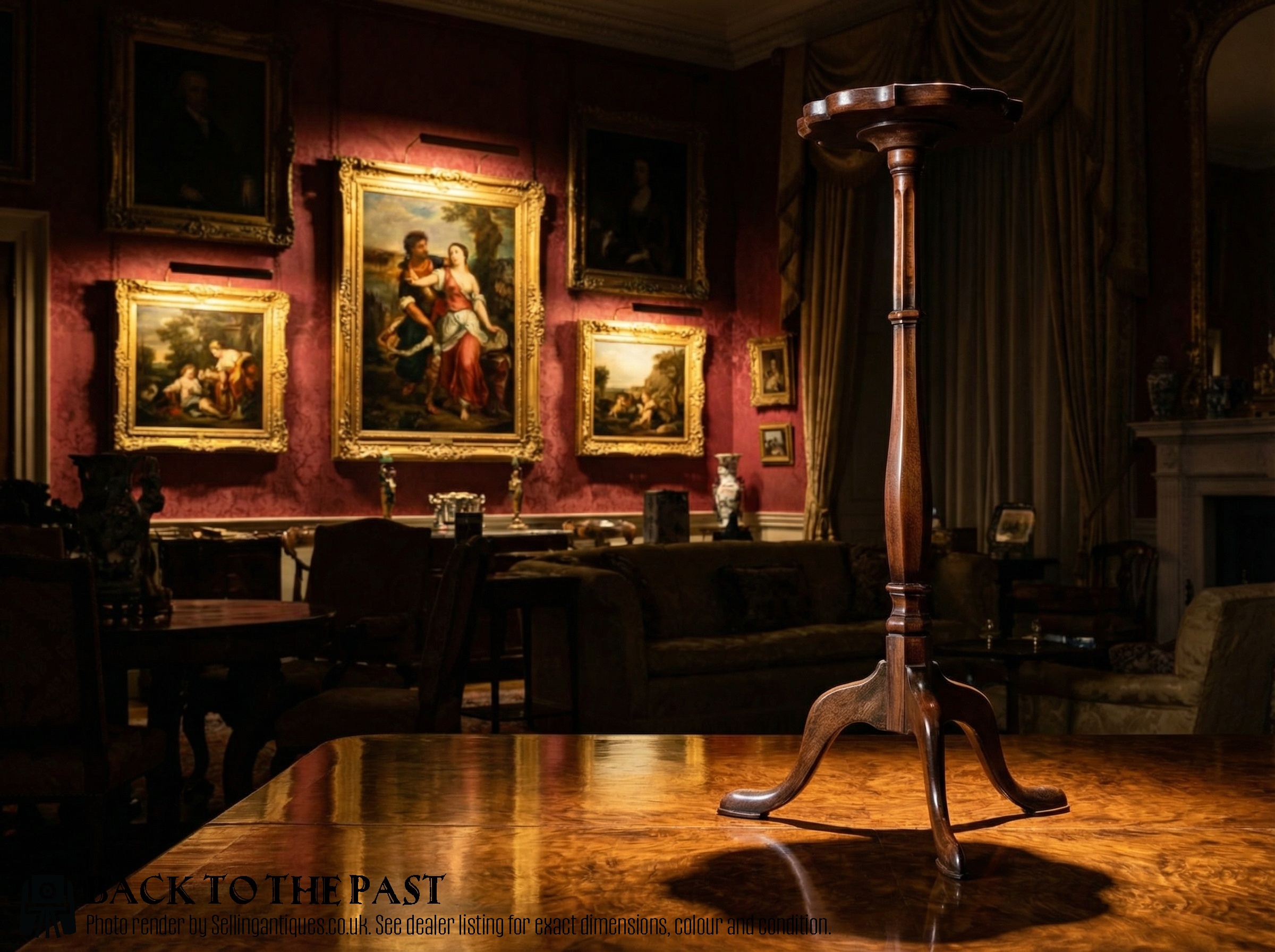
Wooden Display Pedestal
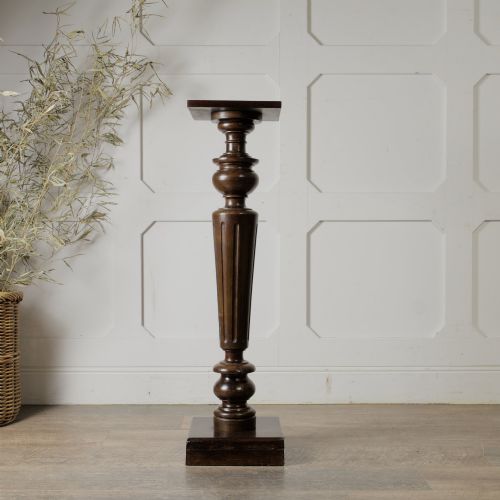
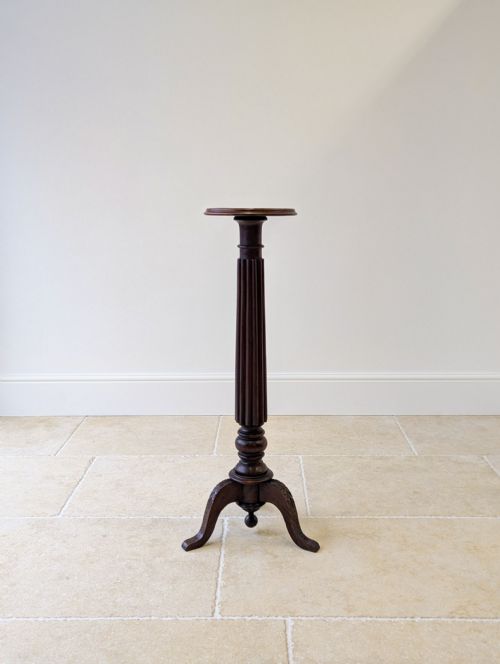
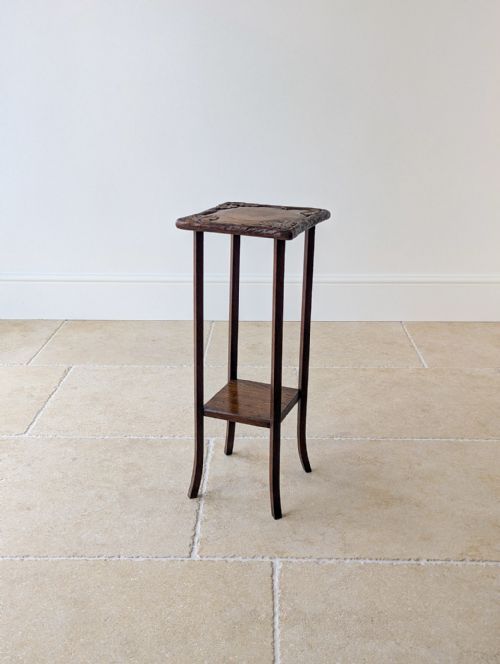
A wooden display pedestal serves to elevate decorative objects, plants and busts within a room. When searching for a wooden display pedestal, buyers encounter forms ranging from slender torchères and column columns to low plinths and plant stands.
The selection spans numerous periods, with Victorian, Edwardian and nineteenth-century examples appearing most frequently alongside Arts and Crafts, Chinese export and revival styles. Function dictates the top surface, which often accommodates a vase, bronze or floral display.
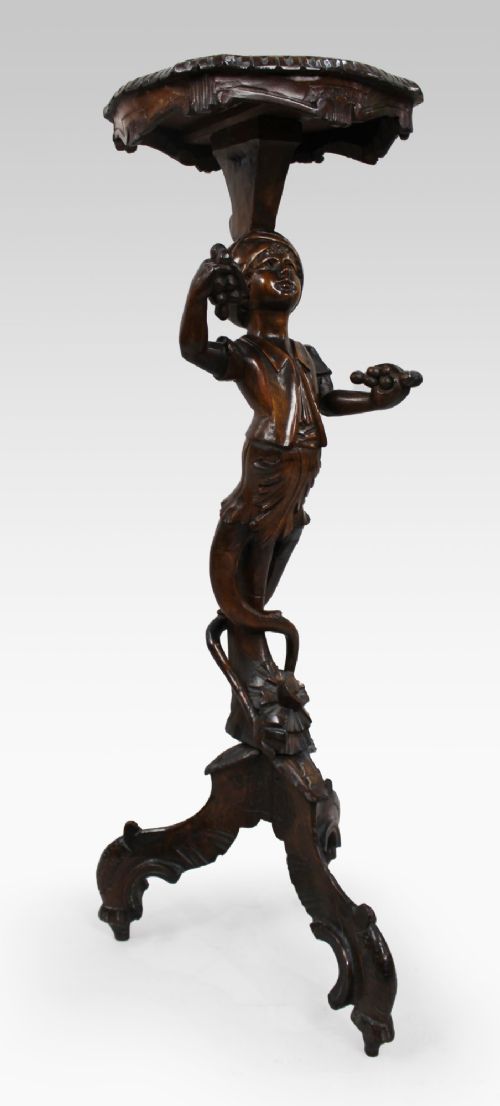
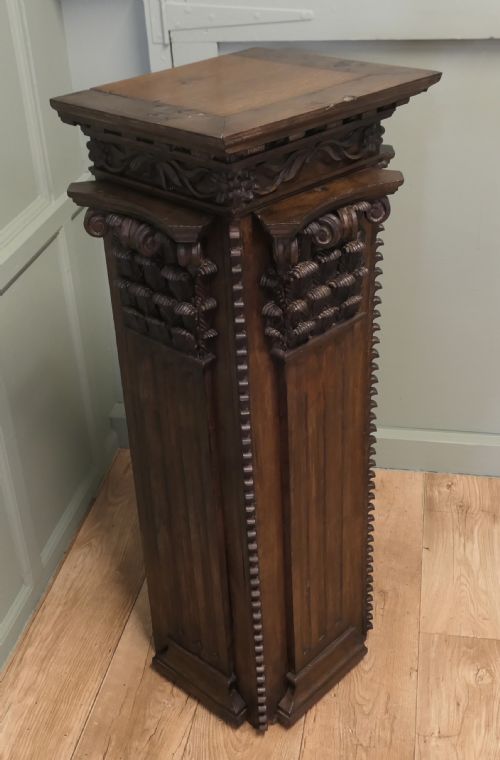
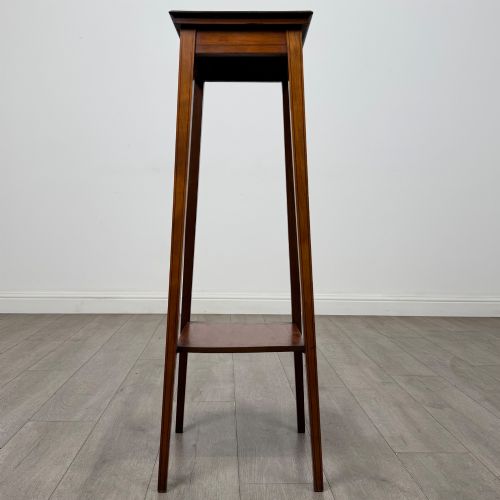
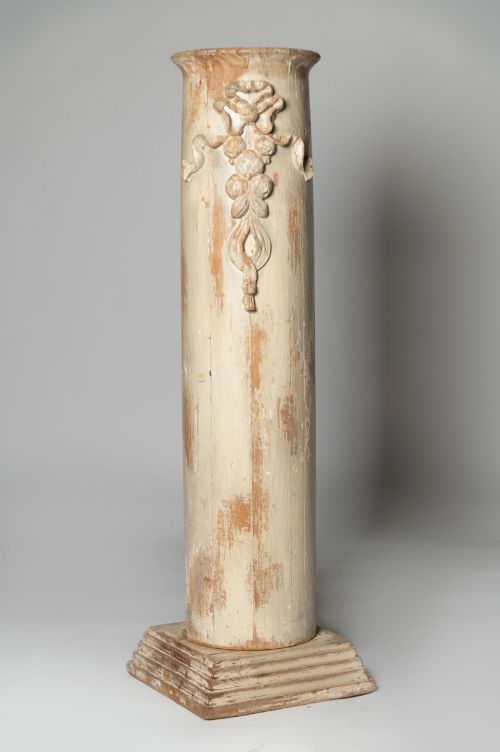
Execution varies from simple turned shafts in oak or mahogany to highly carved figural columns and inlaid satinwood or walnut tables. These pieces operate both as functional supports and as sculptural furniture elements in their own right.
How they were made
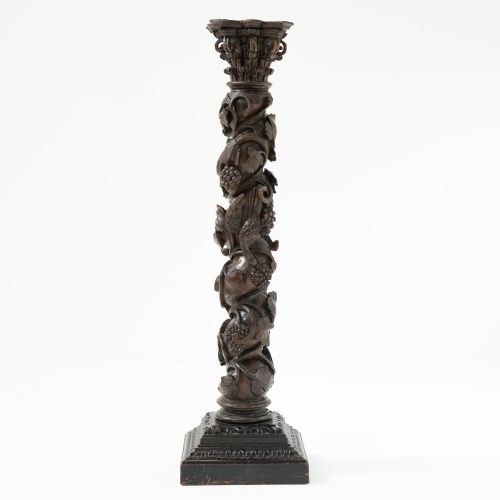
Cabinetmakers utilised dense timbers such as mahogany, walnut and oak, often turning them on lathes to create classical column shafts or solomonic twists. Hardwoods provided the structural integrity required to support heavy marble tops or bronze sculptures without tipping.
Surface ornamentation involved hand-carving, ebonising, and intricate wood inlays using contrasting veneers like satinwood. Some examples incorporate painted finishes or applied brass details, while others rely on the natural grain of the timber finished with wax or polish.
Listings feature woods including mahogany, walnut, oak, satinwood, birch and ebonised timber.
What varies in quality
The distinction between ordinary and exceptional pieces lies in the crispness of the hand-carving and the choice of timber stock. Finer columns exhibit deeply undercut foliage, well-defined figural elements and stable, heavy bases that distribute weight evenly.
Design cohesion separates standard production from superior workshops, where proportions mirror classical architectural orders or distinct aesthetic movements. Attention to secondary timbers and the precision of inlaid veneers further mark out the upper tiers of craftsmanship.
Shoolbred·Liberty of London
The Wooden Display Pedestal Glossary
- Torchère
- A tall, slender stand designed specifically to hold a light or a decorative object at a raised height. These pieces often feature circular tops supported by single columns or tripod bases.
- Solomonic
- A column shaft characterised by a helical twist, resembling a spiral. This distinctive form appears frequently on seventeenth and eighteenth-century stands.
- Jardiniere
- A large decorative pot or stand intended to hold plants or flowers. In furniture terms, it often describes a pedestal with a recessed top or integrated planter.
- Plinth
- The lowest architectural member of a column, or a standalone box-like base supporting a bust or statue. They provide visual stability to taller display columns.
Wooden Display Pedestal: Frequently Asked Questions
What fits on a pedestal?
These stands accommodate heavy items like bronze busts, marble vases, taxidermy and large potted plants. The flat top surface secures the object while raising it to eye level.
Larger surfaces support multi-tiered arrangements, while narrow torchères suit single focal points like porcelain vessels.
Where should I place one?
Pivotal corners, empty hallways and flanking spaces beside fireplaces suit these stands well. They draw the eye upward and fill vertical voids in a room.
Pair matching columns on either side of a doorway or fireplace for architectural symmetry.
How do I date a pedestal?
Timber choice, turning style and decorative motifs provide primary clues to the period. Mahogany and walnut dominate nineteenth-century pieces, while oak frequently indicates earlier centuries or Arts and Crafts production.
Inlay styles, such as satinwood bandings or ebonised surfaces, tie specific pieces to Victorian and Edwardian revival movements.
Are marble tops original?
Many nineteenth-century plant stands and vase tables feature inset marble slabs designed to resist water from potted plants. These stone inserts were integrated during manufacture.
Checking the underside reveals the seating rebate where the marble rests securely within the wooden frame.