




Georgian Style Plinth
Georgian style plinth supports and pedestals bring classical architecture indoors, offering sturdy display platforms for sculpture, urns, and decorative objects.
Georgian Style Plinth
When searching for a Georgian style plinth, buyers encounter architectural display supports shaped by classical revival movements across the nineteenth and twentieth centuries. These pieces draw upon eighteenth-century proportions to create stable platforms for busts, urns, and decorative objects.
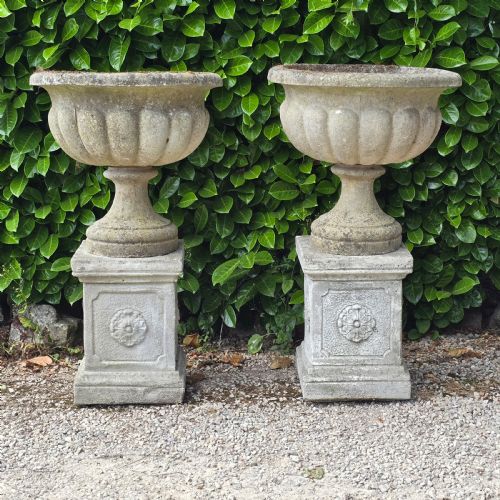
The selection includes freestanding timber pedestals alongside garden urns paired with matching stone plinths. Materials range from solid mahogany and flame mahogany veneer to cast stone and reconstituted stone.
Originating largely from the nineteenth century and subsequent revival periods, these items serve both interior display roles and outdoor garden architectural functions. The prevailing forms reflect neoclassical and regency design vocabularies adapted for domestic and garden settings.
How they were made
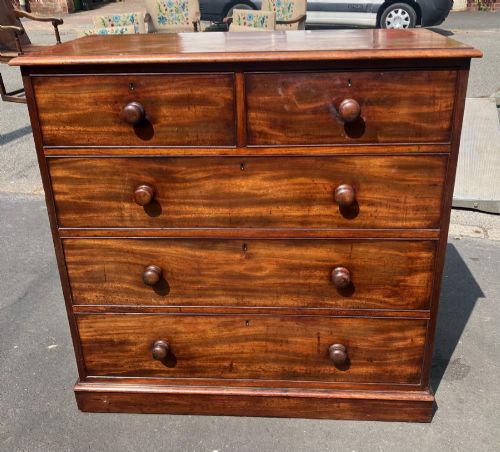
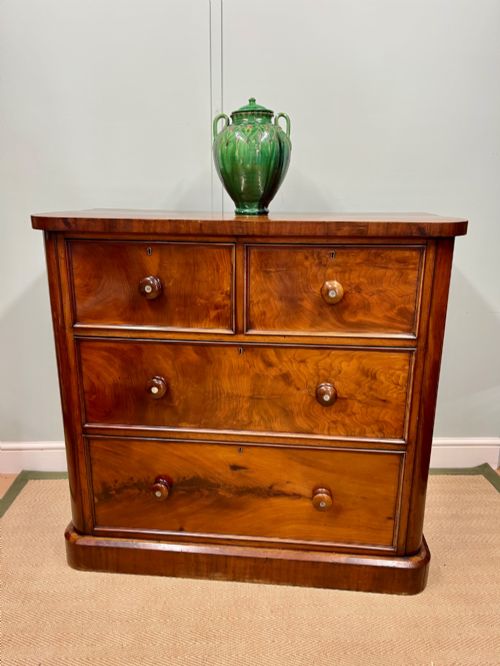
Timber examples utilise solid mahogany and flame mahogany veneers applied over secondary woods, sometimes incorporating decorative inlay work. Joinery follows traditional cabinetmaking standards appropriate for load-bearing display furniture.
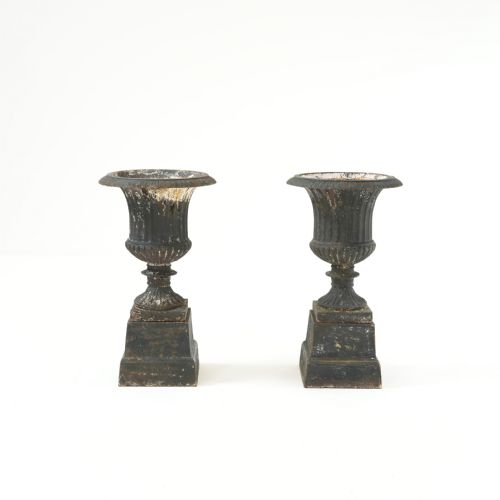
Stone and cast compositions utilise reconstituted stone, cast stone, and cast iron to form durable garden plinths and campana urns. These weather-resistant materials are cast in moulds to achieve crisp classical moulding details.
Listings feature mahogany, cast stone, and reconstituted stone across nineteenth-century and early twentieth-century periods.
What varies in quality
The standard of timber preparation and veneer selection determines the visual richness of wooden pedestals, with figured flame mahogany marking out finer cabinetwork. Structural integrity depends on precise joinery and the thickness of timber used in the column and base.
For stone and cast metal garden pieces, the sharpness of the casting defines the architectural clarity of the moulding and ornamentation. Weathering patination on outdoor urns and plinths also influences the aesthetic appeal of stone surfaces.
Mawer & Stephenson
The Georgian Style Plinth Glossary
- Plinth
- The architectural base or block upon which a column, statue, or urn is erected. It provides visual stability and elevation to the displayed object.
- Pedestal
- A upright support or foot for a statue, vase, or column. These freestanding structures lift display items to eye level.
- Flame mahogany veneer
- A thin slice of mahogany timber exhibiting a distinct flammiform or flame-like grain pattern. Cabinetmakers apply this decorative wood over a stable base.
- Neoclassical
- A style reviving classical Roman and Greek architectural motifs. This design influence appears in the clean lines and symmetrical proportions of pedestals.
Georgian Style Plinth: Frequently Asked Questions
What is a Georgian style plinth used for?
These architectural supports elevate sculptures, urns, and decorative art pieces within domestic interiors or gardens. They provide a stable platform that draws the eye upward to the displayed object.
Historically, such pedestals formed an integral part of classical room design, allowing collectors to showcase bronze busts, marble figures, and ceramic vases at optimal viewing heights.
Where should I place a pedestal?
Freestanding timber pedestals suit hallways, living rooms, and libraries as focal points for sculptural items. Stone and cast iron plinths with paired urns are designed for gardens, terraces, and entranceways.
Placement depends on the material, as solid wood requires stable indoor humidity while cast stone and iron withstand outdoor weathering.
How do I distinguish between periods?
Eighteenth-century originals feature authentic period timber construction and hand-cut joinery consistent with early cabinetmaking practices. Nineteenth-century and revival pieces often incorporate neoclassical detailing inspired by earlier Georgian proportions.
Examining the underside, interior timber linings, and fastener types helps reveal the manufacturing era and woodworking techniques employed.
Can these plinths be kept outdoors?
Only pieces constructed from cast stone, reconstituted stone, or cast iron are suitable for permanent outdoor exposure. Timber pedestals made from mahogany or painted wood require indoor environments protected from moisture.
Weathered stone and iron plinths develop natural patinas over time when exposed to garden elements.