


Sculpture Plinth Stand
A sculpture plinth stand elevates a bust, urn or figure, bringing weight and presence to a room through carved wood or polished stone.
Sculpture Plinth Stand
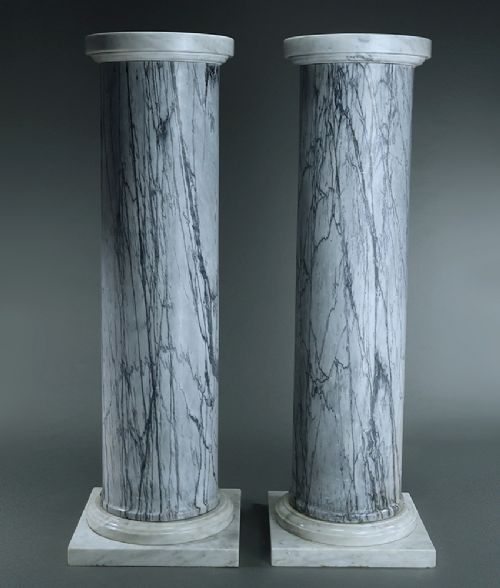
A sculpture plinth stand takes the form of a column, pedestal or columnar support designed to elevate art or decorative objects within a interior. Pieces meeting this description on this page span from the eighteenth century through the Victorian era and into the early twentieth century.
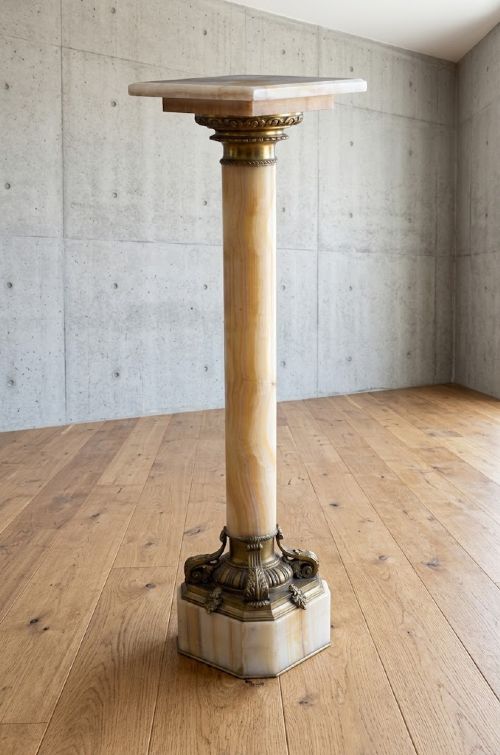
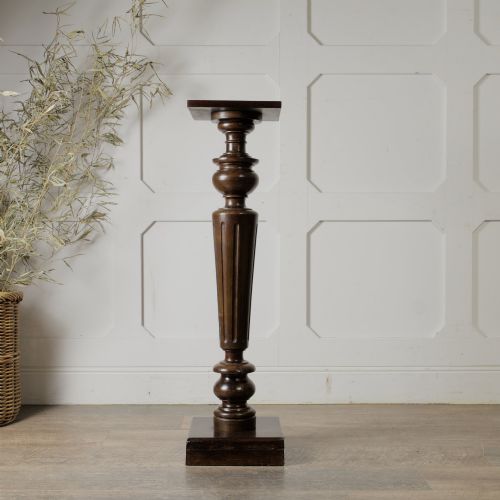
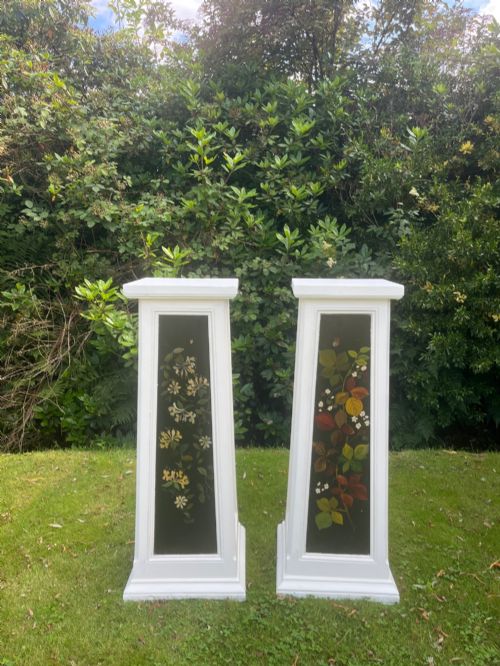
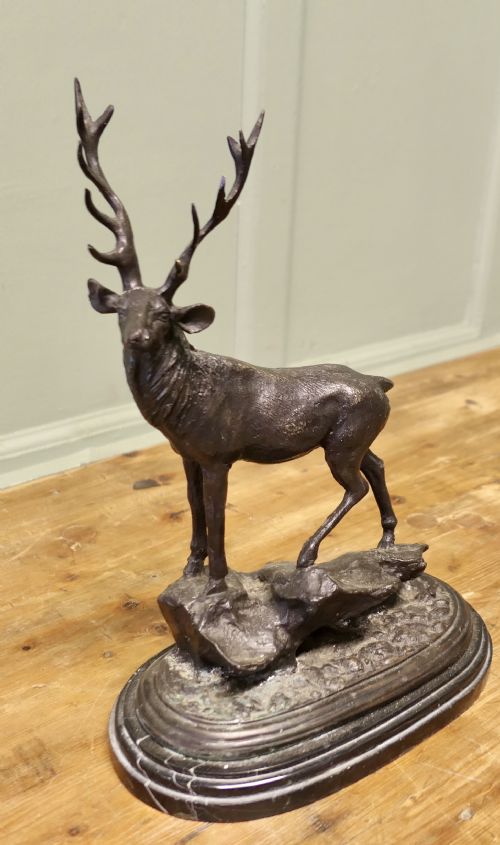
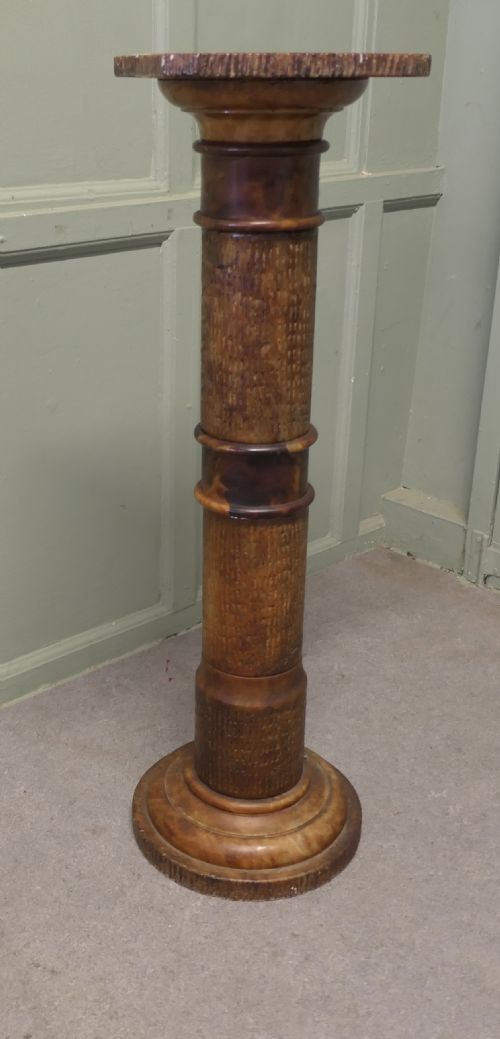
The most common formats include cylindrical marble columns, turned mahogany stands and painted wooden pillars. Makers constructed these pieces to support bronze sculptures, marble busts, urns and garden figures.
Origins range across English, French, Italian and Swedish workshops, displaying styles from Neoclassical and Georgian to Aesthetic Movement and Empire Revival.
Materials and construction methods
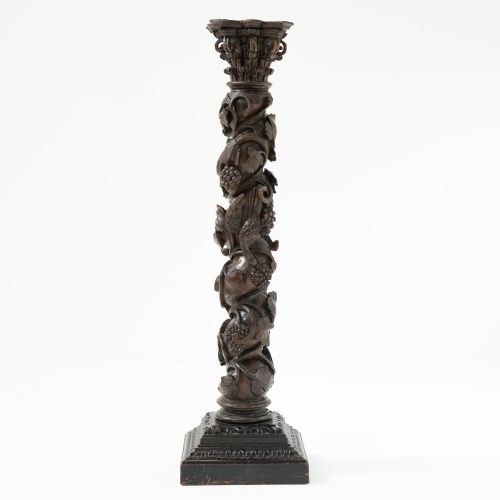
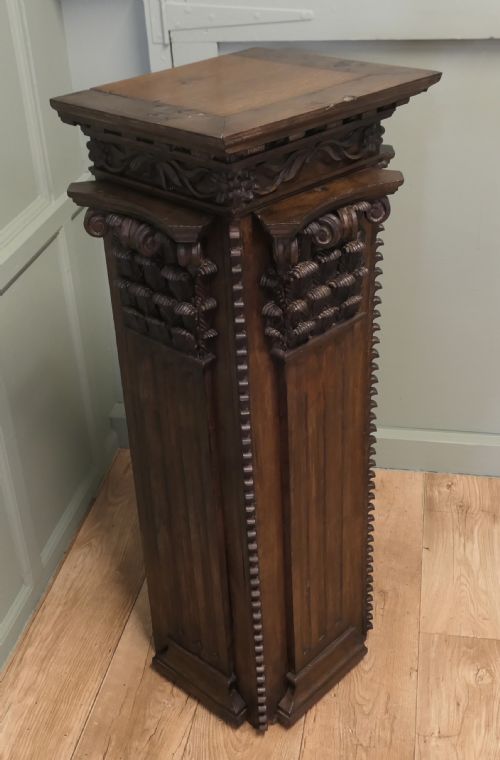
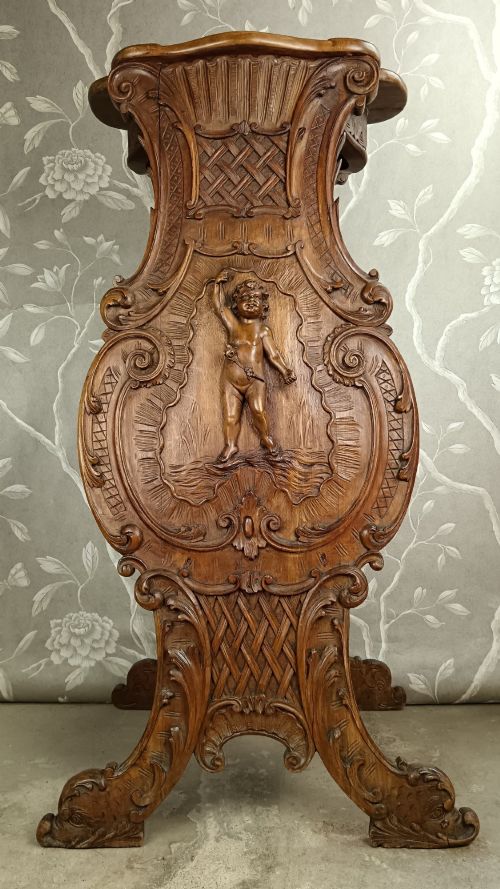
Carpenters and cabinetmakers utilised timbers such as mahogany, satinwood, oak, birch and ebonised wood, often turning them on lathes to create spiral pillars and cylindrical columns. Carved details appeared on walnut and oak surfaces.
Masons shaped natural stones including marble, alabaster, scagliola and onyx, frequently combining contrasting varieties such as Bardiglio and Carrara. Workshops also applied paint or faux marble finishes to pine and plaster bases.
Metal ornament frequently completed the work, with ormolu collars and mounts fitted to marble and wood columns to accent the design.
Period styles span Georgian, Victorian, Aesthetic Movement, Neoclassical and Empire Revival.
Craftsmanship and material selection
The integration of bronze or ormolu mounts separates standard utility stands from exhibition pieces. Structural integrity and the weight distribution required to support heavy stone or cast metal sculpture define the standard of execution.
Gillow & Co.·Fritz Kochendorfer
The Sculpture Plinth Stand Glossary
- Solomonic
- A twisted, spiral column design resembling a helix, frequently seen in seventeenth and eighteenth-century woodwork. This form adds visual movement to a support.
- Ormolu
- Gilded bronze mounts applied as decorative collars and feet on columns and pedestals. French workshops utilised this technique extensively during the nineteenth century.
- Scagliola
- A composite material made from pigmented selenite, glue and plaster, applied to resemble marble. Artisans polished the surface to create convincing faux stone columns.
- Verde Antico
- A dark green serpentine breccia marble valued for its variegated appearance. Italian and French makers shaped this stone into cylindrical display columns.
Sculpture Plinth Stand: Frequently Asked Questions
What fits on a sculpture plinth stand?
These supports accommodate bronze figures, marble busts, ceramic urns and lamps. The top surface provides a stable platform to raise art to eye level.
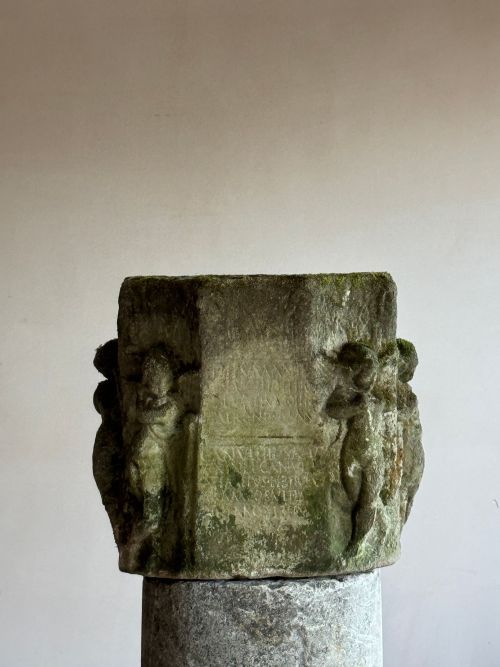
Larger stone columns often support heavy garden statues or substantial cast stone altars, while slender wooden pedestals suit smaller decorative objects.
How do I date a marble column?
Dating relies on the stone selection, turning style and any accompanying metal mounts. Victorian and nineteenth-century examples often feature specific marbles like Verde Antico paired with ormolu collars.
Earlier pieces from the eighteenth century typically display hand-carved timber elements, whereas early twentieth-century stands show revival styles such as Empire or Neoclassical.
Are painted wooden stands original?
Many nineteenth-century pieces feature painted finishes or faux marble effects applied to pine and plaster. Workshops used these techniques to imitate expensive natural stone.
These surfaces represent period decoration rather than later alterations, matching the aesthetic preferences of the nineteenth century.