



Turn of Century Mirror
A turn of century mirror brings character to a room, offering practical reflection through the lens of late Victorian and Edwardian design.
Turn of Century Mirror
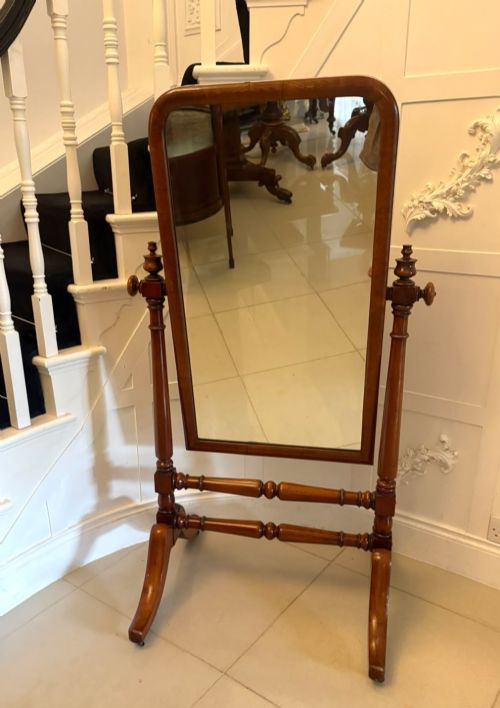
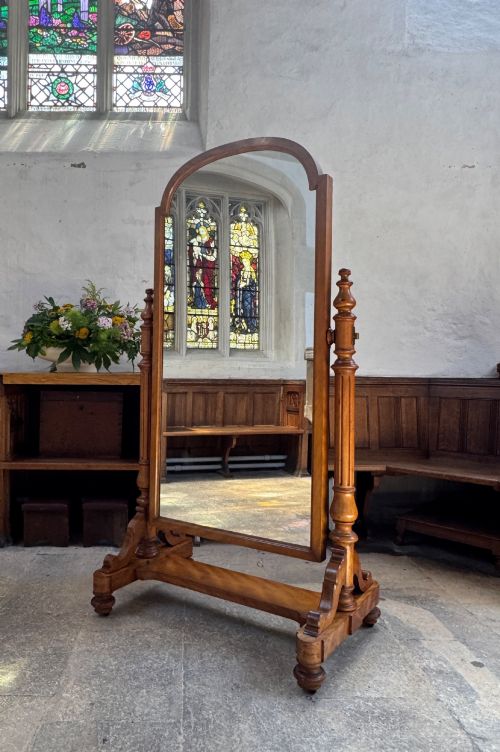
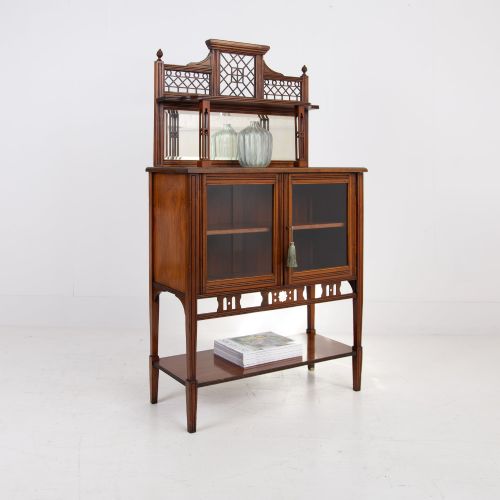
When you search for a turn of century mirror, you encounter a variety of forms ranging from wall-hanging pier mirrors and overmantels to freestanding cheval dressing mirrors and small hand-held pieces. The selection spans styles from the late nineteenth century into the early twentieth century, capturing the transition from ornate Victorian tastes to the organic lines of Art Nouveau and the lighter influence of Edwardian design.
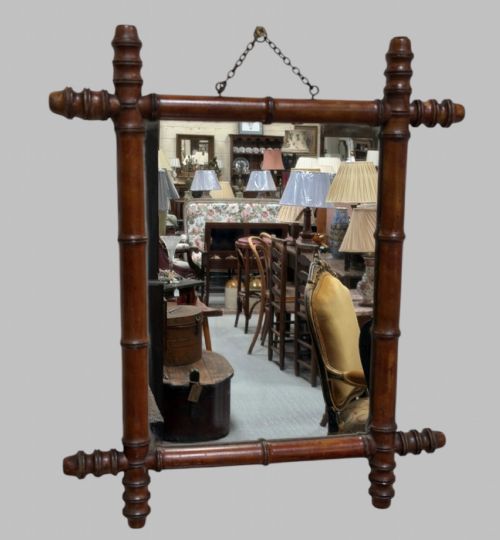
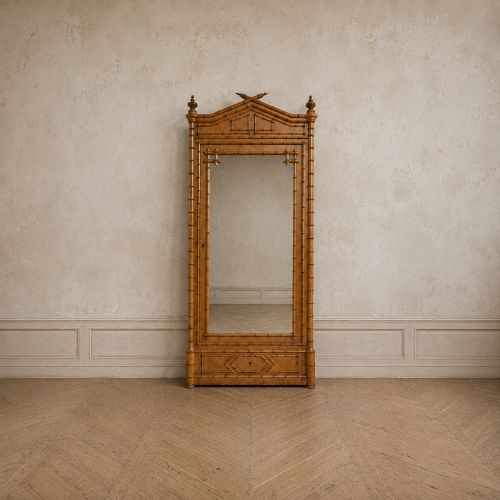
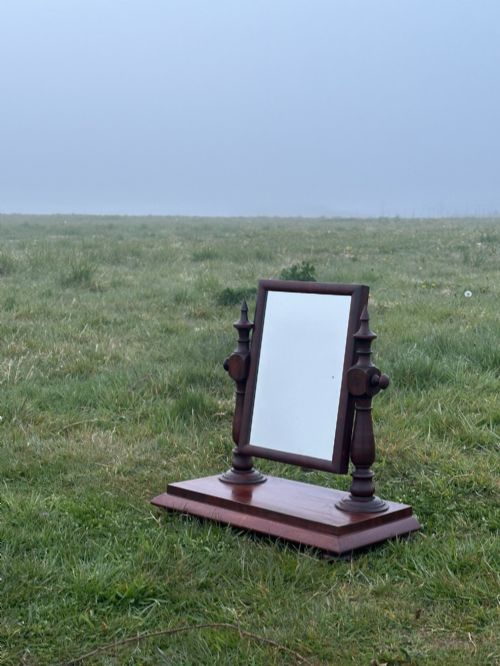
Freestanding cheval mirrors and large dressing table mirrors in mahogany and satin birch dominate the larger formats, often featuring swing mechanisms supported by turned uprights. Wall mirrors of the period frequently utilise giltwood, carved fruitwood, or faux bamboo frames, reflecting the eclectic material choices popular around nineteen hundred.
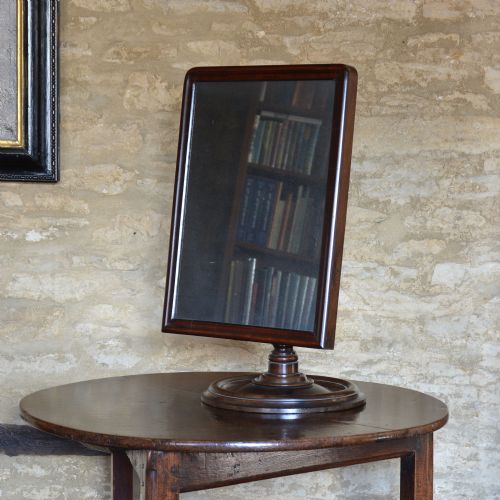
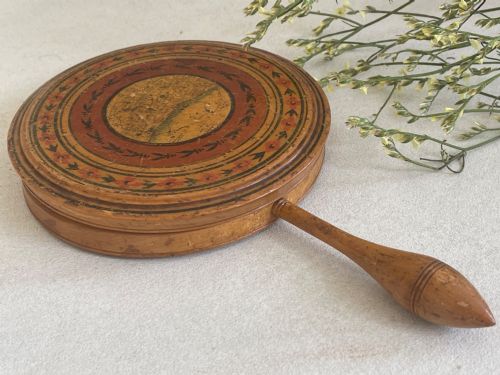
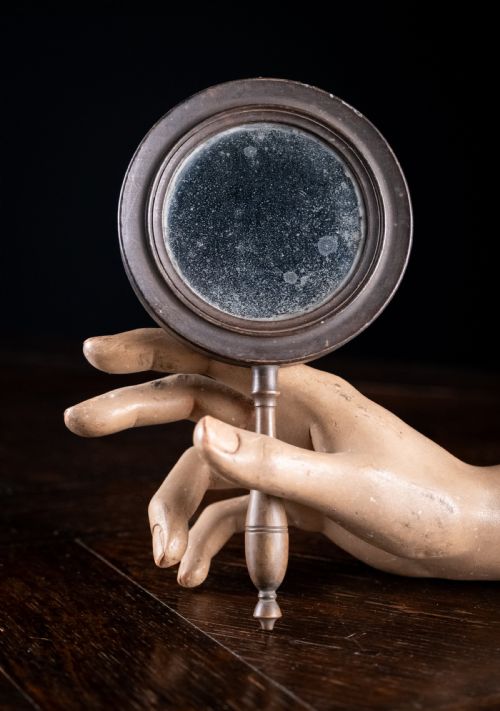
Smaller portable items such as travelling mirrors, hand mirrors, and shaving glasses appear alongside substantial architectural overmantel mirrors designed to sit above a fireplace. This mix of domestic scales means pieces function equally well on a dressing chest, a hallway console, or mounted directly to a living room wall.
Materials and construction
Makers of this era relied heavily on traditional timber frames constructed from mahogany, walnut, beech, and boxwood, alongside specialised decorative treatments like faux bamboo and gilded gesso. Glass panels were set securely into rebated wooden frames, sometimes backed with protective timber panels or supported by brass pivots in swing designs.
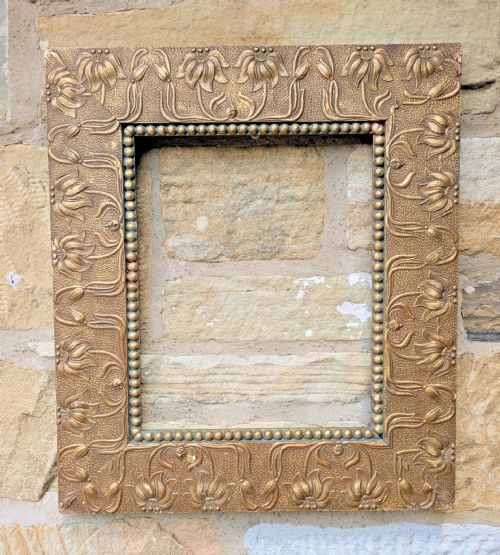
Joinery techniques combined sturdy mortise and tenon joints with turned wooden elements and carved detailing. Giltwood and carved fruitwood frames demonstrated high levels of manual dexterity, utilising gesso layers to build up intricate relief patterns before applying gold leaf or paint finishes.
Some nineteenth-century dressing mirrors included hidden compartments for storing clandestine love letters or small valuables behind the swing glass.
Assessing quality and execution
Quality in these mirrors rests primarily on the depth and clarity of the original mirror glass, the crispness of the timber carving, and the structural integrity of the frame joints. Superior examples exhibit tightly fitted mitres, substantial timber thickness without warping, and well-executed decorative details such as hand-carved fruitwood or precise turnings.
The secondary materials also indicate grade, with dense hardwoods like mahogany and satin birch marking out better executed domestic pieces compared to simpler painted or stained softwood alternatives. Original brass hardware, functioning swing pivots, and intact backing boards further separate standard production items from finer workshop pieces.
Fischel
The Turn of Century Mirror Glossary
- Cheval mirror
- A freestanding full-length mirror mounted on a vertical frame with pivots that allow the glass to swing. This design became particularly popular in nineteenth-century bedrooms and dressing rooms.
- Overmantel mirror
- A large mirror designed to be hung or placed on the mantelpiece above a fireplace. They often incorporate architectural mouldings and wide frames to dominate the chimney breast.
- Pier mirror
- A tall, narrow mirror designed specifically to be hung on the pier of wall between two windows. They frequently match console tables placed below them.
- Faux bamboo
- A decorative finish where wood is carved, turned, or painted to imitate the segmented stalks of natural bamboo. This style gained widespread popularity during the late Victorian period.
- Gesso
- A plaster-like mixture applied to wood frames as a base for gilding and carving. It allows artisans to model fine relief details before applying gold leaf.
Turn of Century Mirror: Frequently Asked Questions
How do I hang a heavy overmantel mirror?
Heavy overmantel mirrors require secure wall fixings into masonry or direct attachment to wall studs using robust mirror plates. Due to the substantial weight of the timber frame and glass, professional installation is strongly recommended.
Ensure the weight distribution is shared evenly across multiple points rather than relying on a single picture wire, which can fail under sustained tension over time.
Can I replace the glass in an antique mirror?
Replacing the glass is possible, but retaining the original mirror plate is generally preferred by collectors because original glass shows characteristic age spots and silvering degradation that modern replacements lack. Original glass preserves the authentic historical character of the piece.
If the glass is broken beyond repair, a specialist can cut a replacement mirror to fit the rebated frame using silvered glass that matches the thickness of the original.
What is faux bamboo furniture?
Faux bamboo refers to wooden items where craftsmen laboriously turn and carve beech or other timbers to replicate the characteristic nodes and rings of natural bamboo stalks. This technique flourished during the nineteenth century as part of an expanding interest in exotic design.
Pieces treated in this manner range from wall mirrors and dressing tables to large armoires, often finished with painted highlights to enhance the illusion.
How should I clean my antique mirror frame?
Dust wooden and gilded frames gently with a dry, soft brush or a microfiber cloth to remove accumulated dirt without damaging fragile surfaces. Avoid using commercial liquid polishes or water on gilded gesso, as moisture can dissolve the historic finish.
Glass panels can be cleaned using a minimal amount of glass cleaner applied directly to a cloth rather than sprayed onto the glass, preventing liquid from seeping behind the frame rabbet.