
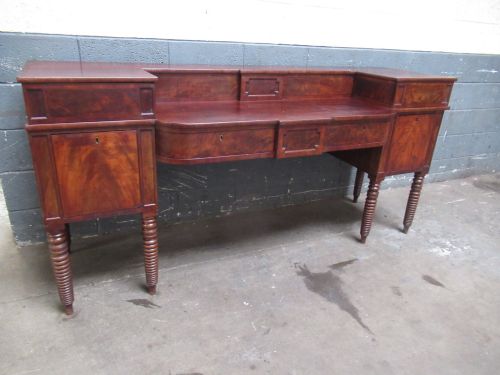
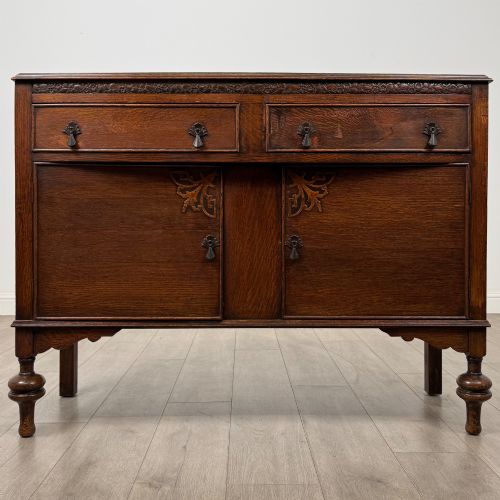
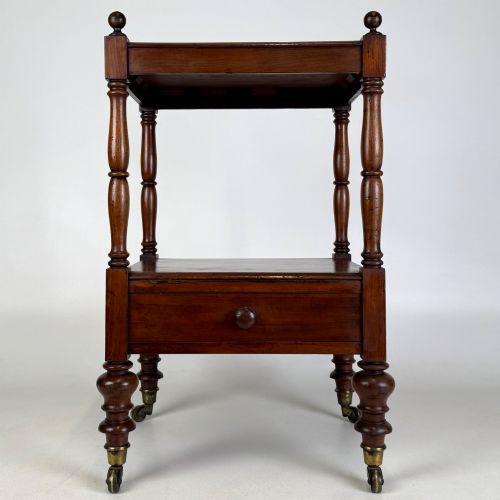
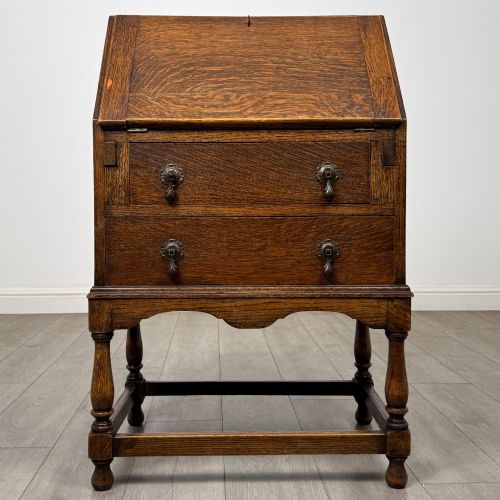

Turn of Century Cabinet
When you search for a turn of century cabinet, you are looking at storage pieces spanning multiple decades around nineteen hundred.

Turn of Century Cabinet
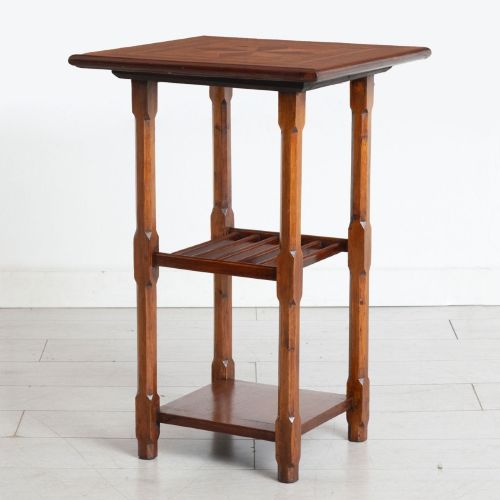
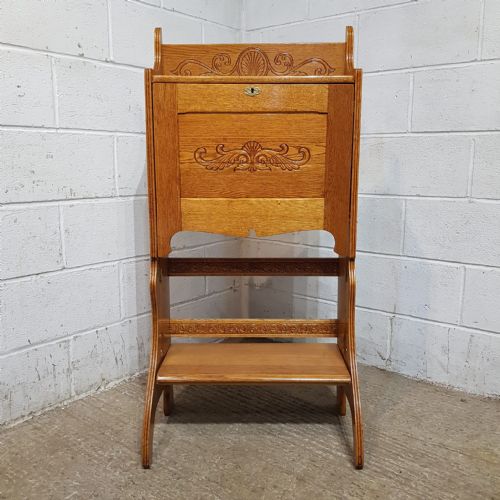
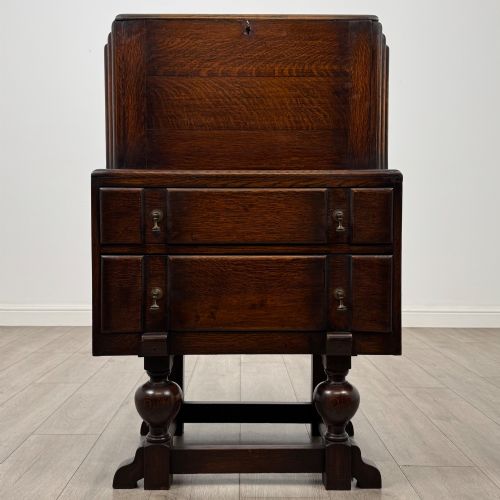
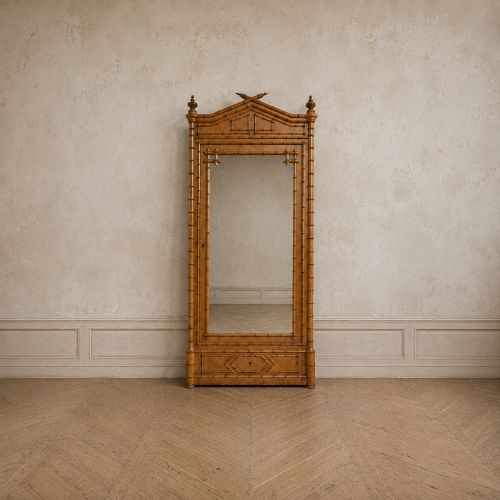
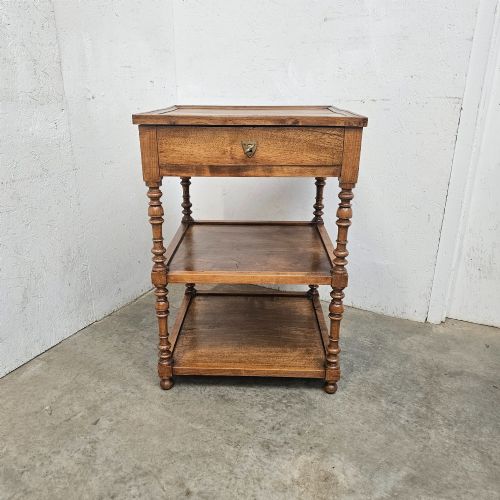
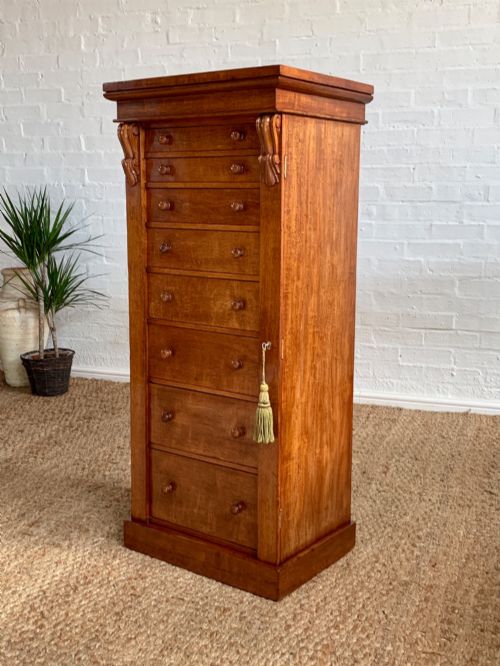
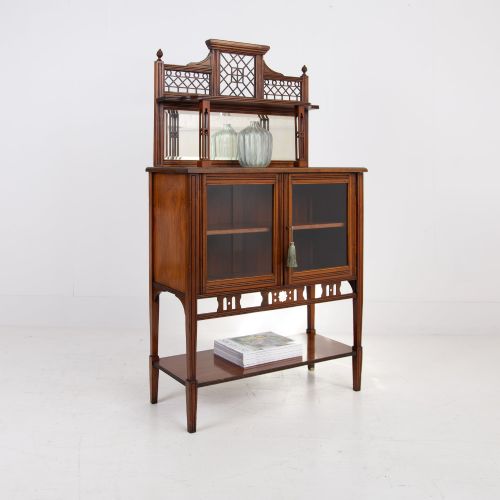
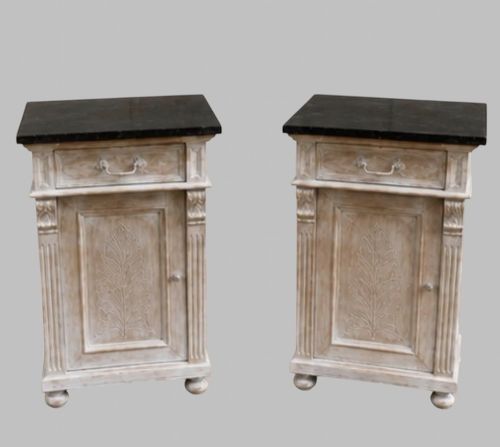
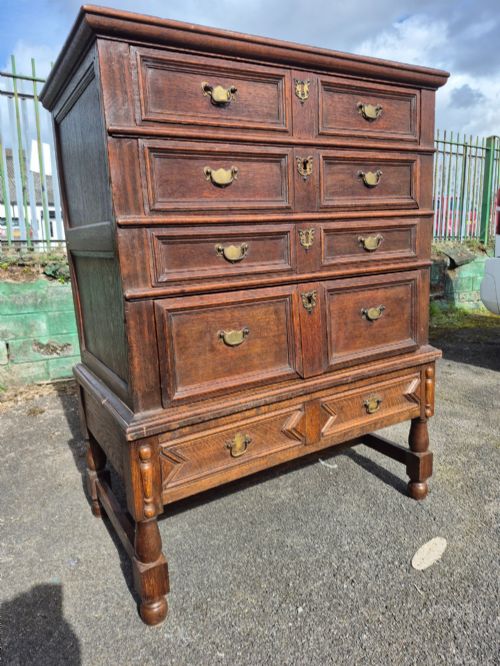
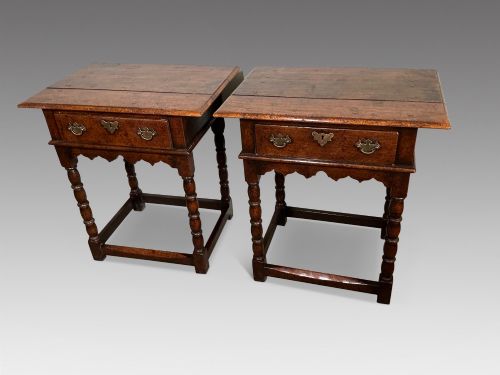
A turn of century cabinet encompasses diverse forms originating from the nineteenth and twentieth centuries, including bedside cabinets, display cabinets, and sideboards. These items serve practical storage needs while reflecting the prevailing domestic habits of their respective decades.
Makers utilised various construction styles, ranging from plain functional designs to elaborate Arts and Crafts and Art Nouveau aesthetics. Each object records the shifting tastes in household furniture over generations of domestic life.
How they were made
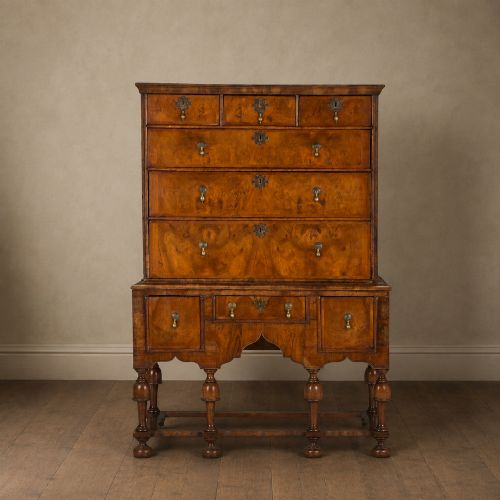
Joiners constructed these pieces primarily using solid timbers like mahogany, oak, and walnut, frequently applying veneers such as kingwood and bird's-eye maple to primary surfaces. Brass hardware, iron fixtures, and glass panels appeared regularly on doors, handles, and display sections.
Cabinet makers employed traditional joining techniques alongside decorative methods like marquetry, parquetry, and turning. Surfaces often received polished finishes that highlighted the natural grain of the wood.
The listings show oak, mahogany, and walnut as the primary woods used across nineteenth and twentieth-century cabinets.
What varies in quality
The standard of a turn of century cabinet depends on the selection of timber and the precision of the joinery. Pieces featuring figured veneers, inlaid brass, and hand-carved details demonstrate a higher degree of workshop skill.
Original hardware, sound structural integrity, and well-executed decorative treatments elevate certain examples above standard utilitarian items. The finesse of the finish and the preservation of original elements dictate the distinction between ordinary and superior pieces.
Robert Strahan Dublin
The Turn of Century Cabinet Glossary
- Veneer
- A thin slice of decorative wood glued over a base timber to provide a patterned surface. This technique allows cabinet makers to utilise expensive woods efficiently.
- Marquetry
- The art of applying pieces of veneer to a structure to form decorative patterns or pictures. Craftsmen use various coloured woods to create detailed pictorial designs.
- Cellarette
- A lockable container used for holding bottles of wine or spirits. These objects frequently sit beneath sideboards or on dedicated stands.
- Vitrine
- A glass-fronted cabinet designed for displaying fine objects or porcelain. Such pieces became popular for showcasing decorative items in reception rooms.
- Parquetry
- A geometric mosaic of wood pieces used for decorative floors and cabinet surfaces. The technique relies on precise cutting to form repeating patterns.
Turn of Century Cabinet: Frequently Asked Questions
What is a turn of century cabinet?
A turn of century cabinet refers to storage furniture produced around nineteen hundred, bridging the late Victorian and Edwardian eras. These items encompass display pieces, side cabinets, and bedside units.
They reflect the transition in domestic design styles from heavy Victorian aesthetics toward lighter Edwardian and Art Nouveau forms.
How do I identify the period?
Identifying the period requires examining the timber, construction methods, and decorative motifs present on the piece. Edwardian items often feature lighter oak or satinwood, while Victorian examples lean toward darker figured mahogany.
Specific stylistic indicators, such as Art Nouveau floral carvings or Arts and Crafts simplicity, help narrow down the decade of production.
Where were these cabinets used?
Original owners placed these cabinets across various rooms depending on their specific form and function. Bedside versions sat in bedrooms, while display cabinets and sideboards occupied dining rooms and sitting rooms.
Their varied scale allowed them to fit into both grand reception rooms and smaller domestic spaces.
How do I care for wooden cabinets?
Maintaining these pieces involves keeping them away from direct heat sources and fluctuating humidity levels to prevent wood splitting. Regular dusting with a soft, dry cloth preserves the polished finish.
Applying appropriate wood waxes periodically helps nourish older timber surfaces without building up heavy residues.