
Mirrored Back Cabinet
These mirrored back cabinets combine display shelving with reflective glass, bringing light and depth to domestic interiors across several historic periods.

What a mirrored back cabinet is
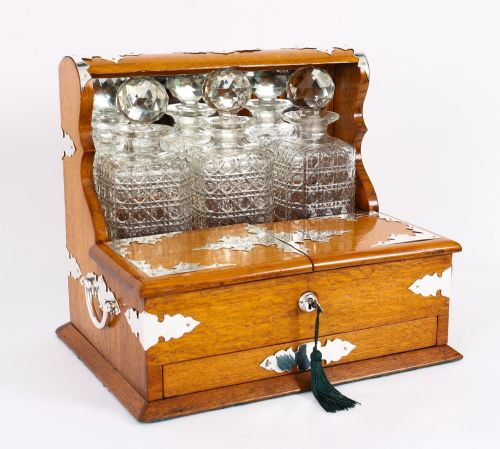
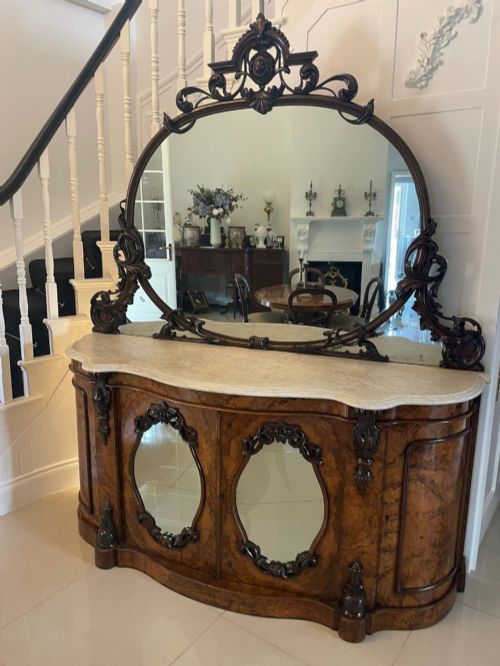
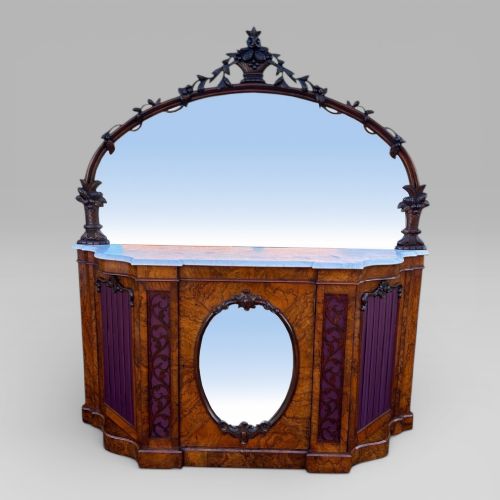
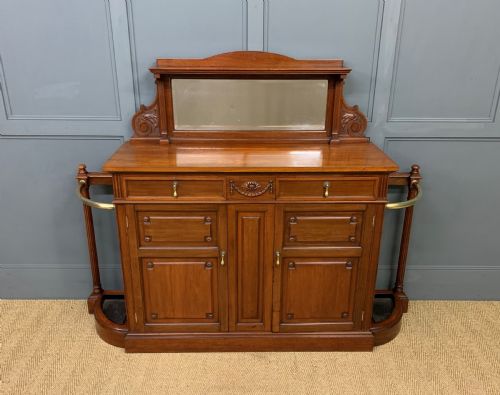
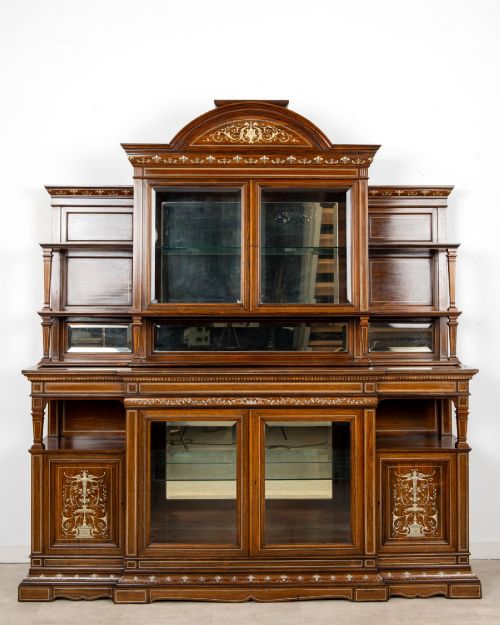
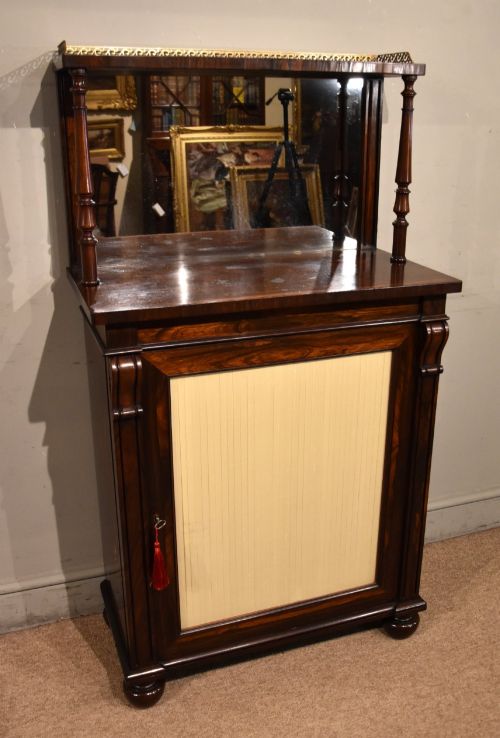
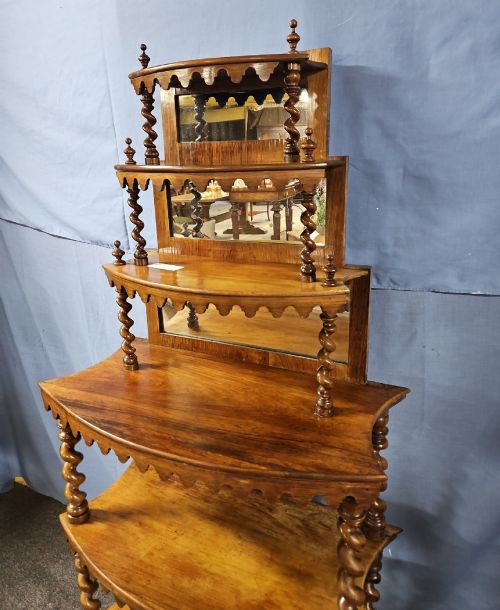
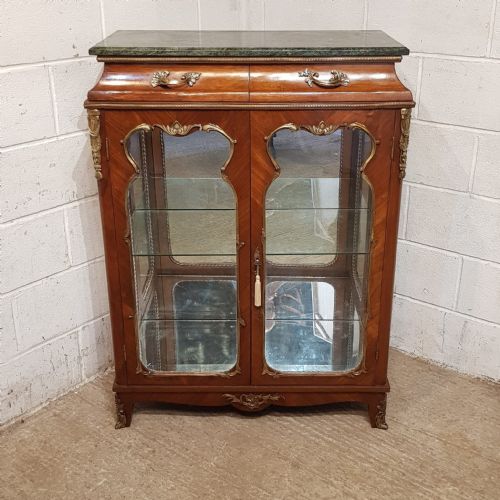
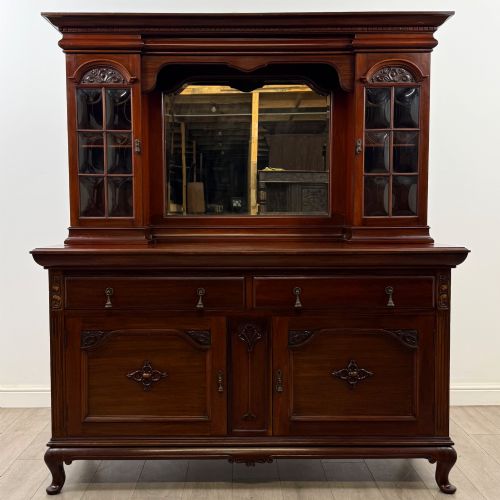
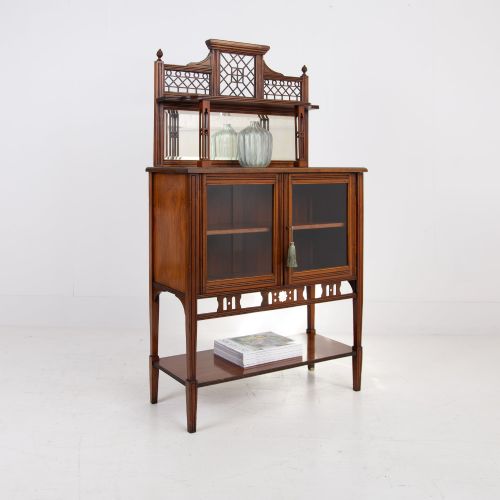
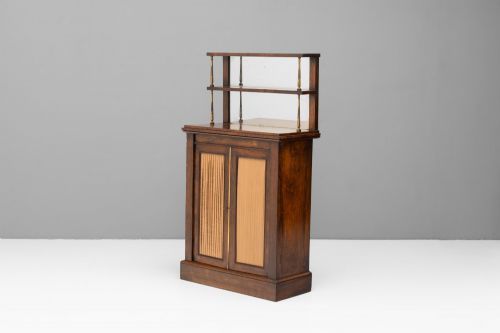
A mirrored back cabinet serves primarily as a display piece, designed to showcase precious objects while amplifying the ambient light in a room through its internal reflective glass. These items span from the late nineteenth century through to the nineteen-twenties, appearing in forms such as narrow side cabinets and glazed display cabinets.
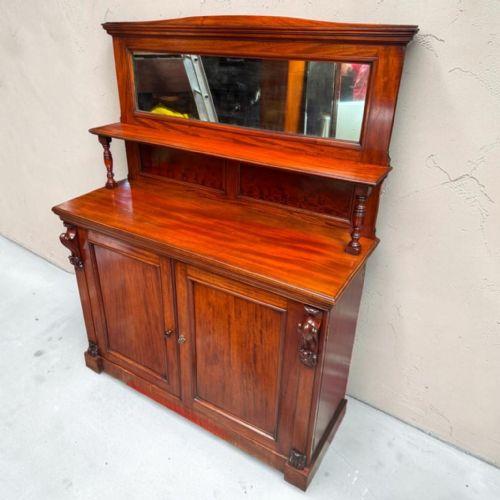
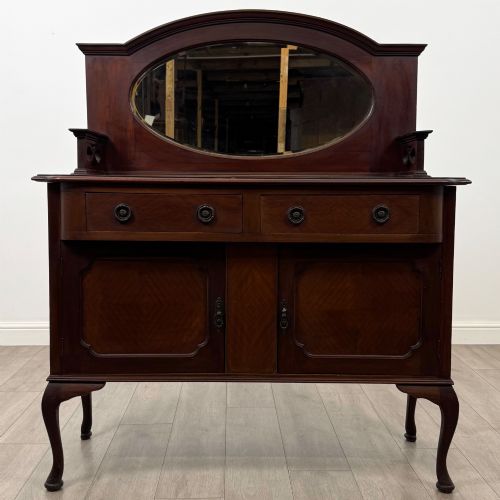
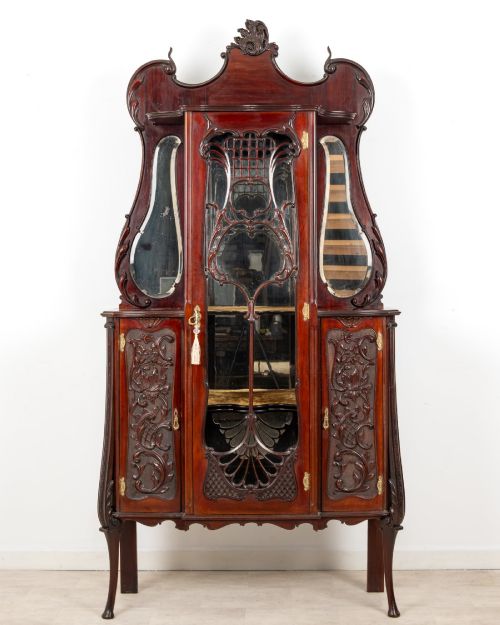
Buyers frequently encounter examples created during the late Victorian and Edwardian eras, alongside pieces executed in the Art Nouveau and Aesthetic Movement styles. Mahogany forms the predominant primary material, often embellished with wood inlay or satinwood, while specific countertop variants utilise ebonised wood.
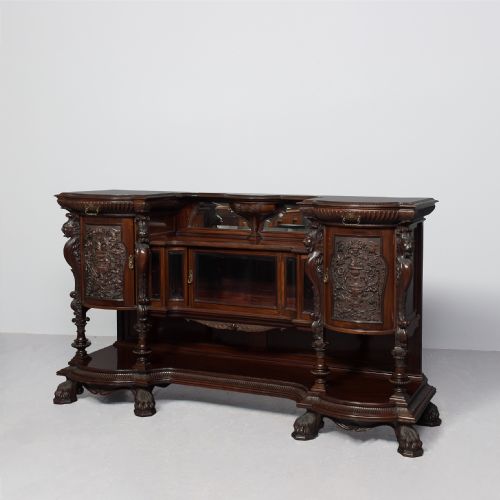
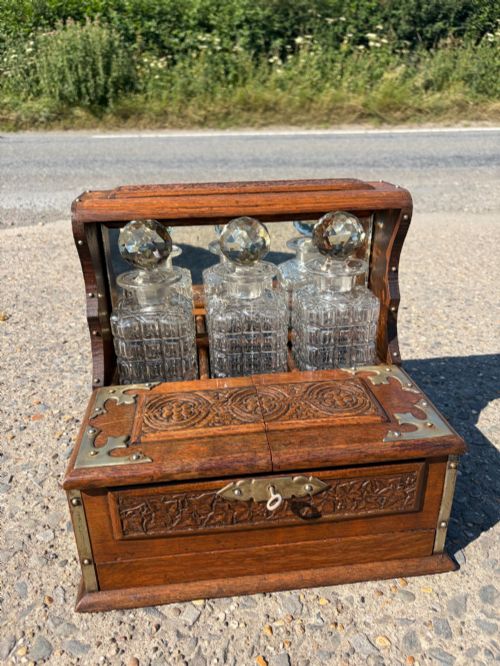
The integration of a mirrored back distinguishes these specific cabinets from standard glazed shelving, providing an optical expansion of interior space. Originating from various workshops, including Swiss examples from the late nineteenth century, these pieces range from intimate countertop models to substantial salon furniture.
How they were made
Cabinet makers constructed these pieces principally using mahogany, satinwood, and ebonised wood, combining structural timber frames with internal glass panels and reflective mirror glass. Brass hardware such as hinges and locks frequently complemented the timber construction, showing the functional attention to detail applied by period makers.
Decorative embellishments relied on skilled wood inlay techniques, hand-carved motifs, and polished timber surfaces that highlighted the natural grain of the materials. Glazing techniques secured glass panes within timber doors, while mirrored plates were fitted securely into the rear interiors to create the signature reflective backing.
Retail Price Guide 2026
Typical UK retail prices for mirrored back cabinet, calculated from the Sellingantiques database of over a million retail prices indexed since 2003. This retail price guide relies exclusively on Sellingantiques data; no external sources or auction records are used, so the figures do not describe the wider market.
Listings feature cabinets spanning from eighteen-ninety through the nineteen-twenties, incorporating mahogany, satinwood, and ebonised wood across multiple design movements.
What varies in quality
Quality differentiates itself through the sophistication of the timber selection, such as the choice between standard mahogany and finely figured satinwood with intricate wood inlay. The ambition of the design dictates the tier of the piece, moving from straightforward utilitarian countertop display cabinets up to exhibition quality salon cabinets.
Execution of decorative elements like hand carving and the precision of the joinery mark the distinction between standard commercial production and superior craftsmanship. The preservation of original brass fittings and the clarity of the integrated mirror glass further separate ordinary examples from exceptional specimens.
The Mirrored Back Cabinet Glossary
- Aesthetic Movement
- A late nineteenth-century design style focusing on art for art's sake, often featuring simplified lines and Japanese-inspired decorative motifs. Cabinets from this movement prioritise visual harmony over heavy historic revivalism.
- Art Nouveau
- A decorative style prevalent around nineteen hundred characterised by flowing, organic lines and natural motifs. Pieces in this style often incorporate sinuous carved woodwork alongside glazed display doors.
- Ebonised Wood
- Timber treated with a dark finish to imitate expensive ebony wood. This technique appears frequently on countertop display cabinets from the early twentieth century.
- Satinwood
- A pale, lustrous hardwood sourced from tropical trees, prized for its golden sheen. It serves as a primary timber or as decorative inlay on upscale Edwardian cabinets.
- Wood Inlay
- A decorative technique where small pieces of contrasting timber are inserted into recesses within the main wood surface. This method creates geometric or floral patterns across the cabinet front.
Frequently Asked Questions
Where were mirrored back cabinets placed?
These cabinets traditionally stood in principal reception rooms, drawing rooms, and parlours where hosts displayed ceramics, glassware, and small ornaments.
Countertop variations sat atop sideboards or desks, functioning as miniature display cases for particularly delicate cabinet items.
How do I care for the mirror glass?
Maintenance requires gentle cleaning with a soft, dry cloth to prevent moisture from seeping behind the glass plate into the timber backing.
Avoid harsh chemical cleaners that might damage the silvered backing of the mirror or degrade the surrounding wood polish.
Are these cabinets suitable for everyday use?
Their sturdy timber construction and glazed doors make them practical for storing and displaying collections while protecting contents from dust.
Care should be taken not to overload internal shelves beyond the capacity intended by the original nineteenth or early twentieth-century makers.
How do I distinguish Edwardian from Victorian examples?
Victorian cabinets generally display heavier carved mahogany and darker finishes reflecting the aesthetic preferences of the nineteenth century.
Edwardian pieces often utilise lighter satinwood inlay and more restrained decorative schemes developed around nineteen hundred.