





Tribal Wool Carpet Fragment
When you search for a tribal wool carpet fragment, you are looking at remnants of nomadic weaving traditions spanning the nineteenth and eighteenth centuries.
Tribal Wool Carpet Fragment
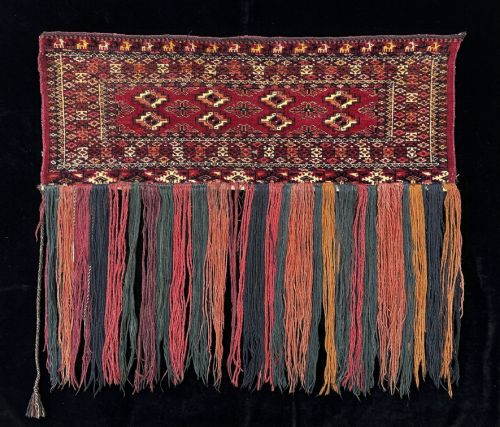
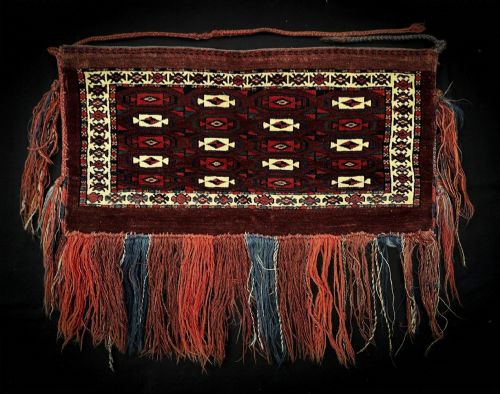
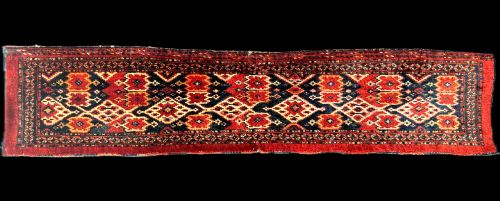
A tribal wool carpet fragment typically originates as a utilitarian furnishing from Central Asia, the Caucasus, or Persia, created by nomadic and village groups. Collectors encounter various forms here, most commonly torba faces, bagfaces, chuval faces, and specific remnants of runners and rugs from the nineteenth century. These items include pieces originating from Yomut, Tekke, Saryk, Ersari, Chodor, and Shahsavan tribes.
How they were made
The construction relies predominantly on hand-spun wool pile knotted or woven onto foundations of wool, cotton, or linen. Weavers utilised natural and vegetable dyes to achieve deep colour palettes, occasionally incorporating white cotton and crimson silk highlights.
Nomadic workshops employed specific structural techniques suited to portable looms, producing dense weaves and durable flatweaves or soumak structures. The combination of natural dye stuffs and hand-spun materials results in varied tactile qualities across the different tribal groups.
Tribal Wool Carpet Fragment Retail Price Guide 2026
Typical asking prices for tribal wool carpet fragment among the pieces listed under this phrase on Sellingantiques today, from the lower quarter to the upper quarter. They describe what is for sale here now, not the wider market.
Several pieces preserve the exact expression of nomadic camel trappings and tent decorations from the Middle Amu Darya region.
What varies in quality
Quality rests in the precision of the drawing, the fineness of the weave, and the depth of the natural colour palette. Pieces exhibiting crisp geometric motifs, such as guls and curled leaf designs, demonstrate superior technical execution by the weaver.
The integrity of the remaining wool pile and the complexity of the tribal design dictate the overall visual impact of the remnant. Strong contrast in vegetable dyes and exceptional handle separate standard weaving from masterworks.
The Tribal Wool Carpet Fragment Glossary
- Gul
- A primary medallion motif characteristic of Turkmen carpets and tribal weaving. These repeated primary patterns often identify the specific tribe or clan that produced the textile.
- Torba
- A small storage bag or hanging piece traditionally used within nomadic tents. They typically feature intricate face designs with multiple guls.
- Chuval
- A large tent bag used for household storage by nomadic tribes. These pieces display elaborate face designs similar to torbas but on a broader scale.
- Soumak
- A flat-weave technique involving coloured threads wrapped over the warp threads before passing back underneath. This method produces a durable structure with a braided appearance on the face.
- Mafrash
- A rectangular storage box or bedding bag side panel woven by tribal groups. They frequently display compartmented designs or repeated geometric motifs.
Tribal Wool Carpet Fragment: Frequently Asked Questions
What is a tribal wool carpet fragment?
A tribal wool carpet fragment is a surviving portion of an antique nomadic weaving, such as a bagface, torba, or damaged rug. These remnants preserve traditional designs and techniques from nineteenth-century tribal makers.
Collectors prize them for their authentic materials and regional motifs, allowing the study of nomadic textile art without acquiring a full-sized carpet.
How were these fragments used originally?
Nomadic tribes utilised these textiles as functional storage bags, tent bands, and camel trappings rather than decorative floor coverings. Pieces like torbas and chuvals stored household goods inside yurts.
Over time, worn or damaged full items were cut down, leaving surviving sections that retained their central design elements.
How do I identify different tribal designs?
Tribal designs are identified through repeating geometric motifs known as guls, specific border patterns, and structural weave characteristics. Different groups such as the Tekke, Yomut, and Ersari employed distinct colour combinations and medallion shapes.
Reference materials and comparative study of known tribal types help attribute fragments to specific regions like the Trans-Caspian steppes or the Caucasus.
How should I display a textile fragment?
Textile fragments are commonly mounted and framed behind glass or attached to a supportive backing fabric for wall display. This protects the delicate wool pile and aged foundations from physical strain.
Keeping the piece away from direct sunlight preserves the natural and vegetable dyes used by the original makers.