



Vintage Turkmen Rug Hanging
When you search for a vintage turkmen rug hanging, you encounter tribal weavings created across Central Asia by nomadic makers using traditional wool and natural dyes.
Vintage Turkmen Rug Hanging
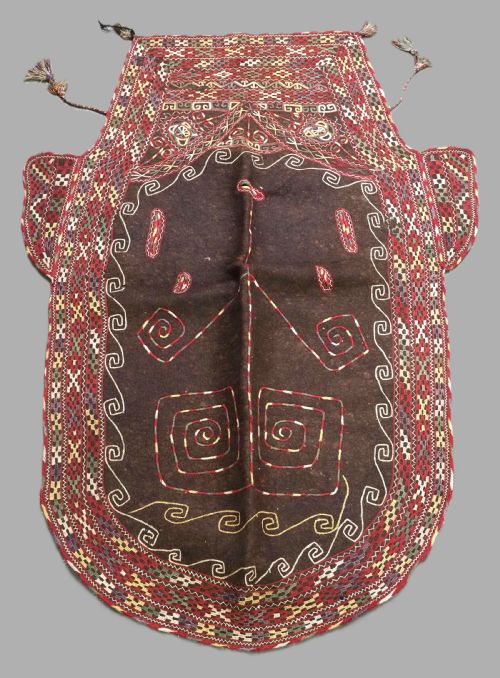
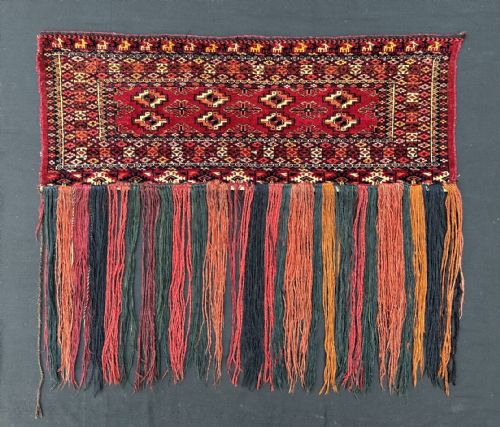
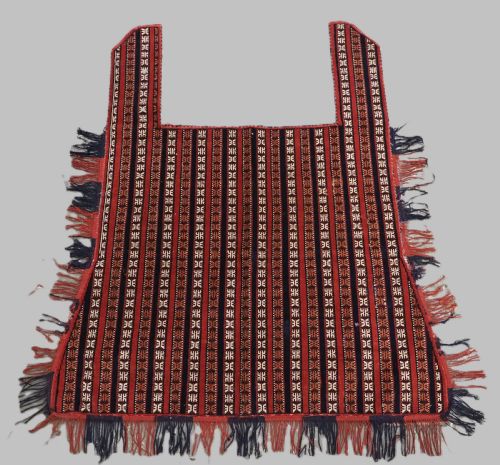
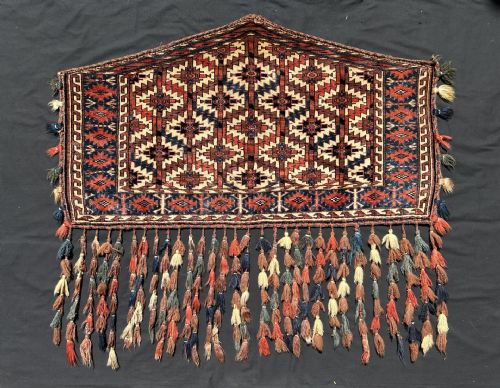
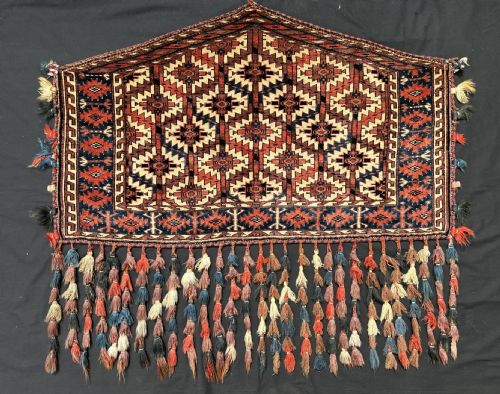
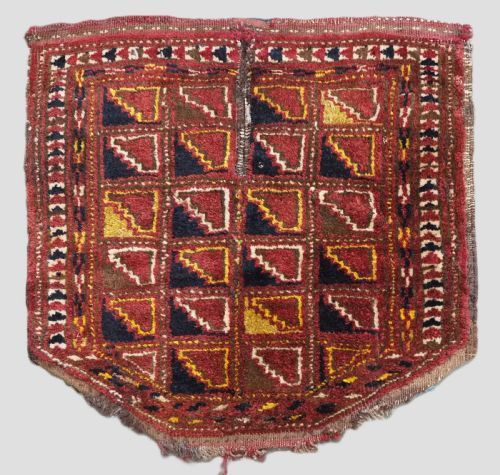
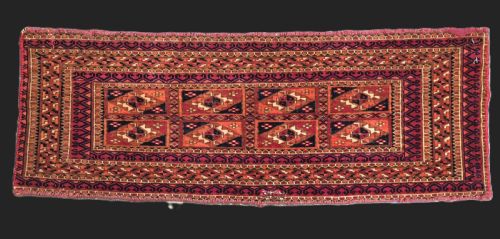
A vintage turkmen rug hanging encompasses nomadic trappings, asmalyks, torbas, chuvals, and tent bands produced by tribes such as the Yomut, Tekke, and Ersari across the nineteenth and early twentieth centuries. These textile forms originally served practical functions within portable dwellings, functioning as storage bags, saddle covers, horse blankets, and doorway portieres.
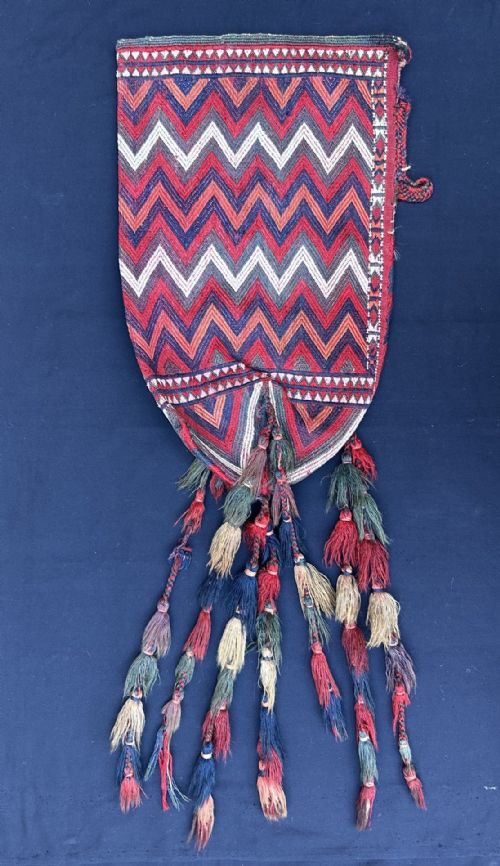
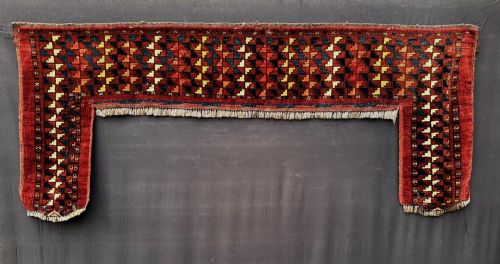
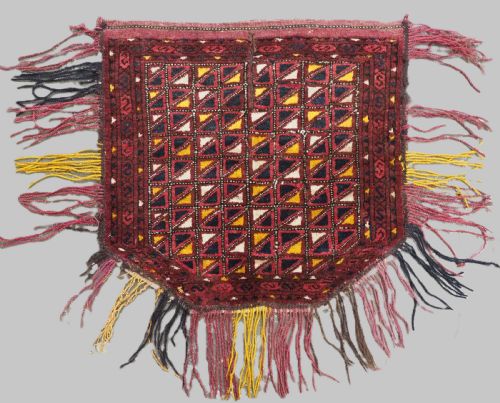
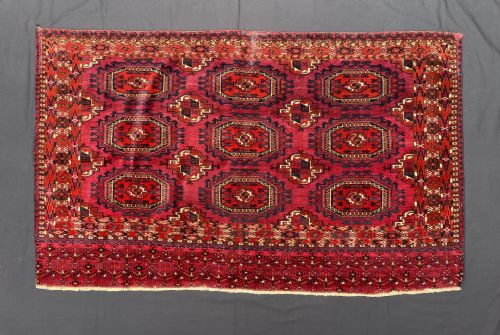
Most examples found on this page consist of bag faces, tent hangings, and ceremonial trappings created in the Trans-Caspian steppes and the Middle Amu Darya region. The selection bridges utilitarian nomadic craft and highly decorative tribal art, displaying repeating geometric guls and intricate flatweave structures.
Makers utilised wool, cotton, and occasionally silk thread alongside natural dyes to construct durable textiles intended for daily tribal life and ceremonial use. Surviving pieces range from complete storage sacks with original plain weave backs to fragments and hanging sections adapted for display.
Qualities of Distinction
Quality rests upon the fineness of the weave, the clarity and complexity of the geometric guls, and the saturation of the natural dyes. Pieces exhibiting high knot density and precise symmetry represent the finer output of tribal workshops.
Some ceremonial horse blankets still retain tiny glass beads meant to ward off the evil eye during desert travels.
The Vintage Turkmen Rug Hanging Glossary
- Asmalyk
- A large, pentagonal trapping traditionally mounted on the flanks of a camel during Turkmen wedding processions. These decorative pieces display elaborate geometric guls.
- Torba
- A small storage bag used inside nomadic tents for household belongings. They frequently feature repeating primary guls and detailed border patterns.
- Chuval
- A large tent storage bag produced by Turkmen tribes for bedding and clothing. Their faces often showcase numerous guls arranged in a grid.
- Gul
- A primary medallion motif characteristic of Turkmen carpet design, often repeated across the field to denote tribal identity. Each tribe utilised distinct variations of these octagonal forms.
- Engsi
- A rug designed to hang over the wooden doorway inside a Turkmen yurt. They typically feature a quartered field design separated by a candelabra motif.
Vintage Turkmen Rug Hanging: Frequently Asked Questions
What are vintage turkmen rug hangings?
These pieces are historic nomadic textiles created by Central Asian tribes, including the Yomut, Tekke, and Ersari peoples, during the nineteenth and early twentieth centuries.
Originally functioning as tent storage bags, door covers, and ceremonial animal trappings, they now serve primarily as decorative wall hangings.
How were these tribal hangings used?
Nomadic communities utilised these woven items inside portable yurts for storing household goods, bedding, and personal belongings.
Larger trappings also served ceremonial roles during weddings, adorning horses and camels as part of traditional processions.
How do I care for a textile hanging?
Protect the wool and natural dyes by mounting the textile away from direct, strong sunlight to prevent fading over time.
Light vacuuming with a mesh screen covering the nozzle helps remove dust without damaging the pile or fragile threads.
How can I tell different tribal designs apart?
Tribal attribution relies heavily on the specific shape and arrangement of the repeating guls, along with the choice of secondary colours and border motifs.
For instance, Yomut and Tekke weavers developed distinct geometric vocabularies and structures that differentiate their respective bag faces and trappings.