
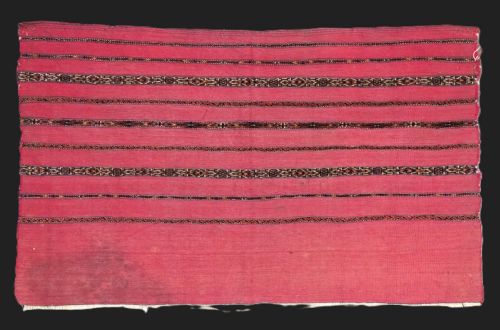


Tribal Wool Bagface
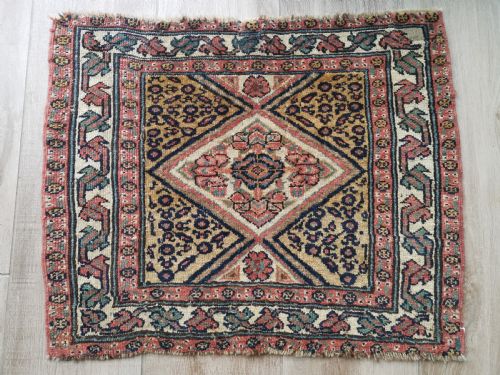
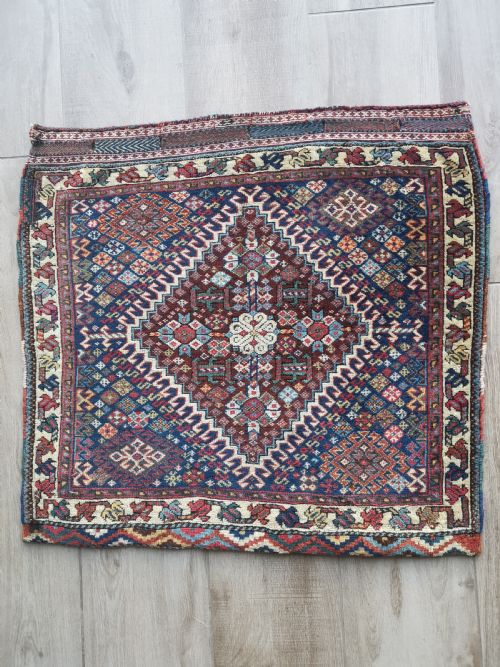
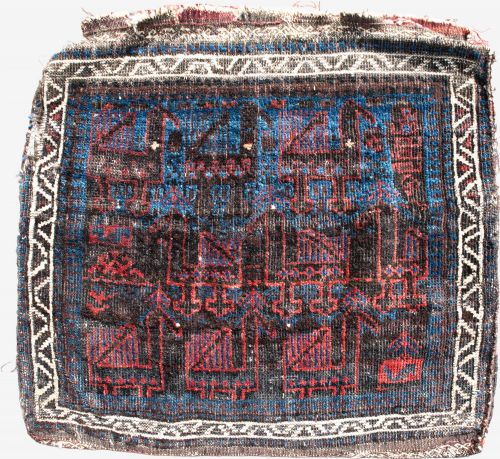
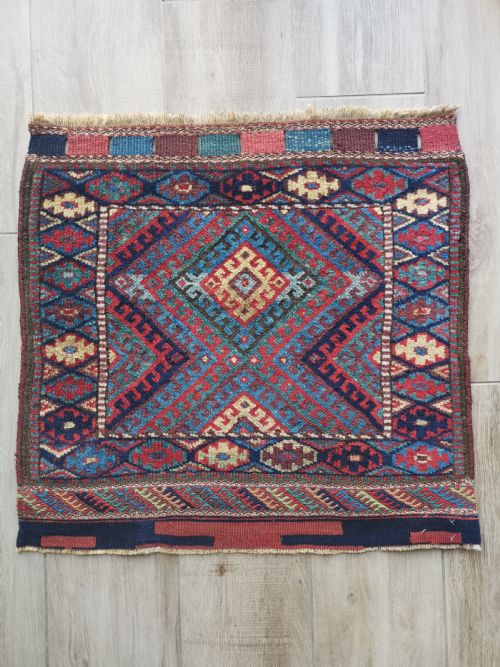
These tribal wool bagface examples are nomadic woven panels carrying generations of regional identity, collected for their rich colour and geometric power.
Tribal Wool Bagface
A tribal wool bagface represents the front panel of a utilitarian nomadic container, repurposed as a decorative textile after the original rear section wore away or was cut. When collecting a tribal wool bagface, you encounter knotted-pile faces from Turkmen, Baluch, Qashqai, and Kurdish weavers, dating from the nineteenth century into the early twentieth century.
These fragments originated as storage sacks, horse covers, and saddlebags used in nomadic migration across Persia, Central Asia, and the Caucasus. The formats range from small square torba and chuval faces to larger storage bag fronts and half-saddlebags.
Examples on this page showcase distinct tribal motifs such as gul medallions, curled leaf designs, bird patterns, and ikat-inspired layouts. Each piece reflects the specific weaving grammar of the tribe that produced it.
Materials and construction
Weavers constructed these pieces using hand-spun wool for the pile and foundation, often incorporating goat hair for durability along the edges and sides. Natural dyes extracted from plants and minerals provide the characteristic deep reds, indigos, and golds that soften with age.
The technique relies on dense hand-knotting, sometimes executed with exceptionally fine weaves in dowry pieces produced by Turkmen and Persian nomadic groups. Flatweave soumak or plain weave techniques frequently frame the pile sections or form the remaining structure.
Listings span the nineteenth century up to nineteen-twenty, utilising hand-spun wool, cotton, goat hair, and natural dyes across Turkmen, Persian, and Caucasian tribal traditions.
Determinants of quality
Knot density and handling of the wool determine the refinement of the surface, with finer weaves allowing greater intricacy in geometric and floral motifs. The depth and stability of natural dyes separate masterwork pieces from simpler utilitarian items.
Preservation of the original field design and secure outer borders dictate the visual impact of the fragment. Superior examples retain their structural integrity alongside clear, saturated colour palettes.
The Tribal Wool Bagface Glossary
- Bagface
- The decorative front panel of a nomadic storage sack or saddlebag, preserved as an independent textile.
- Chuval
- A large Turkmen tent storage bag used for bedding and household goods, typically featuring multiple gul medallions.
- Torba
- A smaller horizontal Turkmen bag used for storage inside the yurt, often produced as part of dowry weaving.
- Gul
- A repeating primary octagonal medallion design used extensively in Turkmen tribal weaving to identify specific clans.
- Soumak
- A flatweave technique involving wrapping weft threads around warp threads to create a textured, durable surface.
Tribal Wool Bagface: Frequently Asked Questions
How were tribal bags used originally?
Nomadic families utilised these containers on pack animals during seasonal migrations and inside tents for organising household possessions.
They stored clothing, blankets, and grain, requiring sturdy construction and durable materials like wool and goat hair to withstand heavy travel.
How do I display a bagface at home?
Collectors typically mount these textiles flat on a wall using non-damaging textile conservation techniques or display smaller formats as table mats.
Ensure placement avoids direct sunlight to protect natural dye pigments from fading over time.
How can I tell different tribes apart?
Weavers incorporated specific structural traits, palette choices, and repeat motifs characteristic of their geographical region and clan.
Turkmen groups favoured repeating guls in deep reds, while Persian nomadic weavers like the Qashqai and Baluch often utilised animal figures, rich blues, and varied geometric borders.
What is dowry weaving?
Nomadic women produced fine domestic textiles and storage bags as part of their marriage portion to demonstrate skill and status.
These pieces typically exhibit higher knot densities, superior materials, and exceptional care in design execution.