




Antique Afghan Weaving
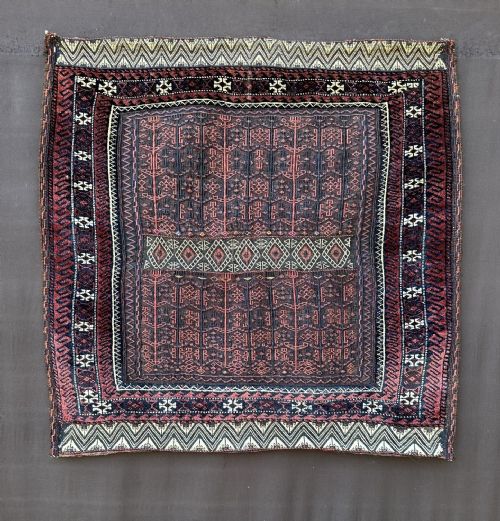
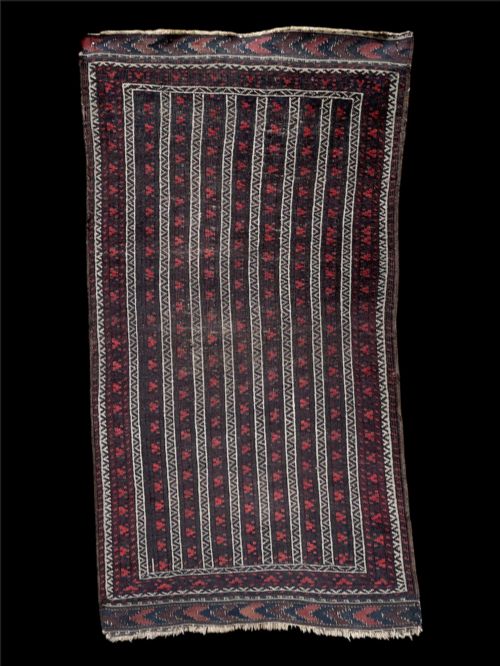
Antique afghan weaving comprises tribal carpets, storage bags and trappings carrying the rich motifs of nineteenth and early twentieth century nomadic workshops.
Antique Afghan Weaving
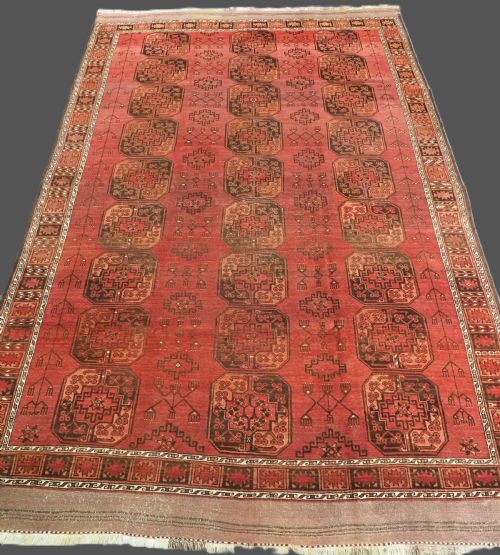
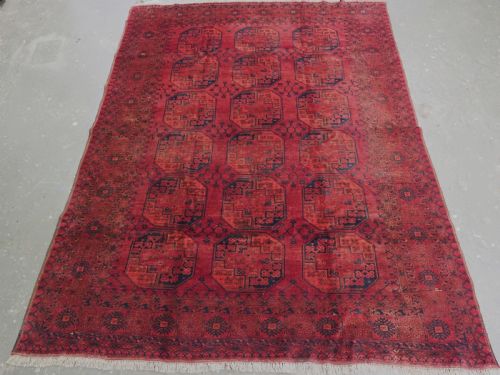
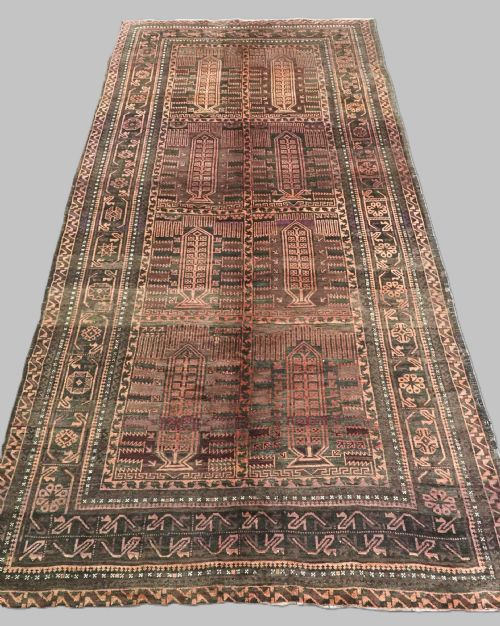
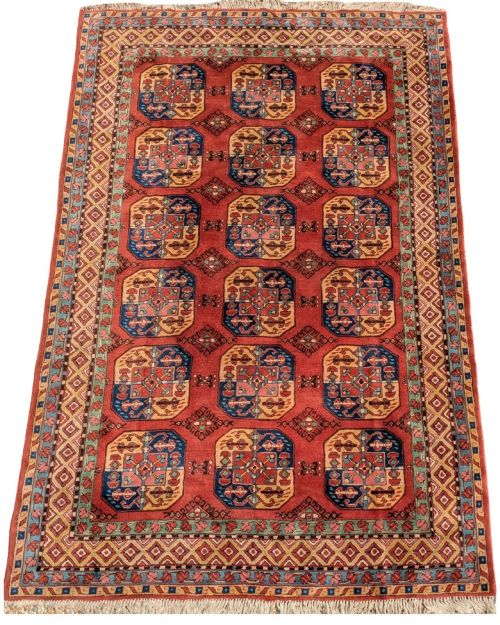
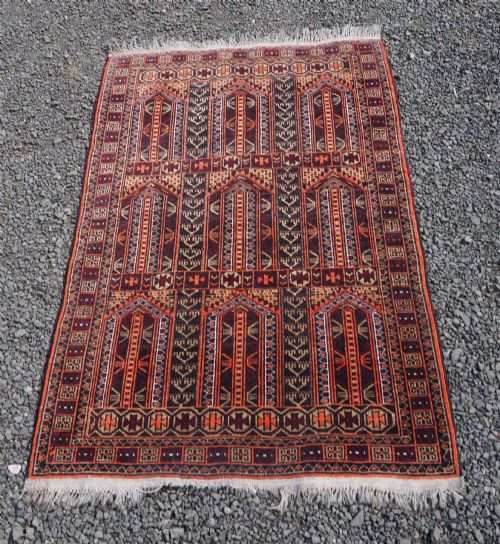
Buyers exploring antique afghan weaving encounter a diverse array of nomadic and tribal expressions, ranging from large room-size carpets to small utilitarian items. The most common survivals on this page are Baluch rugs and Ersari Turkmen carpets, typically dating from the late nineteenth century to the early decades of the twentieth century.
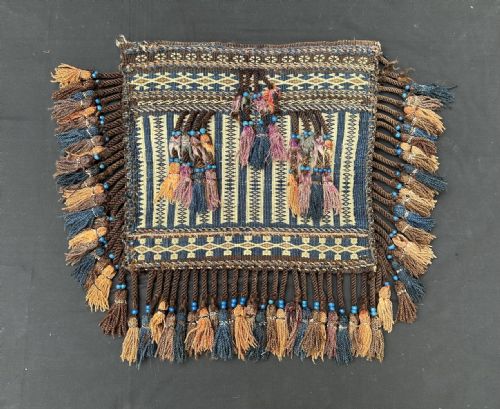
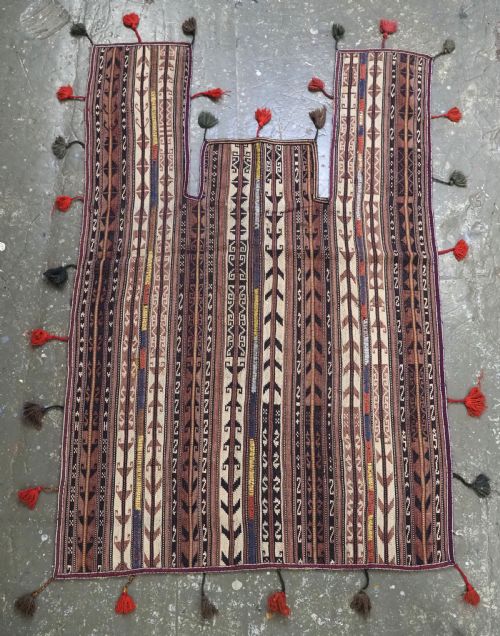
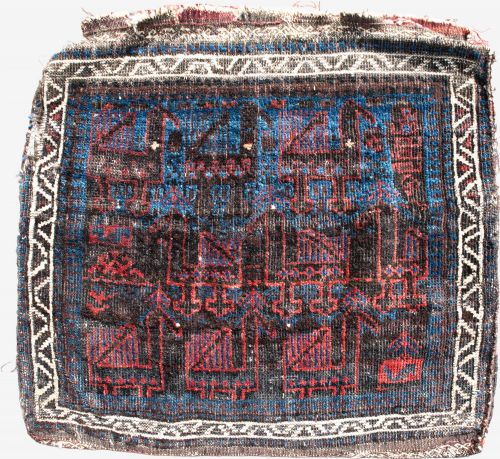
The selection extends beyond floor coverings into functional tribal pieces such as storage bags, grain sacks, bread sofrehs, and horse or camel trappings. These smaller textiles often display highly specific regional patterns, including pencil box designs and prayer mihrabs, reflecting the daily lives and ceremonial traditions of the makers.
Materials and construction
The foundation of these textiles relies predominantly on hand-spun wool, cotton, and occasionally goat hair or camel hair for added durability. Natural dyes provide the warm red tones and golden hues characteristic of the older pieces.
Weavers utilised techniques such as pile knotting and flatweaving to create robust structures. Foundations frequently incorporated horsehair or sturdy wool, ensuring the carpets and bags survived decades of nomadic movement.
Listings feature pieces spanning from the nineteenth century through the 1930s, utilising wool, cotton, and camel hair.
Judging quality in tribal textiles
Quality in these pieces rests upon the fineness of the knotting, the handle of the wool, and the purity of the natural dye palette. Tightly packed structures and supple foundations indicate superior craftsmanship by the weaver.
Artistic execution and clarity of traditional motifs also separate standard examples from exceptional ones. Well-drawn guls, balanced proportions, and unusual variant designs elevate a piece beyond basic utilitarian work.
The Antique Afghan Weaving Glossary
- Sofreh
- A flatwoven cloth used for eating or processing bread. These textiles often feature geometric bands of weftwork.
- Kapunuk
- A portiere or tent-hanging decoration placed around the entrance of a yurt. They are typically woven by Turkmen tribes.
- Gul
- A repeating octagonal medallion motif found extensively on Turkmen and Ersari carpets. Each design relates to specific tribal lineages.
- Mihrab
- A niche design representing the direction of prayer, frequently seen on rugs intended for devotional use. Variants include single, double, and triple arched formats.
- Balist
- A small storage bag or grain sack produced by nomadic weavers. They usually feature a plain weave back and a decorative pile face.
Antique Afghan Weaving: Frequently Asked Questions
How do I care for an antique rug?
Vacuum gently without a beater bar and keep the textile away from direct sunlight to protect the natural dyes.
Professionally wash the piece only when necessary using specialists familiar with tribal wool.
What is a pencil box design?
The pencil box design refers to stacked rectangular compartments seen primarily on Timuri and Baluch carpets. This geometric arrangement creates a distinct repeating pattern across the field.
Such layouts are characteristic of specific regional weaving groups in south-west Afghanistan.
Where were these textiles made?
These pieces originate from various regions across Afghanistan, created by nomadic and settled tribal groups. Major contributions come from Ersari Turkmen in the north and Baluch communities in the west and south-west.
Each area imparted distinct colour palettes and structural techniques to their weaving.
How do I date a tribal carpet?
Dating relies on examining the wool quality, dye types, and structural wear consistent with nineteenth and early twentieth century production. Natural dye saturation and hand-spun foundations typically point to older periods.
Comparative analysis with documented tribal pieces helps narrow down the decade of manufacture.