




Indigo Wool Weaving
Indigo wool weaving encompasses tribal rugs, kilims and bags made by hand from natural materials across Persia, the Caucasus and Central Asia.
Indigo Wool Weaving
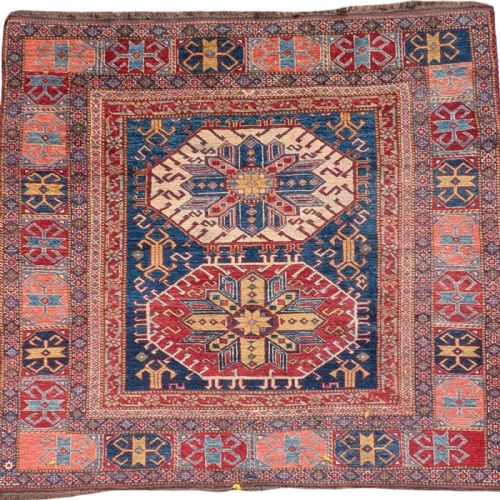
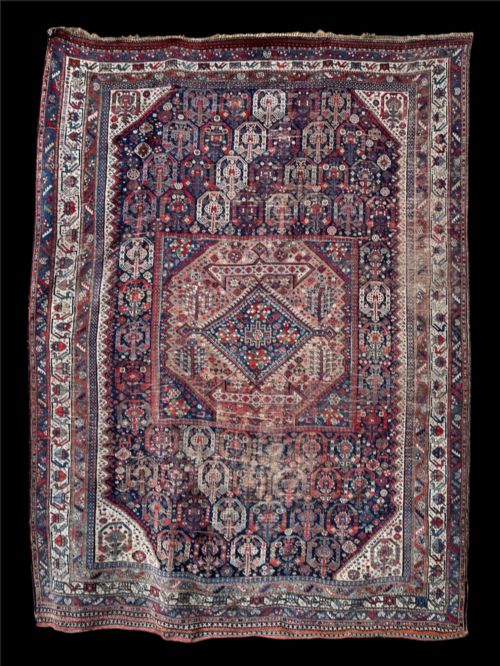
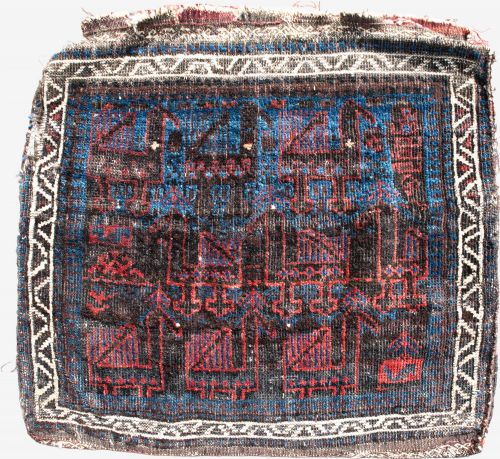
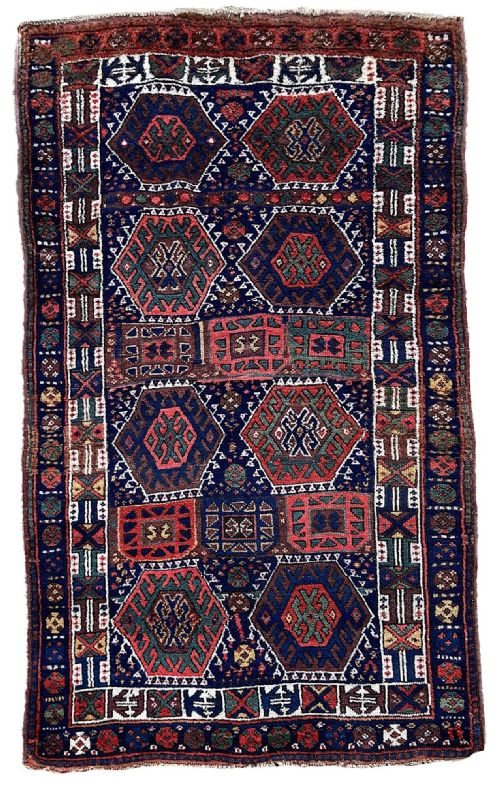
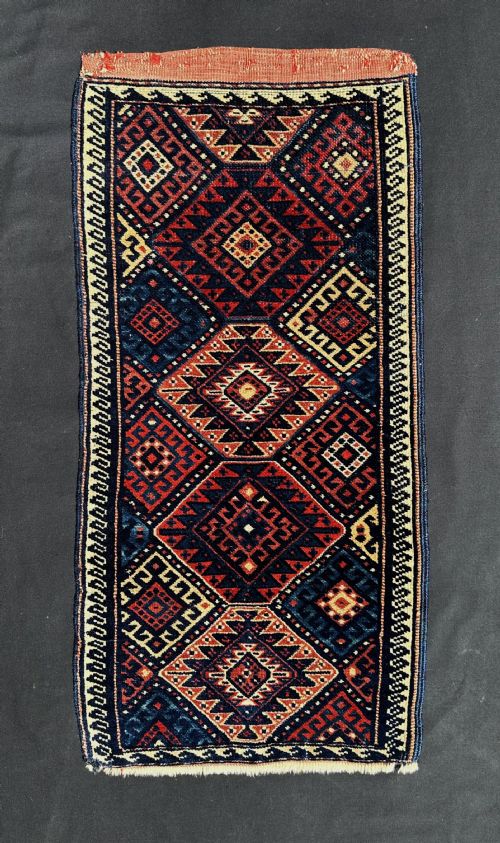
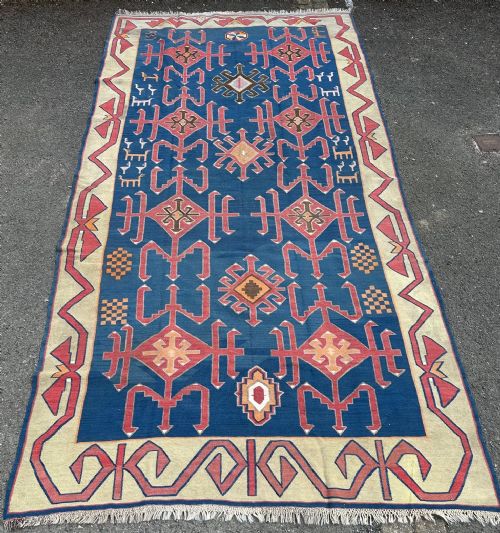
Indigo wool weaving brings together tribal rugs, runners, flat-weave kilims and utilitarian bags produced by nomadic and village weavers. These textiles originate from regions such as Persia, the Caucasus, Anatolia and Central Asia, spanning the nineteenth and early twentieth centuries.
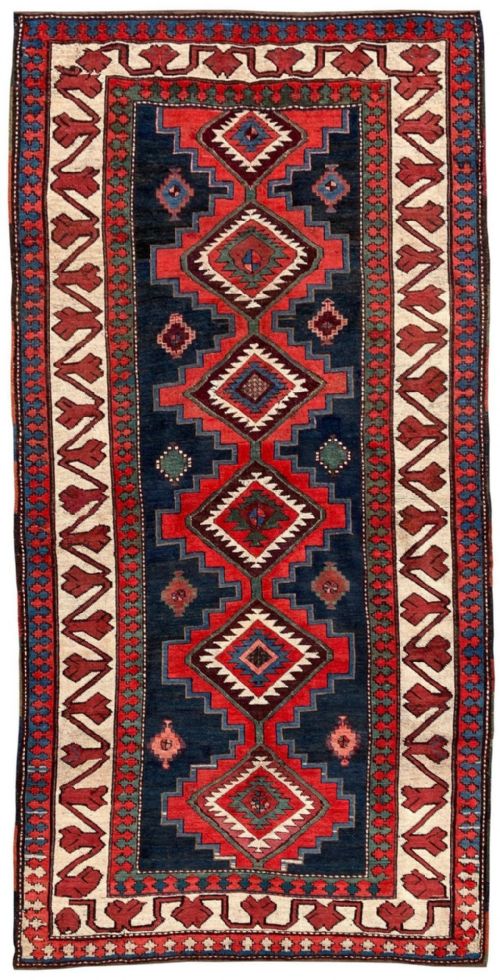
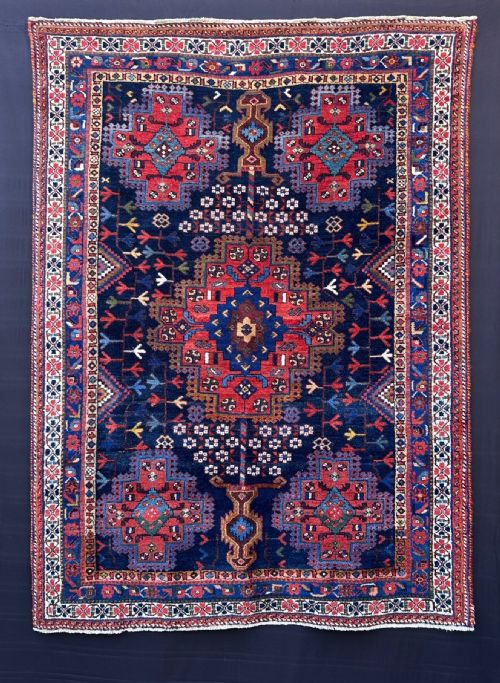
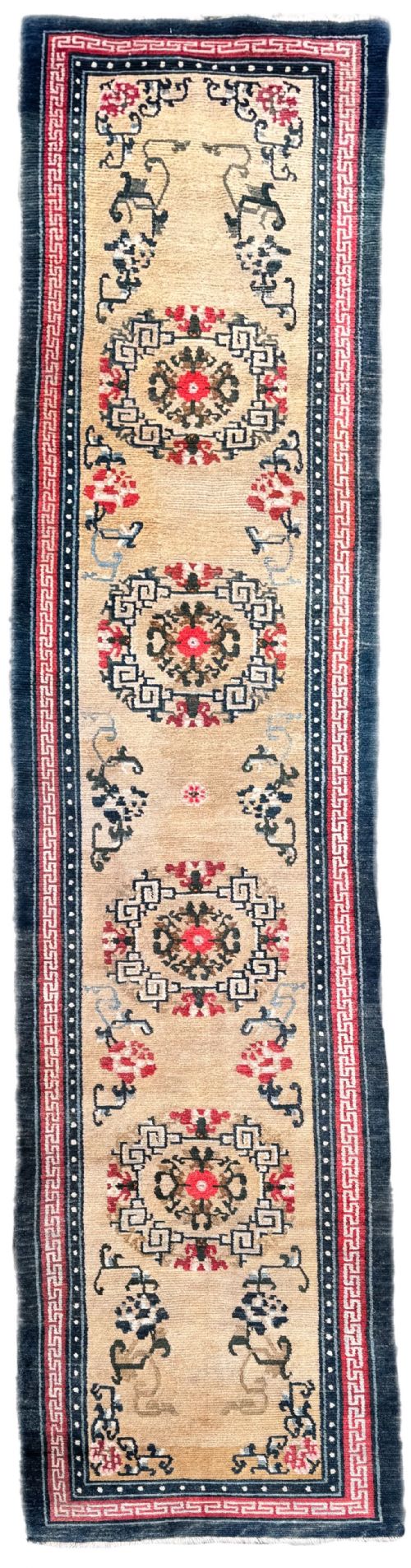
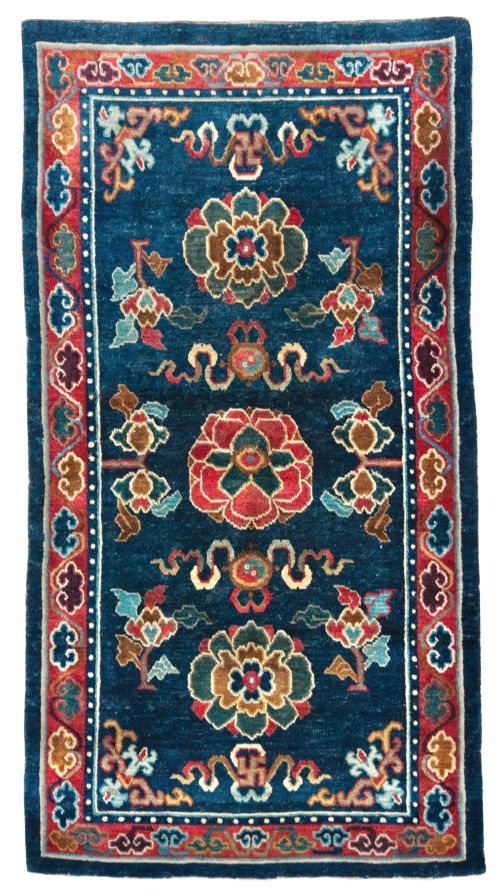
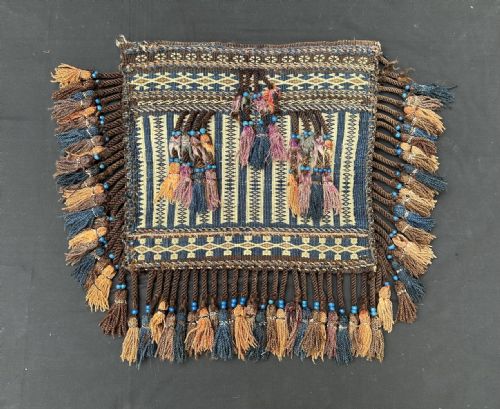
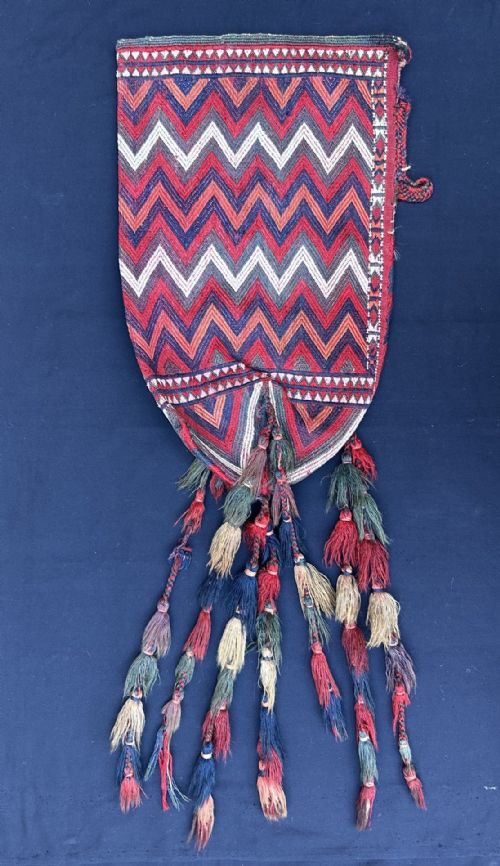
The pieces on this page include room-size carpets, narrow runners, cushion faces, storage bags and animal trappings. Such items served practical domestic purposes within tribal life before entering the decorative sphere.
How they were made
Makers utilised wool and hand-spun wool alongside cotton foundations, often incorporating glass beads and soumak work for added texture. Natural dyes provided the characteristic deep blue tones and complementary hues that define these woven surfaces.
Weavers constructed these textiles on horizontal or vertical portable looms using pile knots or flat-weave techniques. The resulting structures range from dense knotted carpets to lightweight kilim panels and piled storage bags.
Listings feature wool, hand-spun wool, cotton and natural dyes across rugs, kilims and bags dated from 1860 to 1940.
What varies in quality
The refinement of the wool preparation and the precision of the knotting or flat-weaving dictate the structural integrity of each piece. Tighter construction and consistent spinning yield greater durability across heavy-use formats like rugs and main carpets.
Artistic expression depends on the handling of natural dye palettes and the execution of tribal motifs such as medallions, guls and geometric symbols. Harmony of colour proportion and confident drawing distinguish superior examples from standard production.
The Indigo Wool Weaving Glossary
- Kilim
- A flat-woven carpet or rug produced without a pile by tightly interweaving warp and weft threads. These textiles often feature sharp geometric patterns resulting from the slit-weave technique.
- Soumak
- A flat-weave technique where coloured weft threads are wrapped around the warp threads in a continuous brocade-like manner. This method creates a thicker, more durable fabric with a braided appearance on the face.
- Torba
- A small Turkmen storage bag traditionally hung inside a yurt to hold household belongings. They typically display characteristic gul motifs and fine wool pile.
- Sofreh
- A woven spread or cloth used for eating, kneading dough or processing grain within nomadic households. These functional textiles often display minimalist tribal designs.
- Pushti
- A small mat or rug designed for sitting upon or leaning against inside a tribal tent. They share the technical construction of larger pile carpets in a compact format.
Indigo Wool Weaving: Frequently Asked Questions
What is an indigo wool weaving?
Indigo wool weaving refers to hand-knotted and flat-woven textiles produced by tribal and village makers using natural wool and plant-based blue dyes. These items range from large carpets and runners to small utilitarian bags.
Such pieces reflect the distinct regional aesthetics of weavers across Persia, the Caucasus, Anatolia and Central Asia during the nineteenth and early twentieth centuries.
How do I care for an antique rug?
Regular gentle vacuuming without a beater bar removes grit that can damage wool fibres over time. Keeping the textile away from direct sunlight prevents natural dye fading.
Professional cleaning by specialists in antique textiles ensures the preservation of the wool and structural foundation. Avoid harsh chemical treatments and excessive moisture.
How do I identify tribal origins?
Distinguishing origins involves examining specific structural characteristics such as knot types, edge finishes and end-finish weaves. Colour palettes and recurring tribal motifs also provide clues to the producing confederation or region.
Comparison with documented examples from groups such as the Baluch, Afshar, Yomut or Kazak helps narrow down geographical provenance.