




Antique Bird Motif Rug
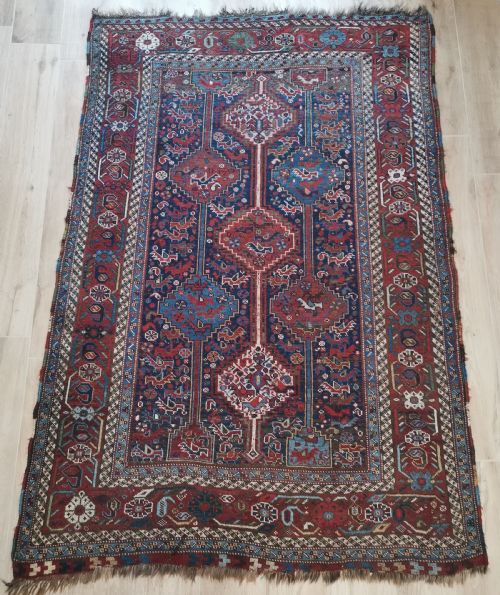
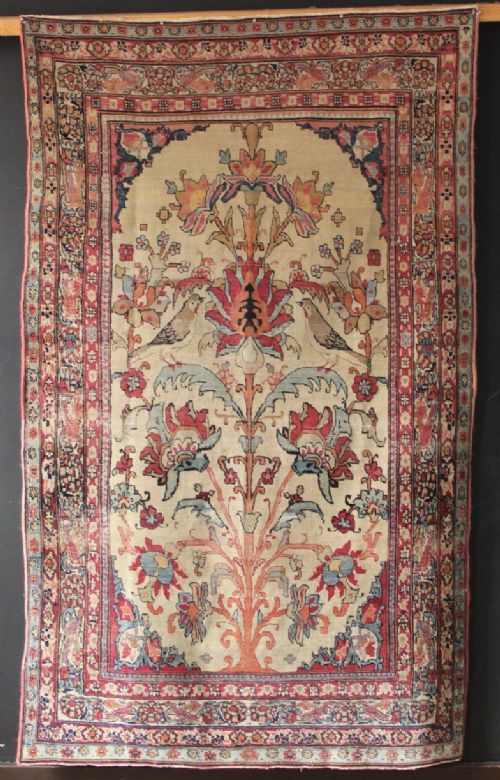
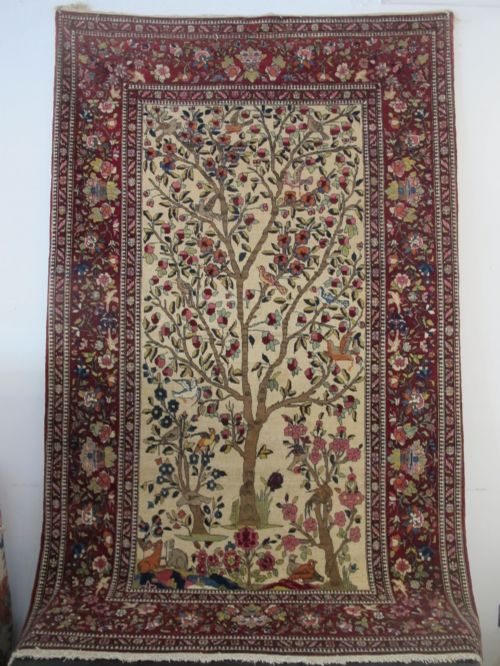
An antique bird motif rug brings tribal character and avian imagery into a room, offering woven depictions of chickens, perching birds, and mythic beasts.
Antique Bird Motif Rug
When you search for an antique bird motif rug, you examine woven textiles that incorporate avian figures alongside geometric medallions and floral elements. These pieces originate from Persian tribal groups, Caucasian workshops, and nomadic communities.
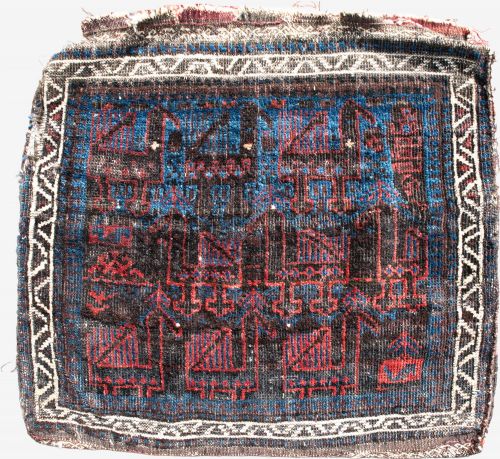
You meet rugs, carpets, runners, and bag faces spanning the late nineteenth century into the early twentieth century. Khamseh weavers, Caucasian Shirvan creators, and Baluch nomads populate this selection with distinct regional patterns.
The bird motifs range from repeating pecking chickens to stylized creatures perched on trees or incorporated into borders. Each format represents traditional village output, nomad weaving, or larger carpets designed for domestic and trade use.
Materials and methods of manufacture
Makers utilised wool, hand-spun wool, cotton for foundations, and occasional goat hair to construct these textiles. The yarn absorbs natural and vegetable dyes, producing rich tones that age with muted patination.
Weavers employed pile knots and flatweave soumak techniques on vertical looms. Nomadic bag faces and carpets utilise dense knotting to secure complex bird and animal iconography across the wool surface.
Antique Bird Motif Rug Retail Price Guide 2026
Typical asking prices for bird motif rug among the pieces listed under this phrase on Sellingantiques today, from the lower quarter to the upper quarter. They describe what is for sale here now, not the wider market.
Period examples span from the eighteen-seventies through to the nineteen-twenties, covering tribal and village production.
Factors influencing quality
The crispness of the bird drawing and the density of the wool knotting dictate the standard of execution. Pieces with finely detailed avian forms, balanced borders, and well-preserved natural dyes stand apart from simpler village productions.
Structural integrity, including intact original selvedges and complete ends, governs the condition tier. Early tribal bag faces and main carpets displaying clear, unobstructed iconography command greater visual weight.
The Antique Bird Motif Rug Glossary
- Bag face
- The front panel of a nomadic storage sack, preserved and mounted as a small rug. These sections often contain concentrated pictorial designs.
- Soumak
- A flatweave technique wrapping supplementary weft threads around the warp to produce a durable, textured surface. It appears frequently on Shahsavan pieces.
- Khorjin
- A traditional pair of saddlebags woven as a single unit by nomadic groups. The face panels survive independently after decades of use.
- Boteh
- An almond-shaped motif representing a-seed, sprout, or palm leaf, frequently paired with bird and floral elements. It is a staple of Persian design vocabulary.
- Natural dyes
- Colourants derived from plants, insects, and minerals before the widespread adoption of synthetic alternatives in the late nineteenth century. They yield varied, harmonious tones.
Antique Bird Motif Rug: Frequently Asked Questions
What is an antique bird motif rug?
These are hand-knotted or flatwoven textiles produced by tribal and village weavers in Persia and the Caucasus. They incorporate stylized birds, chickens, and animals into traditional geometric or field designs.
Such rugs derive from nomadic or village traditions where weavers depicted local fauna from memory and cultural lore. They function as floor coverings, wall hangings, or decorative focal points.
How were these rugs used originally?
Nomadic groups utilised them as functional items inside tents, including bedding storage bags, saddle carriers, and floor mats. Village households placed larger carpets and runners in living spaces for warmth and decoration.
Over time, many smaller pieces such as bag faces were separated from their original utility and preserved as textile art. Larger formats served everyday domestic life in country houses and village dwellings.
How do I live with an antique rug?
Place the textile in low-to-medium traffic areas to protect the antique wool pile from excessive wear. Use an appropriate underlay to prevent slipping and cushion the foundation.
Keep the piece away from direct, harsh sunlight to prevent dye fading. Vacuum gently with a suction-only attachment without using a rotating brush roll.
How can I tell regions apart?
Caucasian examples like Shirvan often feature crisper geometry, crisp borders, and crisp primary palettes. Persian tribal pieces from Khamseh or Baluch traditions lean towards rich madder grounds, animal processions, and darker wool textures.
Structural details such as end finishes, selvedge wraps, and cotton versus wool foundation threads offer further clues to origin. Comparing knot density and secondary colours helps isolate specific weaving groups.